Day 3 - Rotorua: Maori Culture & Hiking
Monday, July 6
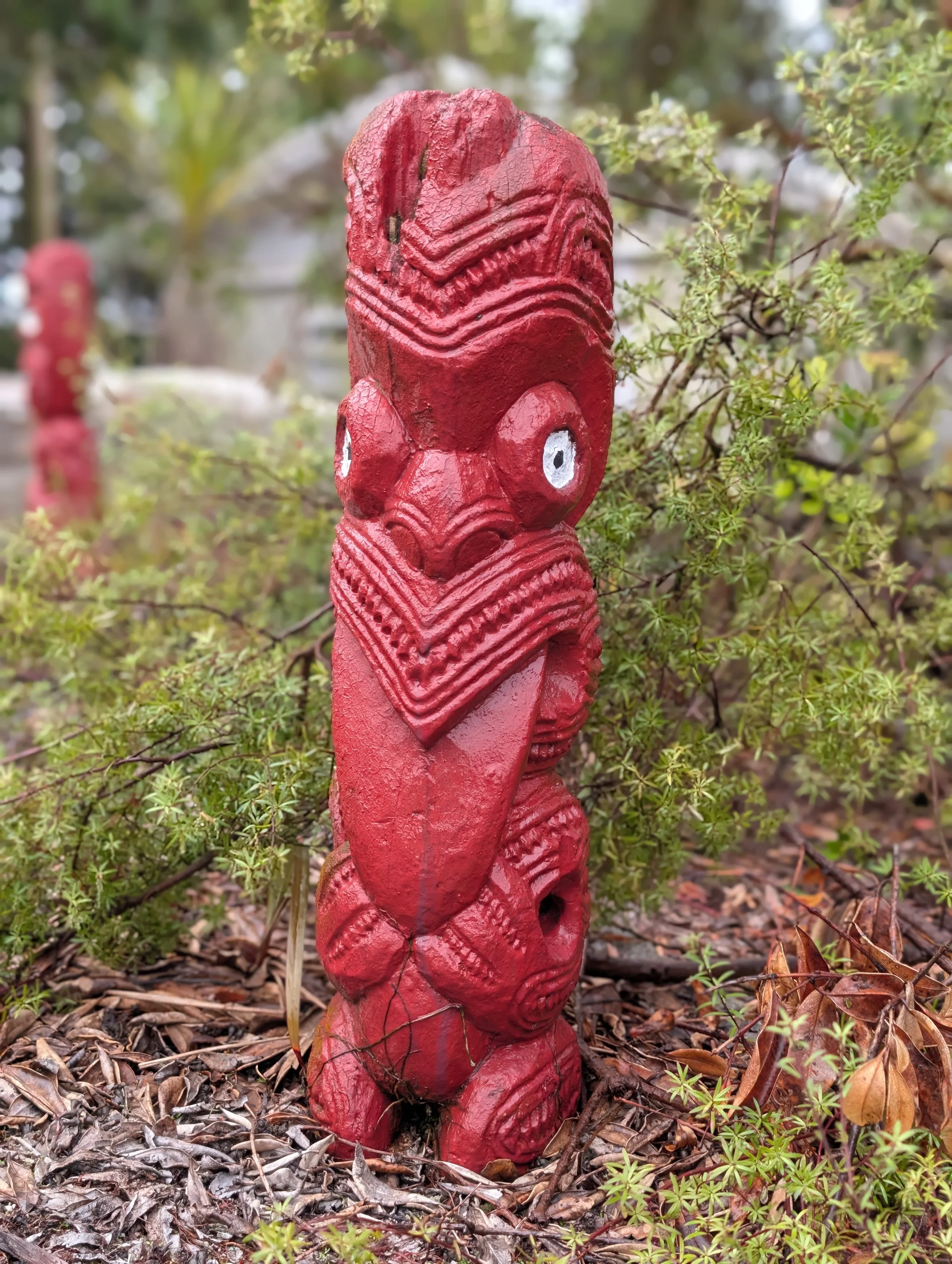
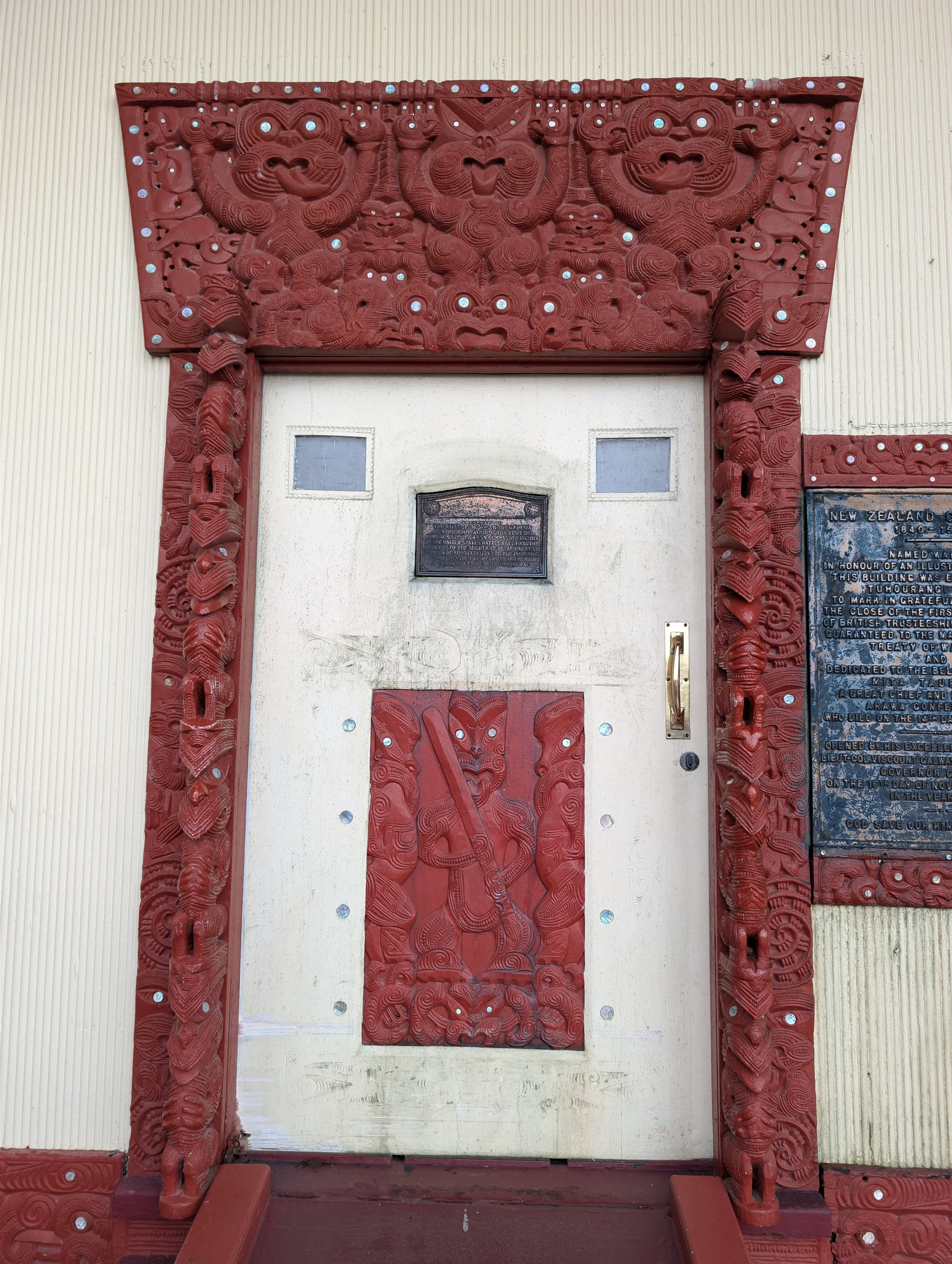
Maori tribal statue
It rained all day, and not knowing when we’d get our luggage, we went to an outdoor store first thing in the morning to buy rain jackets for both of us, pants and warm socks (Gail), and waterproof shoes (Mike). And then we received good news mid-morning! I don’t have to secure the domain whereisgailsluggage.com as our luggage made it not only to New Zealand, but to our hotel room today!
Whakarewarewa: The Living Maori Village
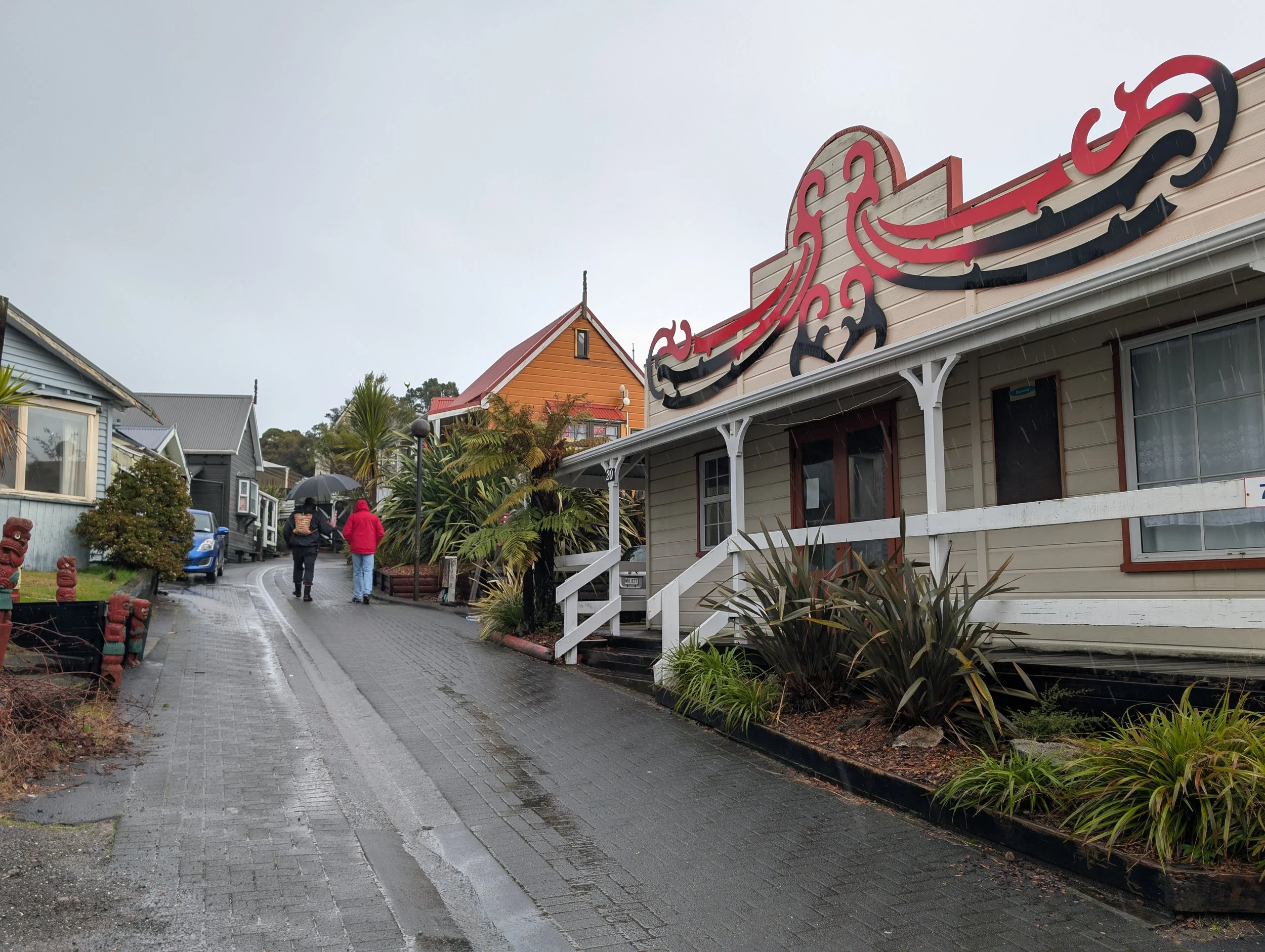
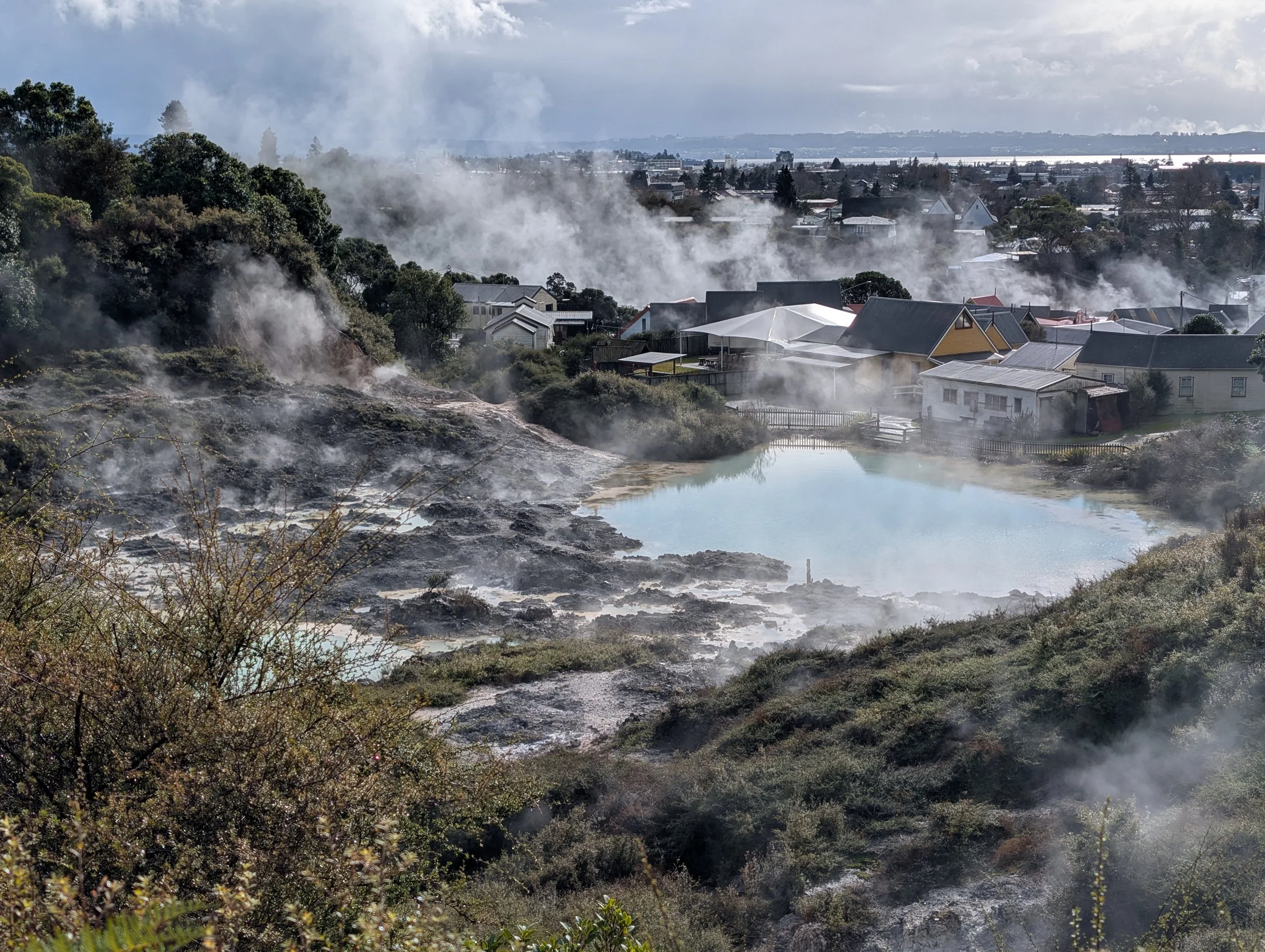
This small village is situated on an extensive network of geothermal pools, geysers, streams, and activities. Twenty-one families live in the village and continue the legacy of the tribe that has lived there for 300+ years, surviving volcanic eruptions, as well as cultural and political shifts in the landscape.
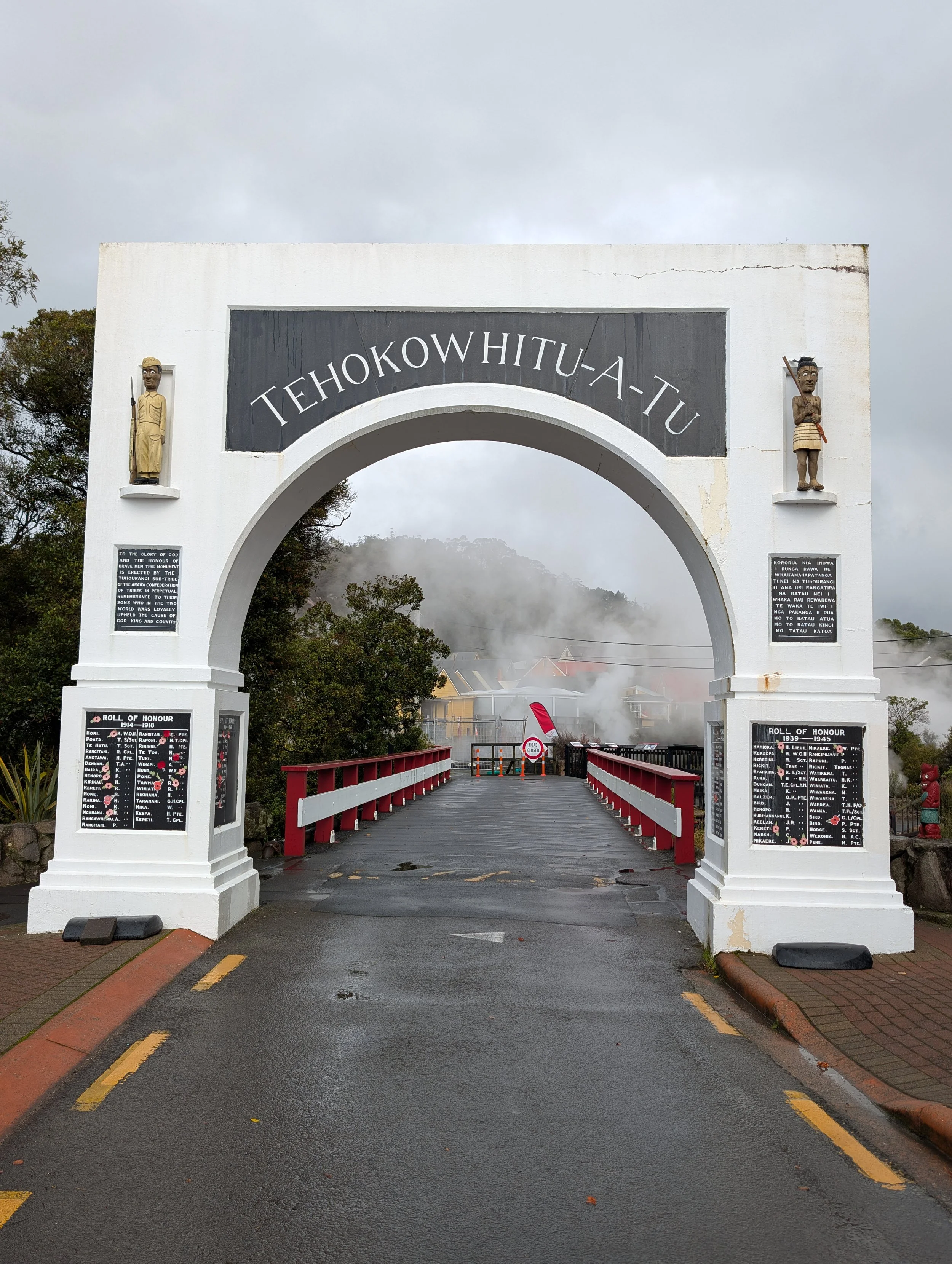
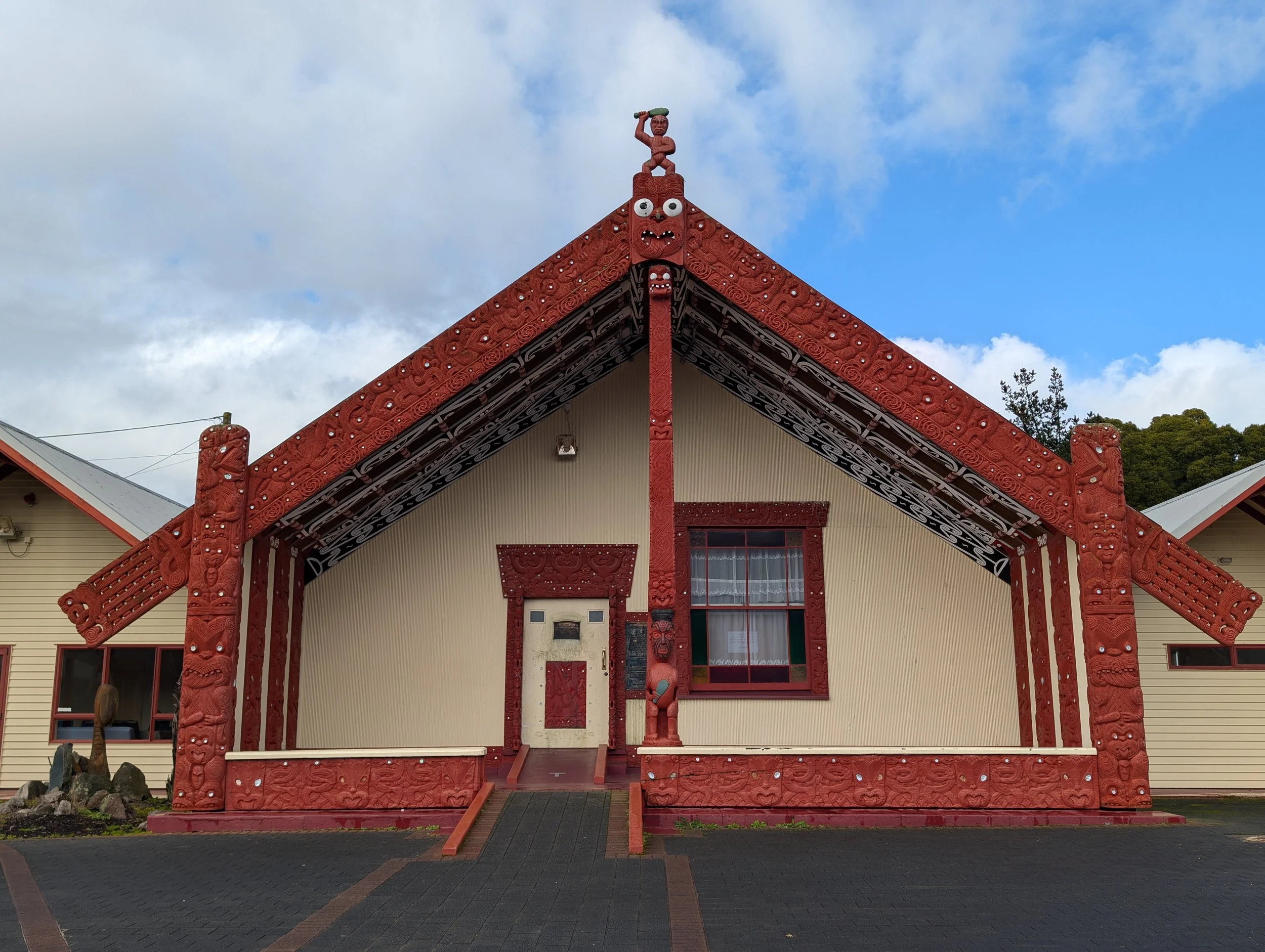
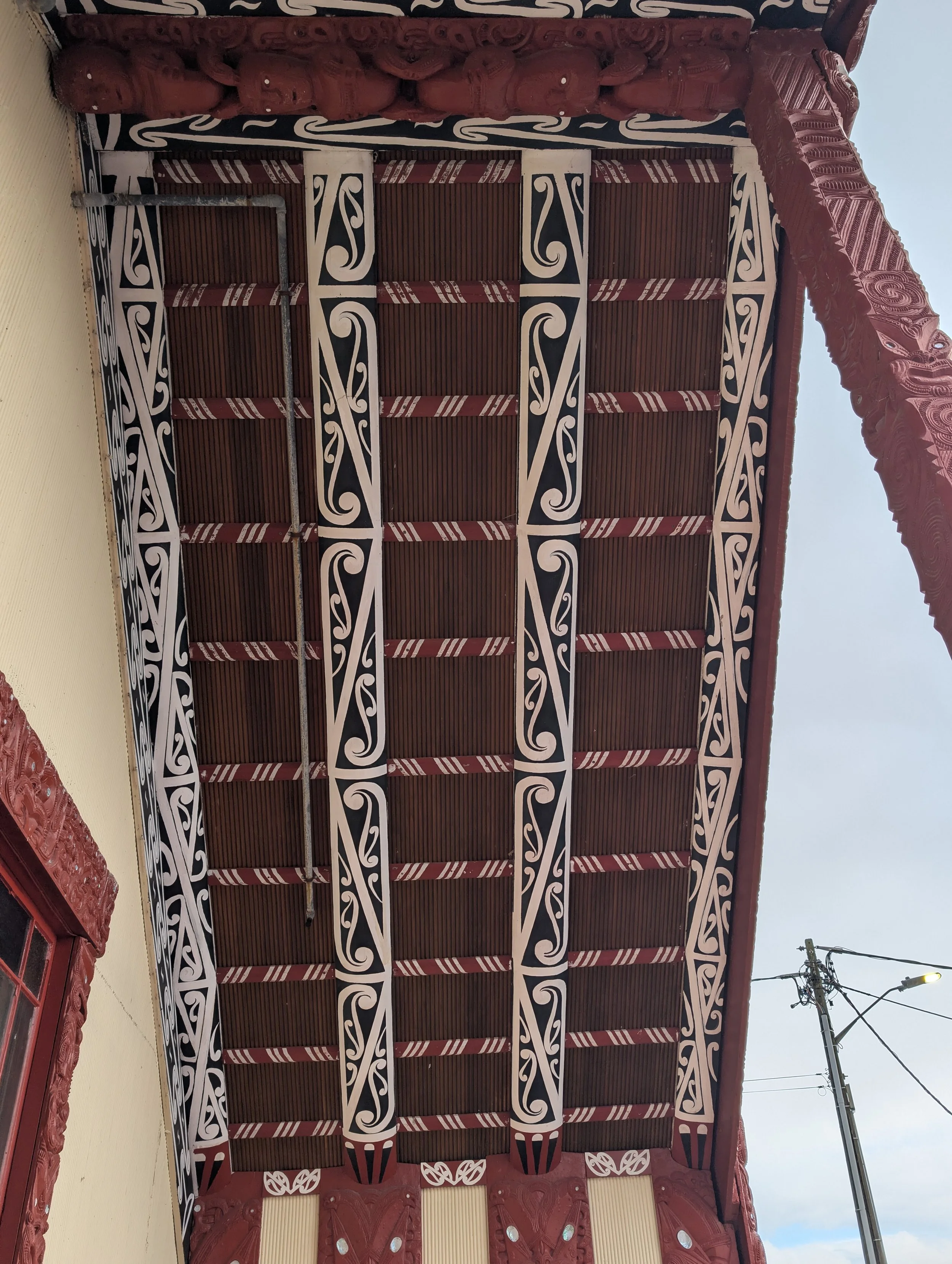
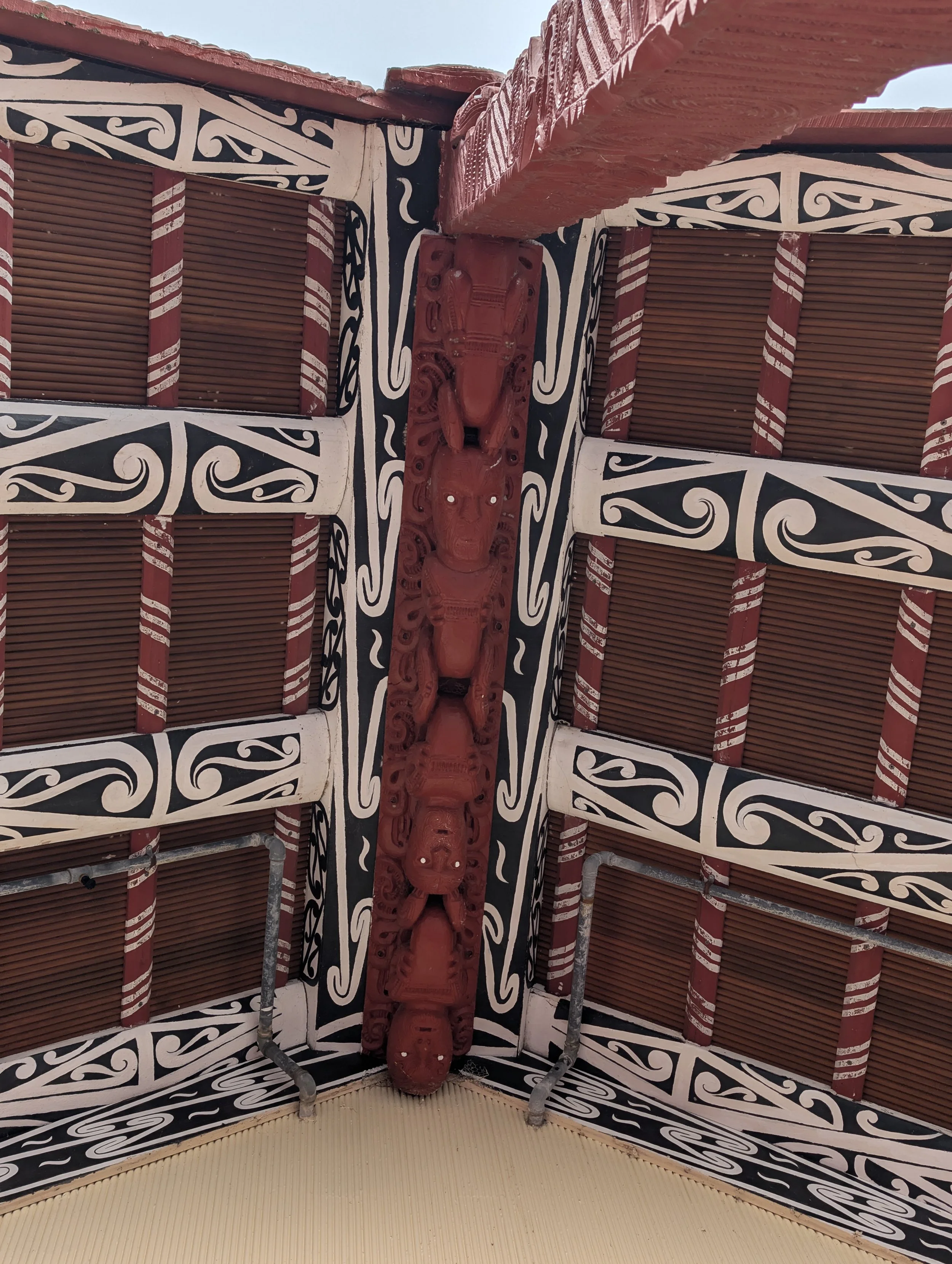
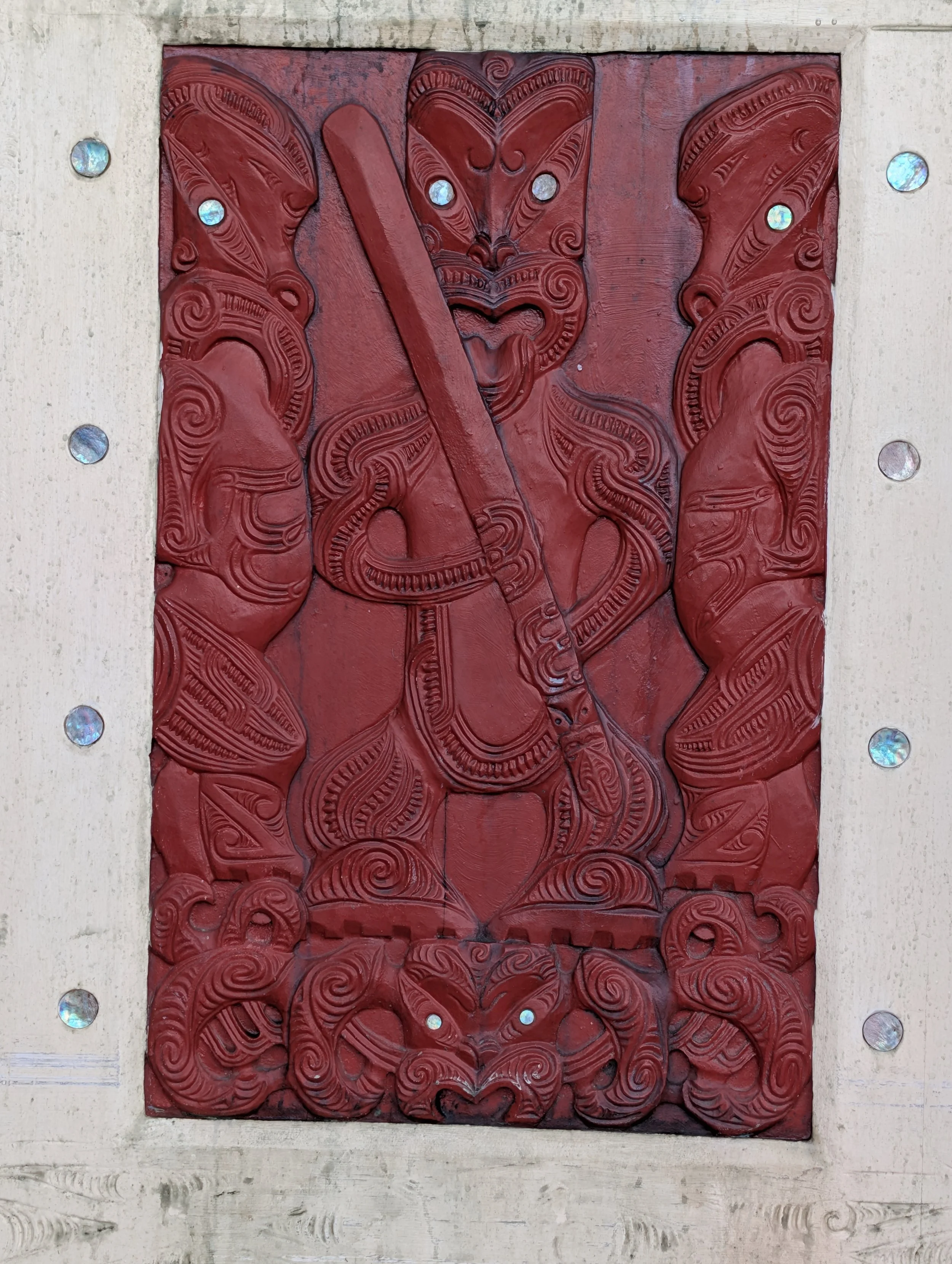
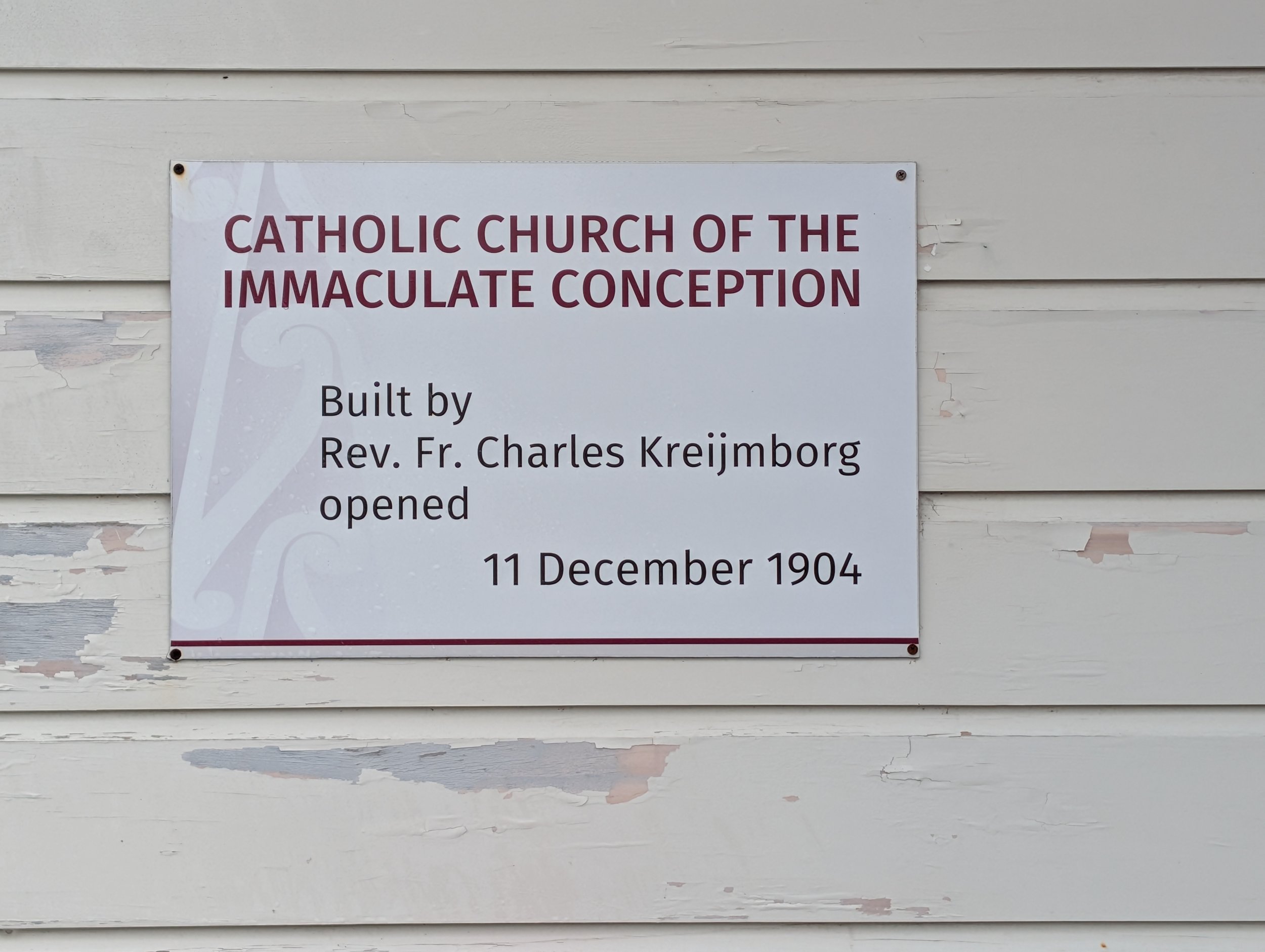
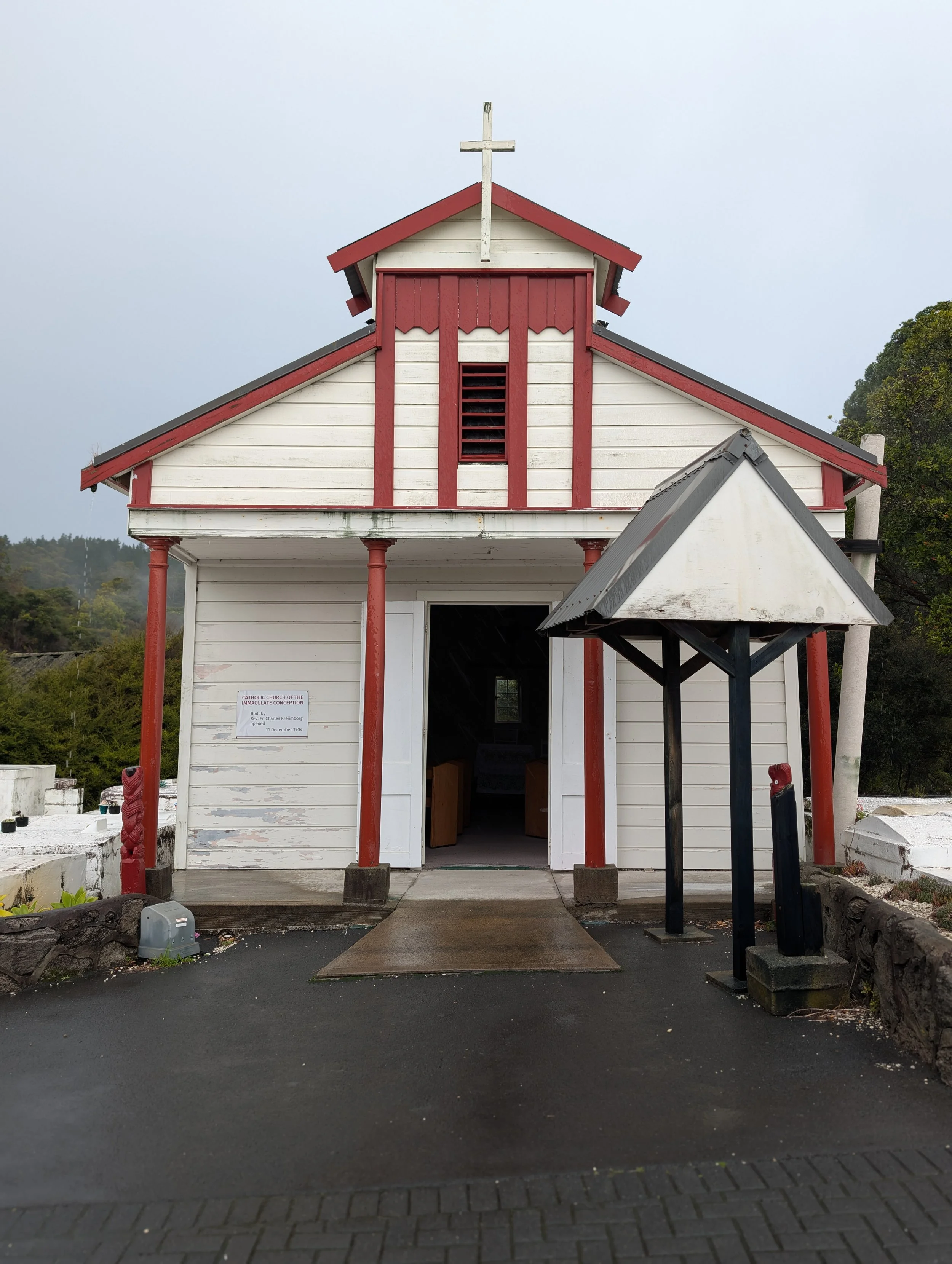
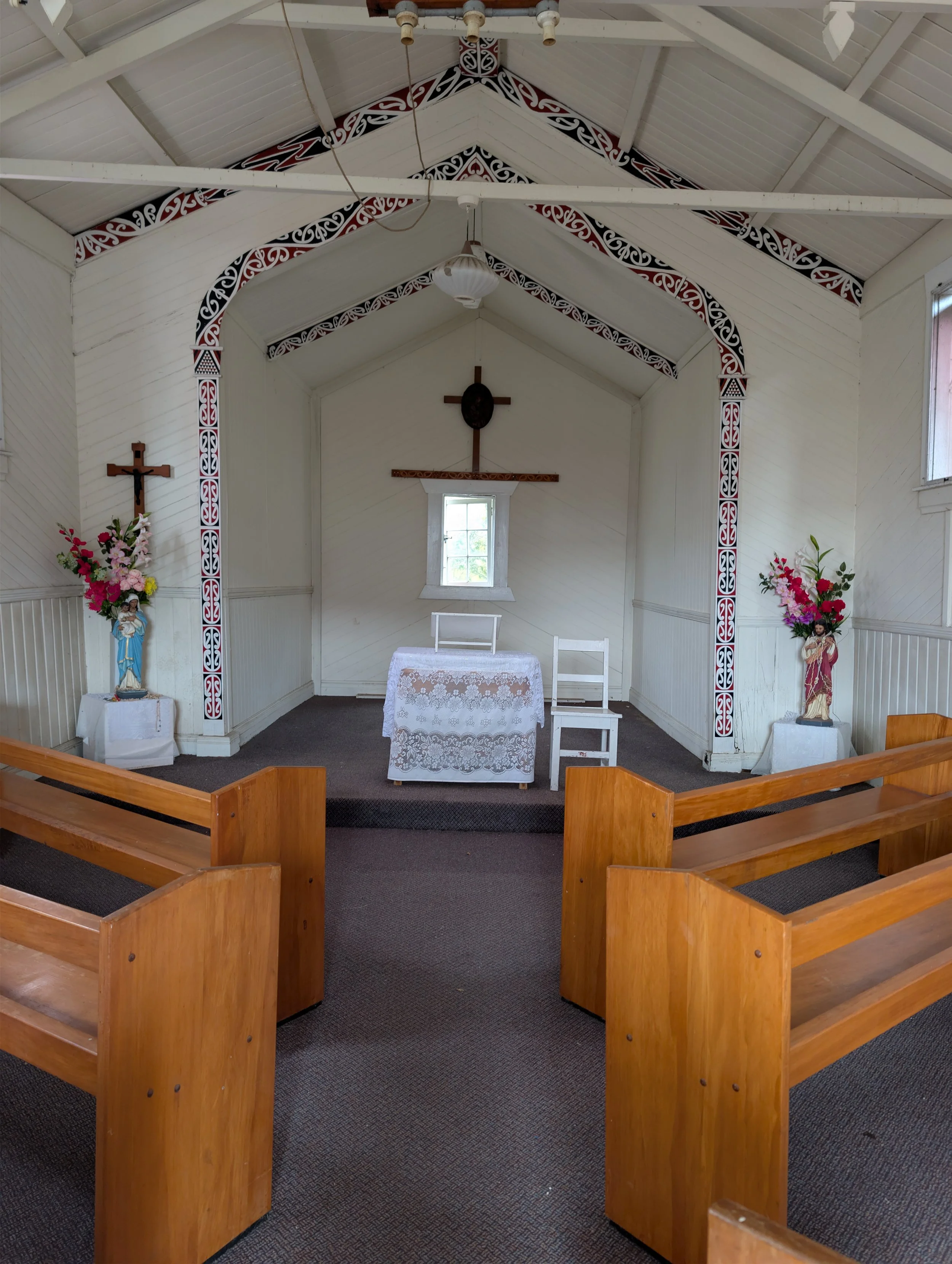
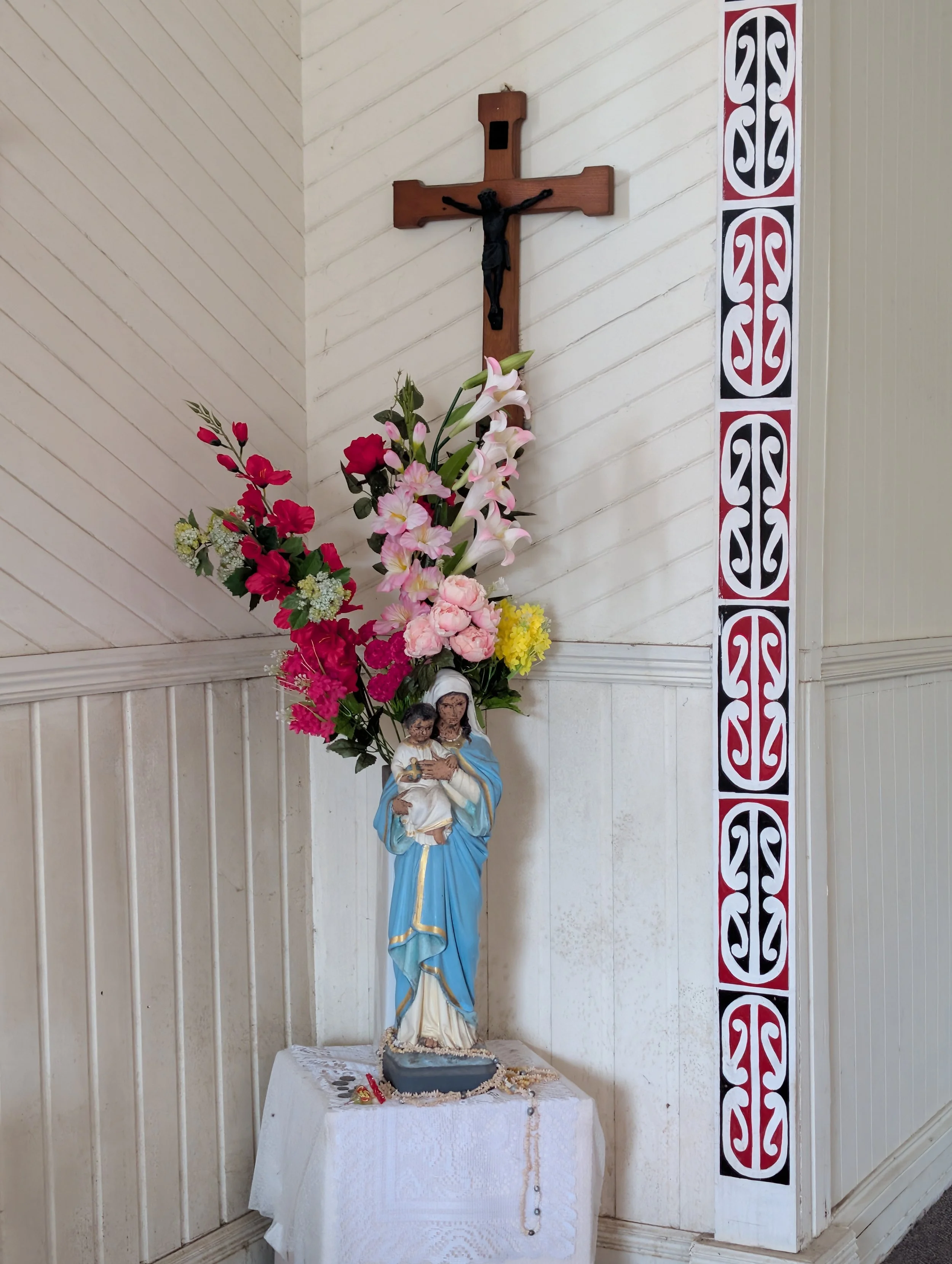
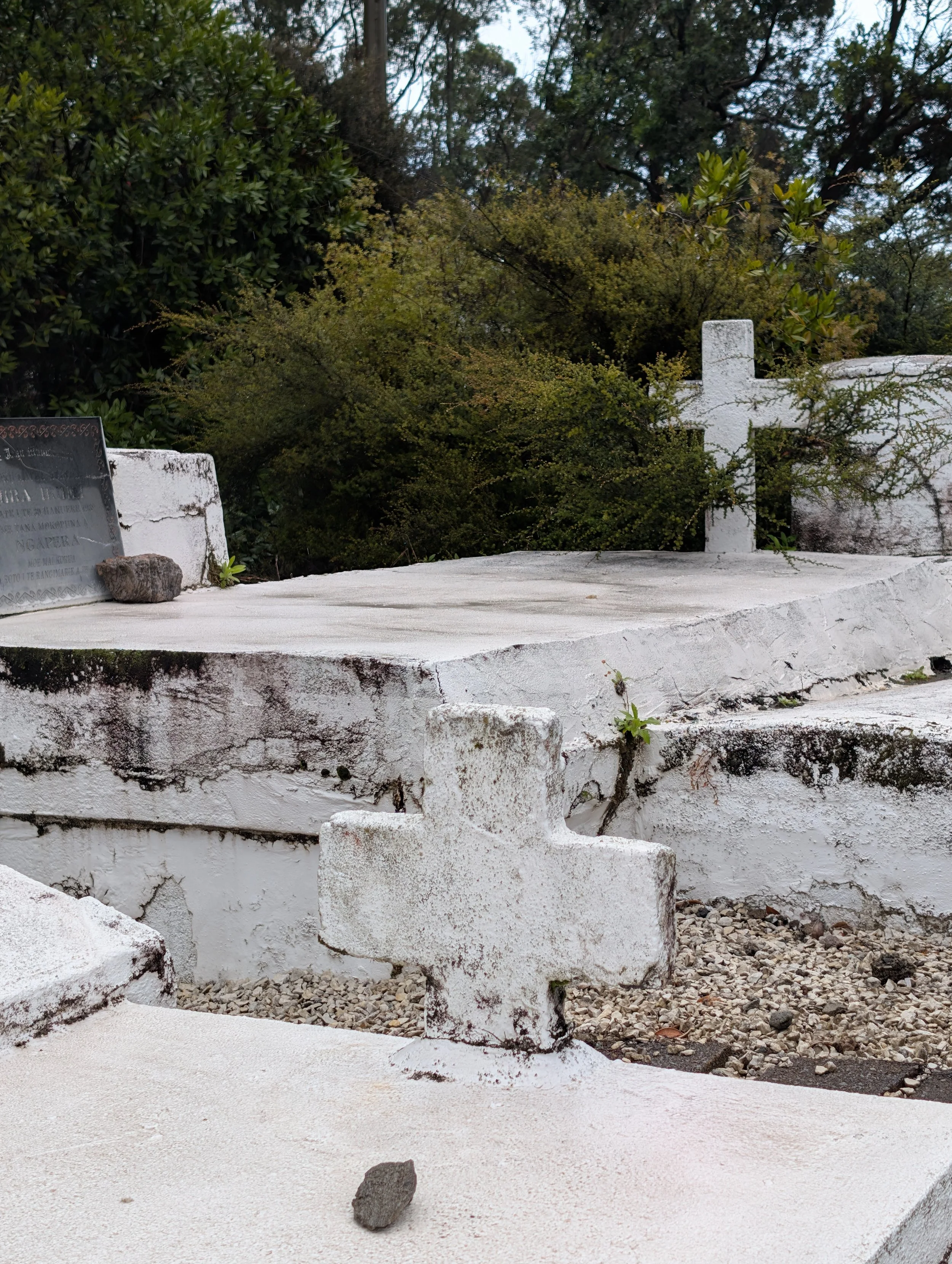
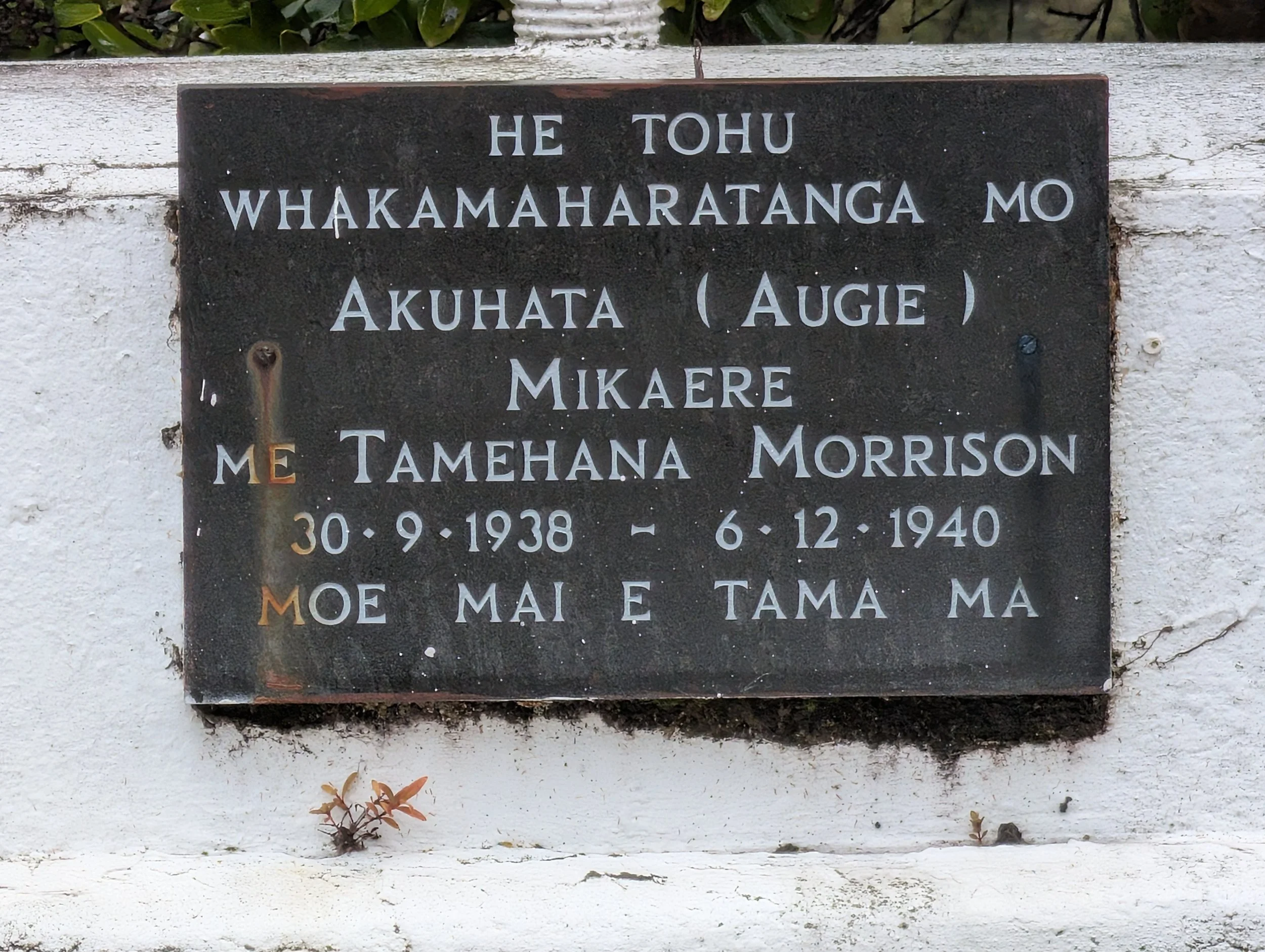
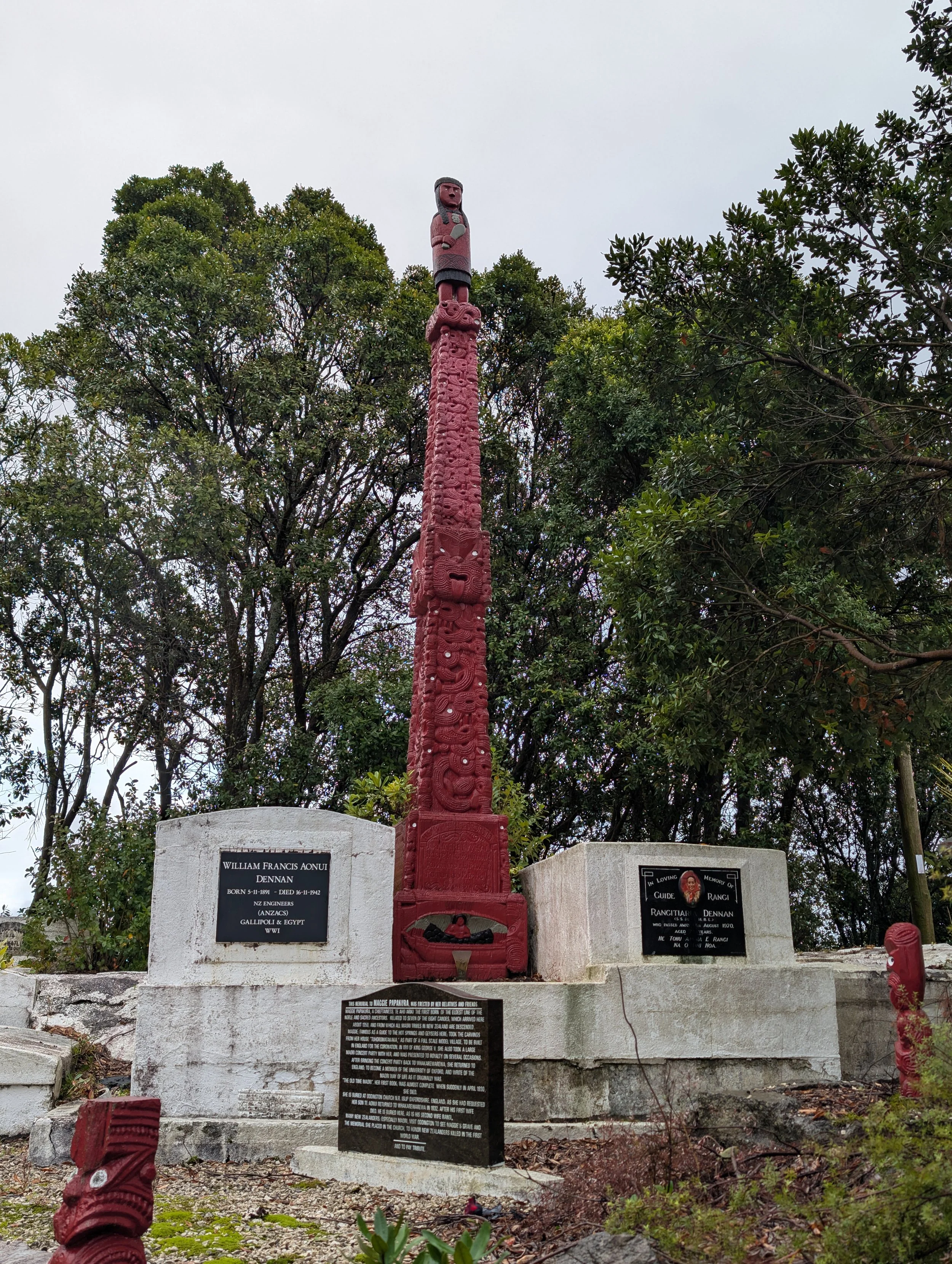
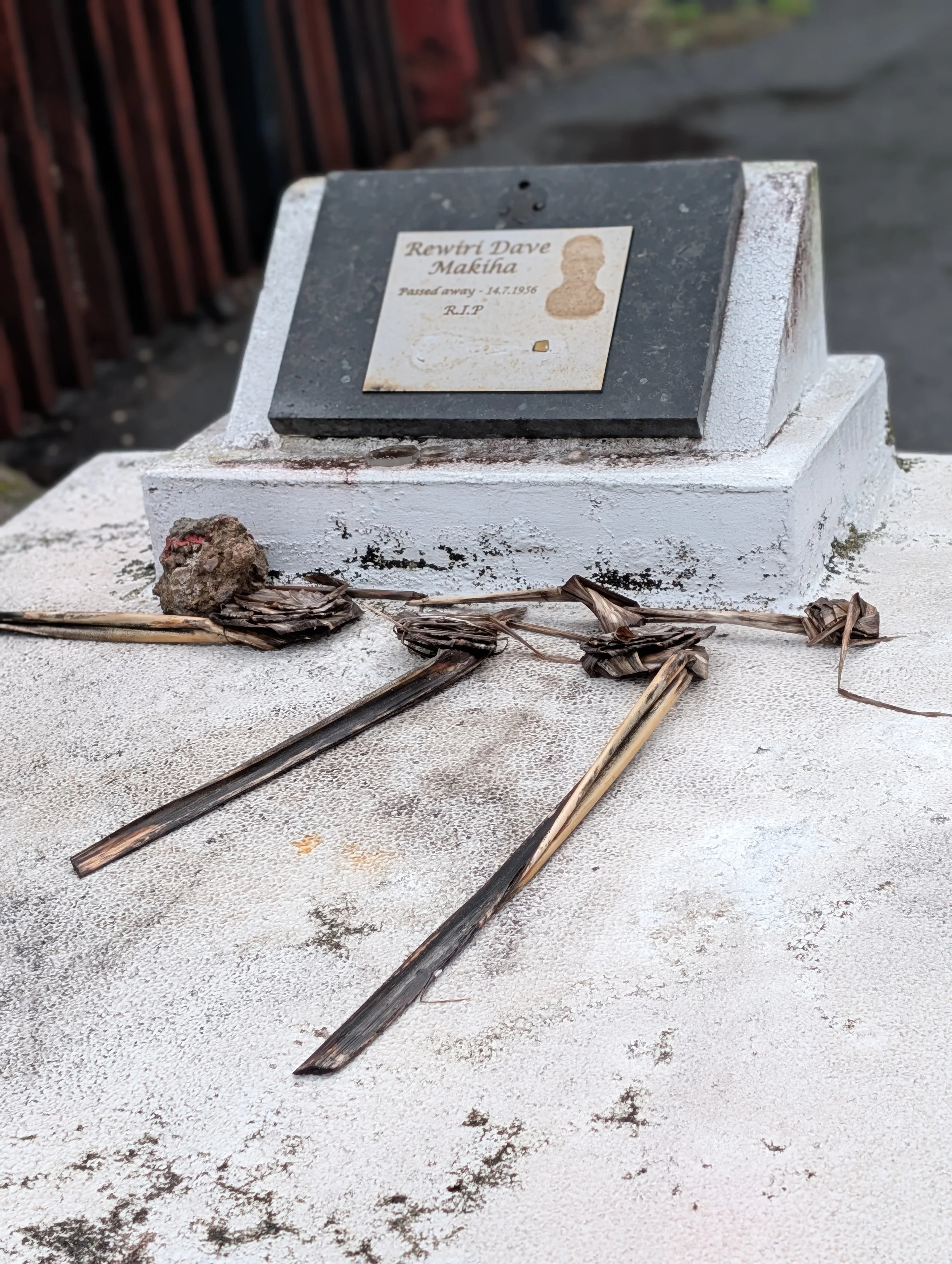
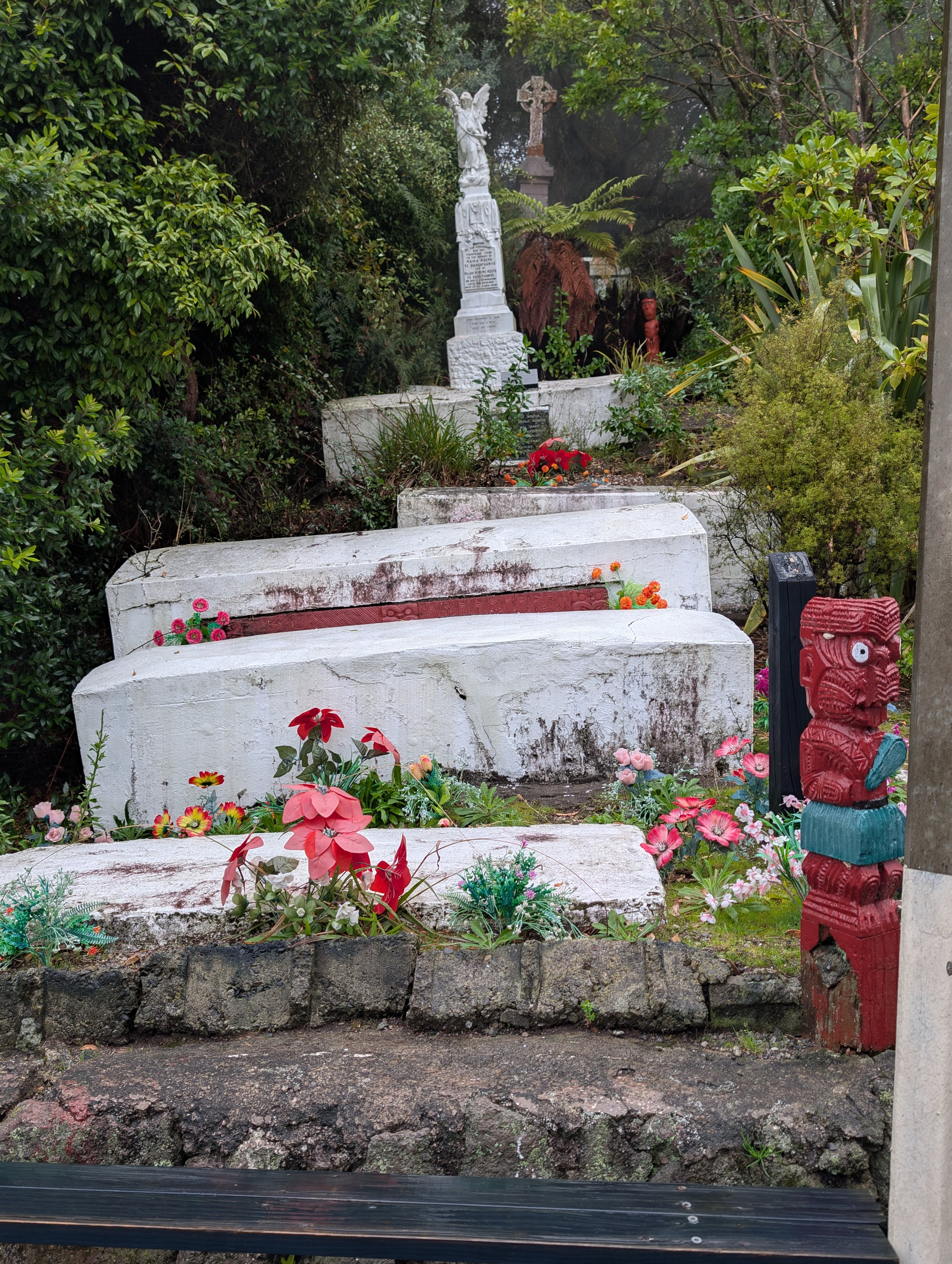
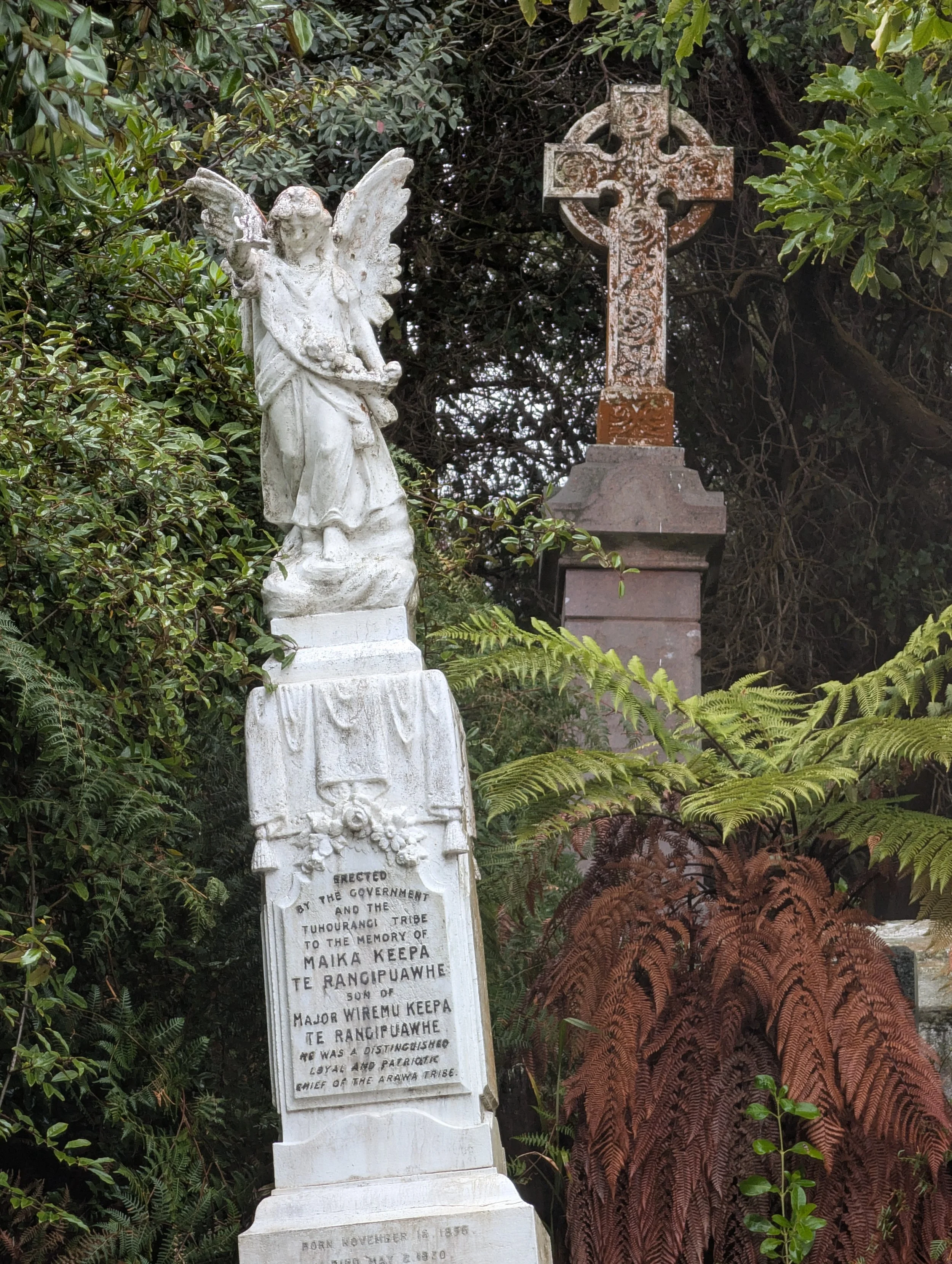
The cemetery next to the church:
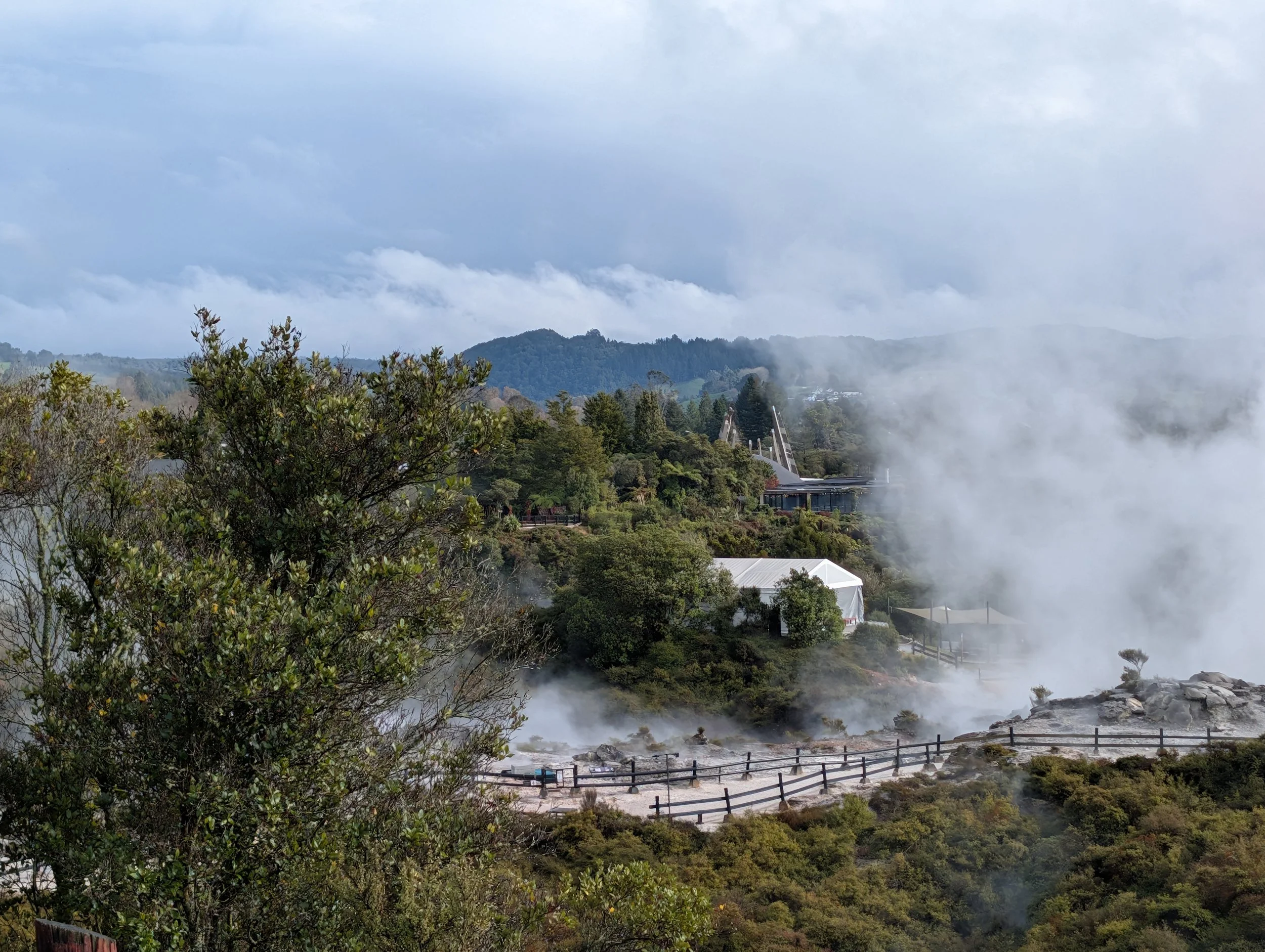
The geysers:
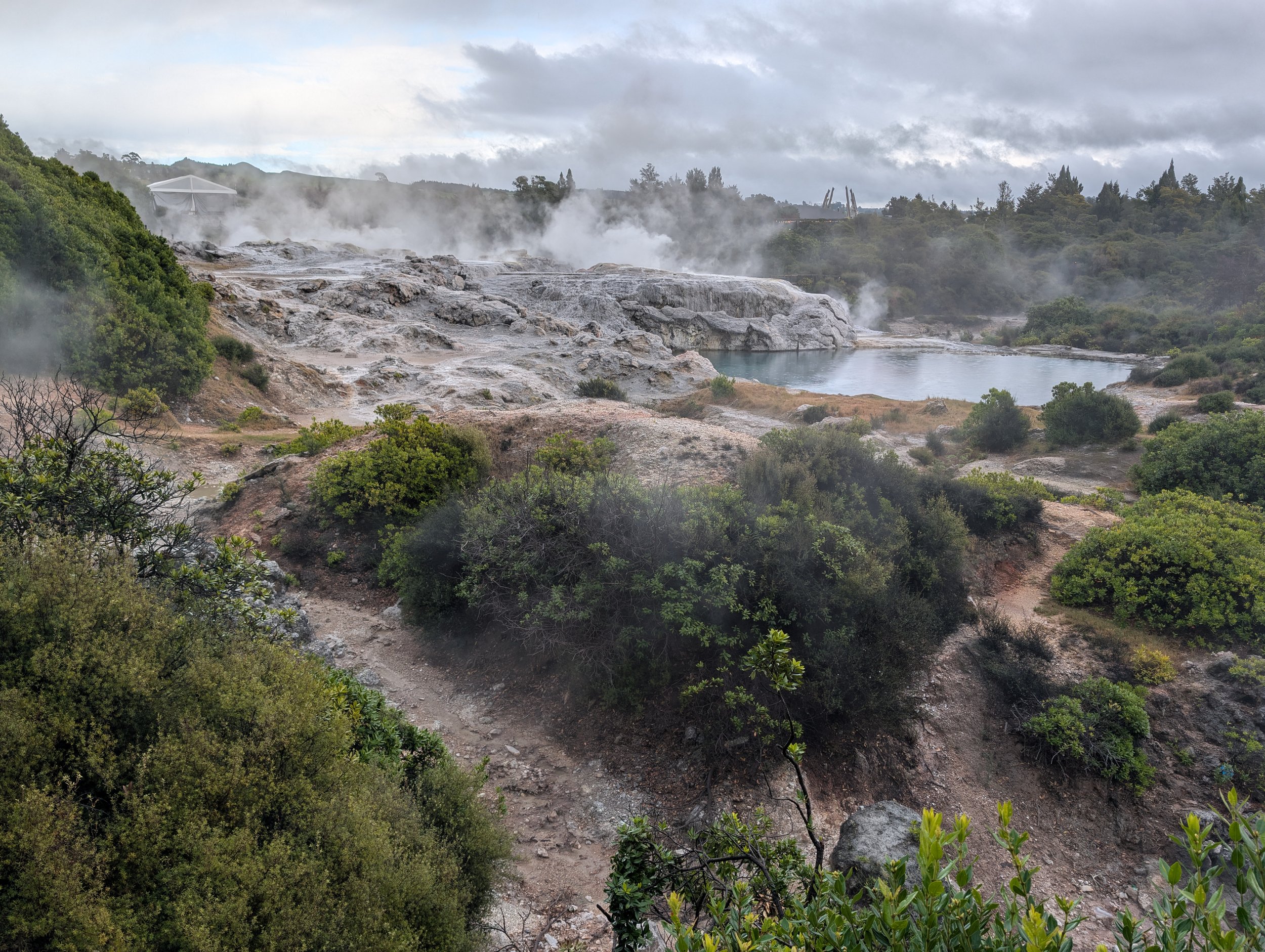
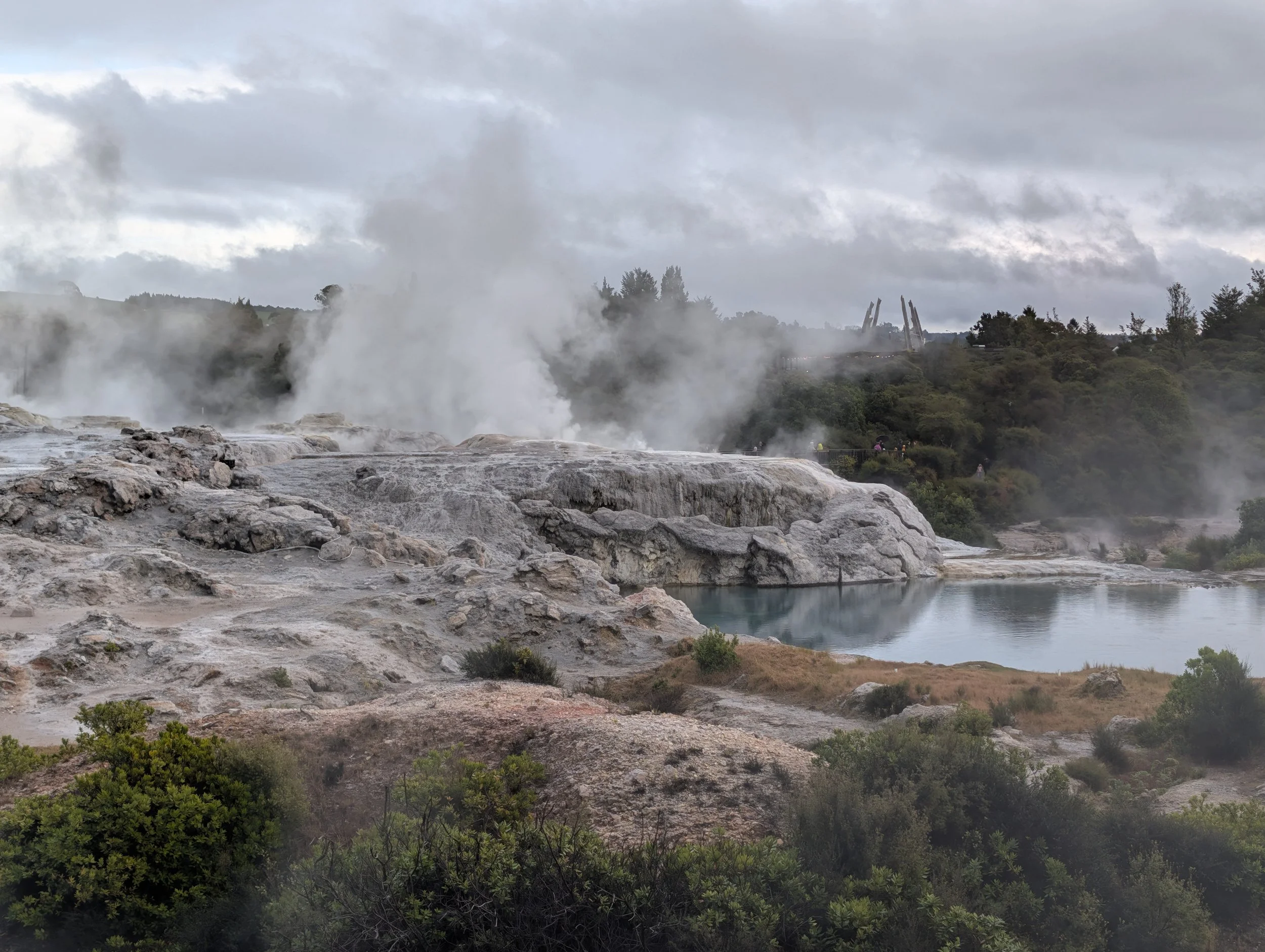
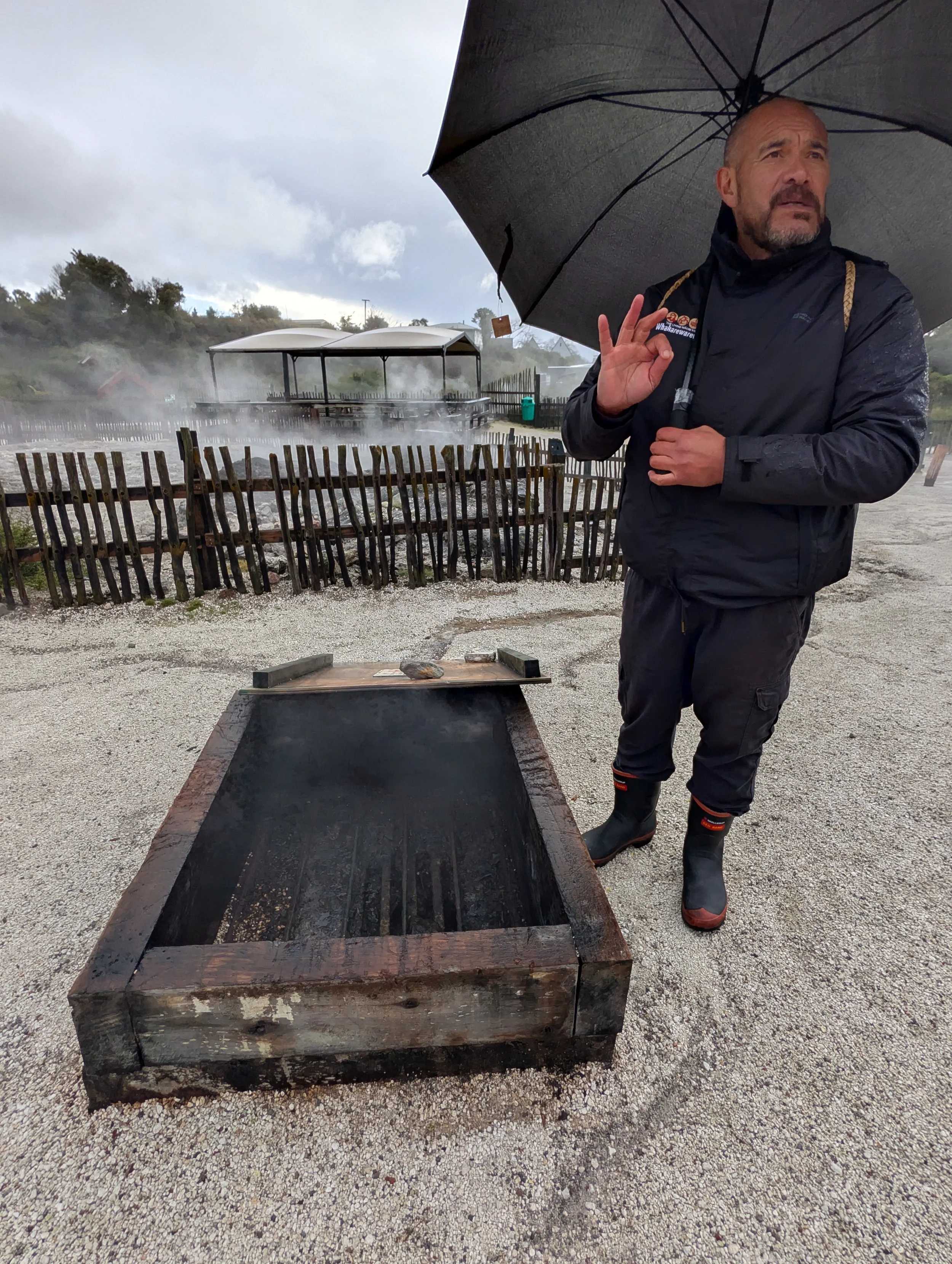
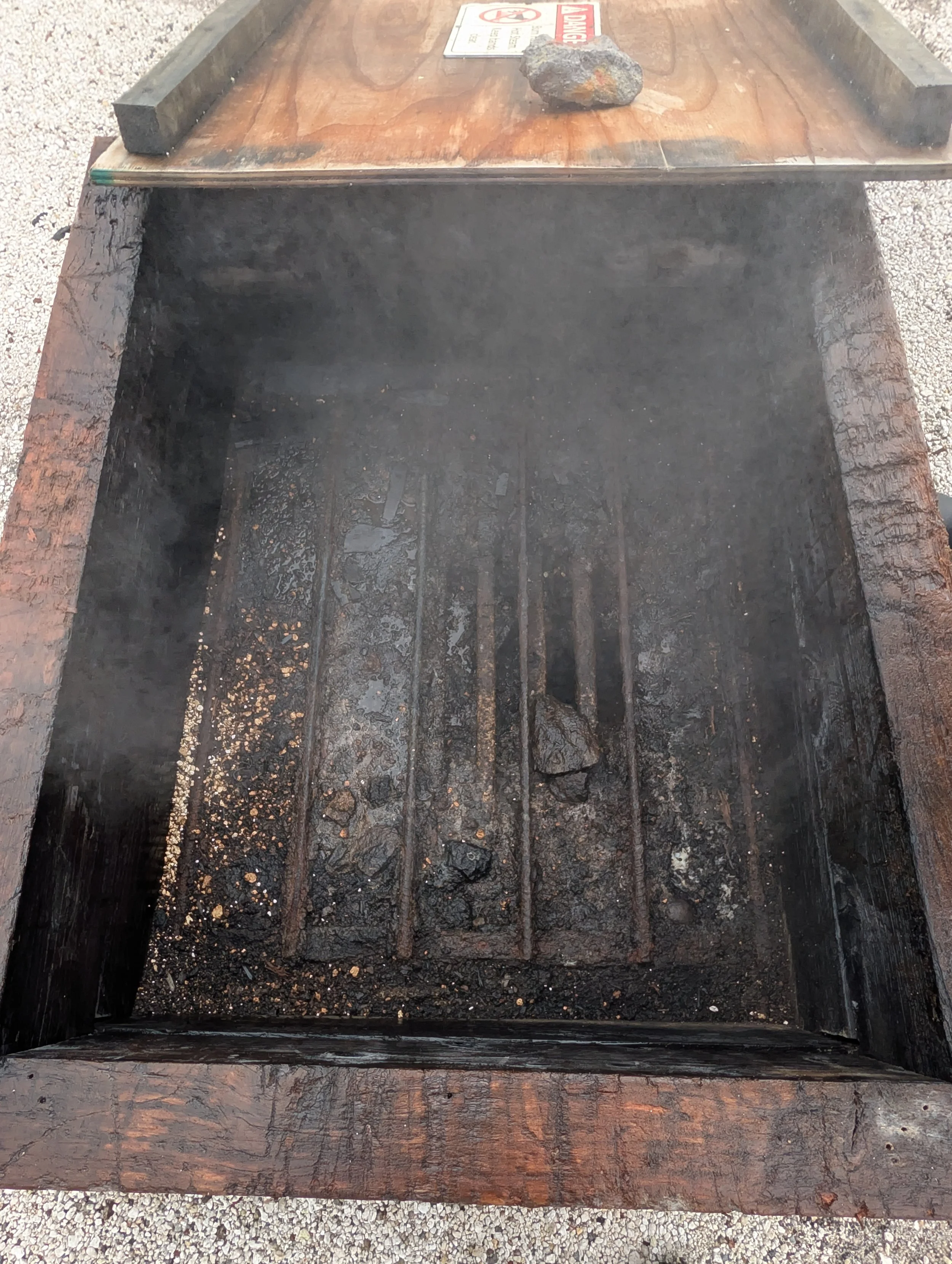
They cook outside in “ovens” in the ground which use heat from geothermal steam to cook food.
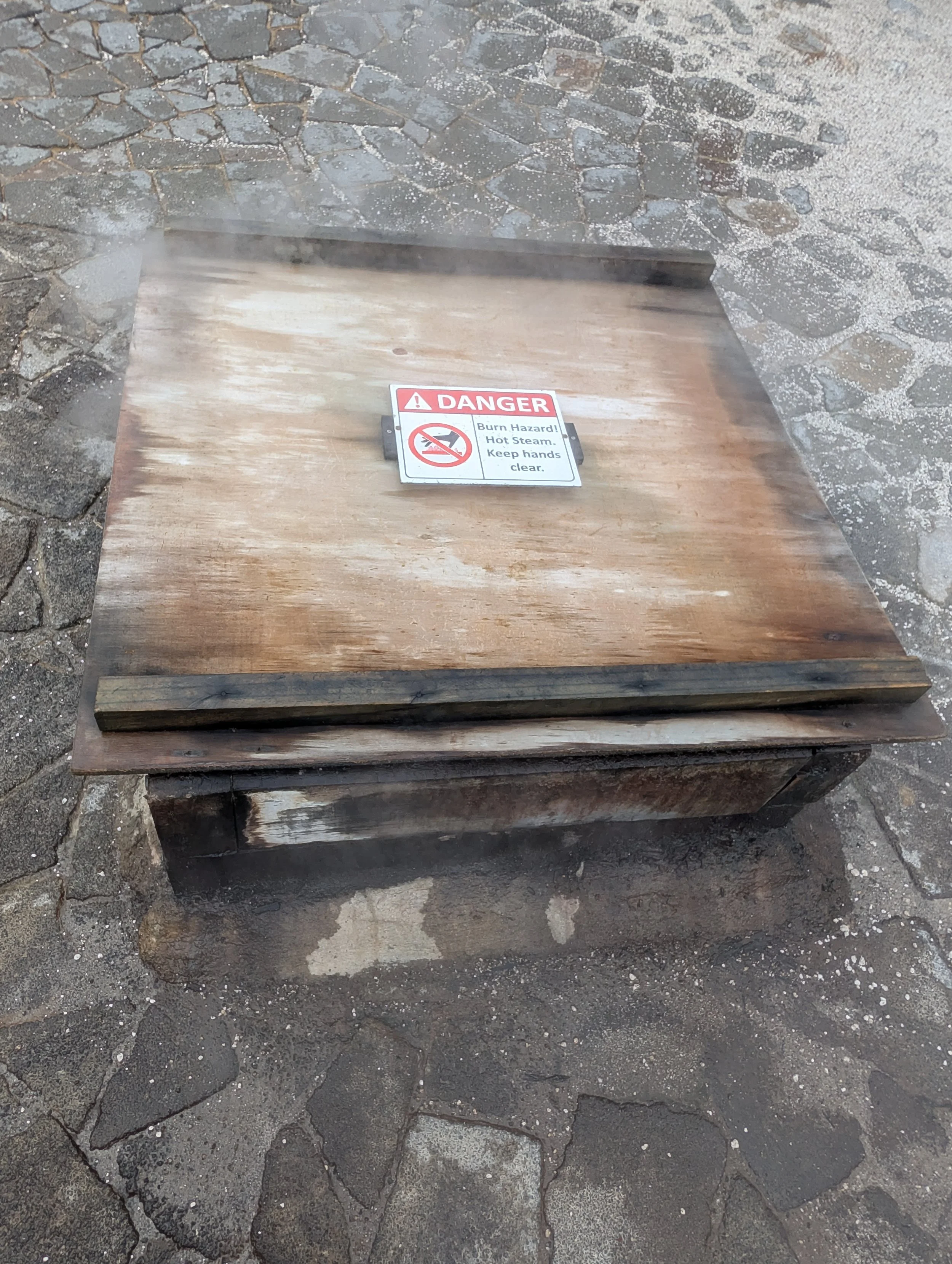
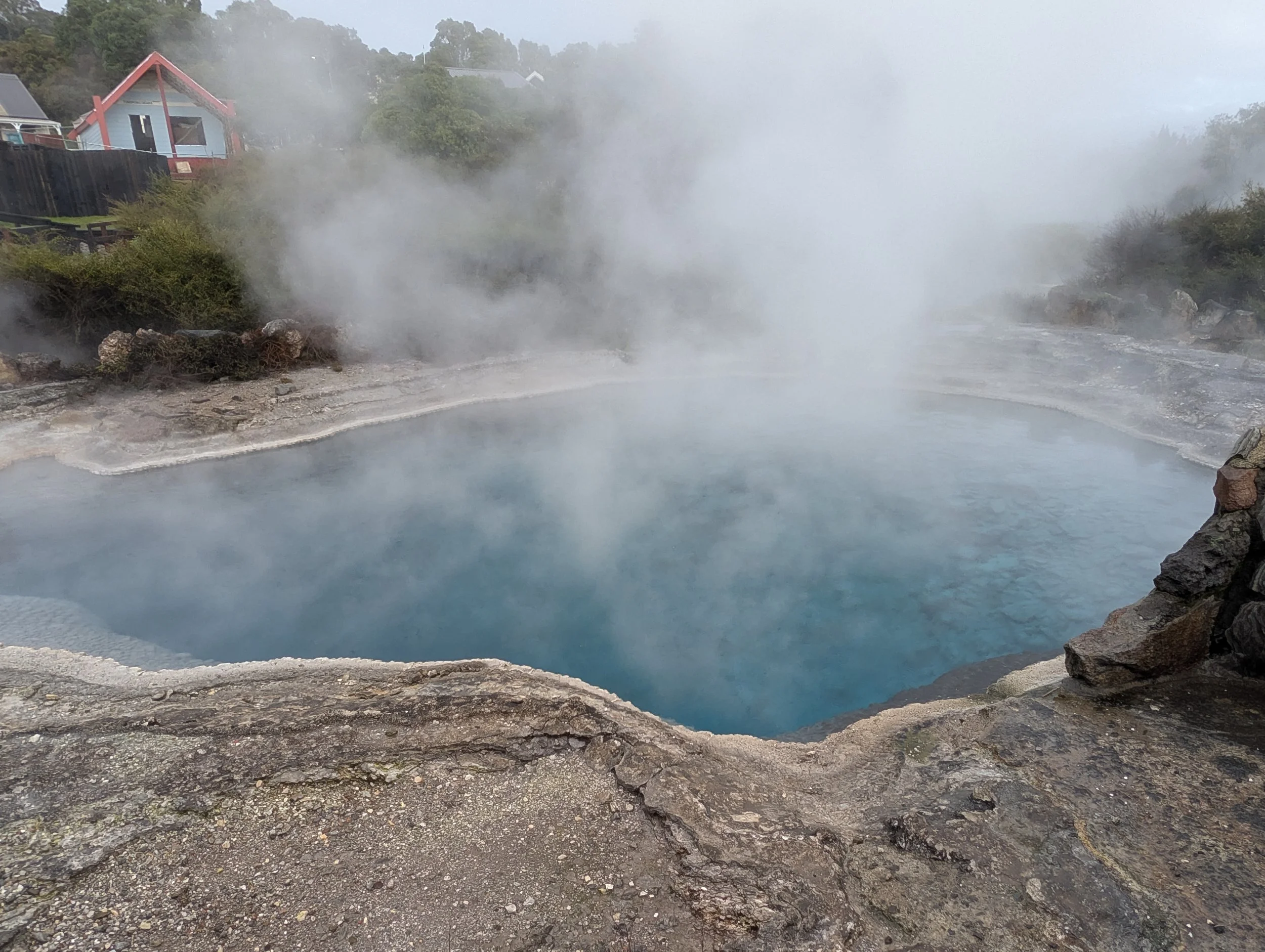
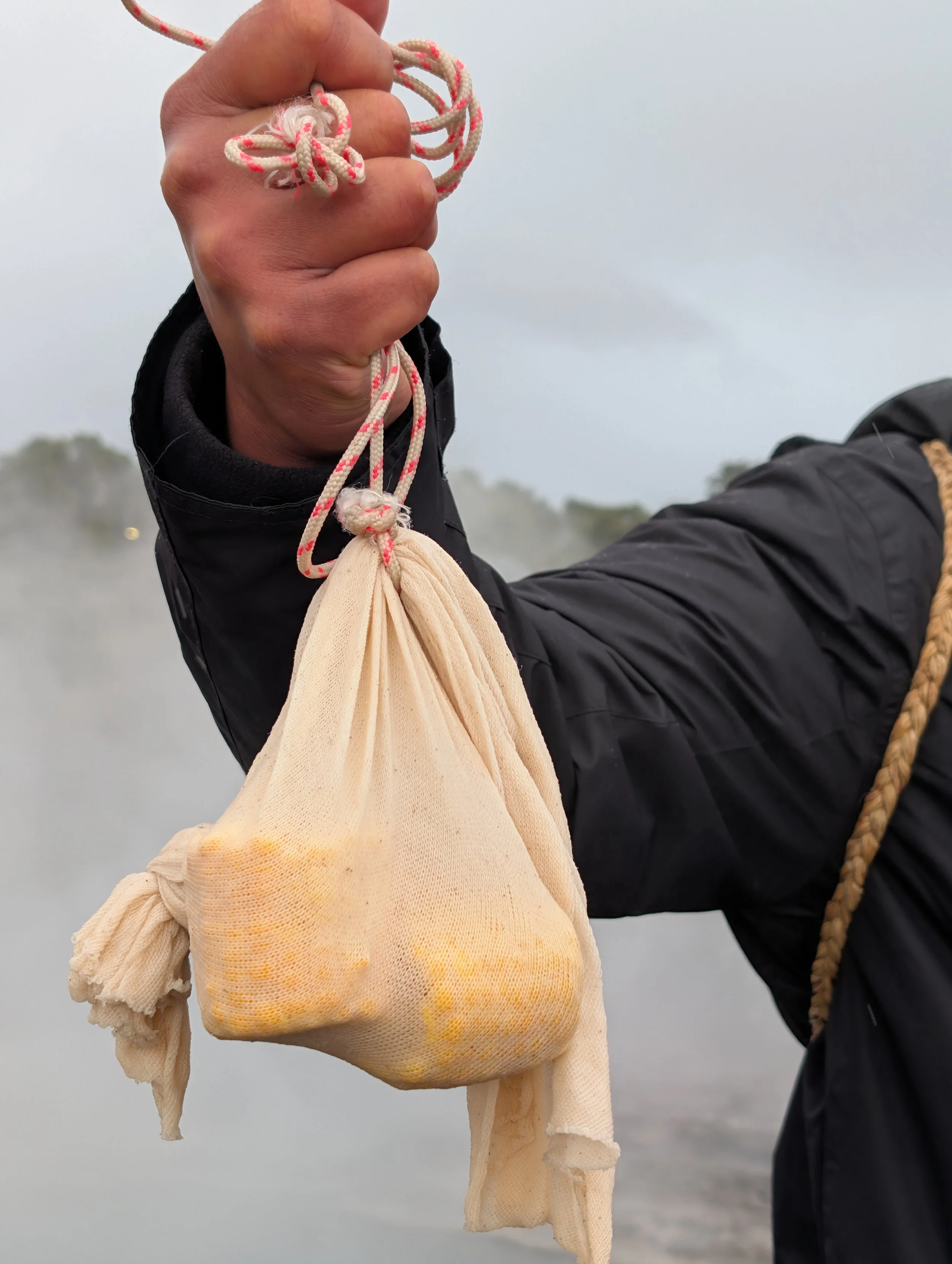
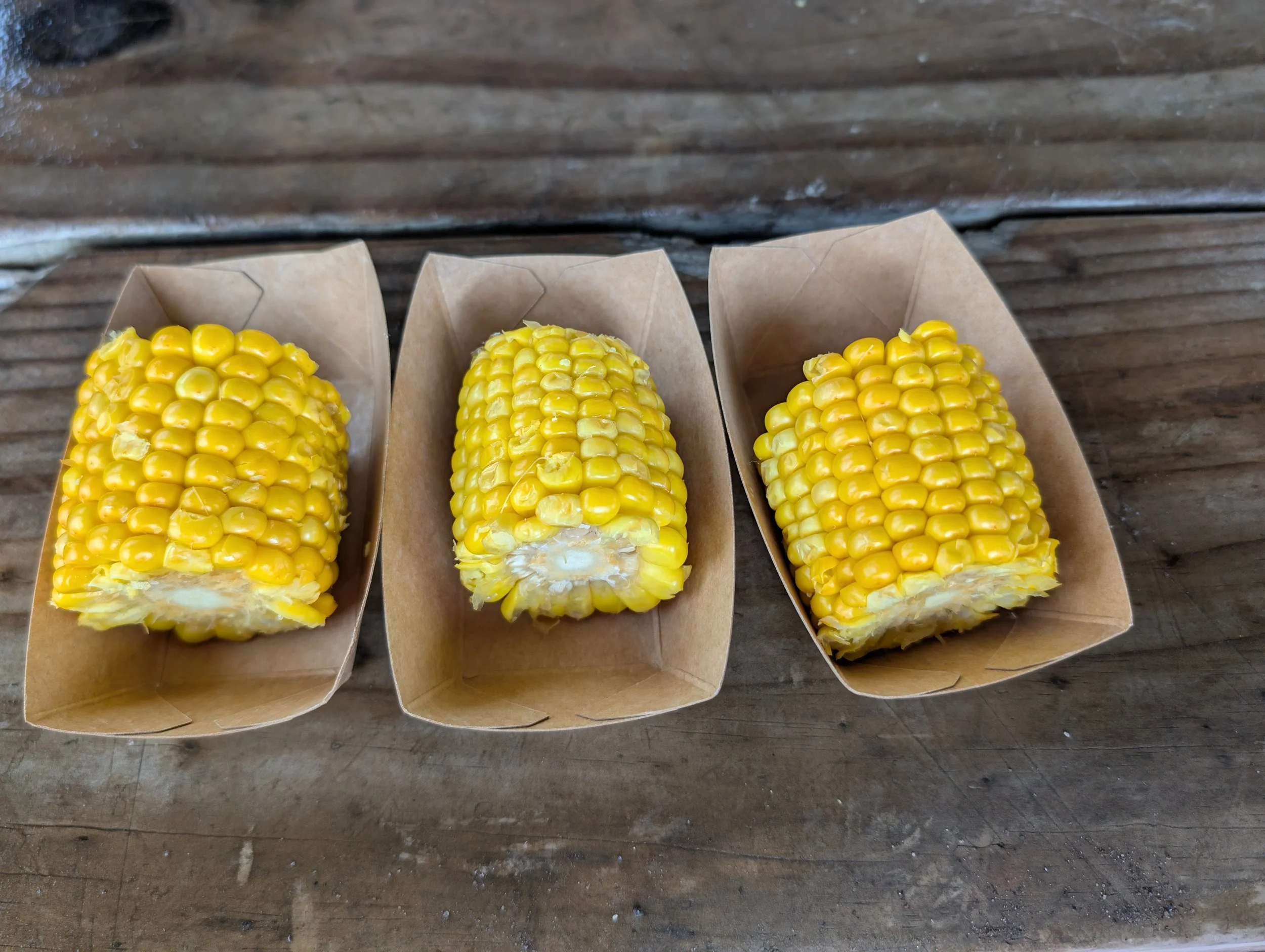
The water in this natural pool is around 200 degrees Farenheit. They put food in cheesecloth and plunge it into the water to cook it. We enjoyed corn on the cob cooked fresh!
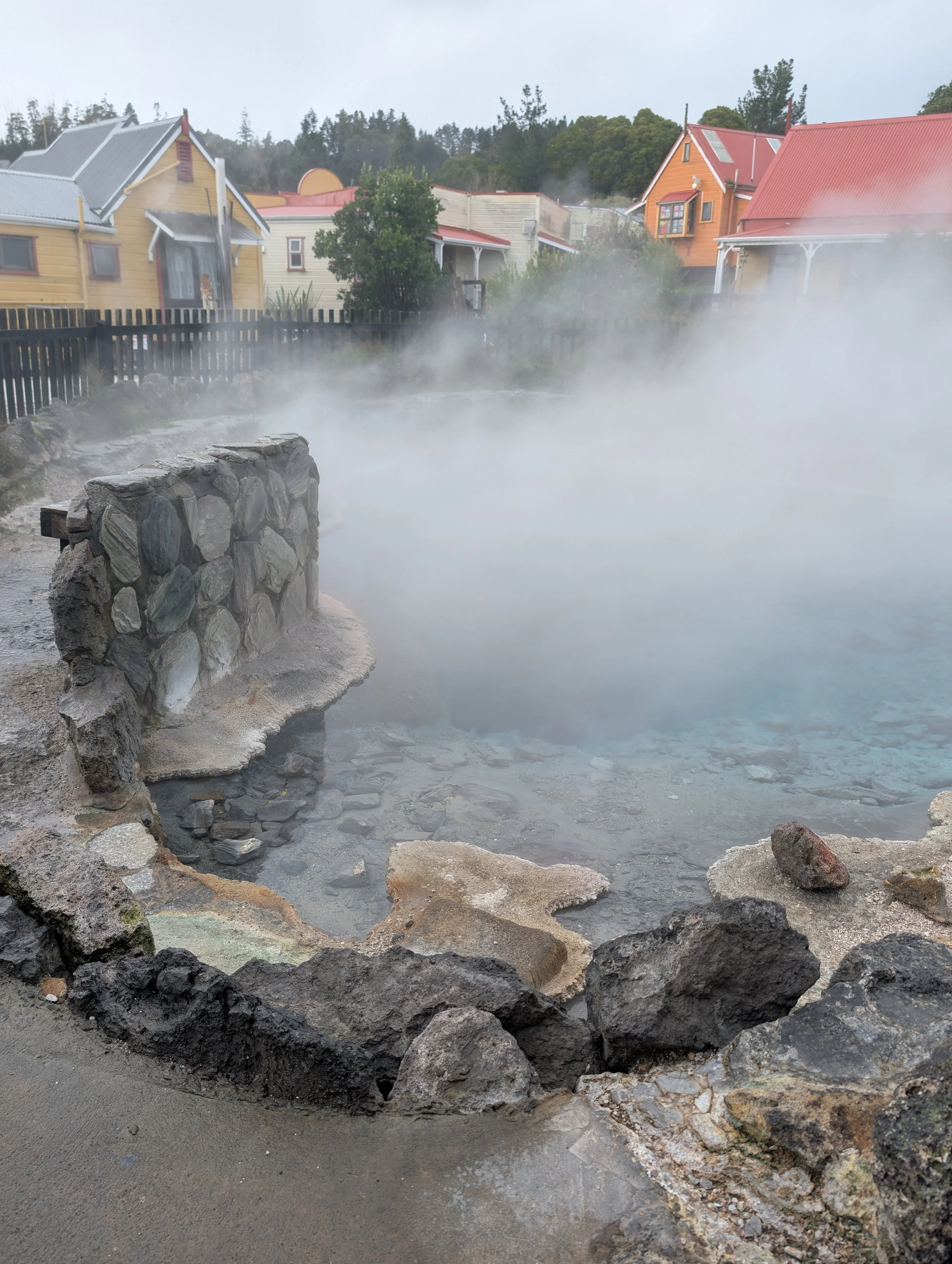
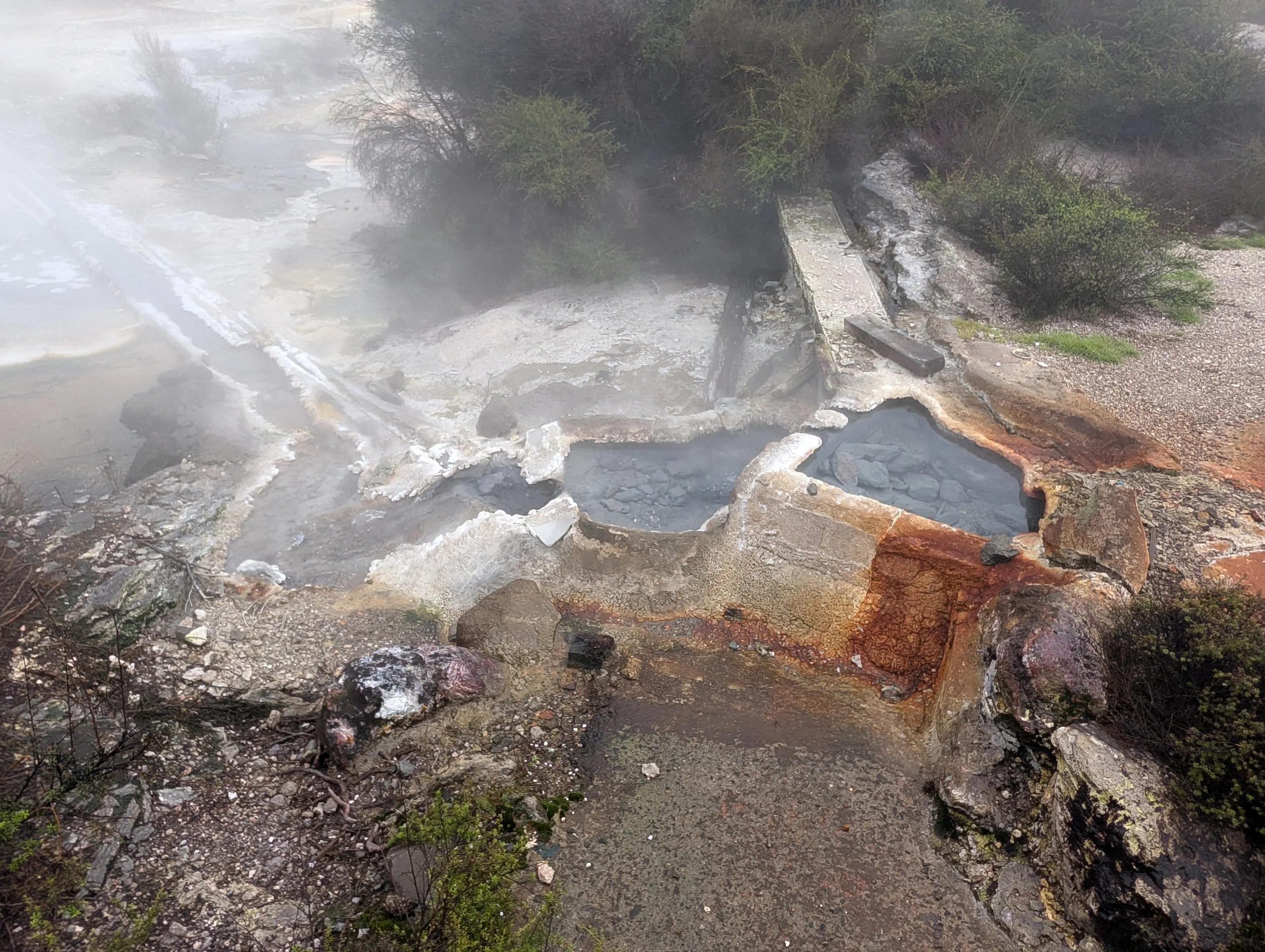
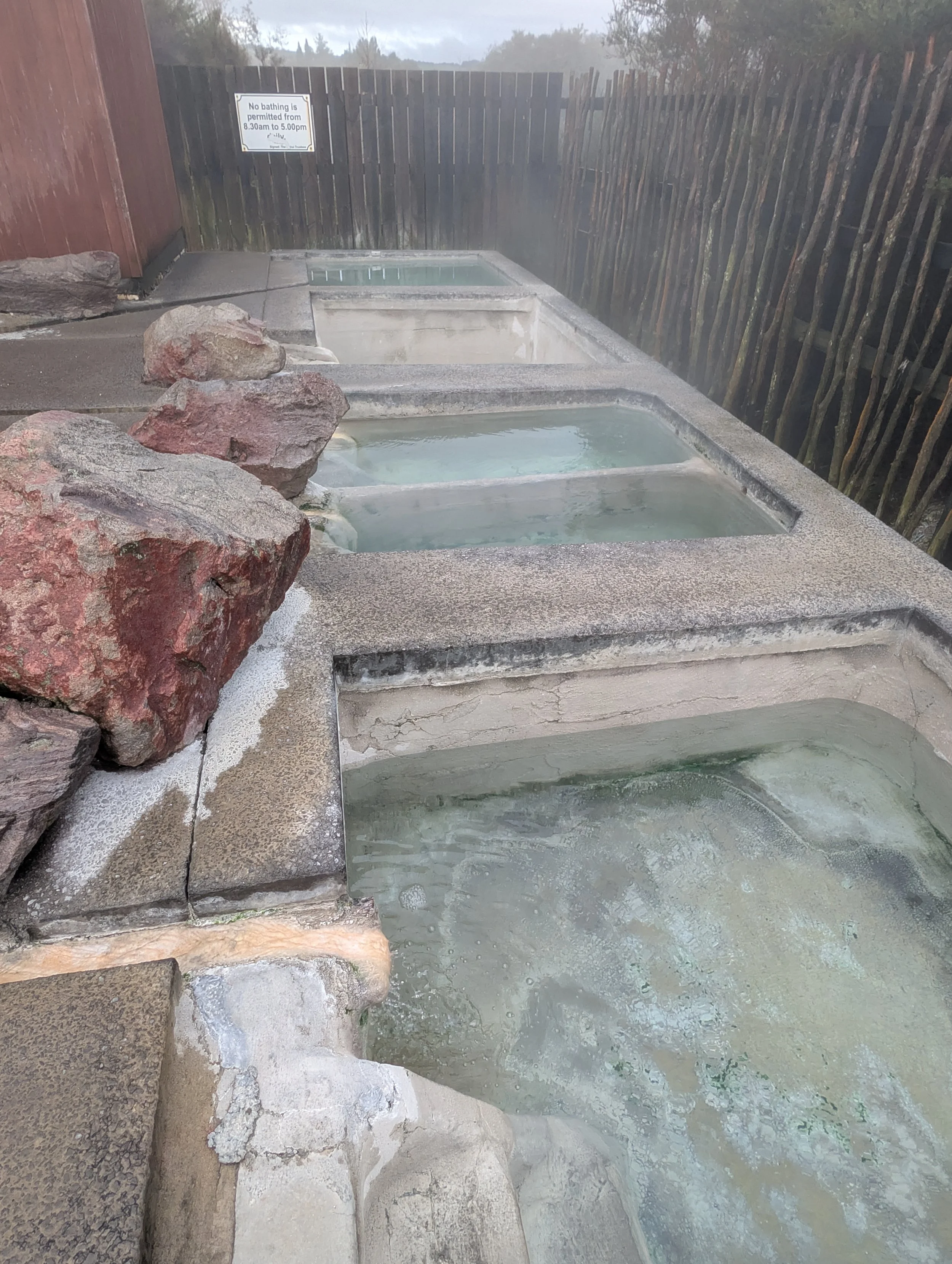
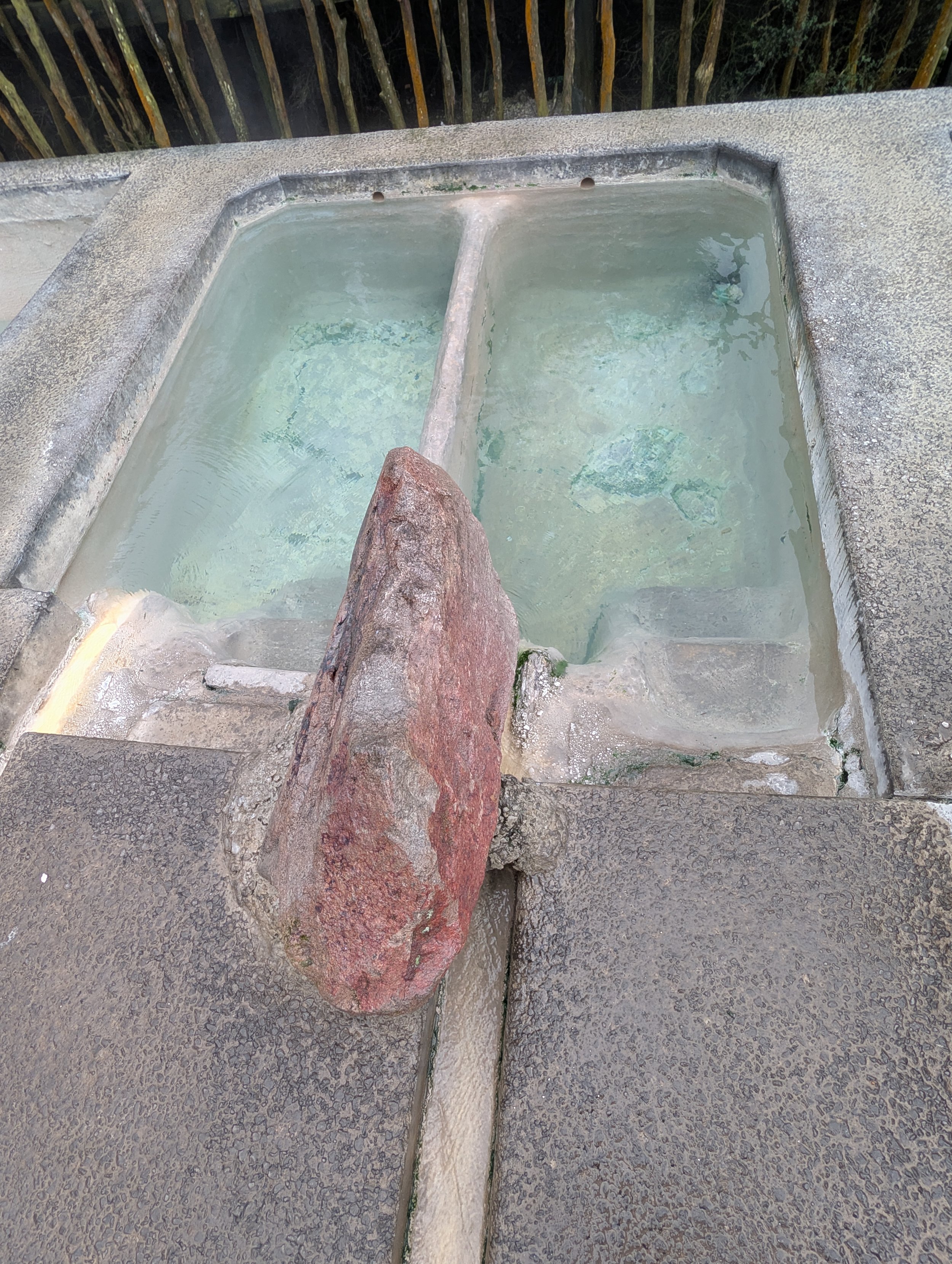
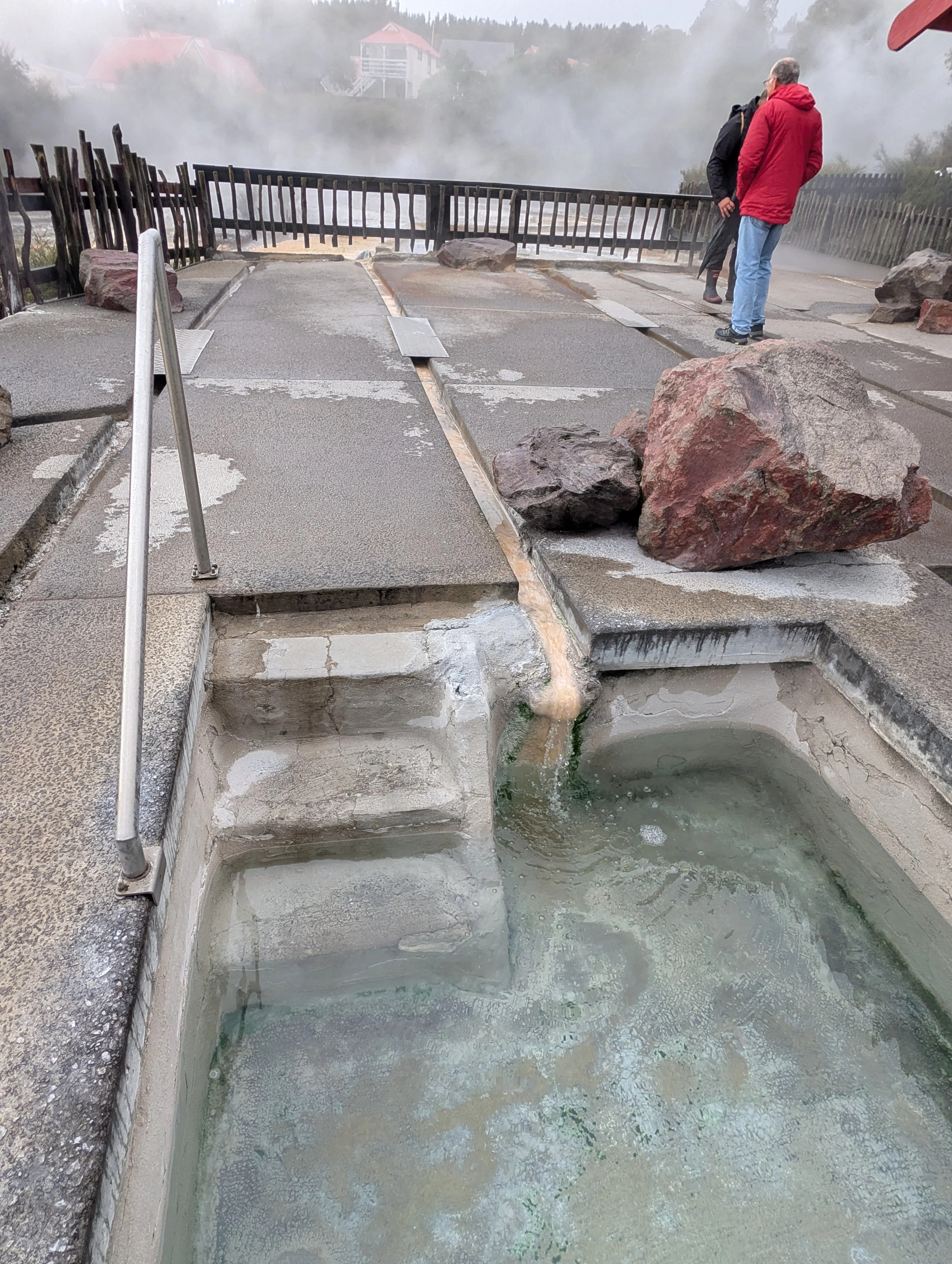
The water from the 200 degree pool then flows down to small public “plunge” baths. By the time it has traveled to the baths it has cooled enough to be the just right temperature for a warm bath!
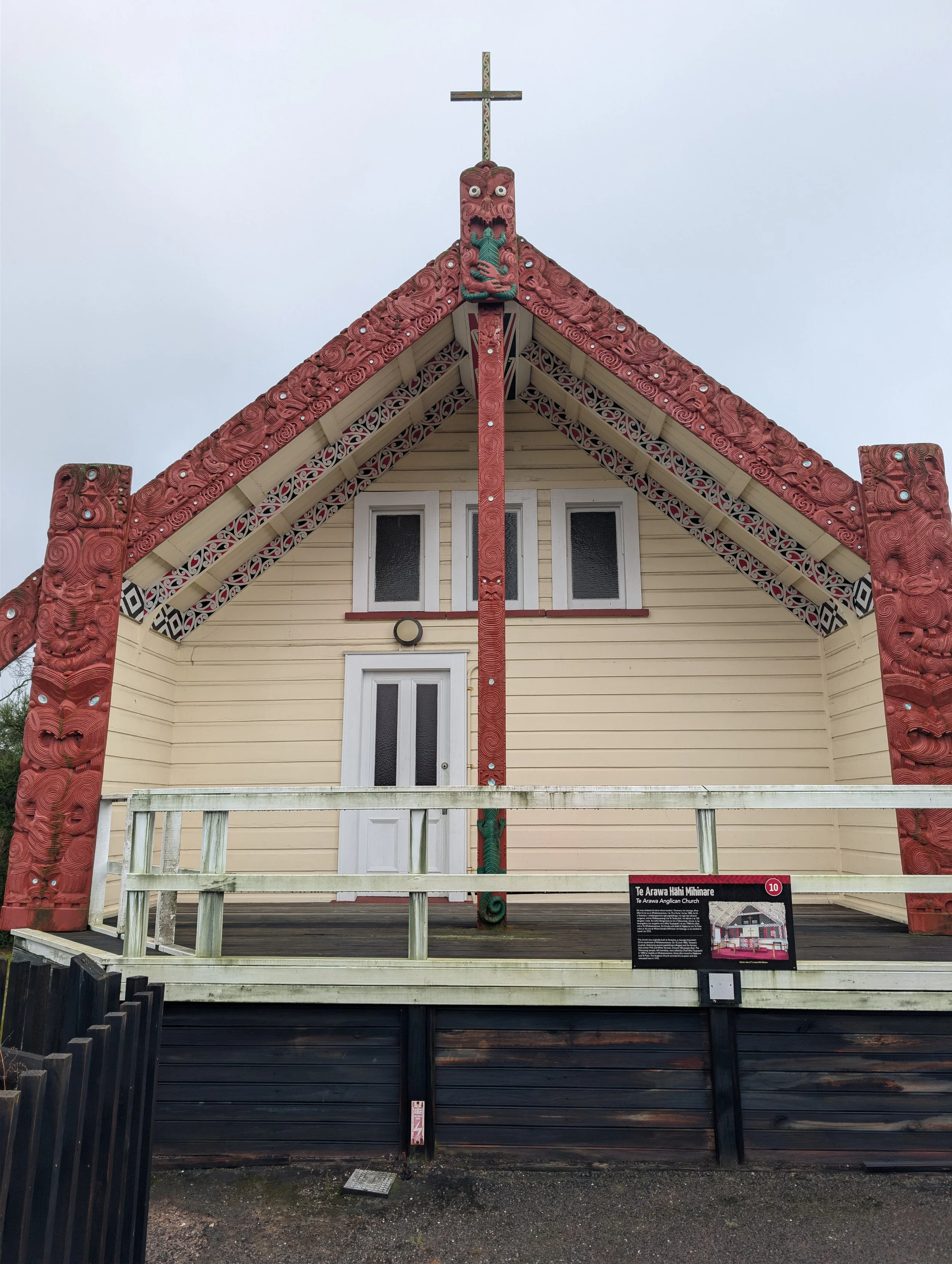
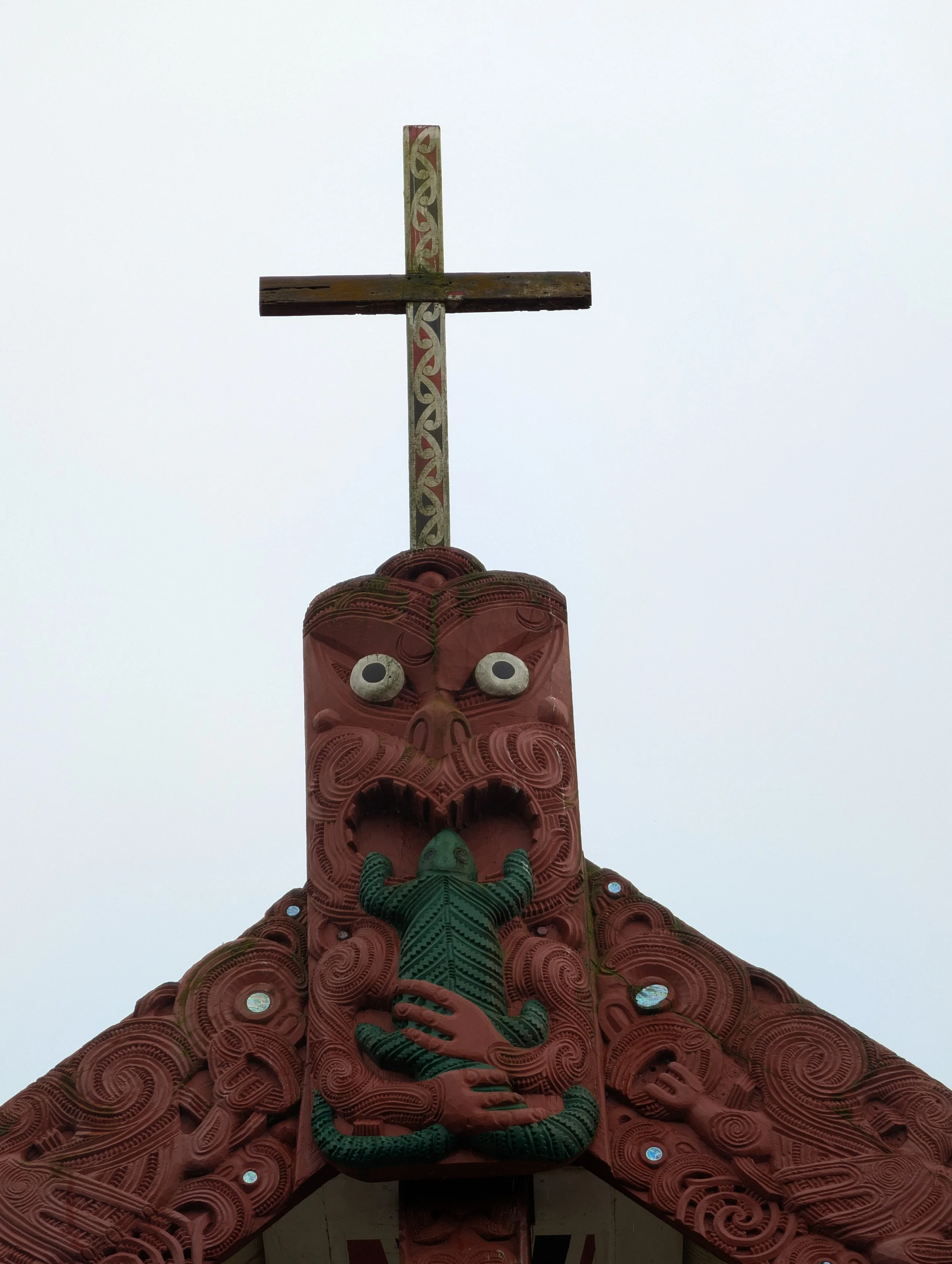
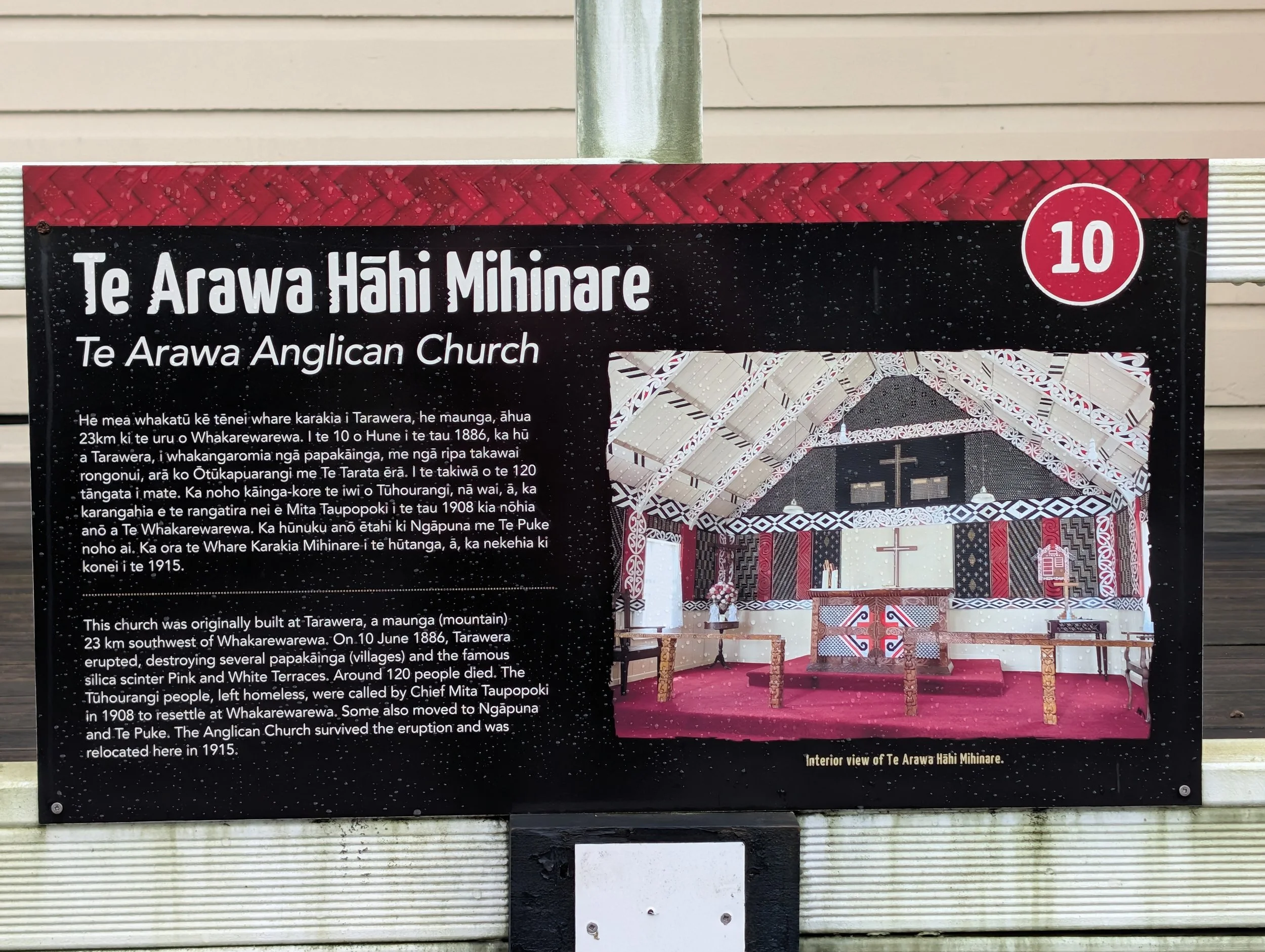
The Anglican Church
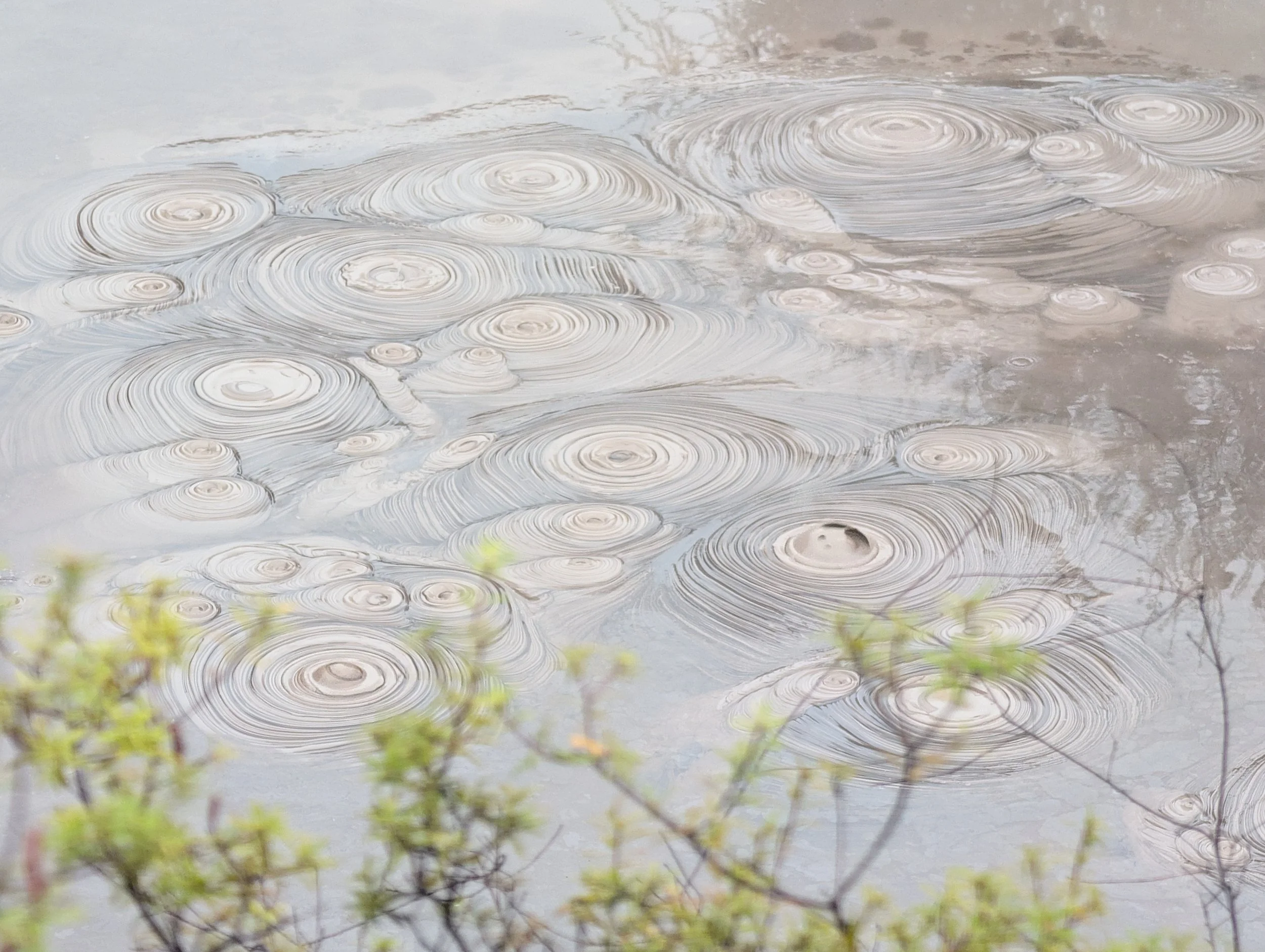
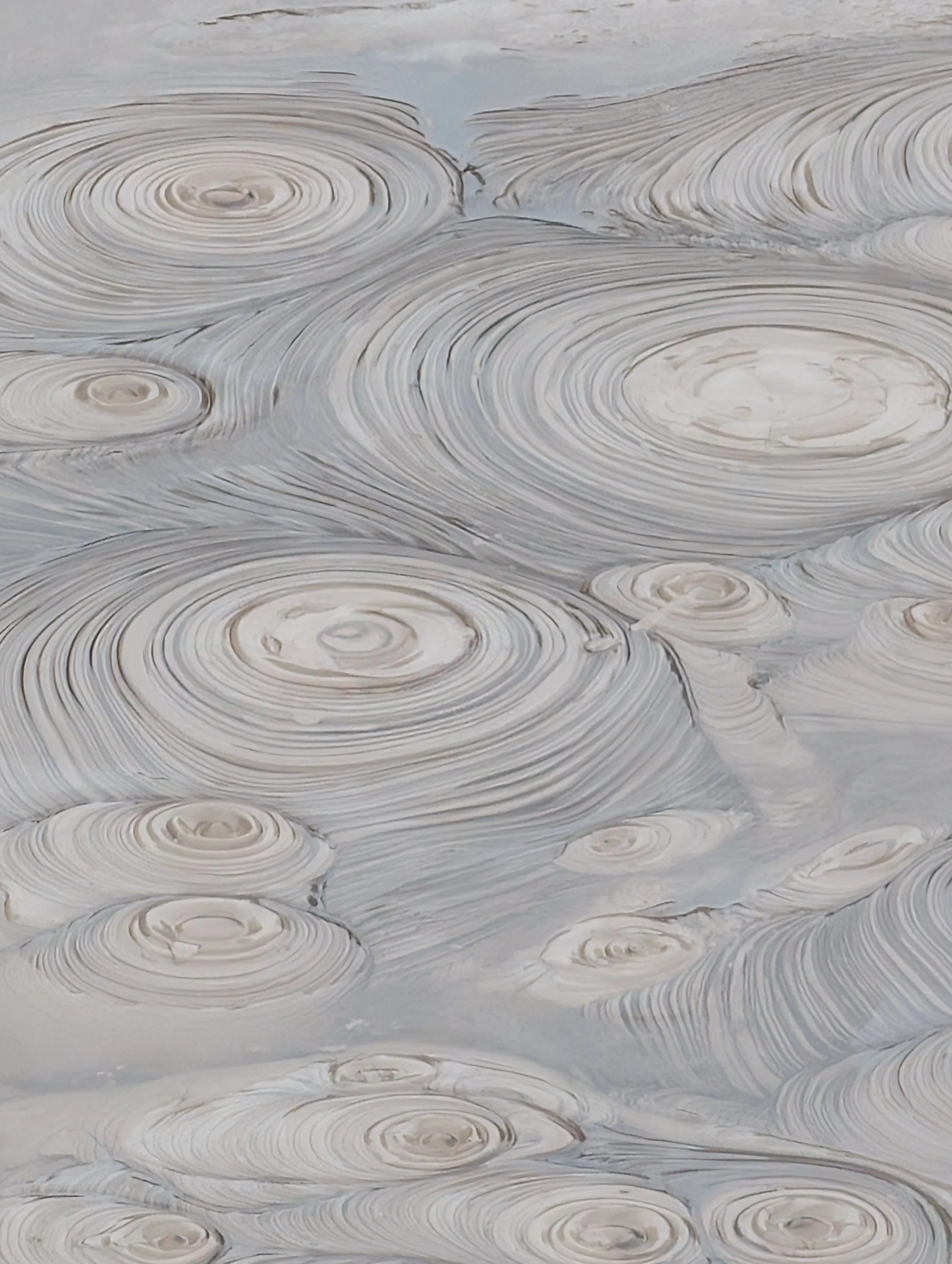
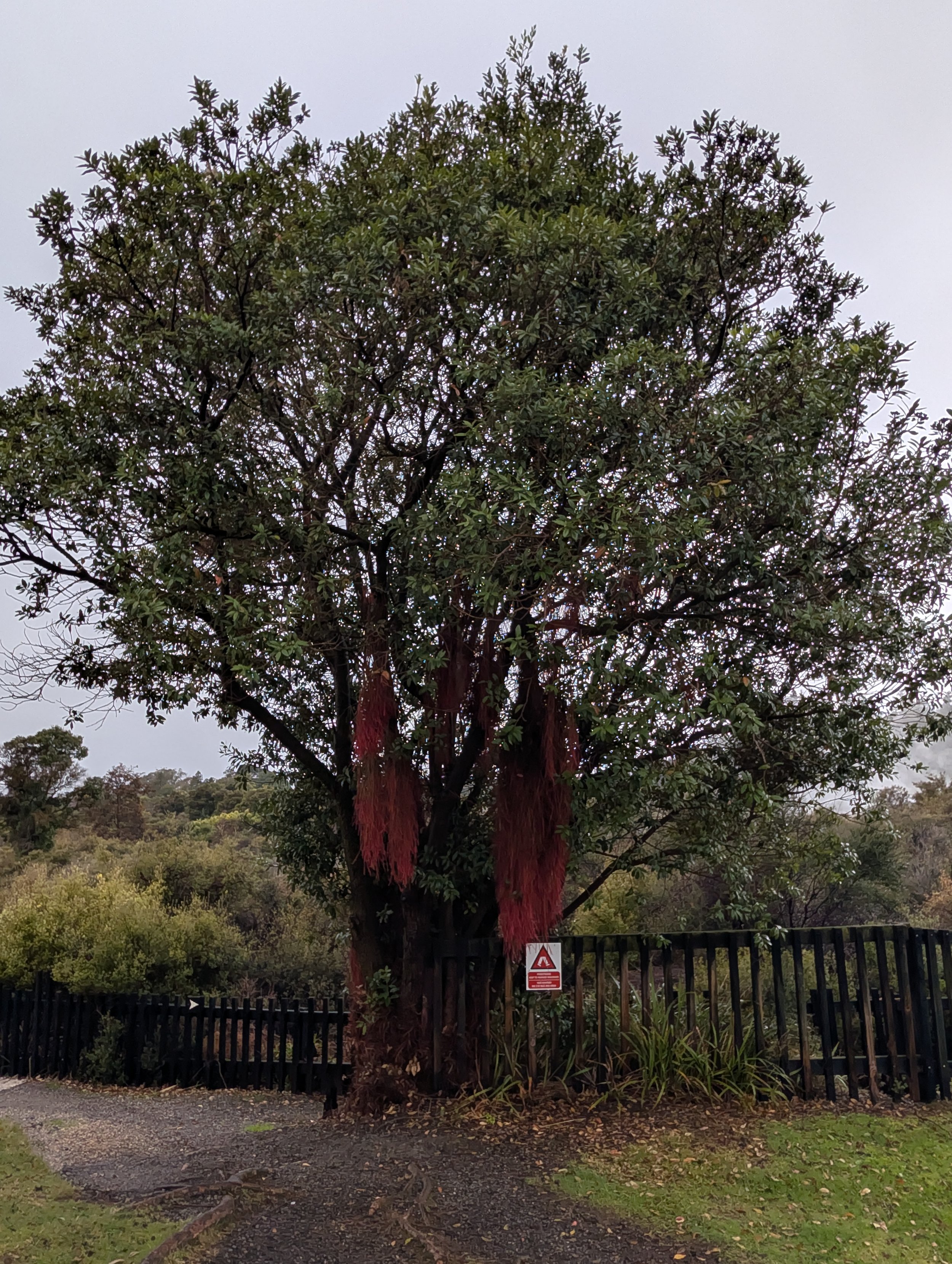
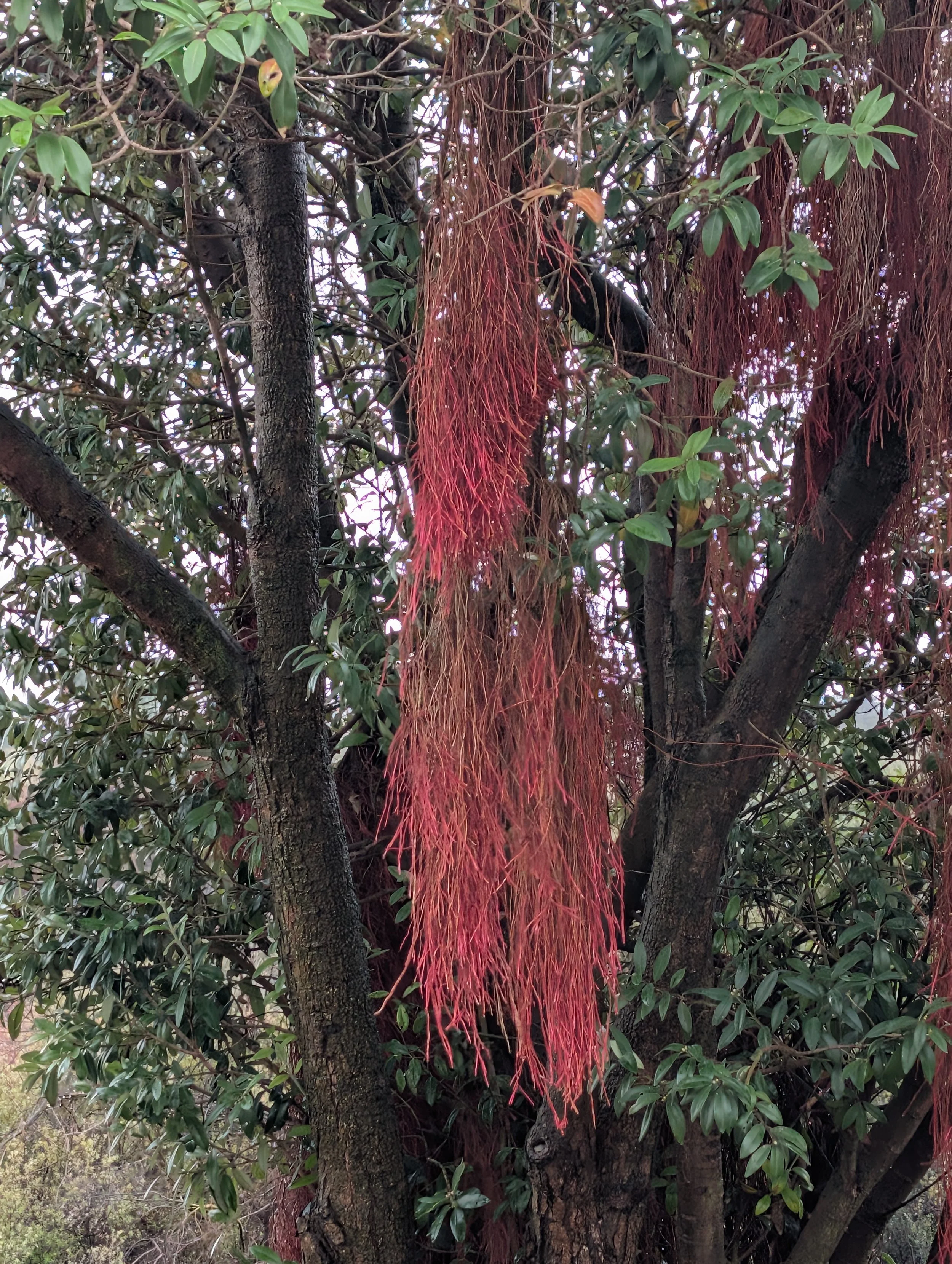
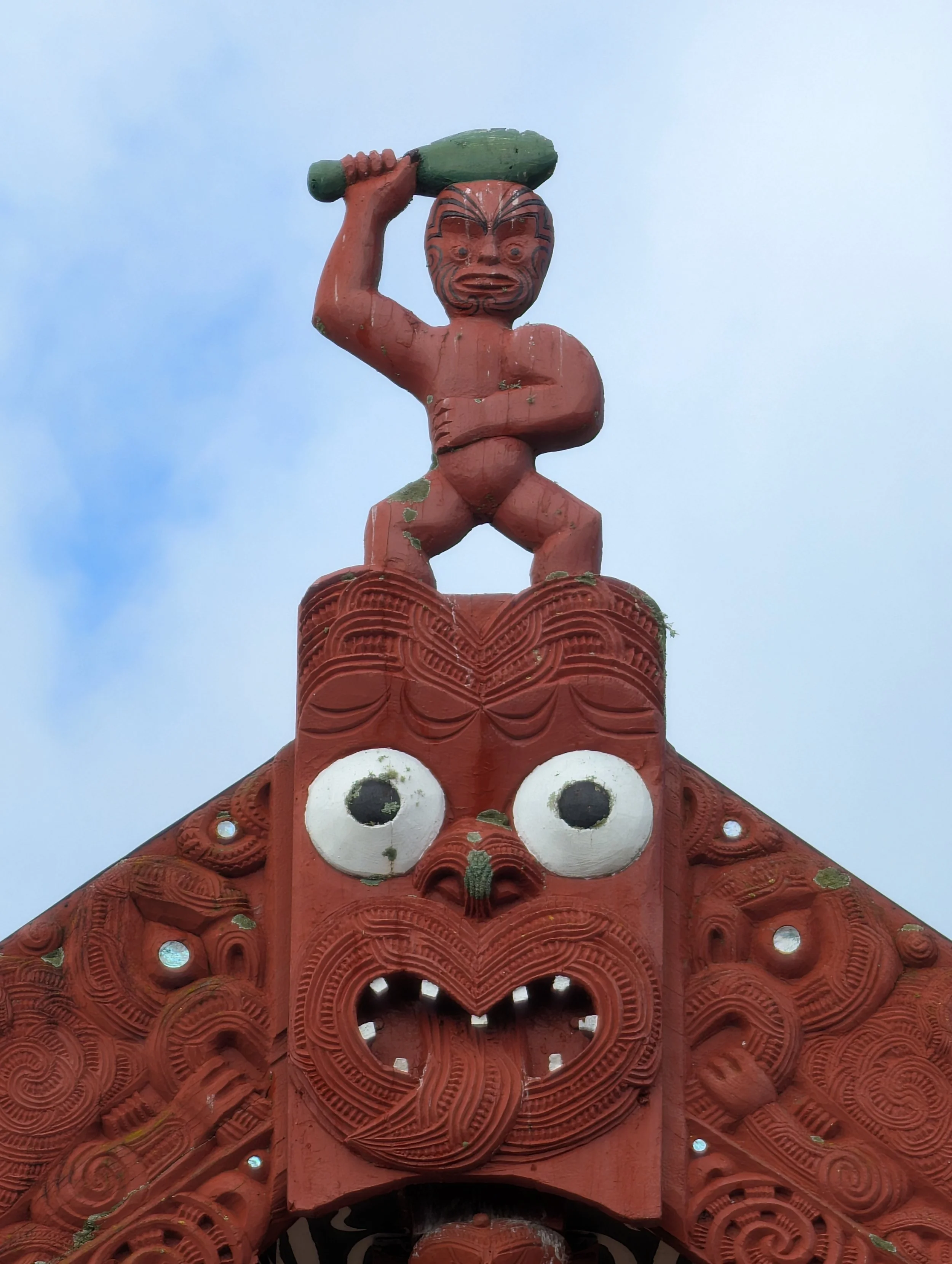
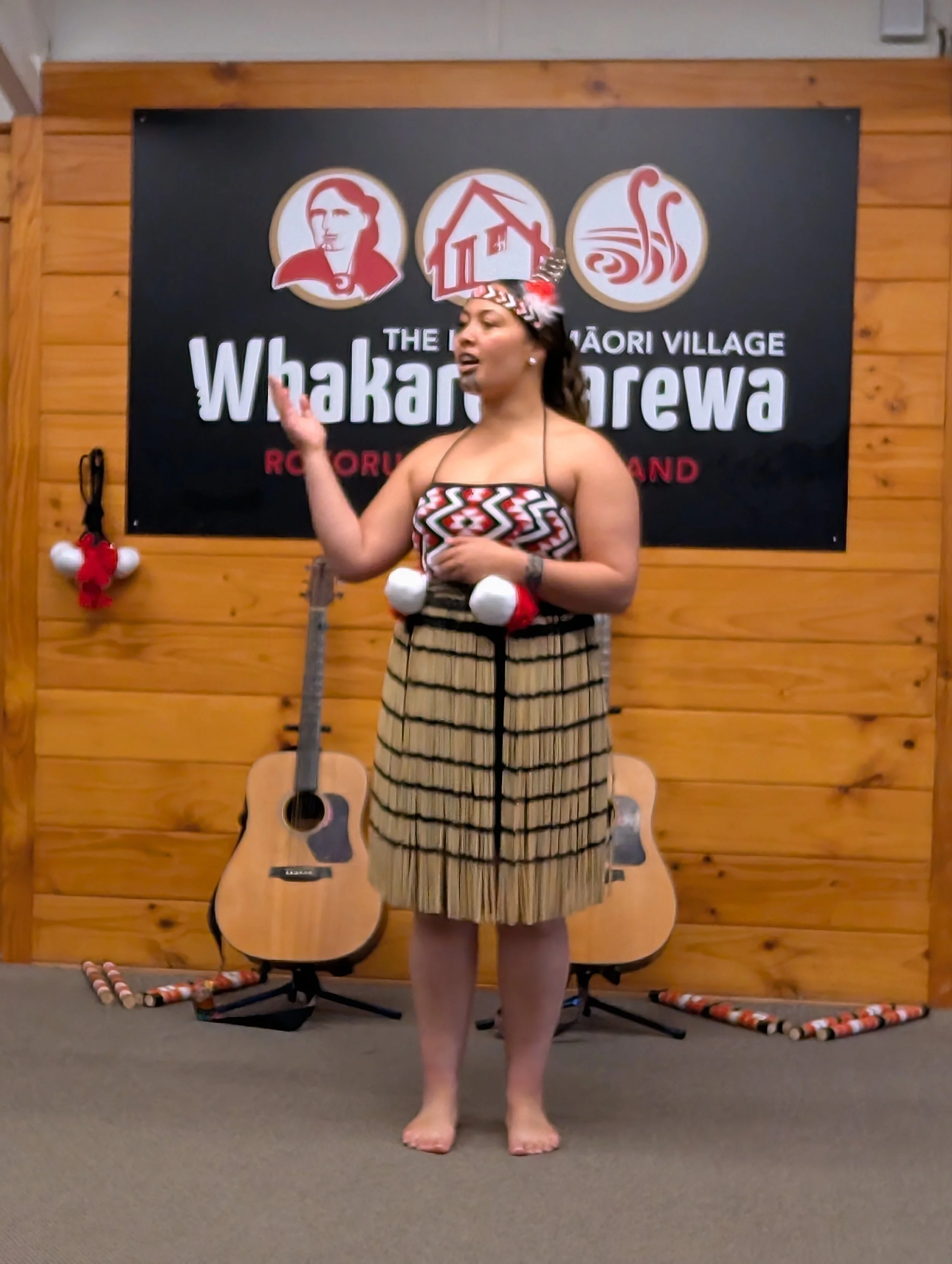
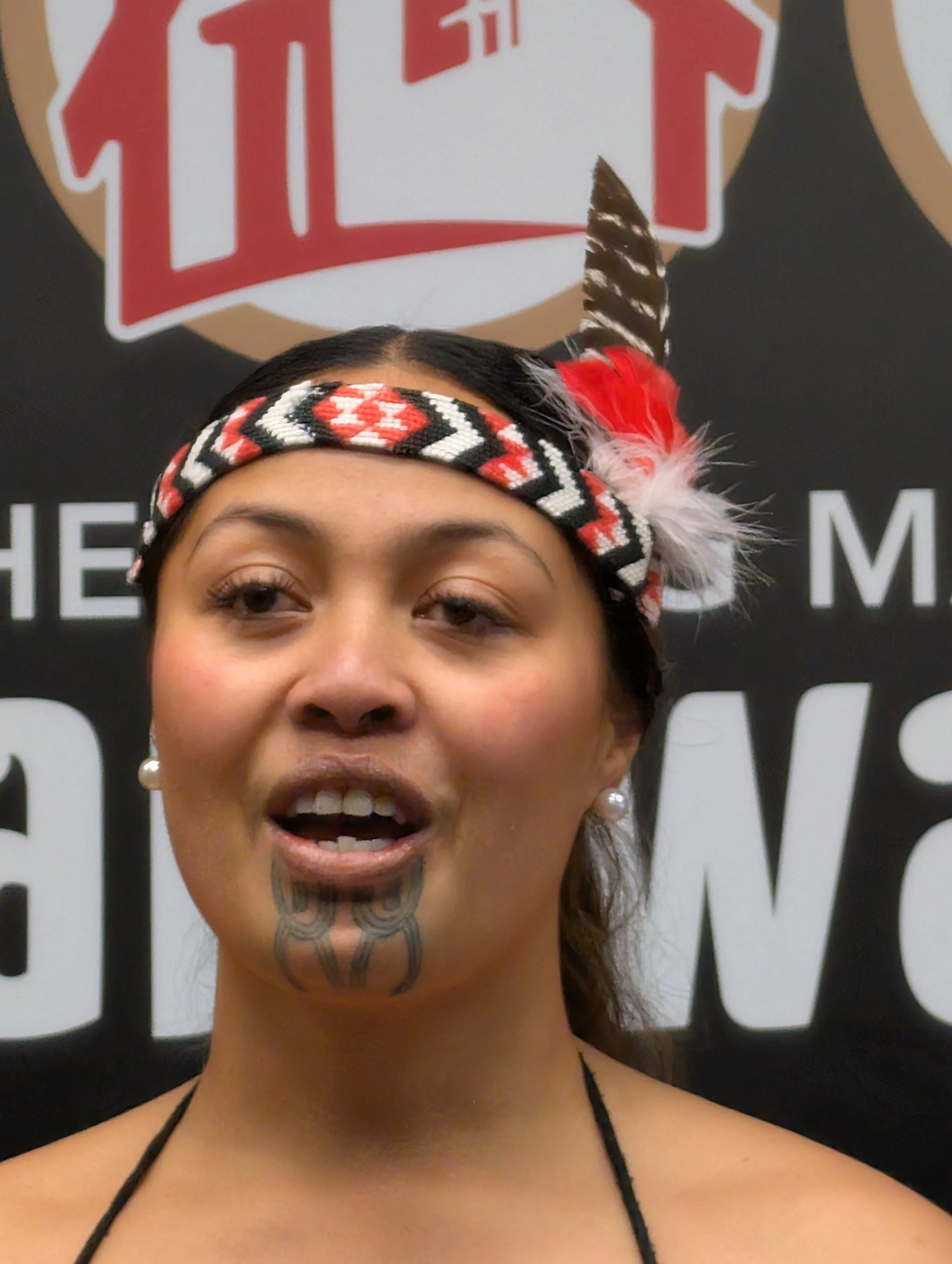
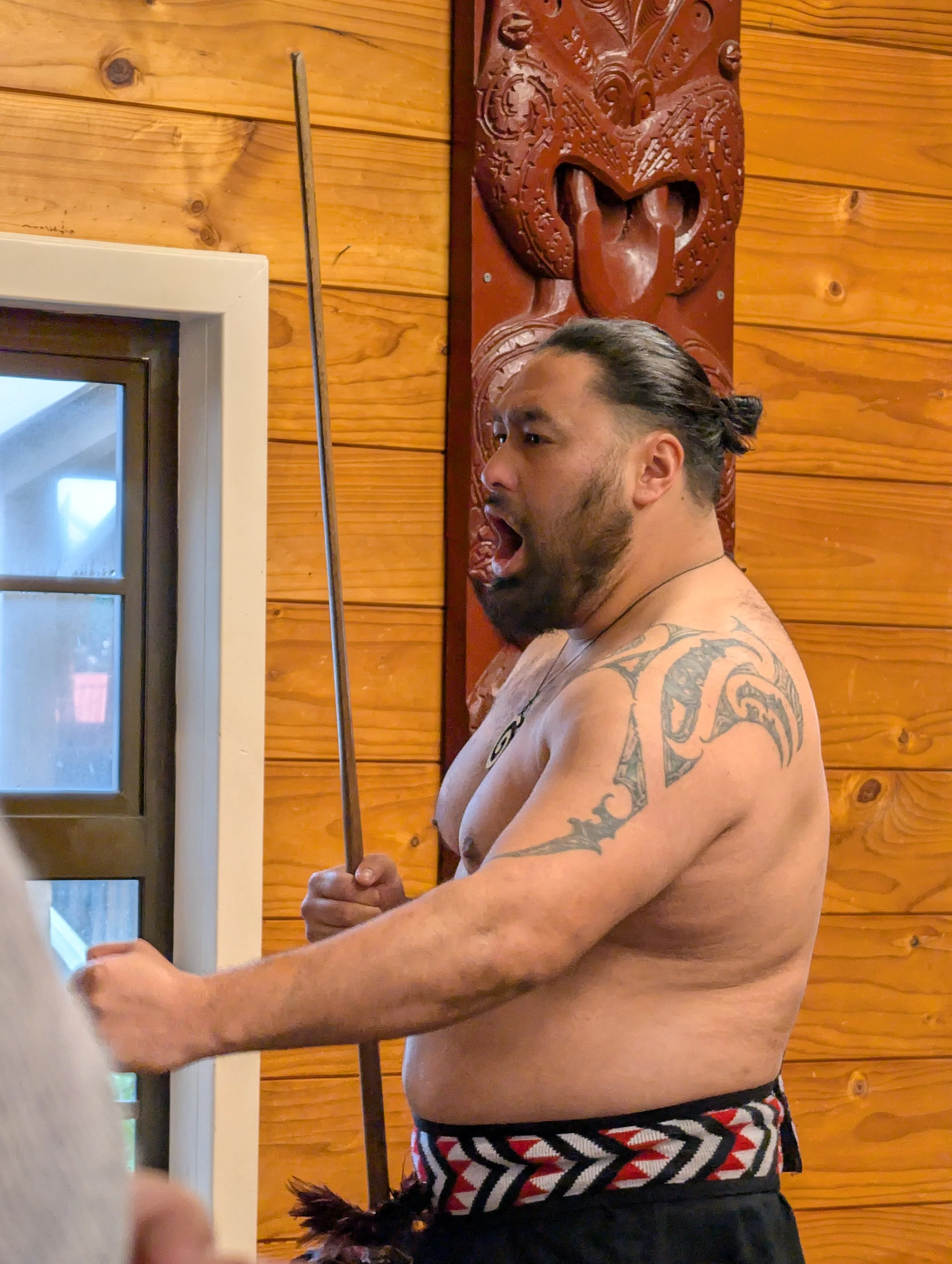
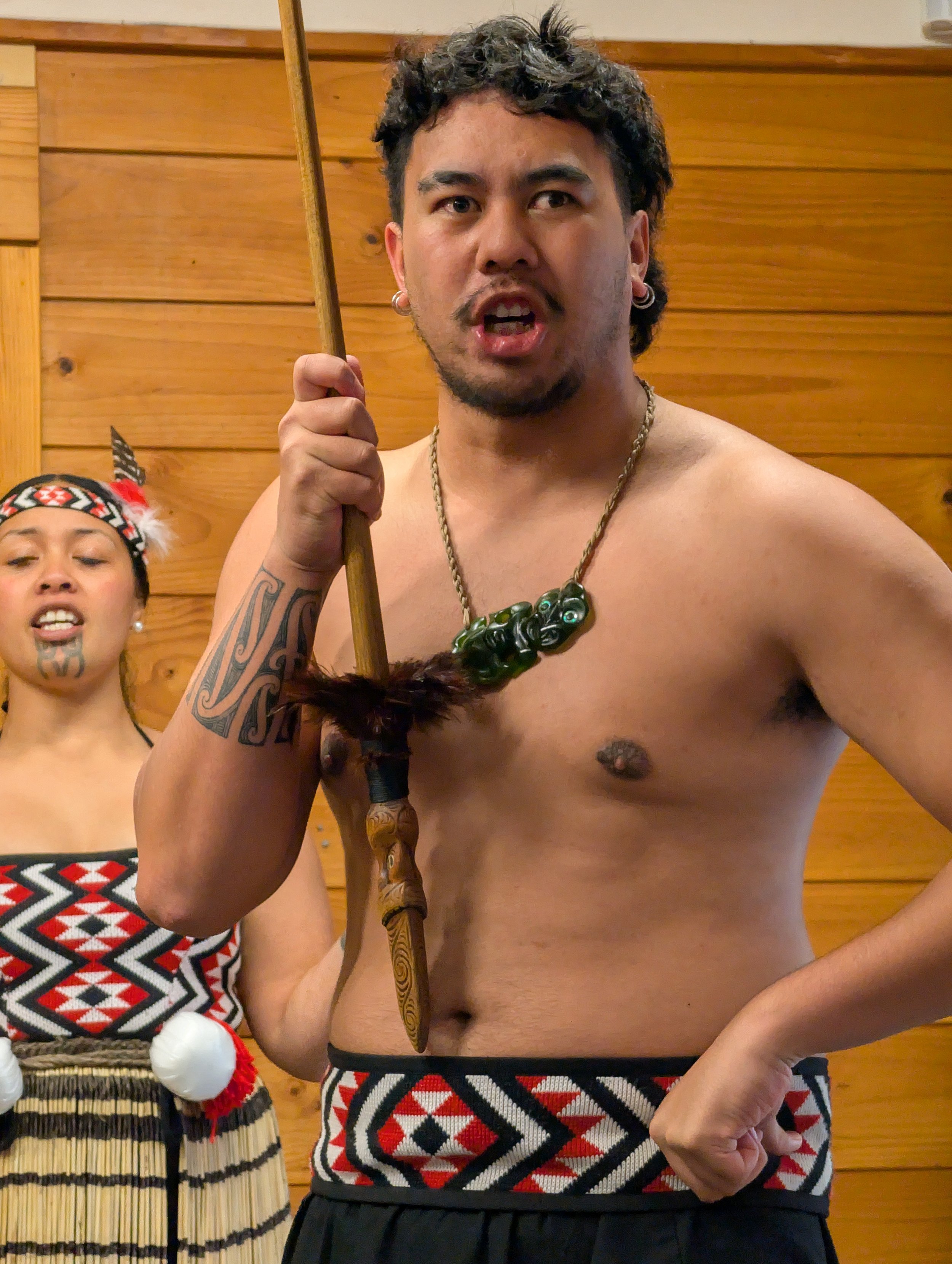
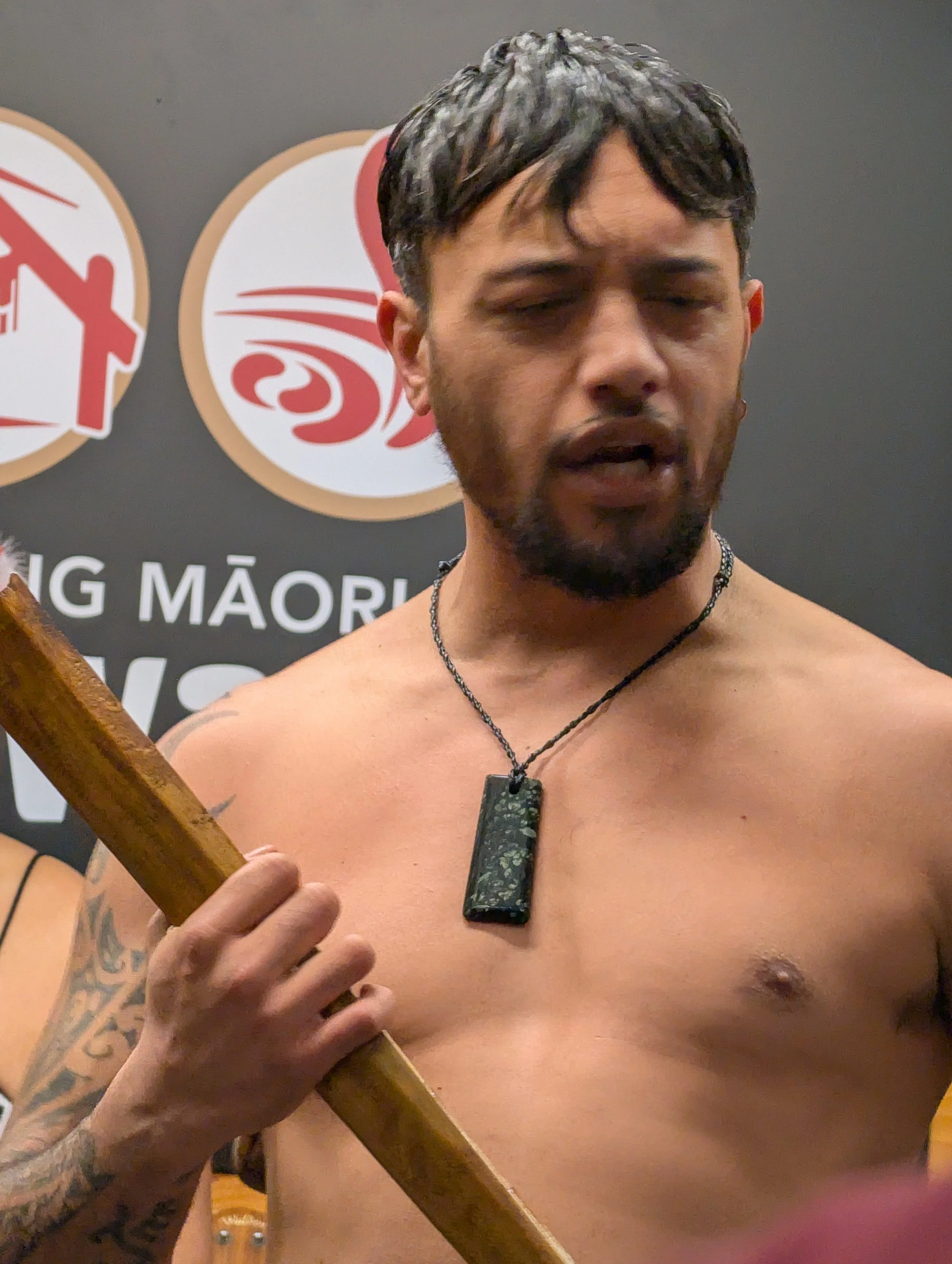
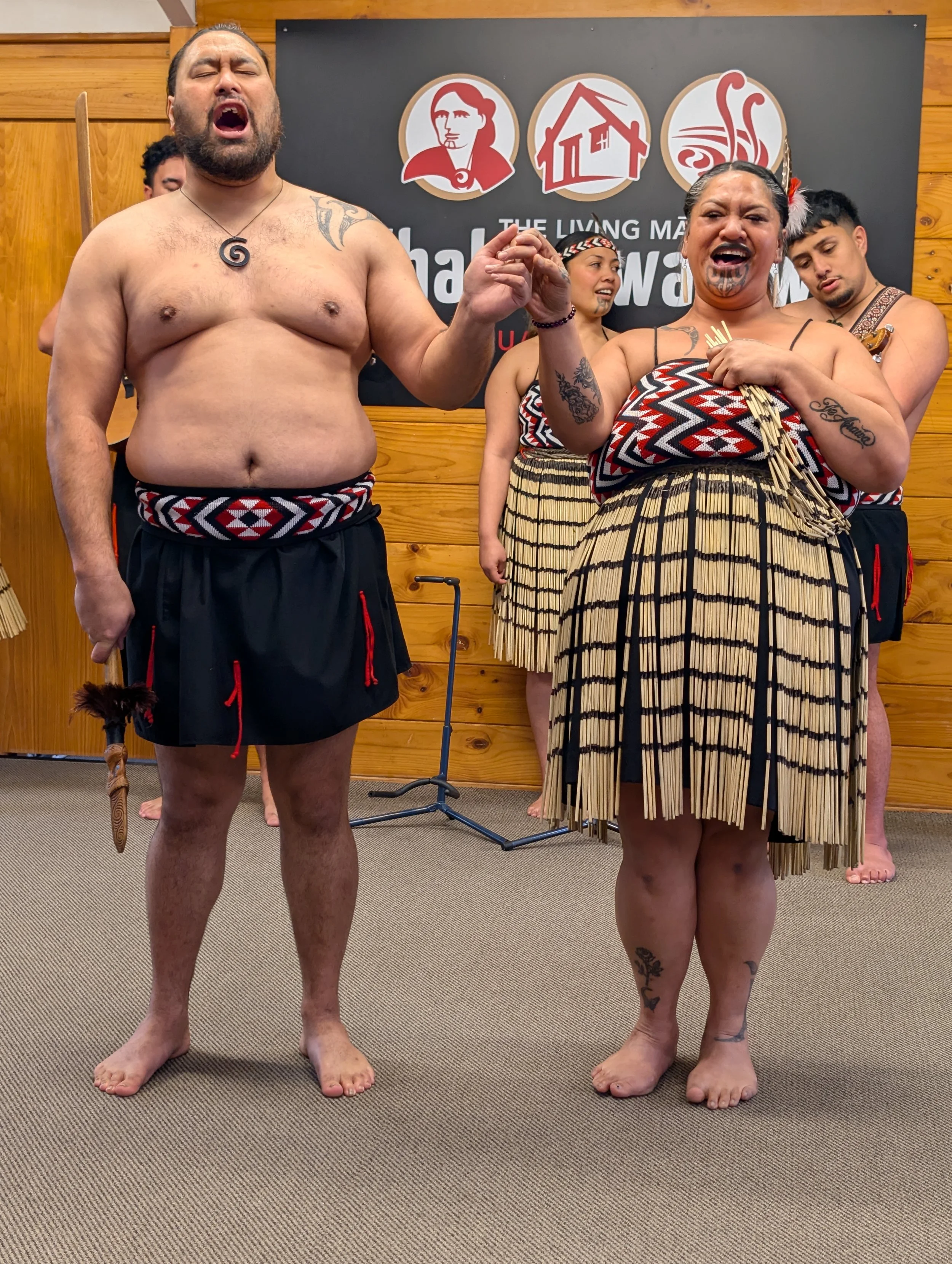
We attended a demonstration of Maori dances and songs.
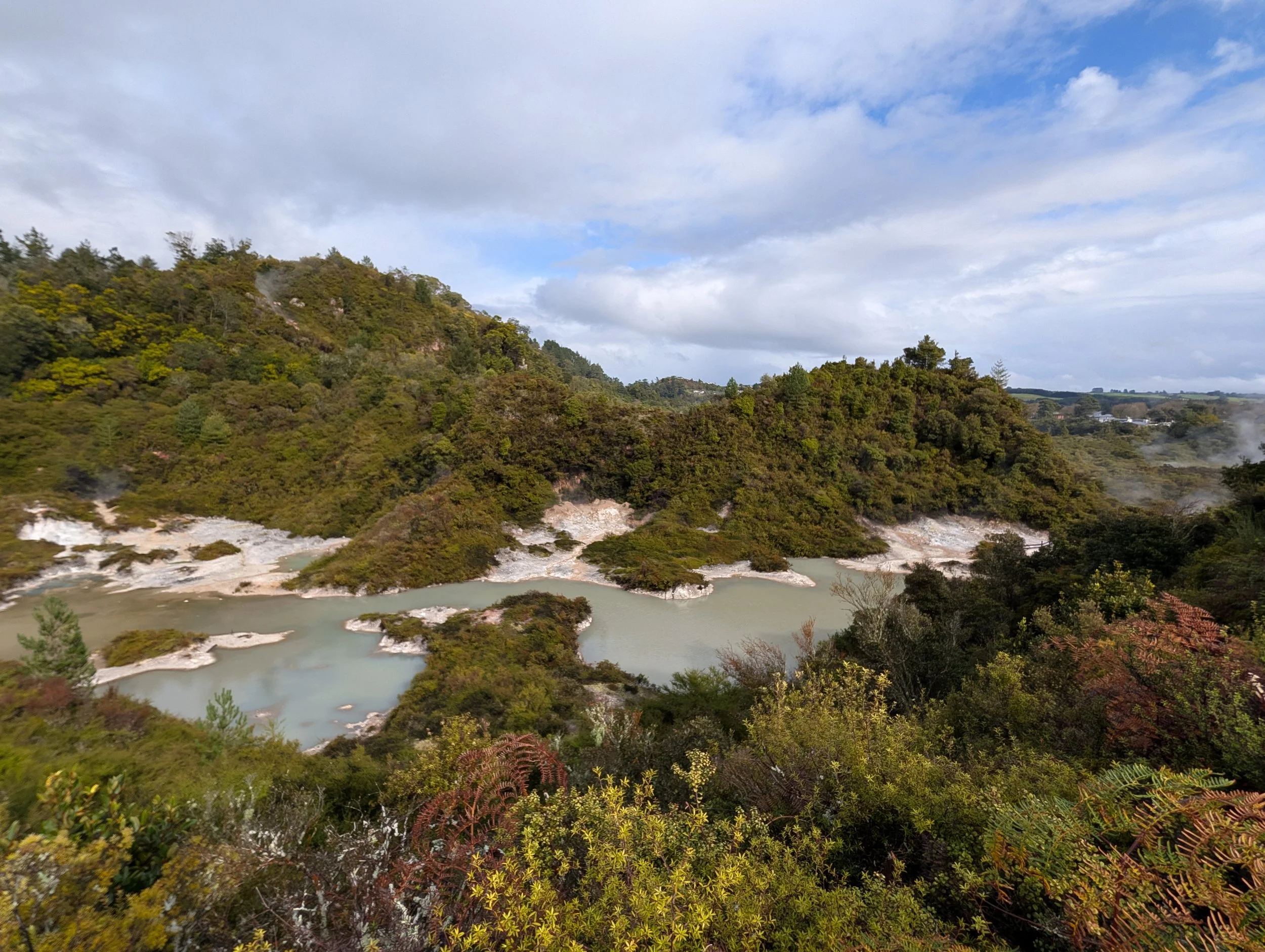
Waimangu Volcanic Valley
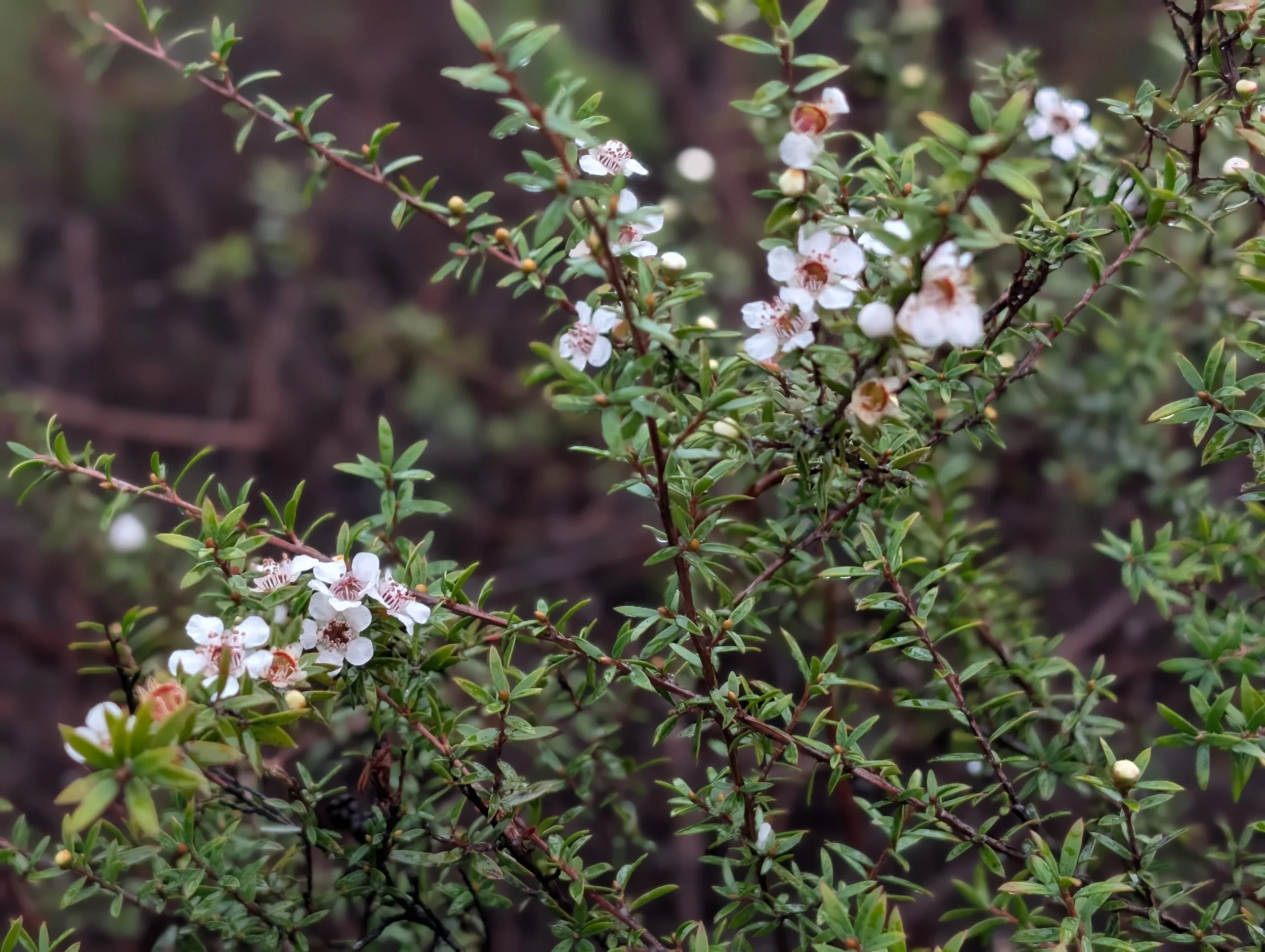
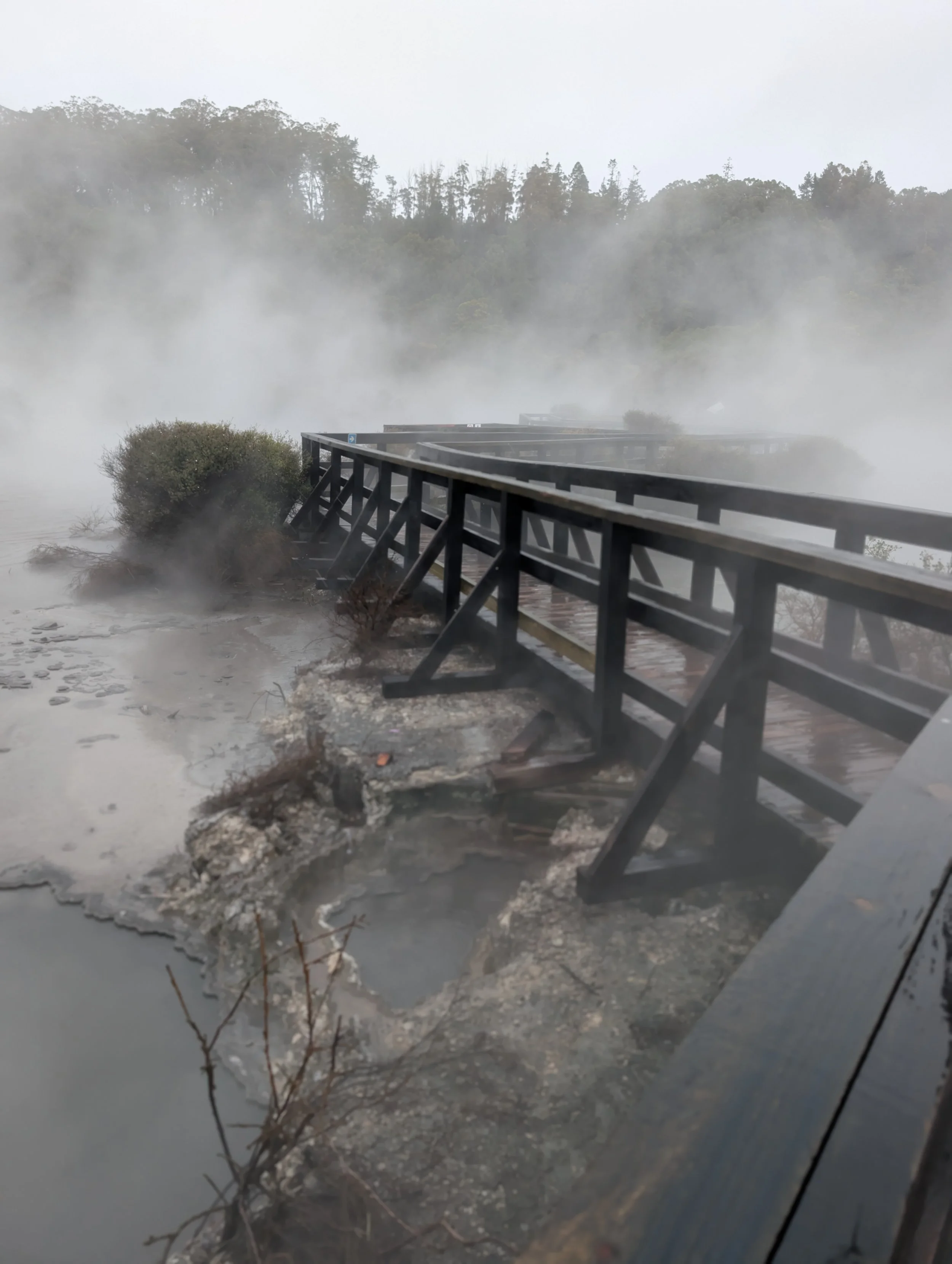
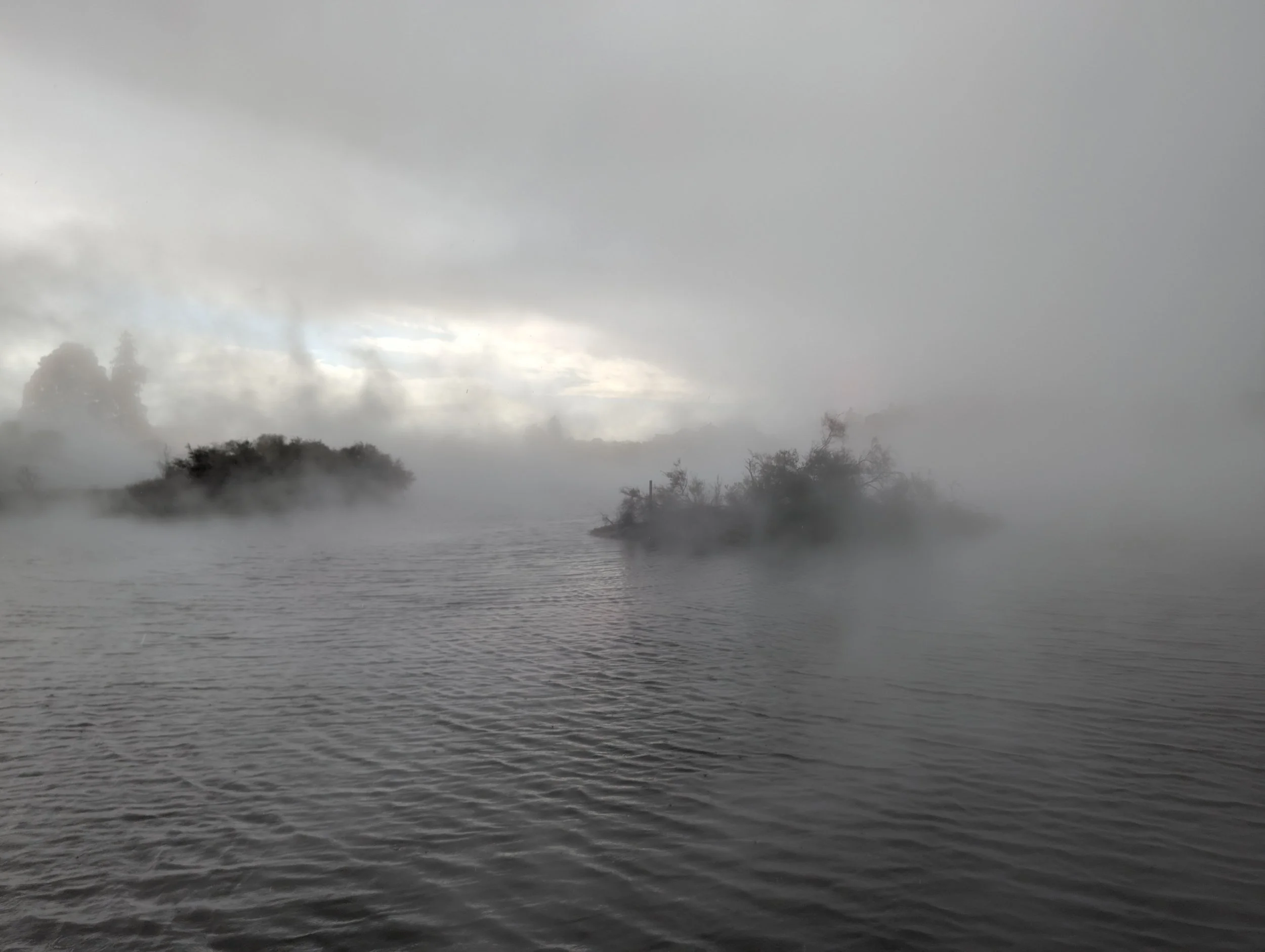
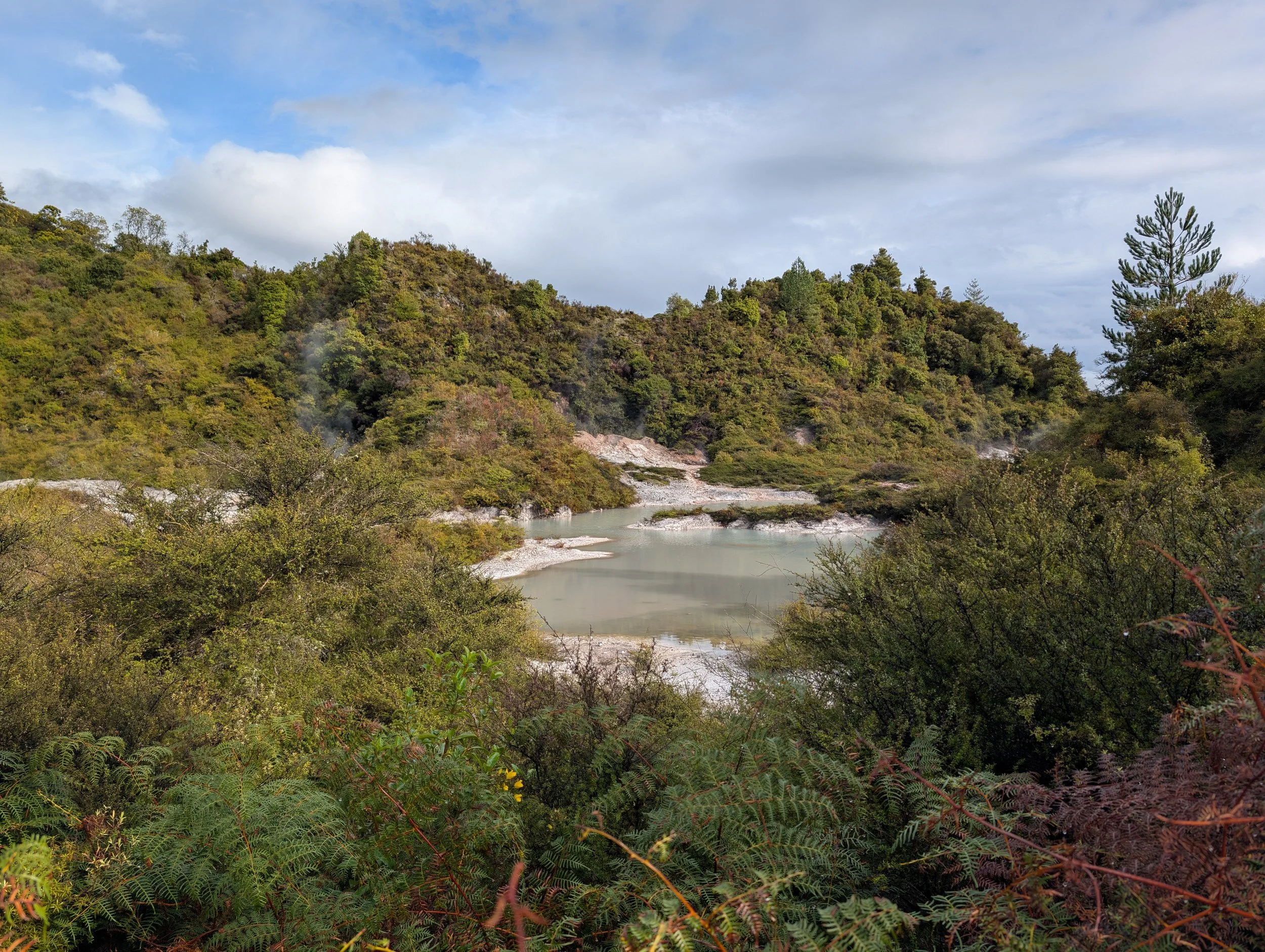
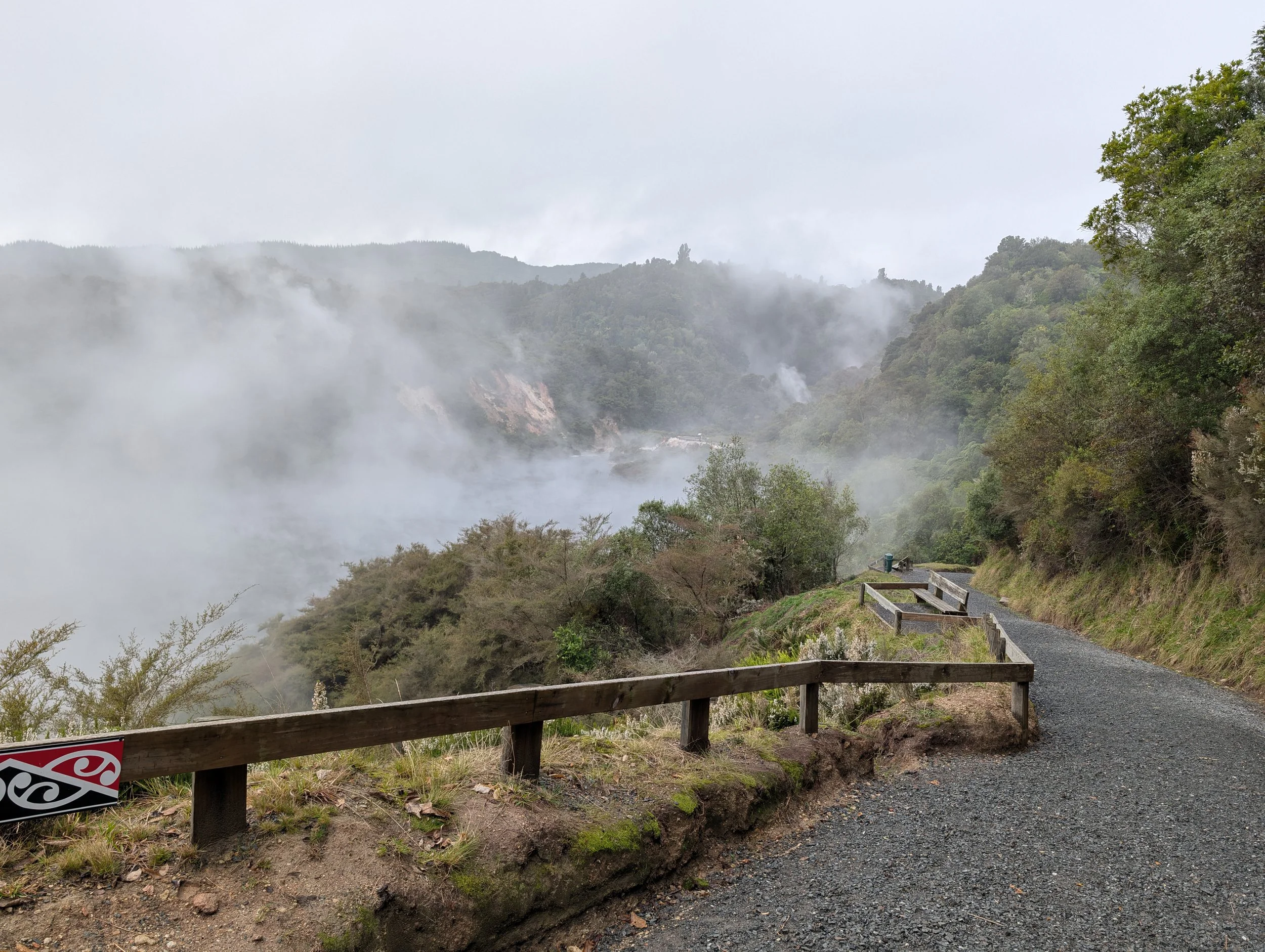
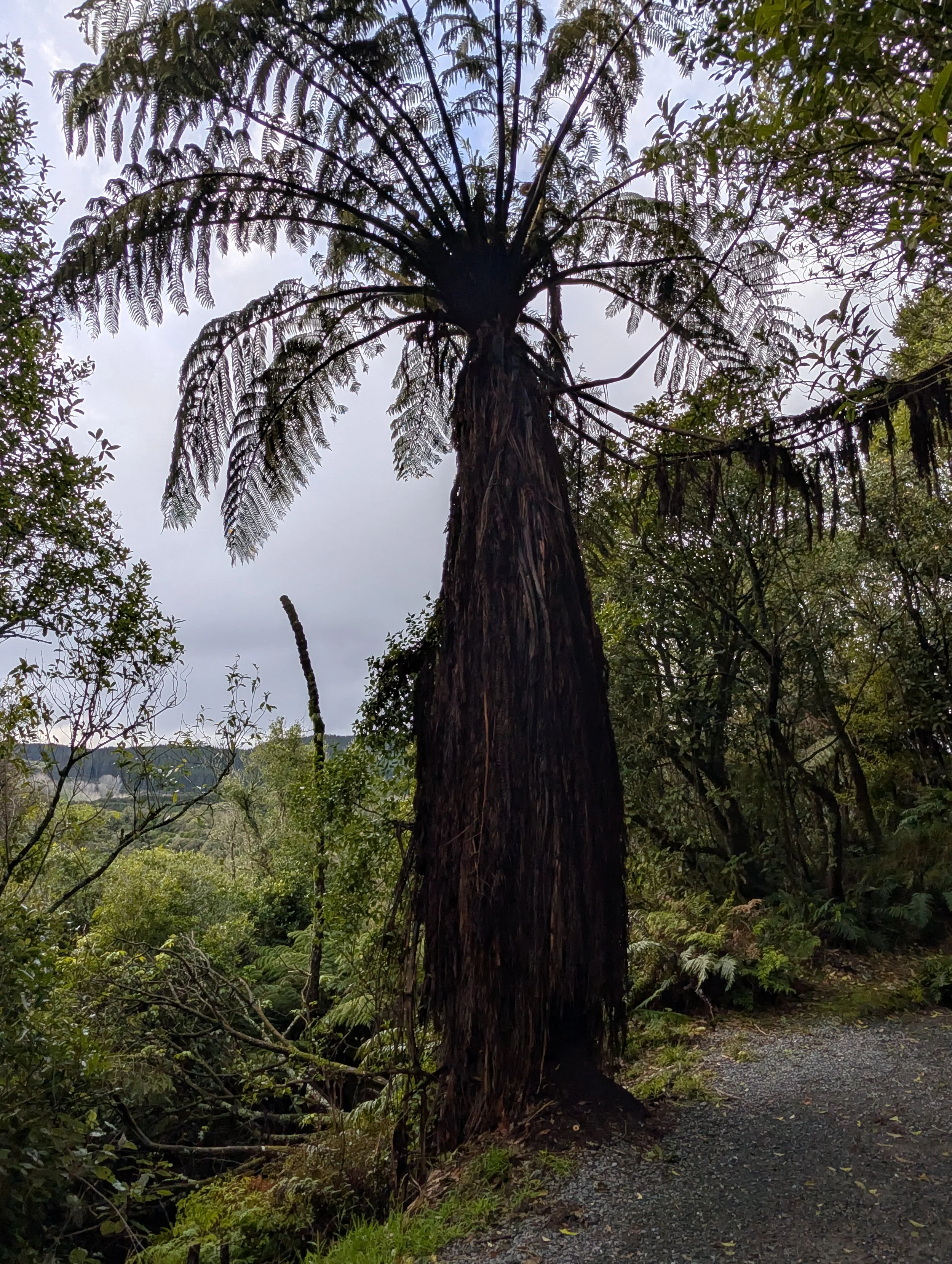
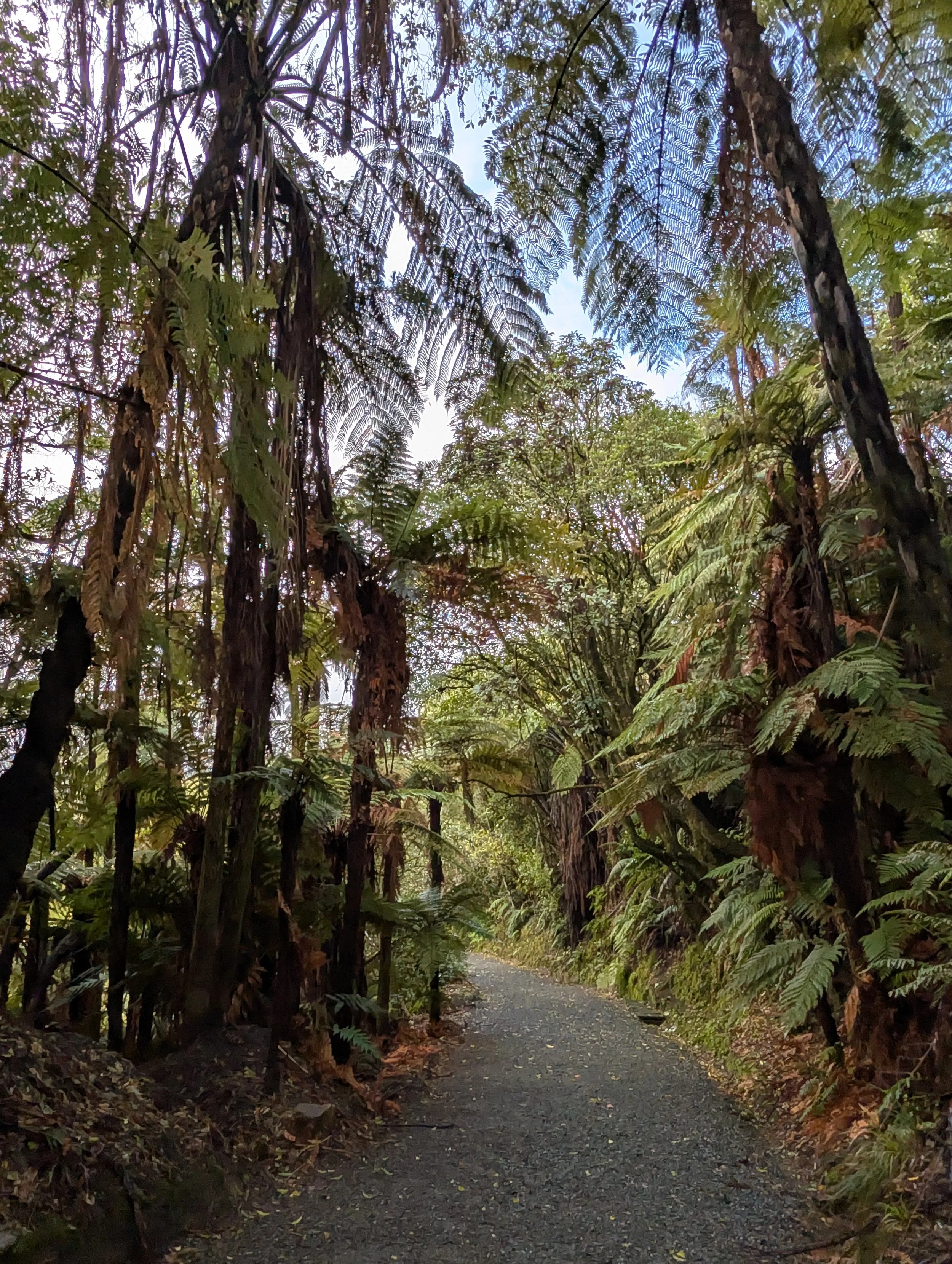
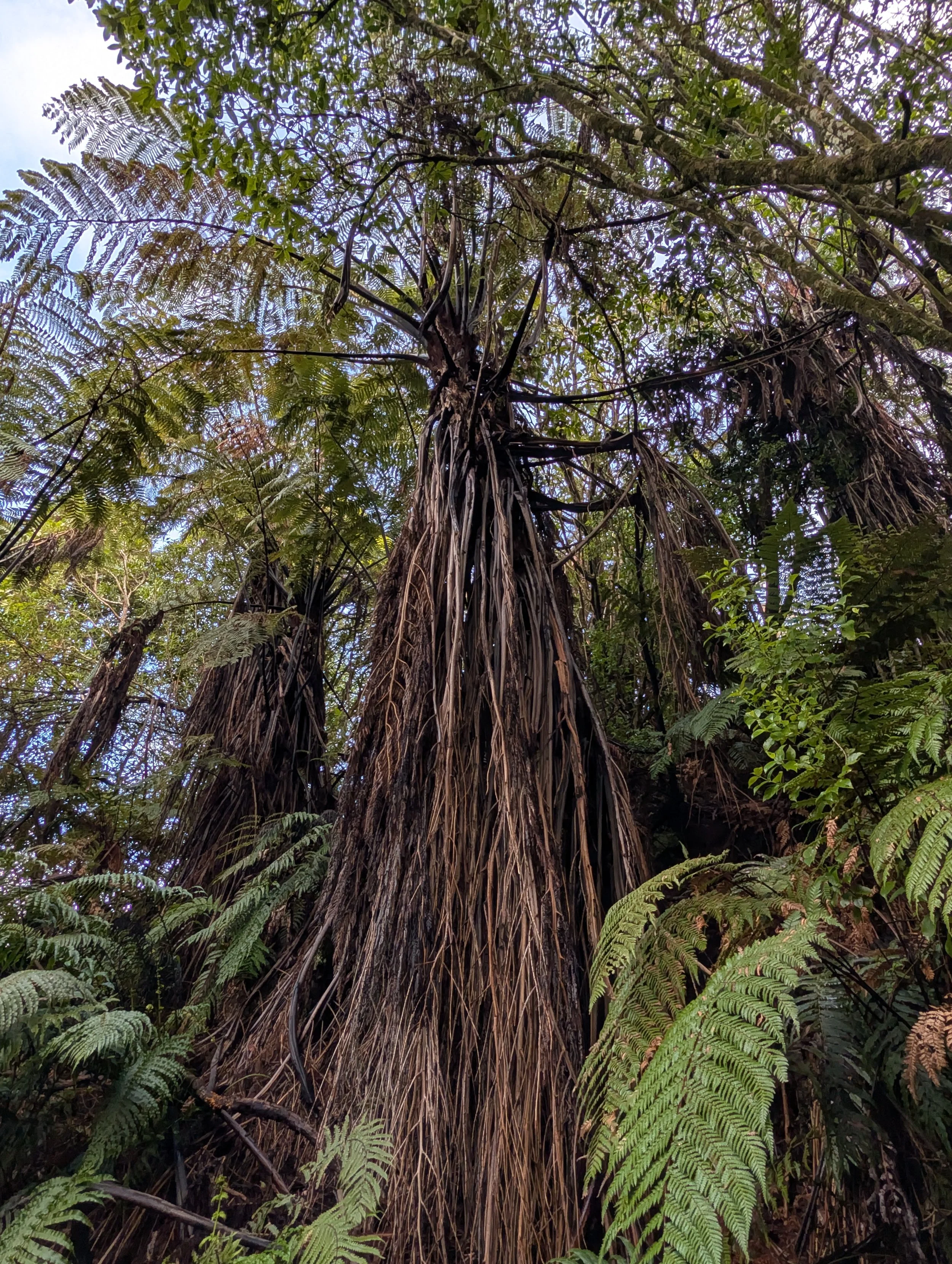
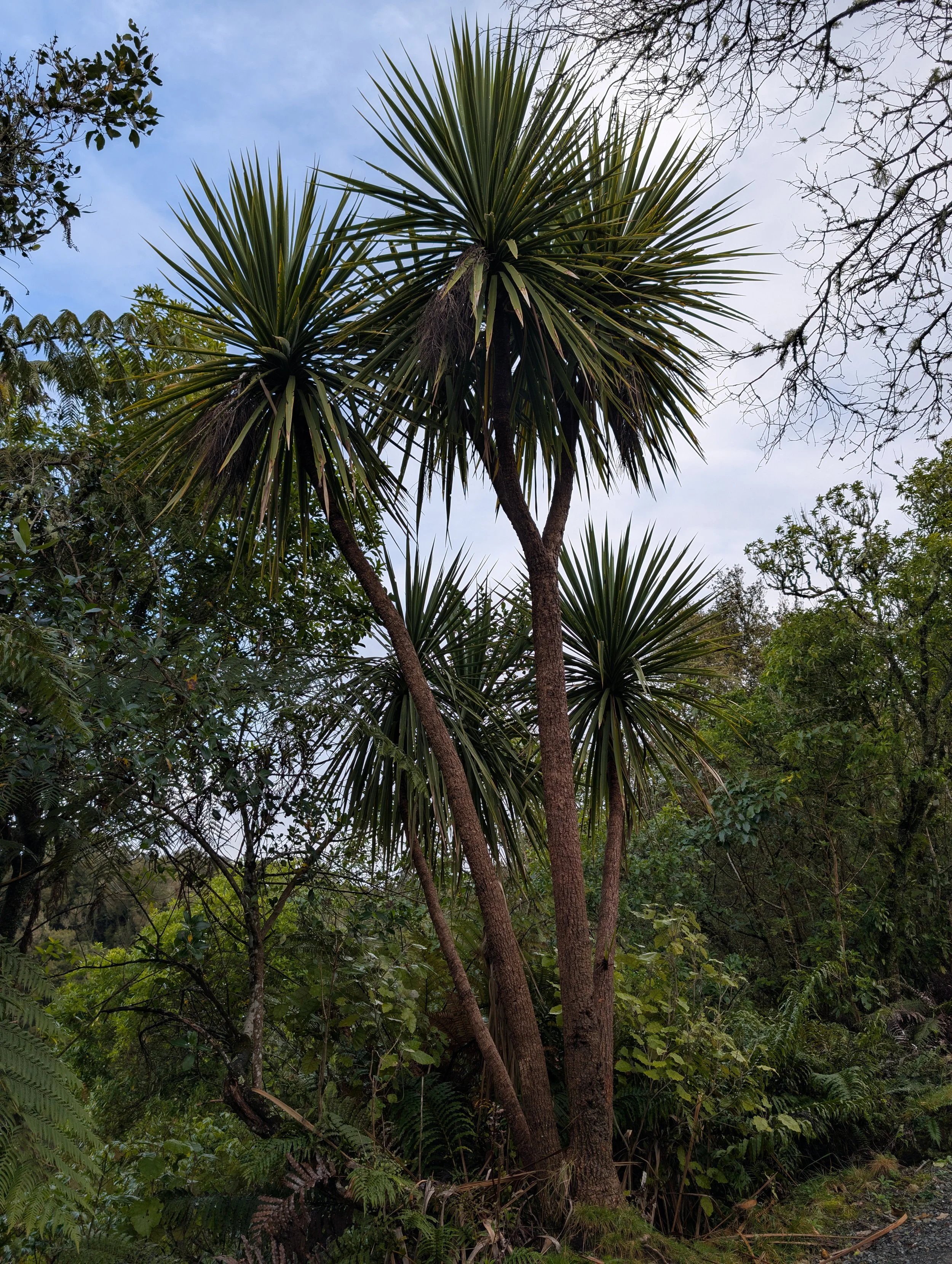
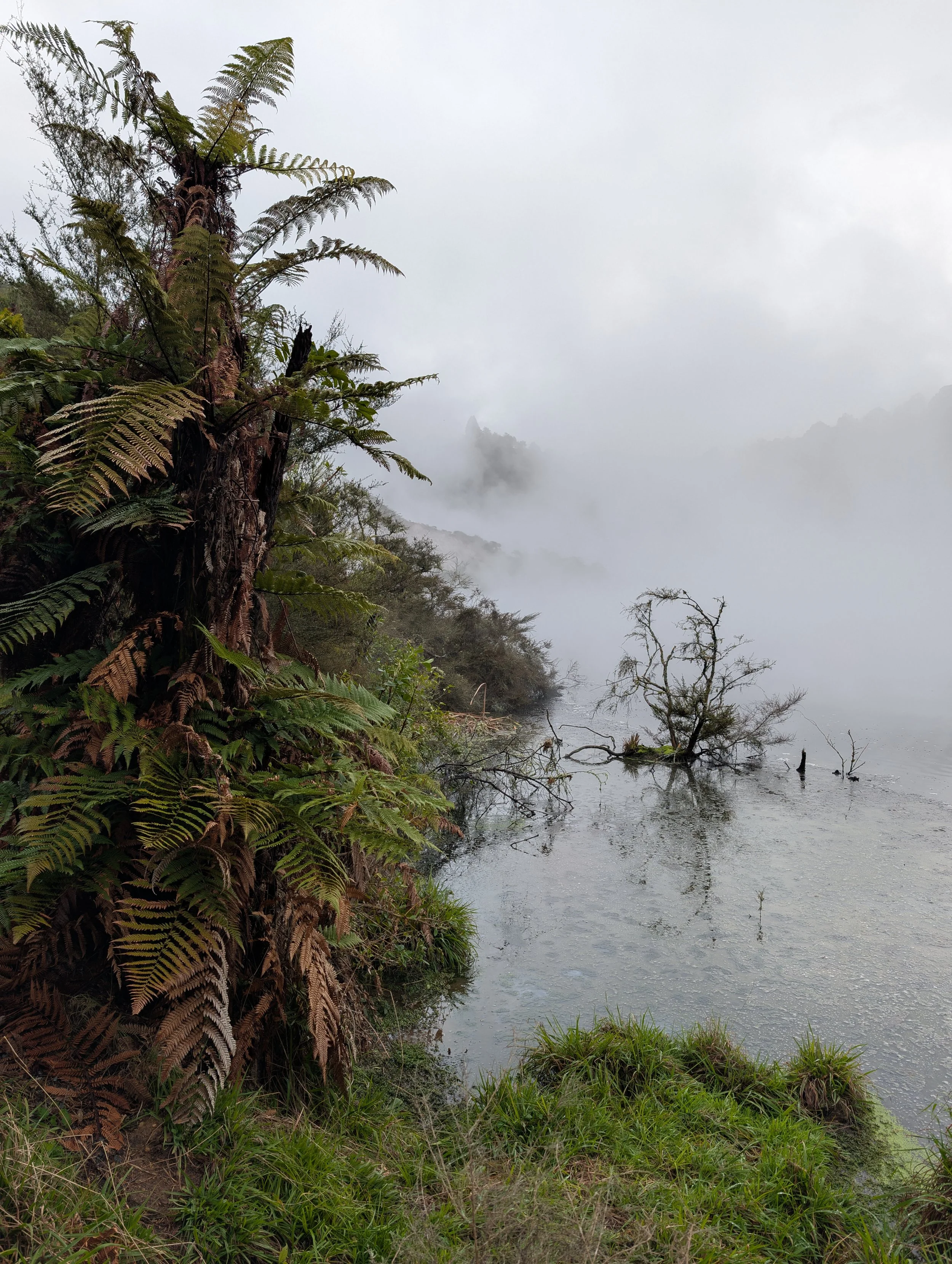
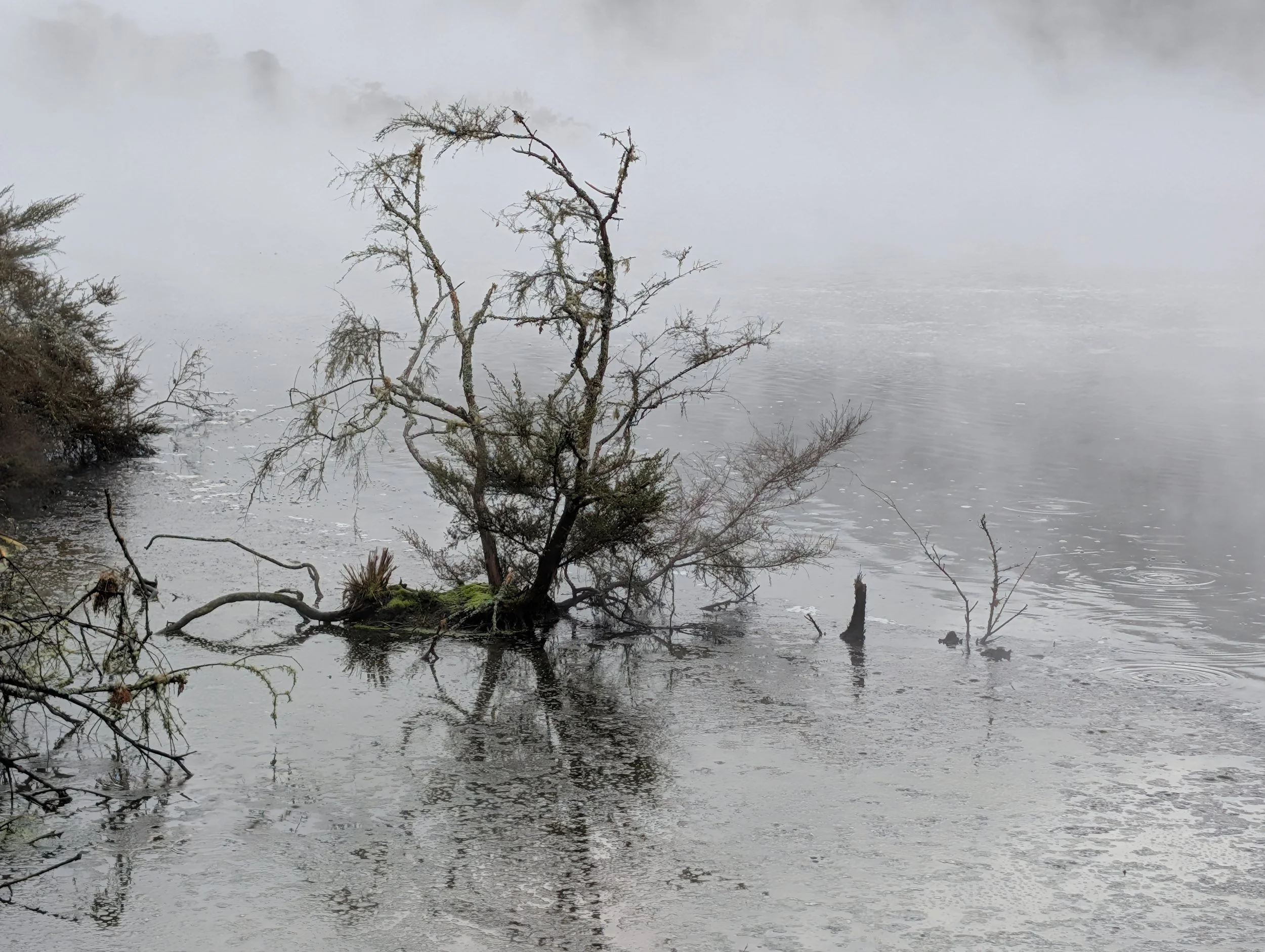
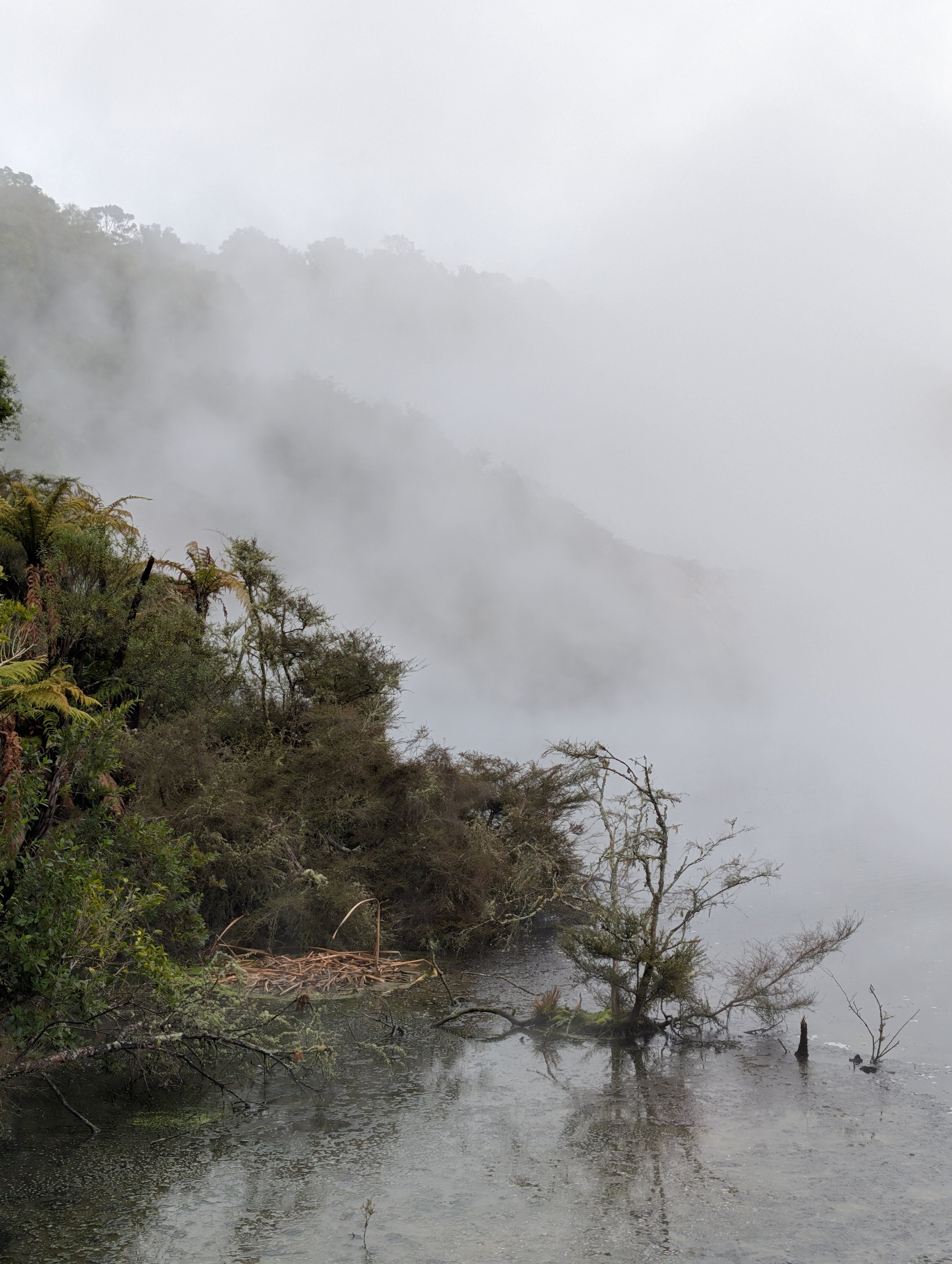
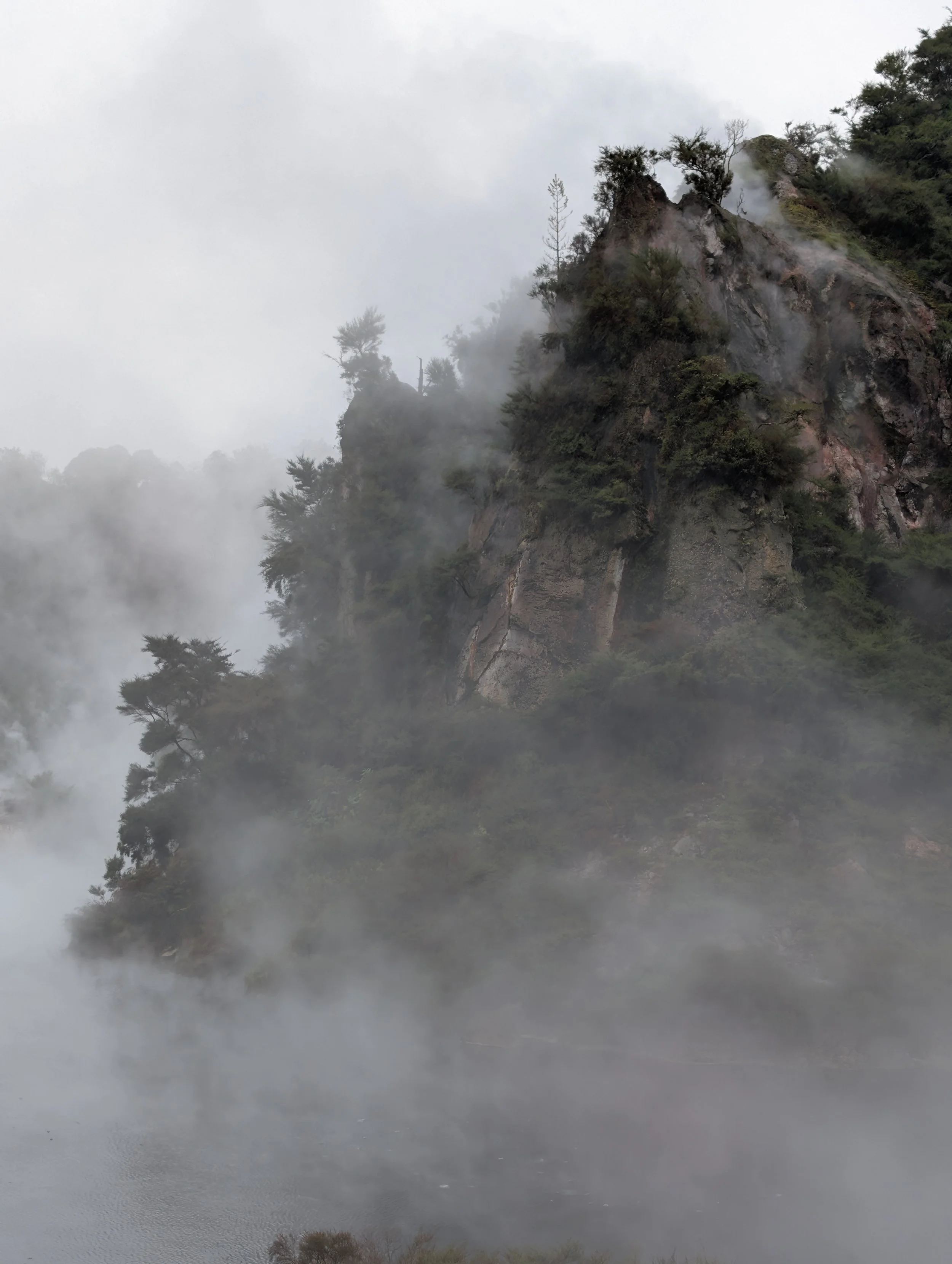
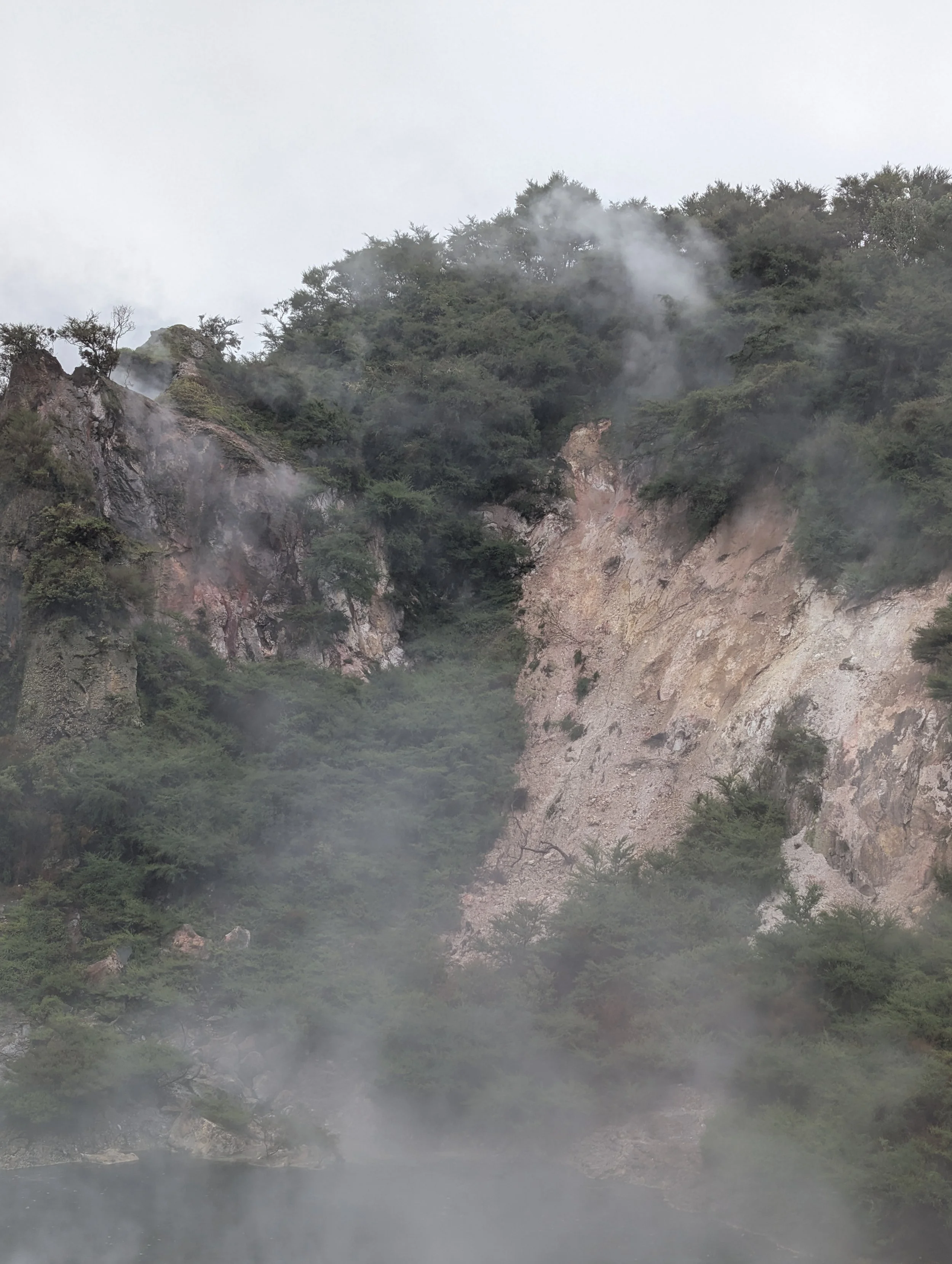
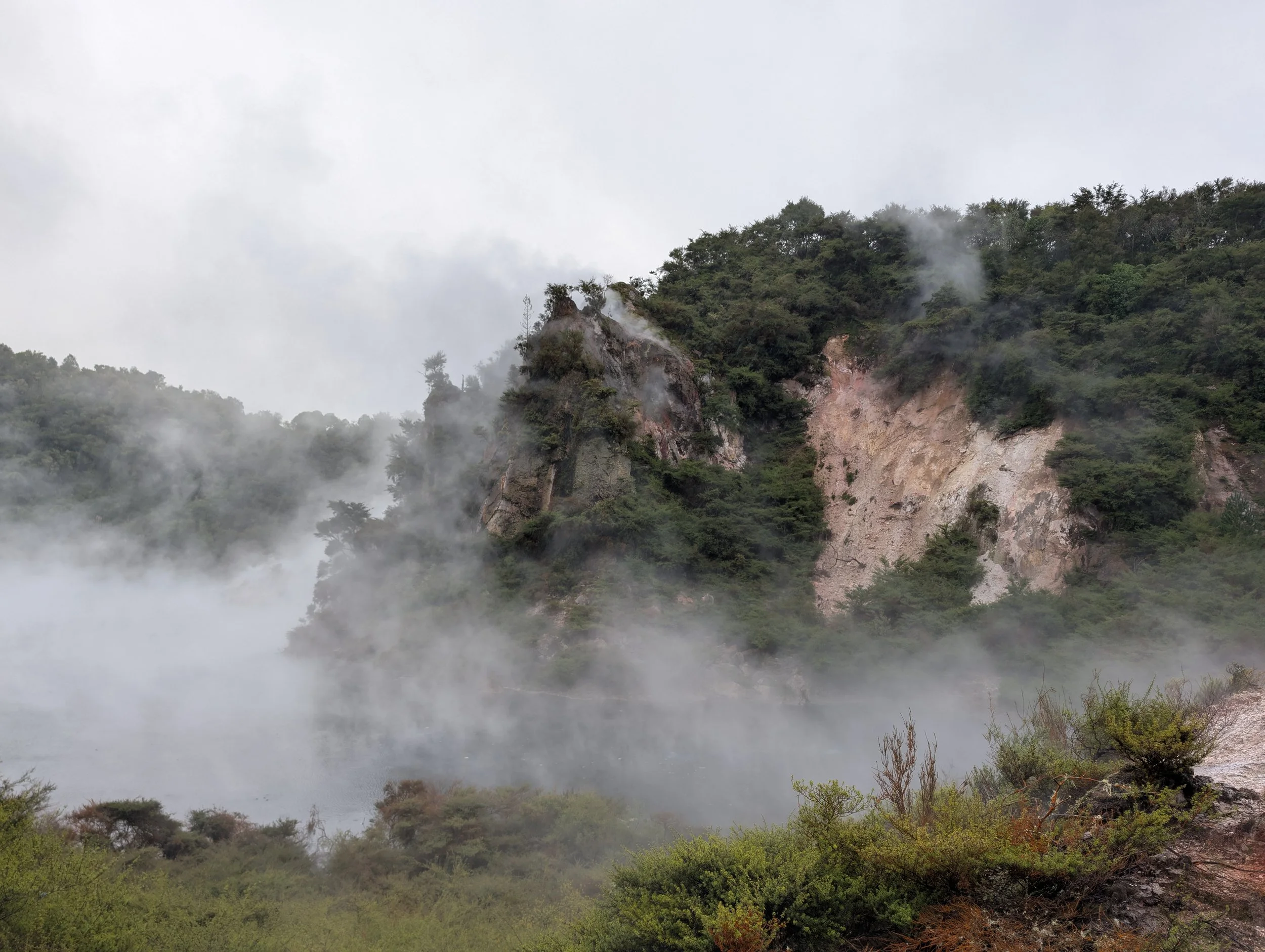
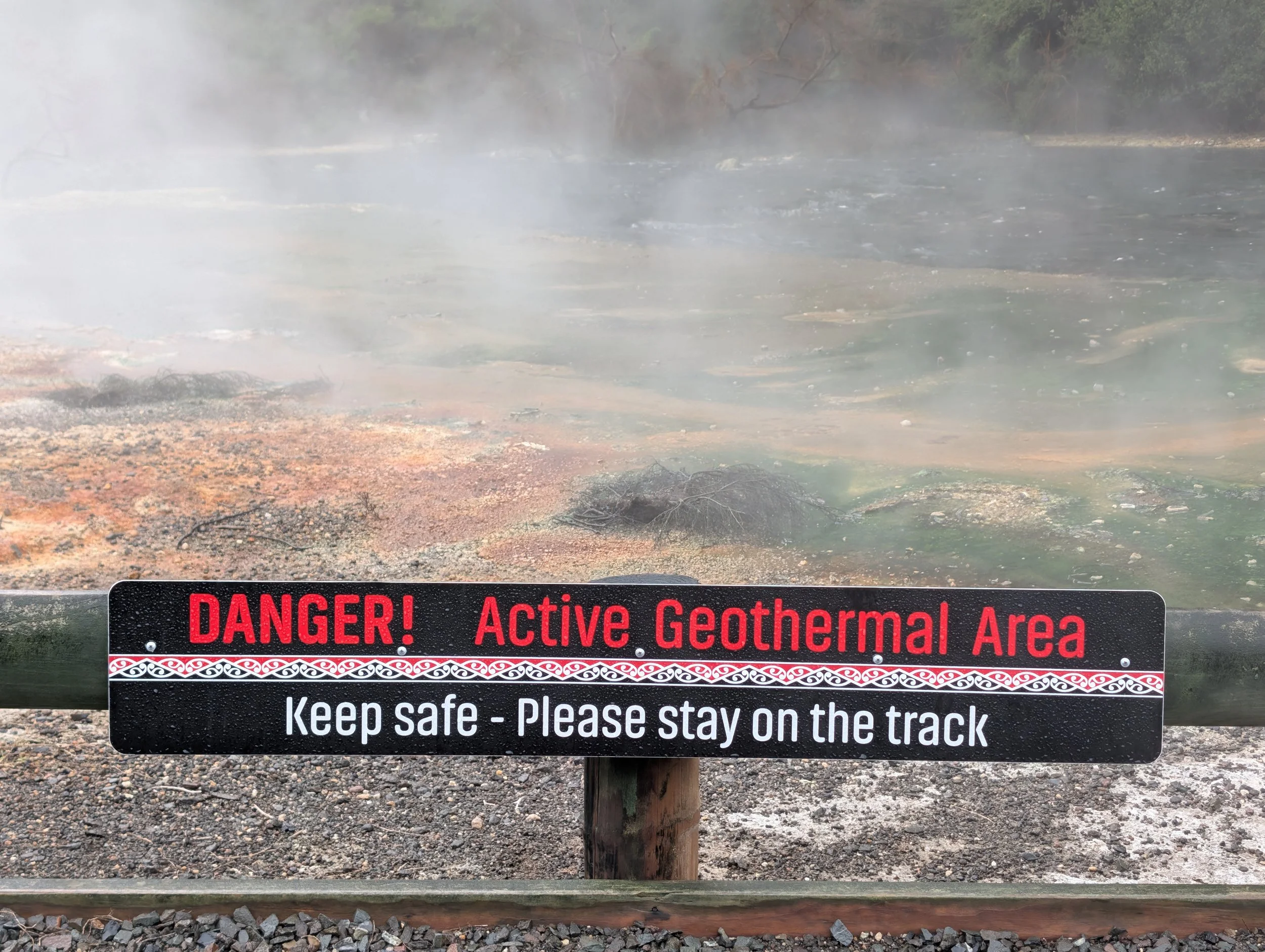
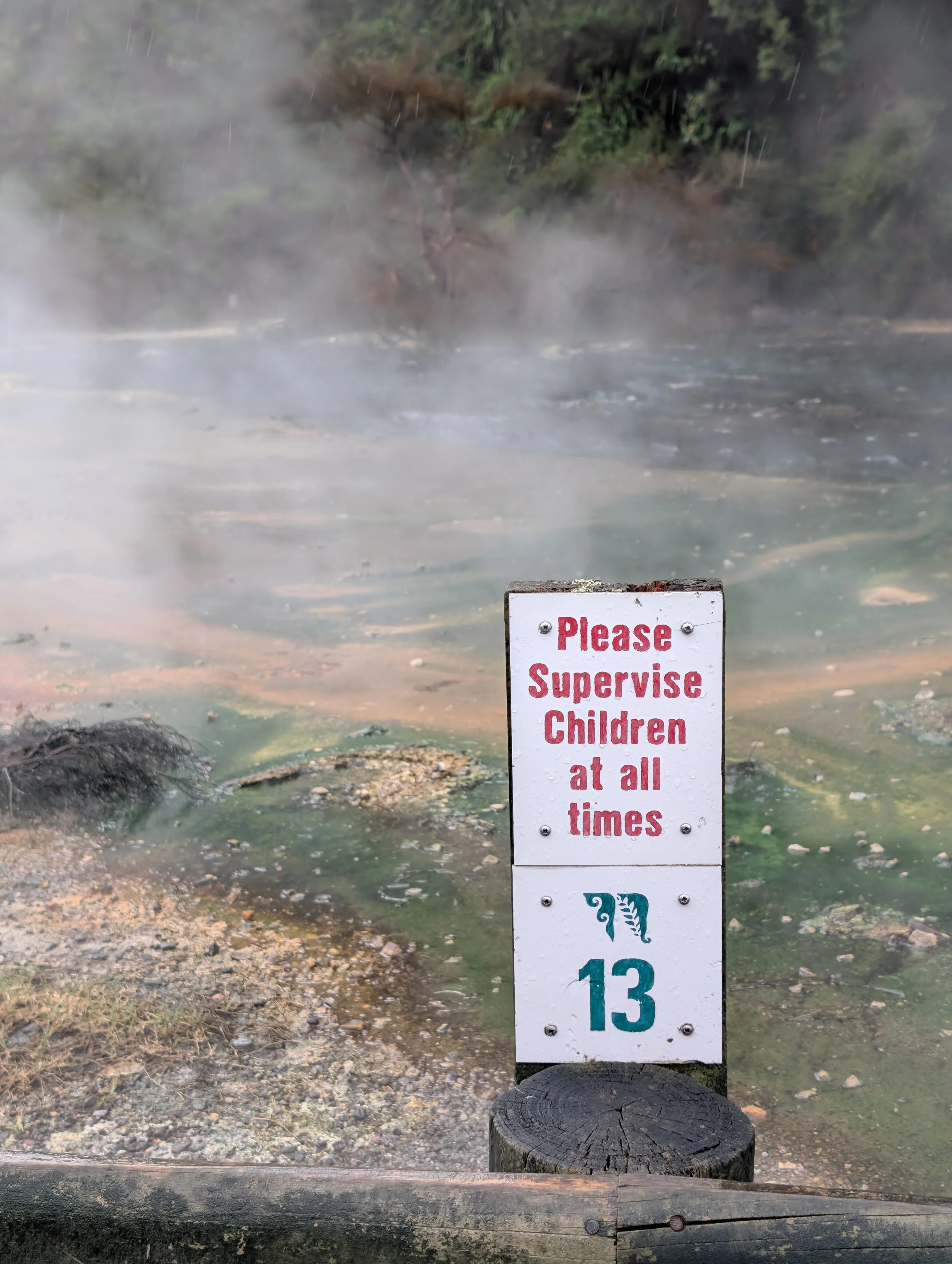
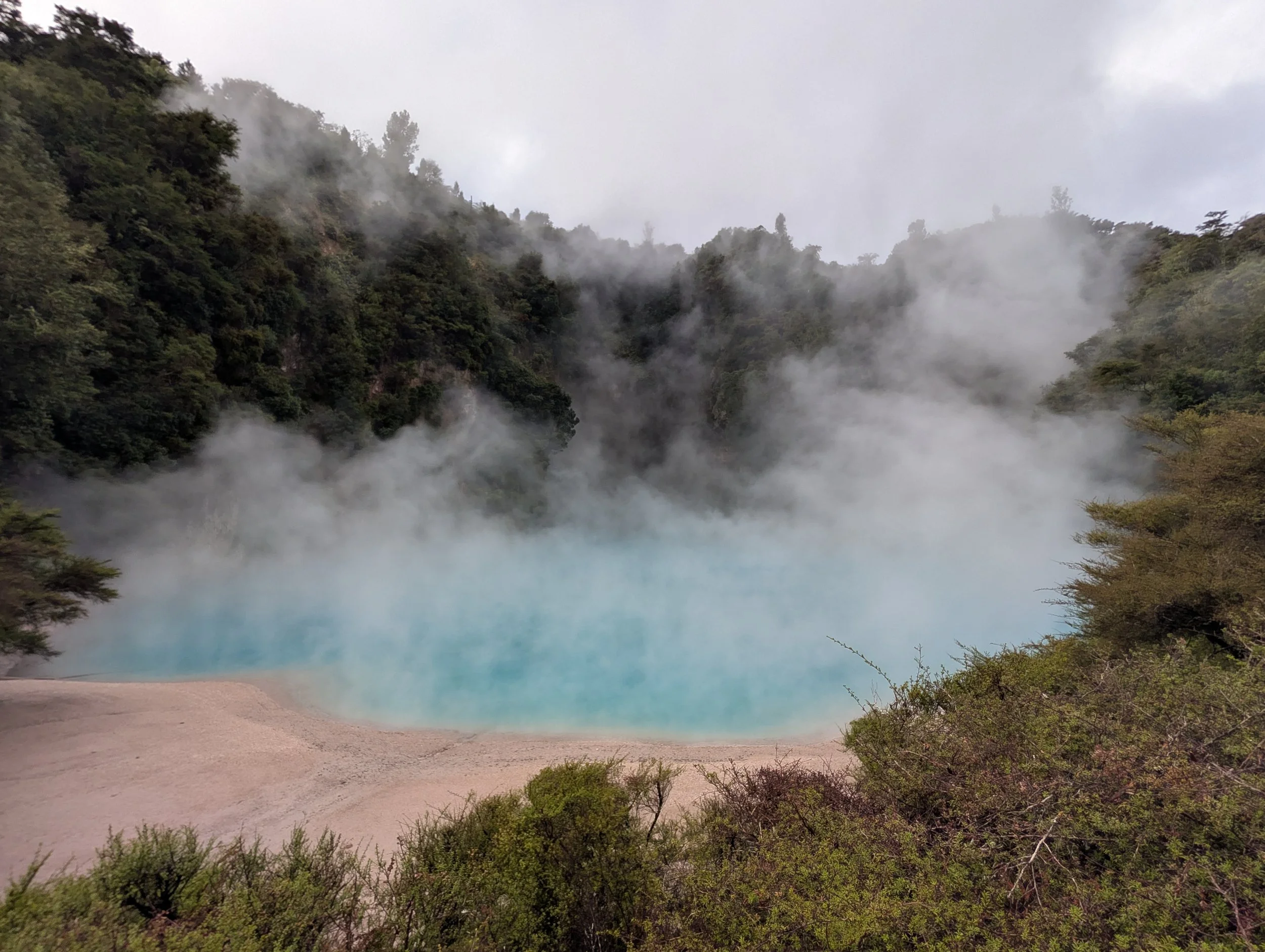
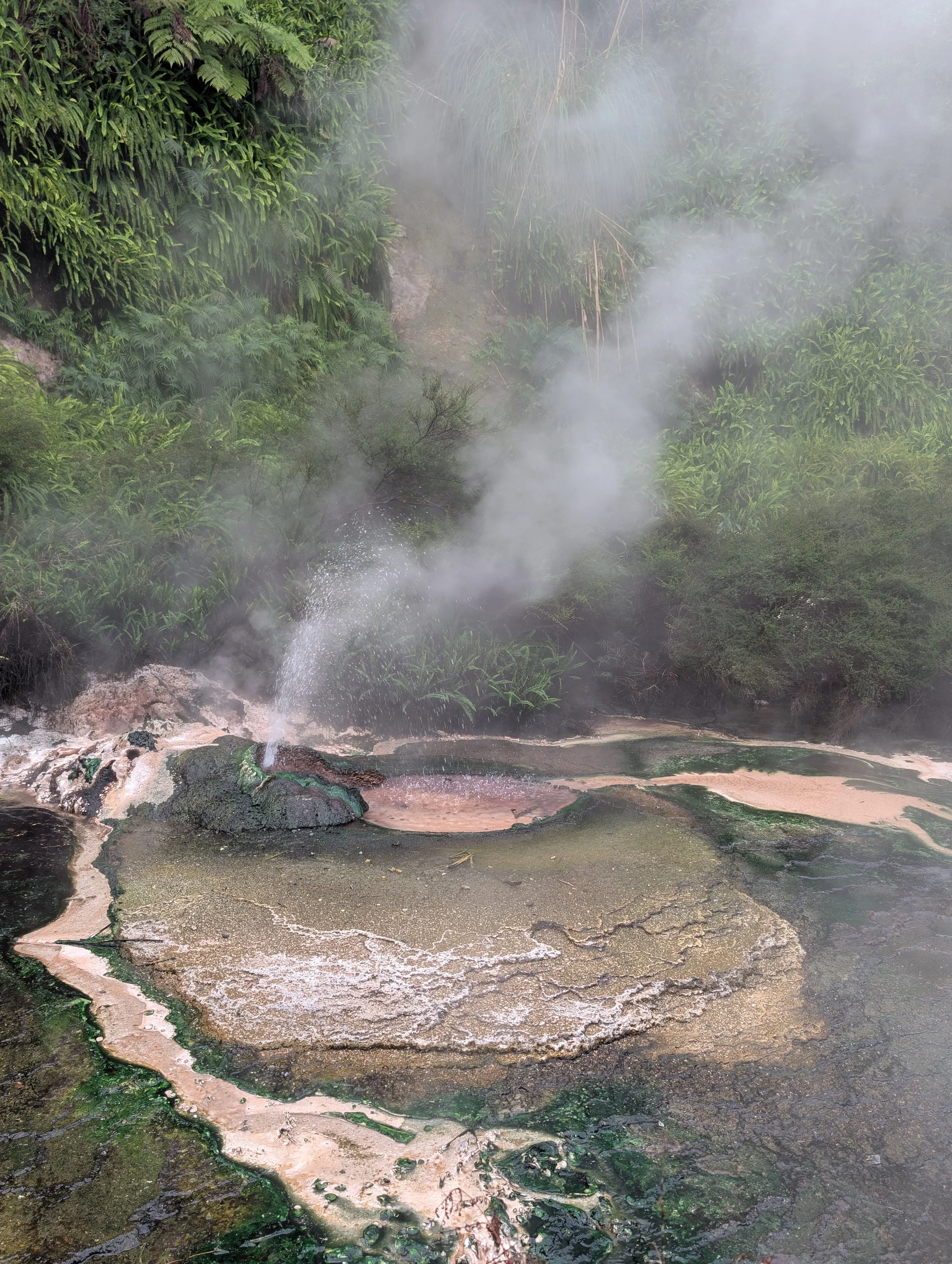
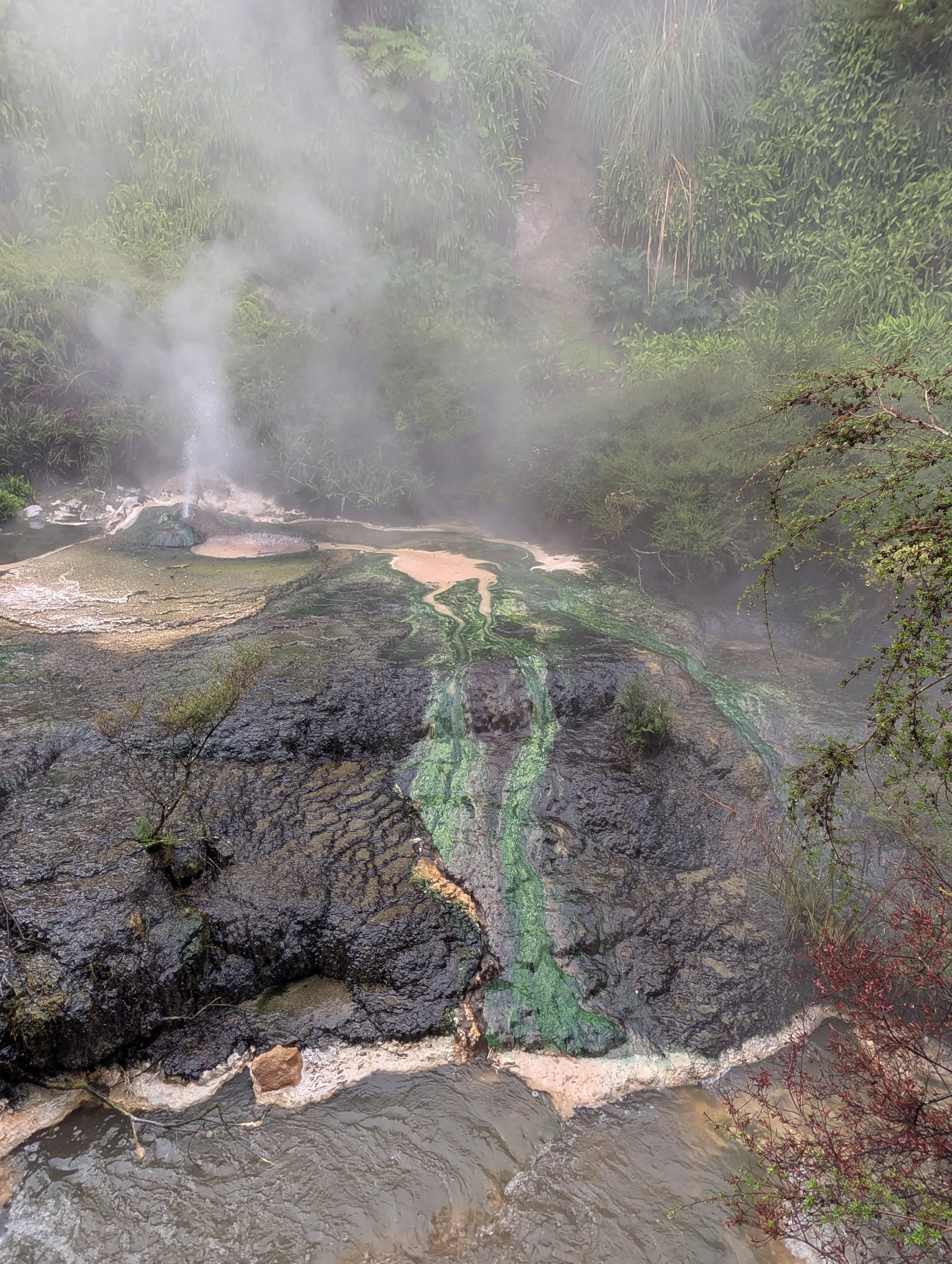
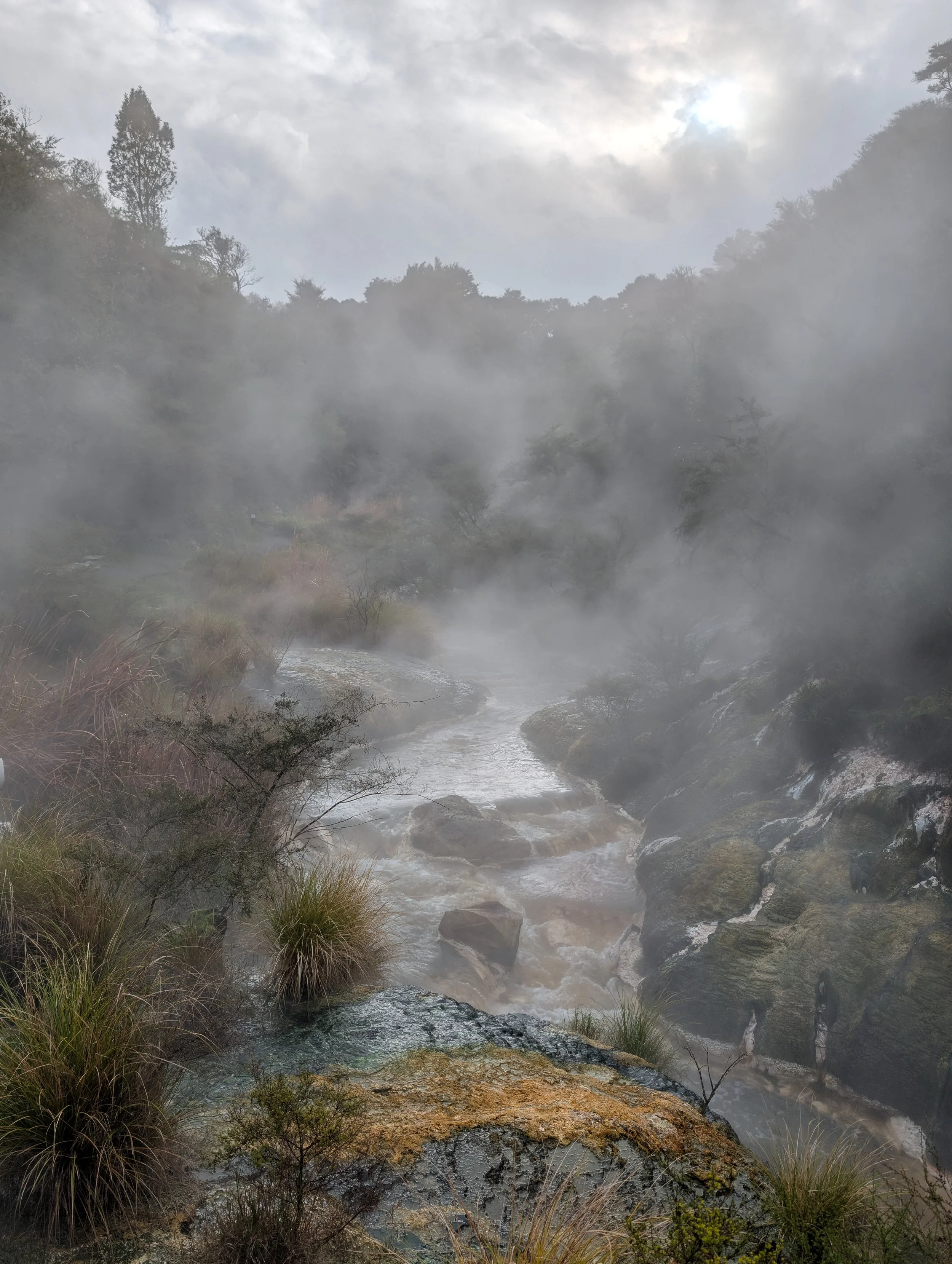
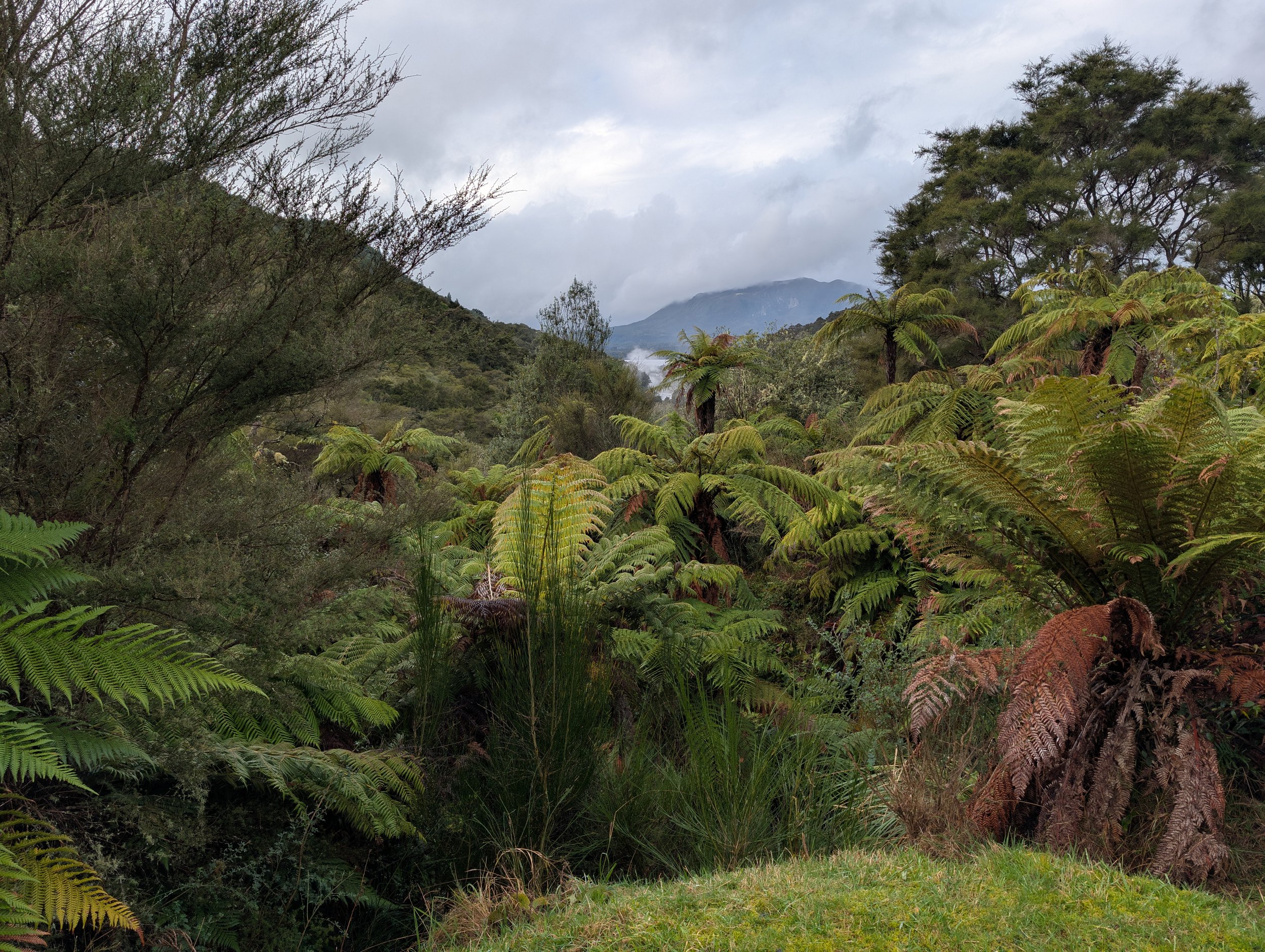
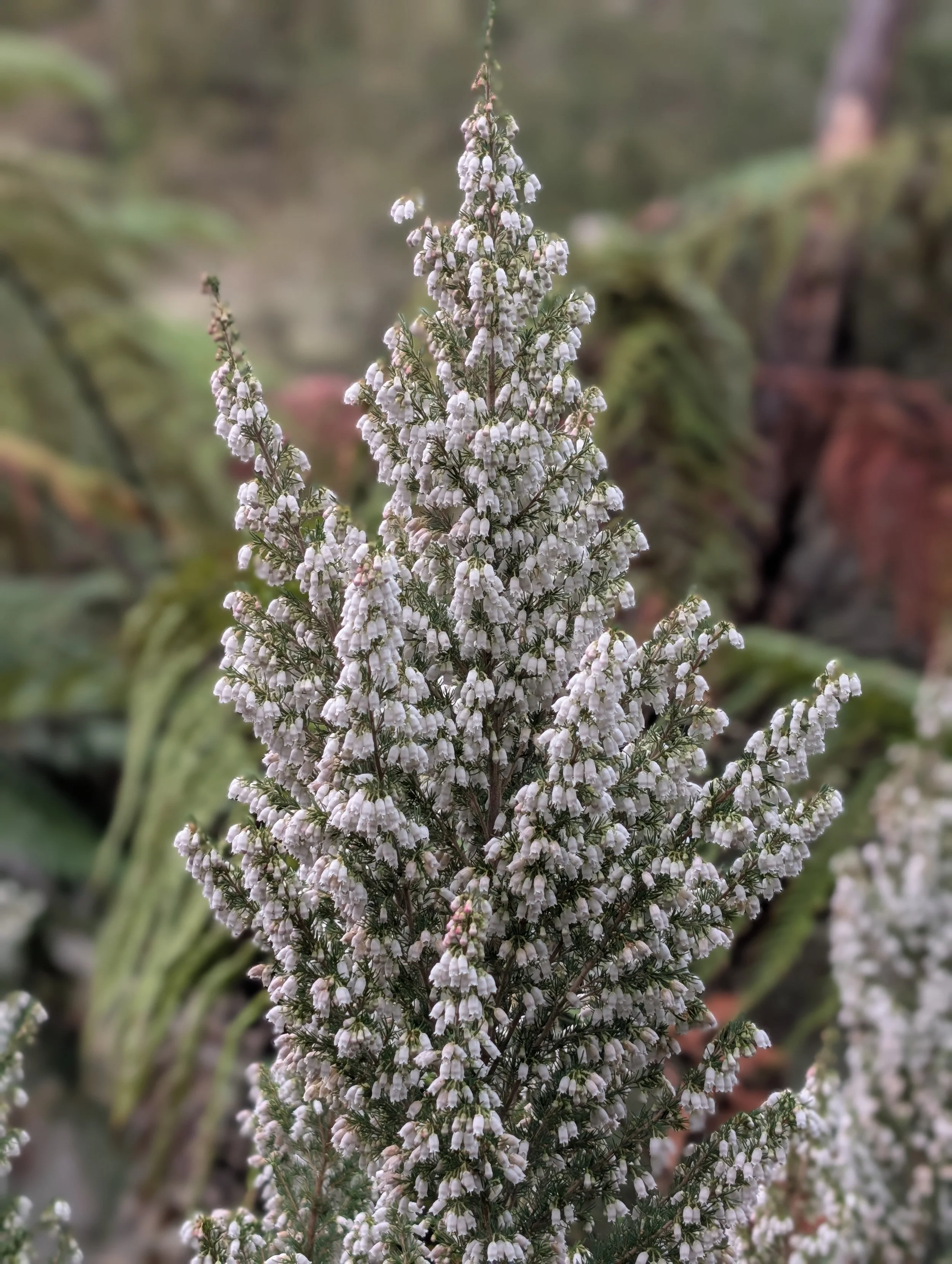
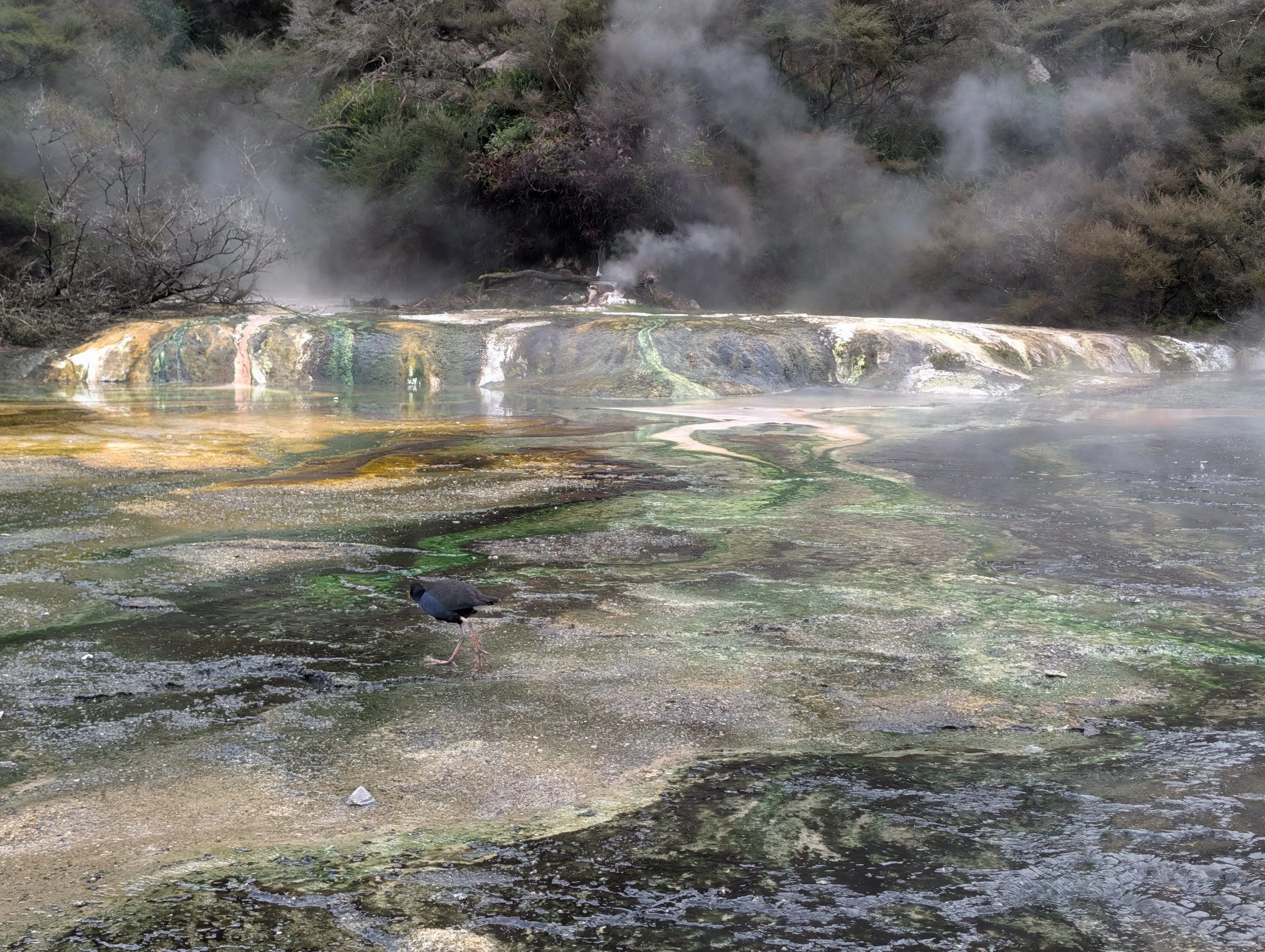
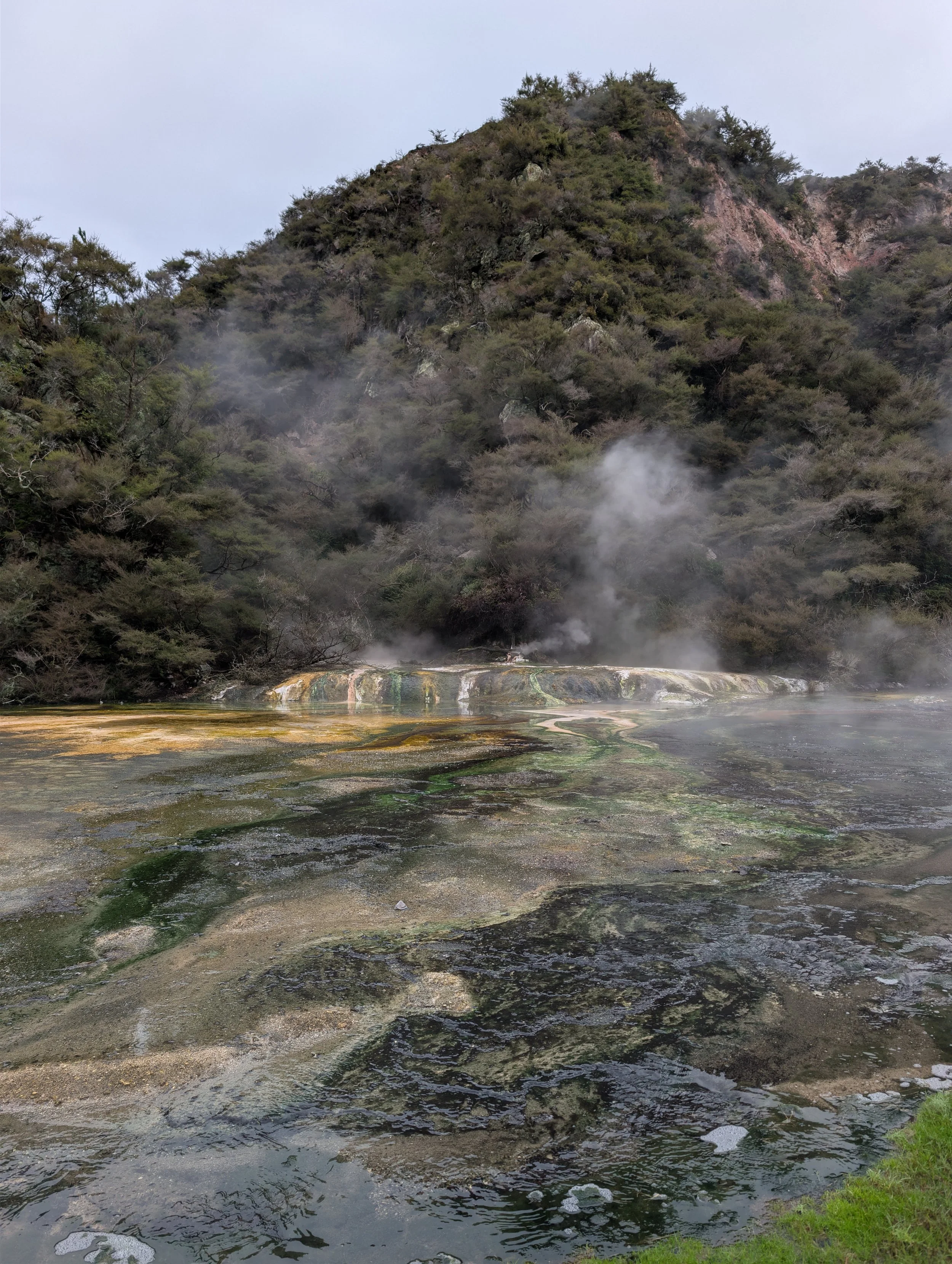
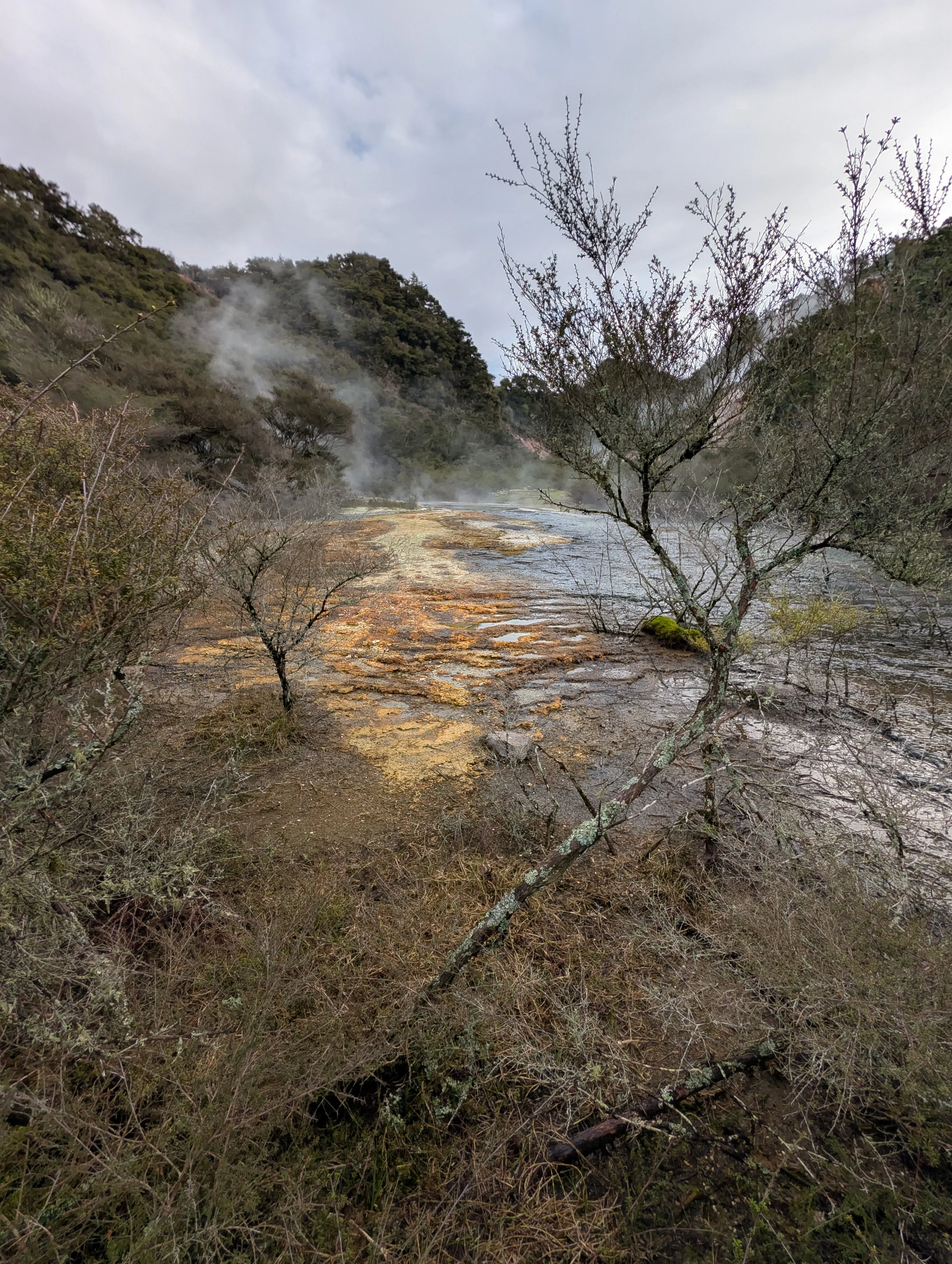
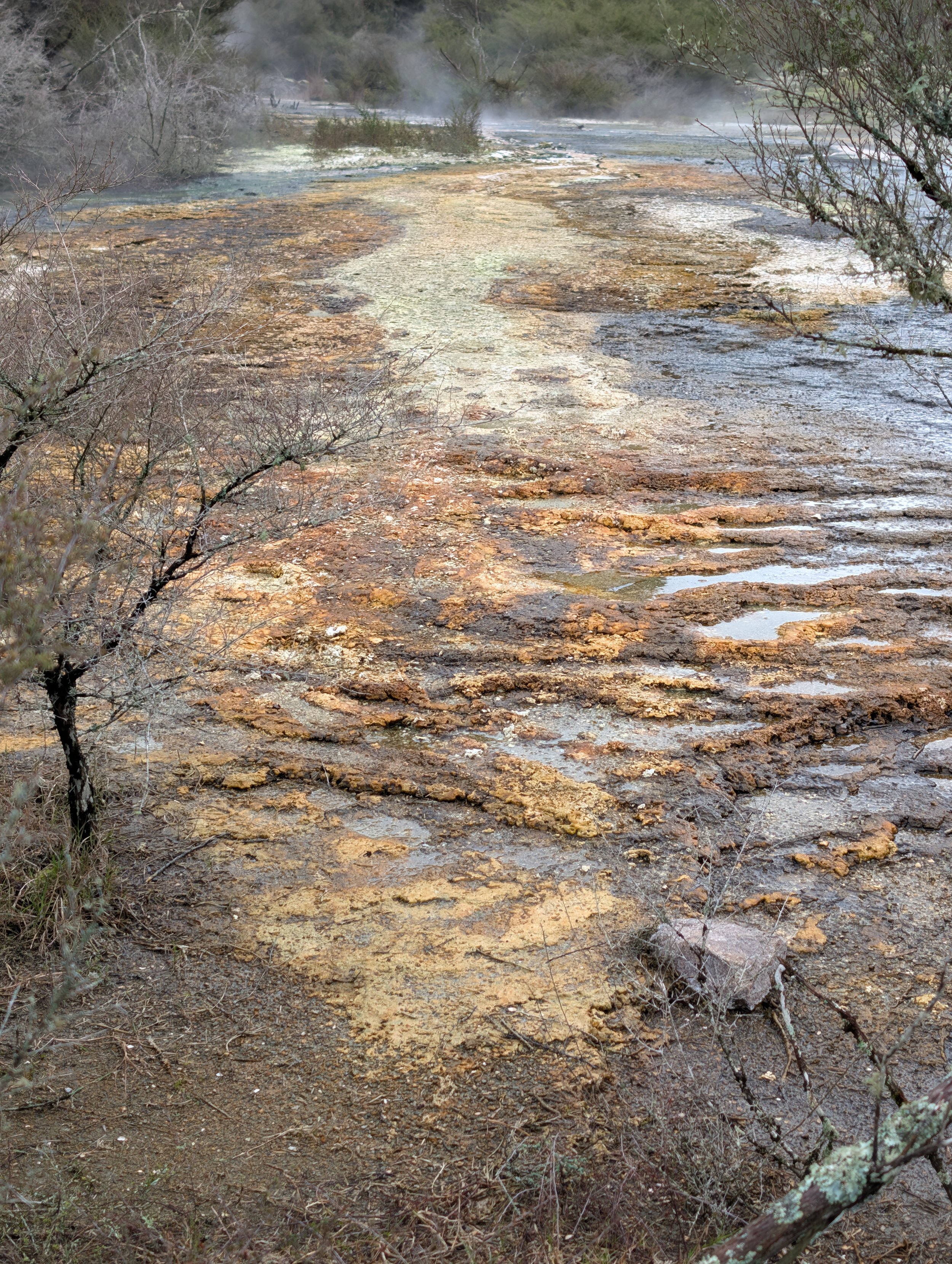
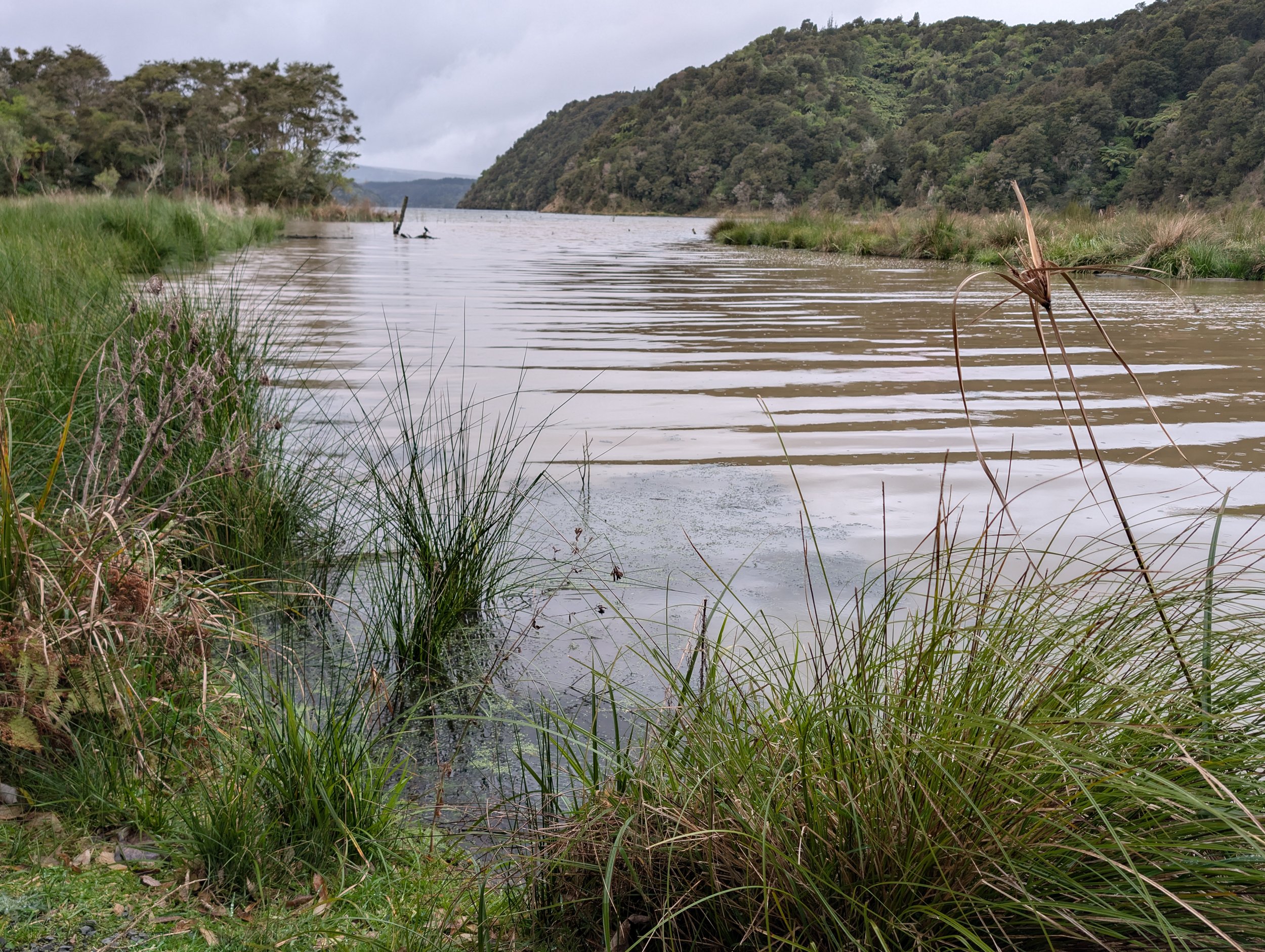
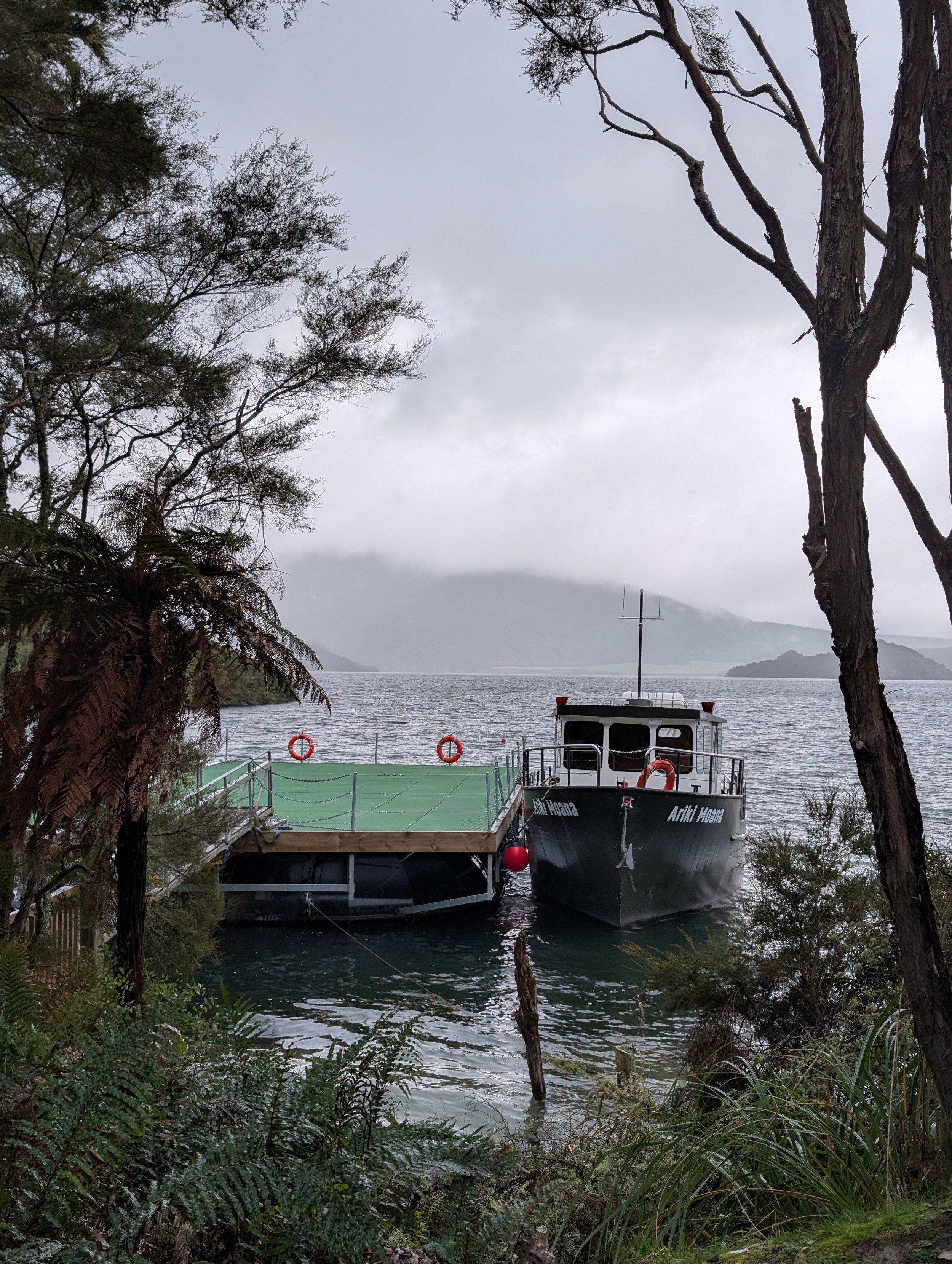
In the afternoon we went to the Waimangu Volcanic Valley to take a 4+ km. walk. The valley was created in 1886 when the region was shaken by the eruption of Mt. Tarawera. The volcanic eruption destroyed the surrounding area and opened the earth along a 17 kilometer rift, splitting Mt. Tarawera in two, exploding the nearby lake to 20 times its size and forming the seven craters that make up Waimangu Volcanic Valley. Despite the rain we saw a wide range of geothermal activity, plants, and bird life.
Wildlife
We saw a number of birds all throughout the walk (some of which we’ve seen all over the place here). The protected geothermal waters provide a safe bird sanctuary with plenty of aquatic plants to feed on. Most surprising were the black swans! We saw the first pair, and then a second pair (be sure to watch the video!), and then at the end of of the walk when we reached the lake, we saw no less than 7 pair!
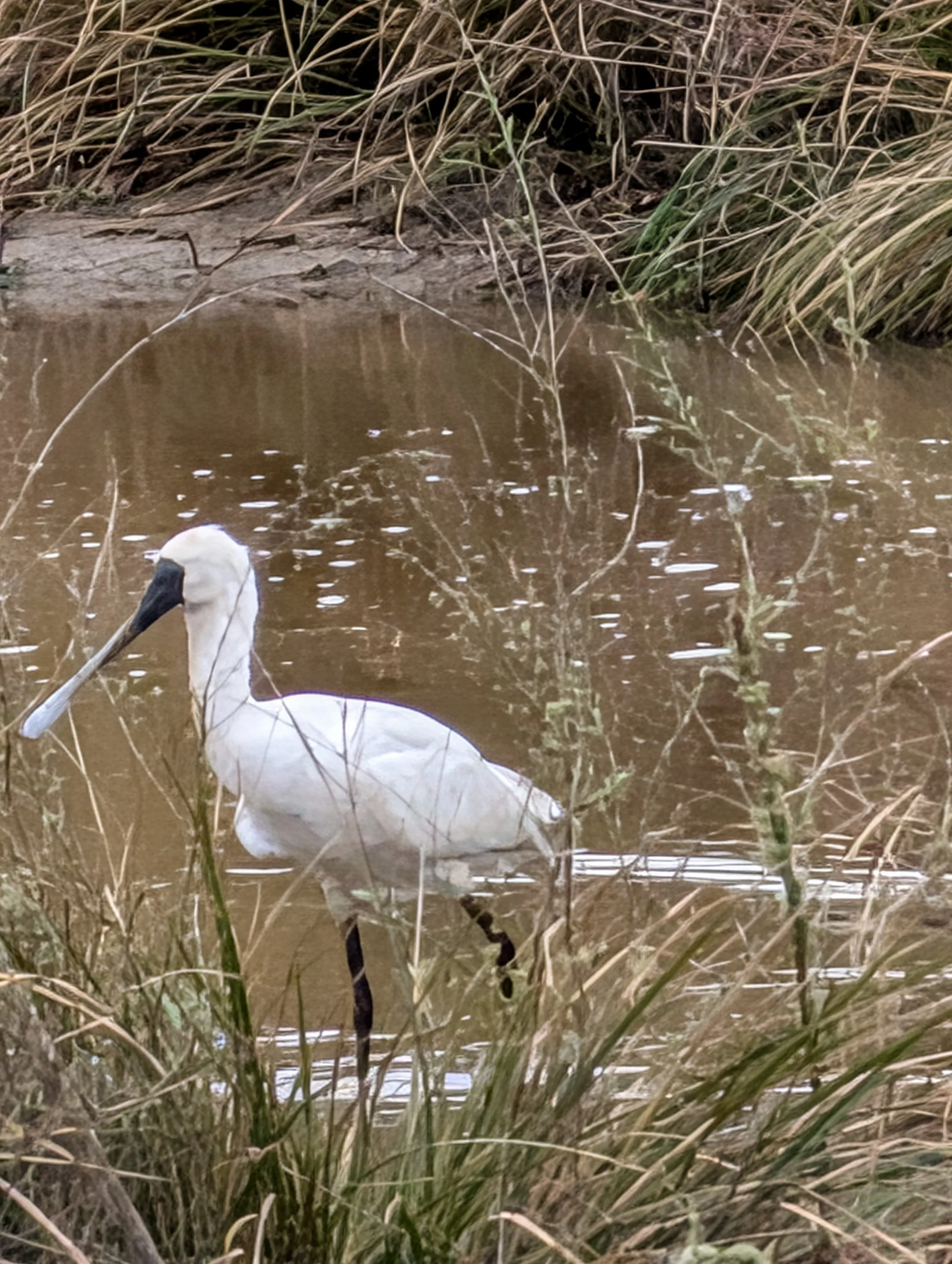
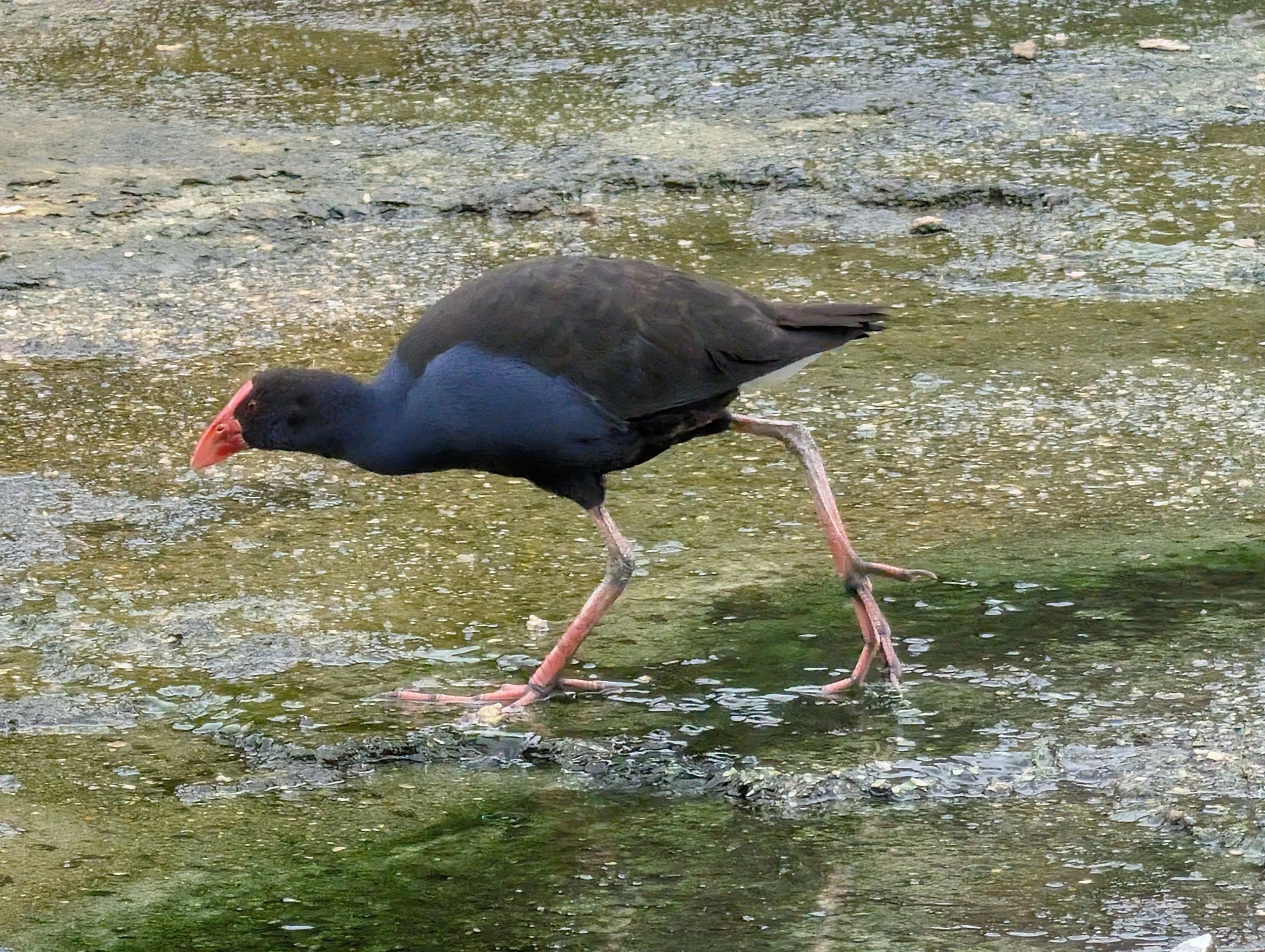
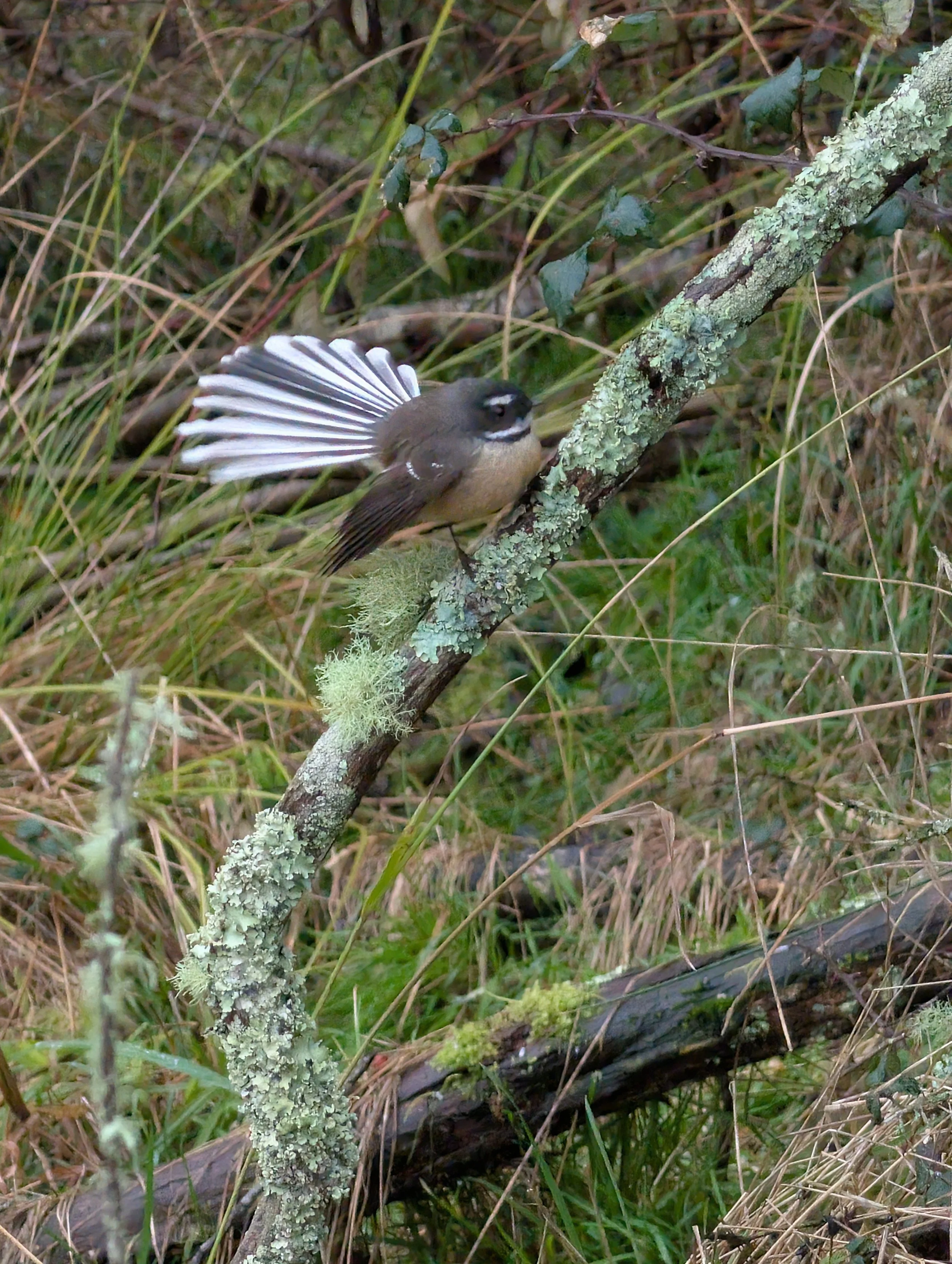
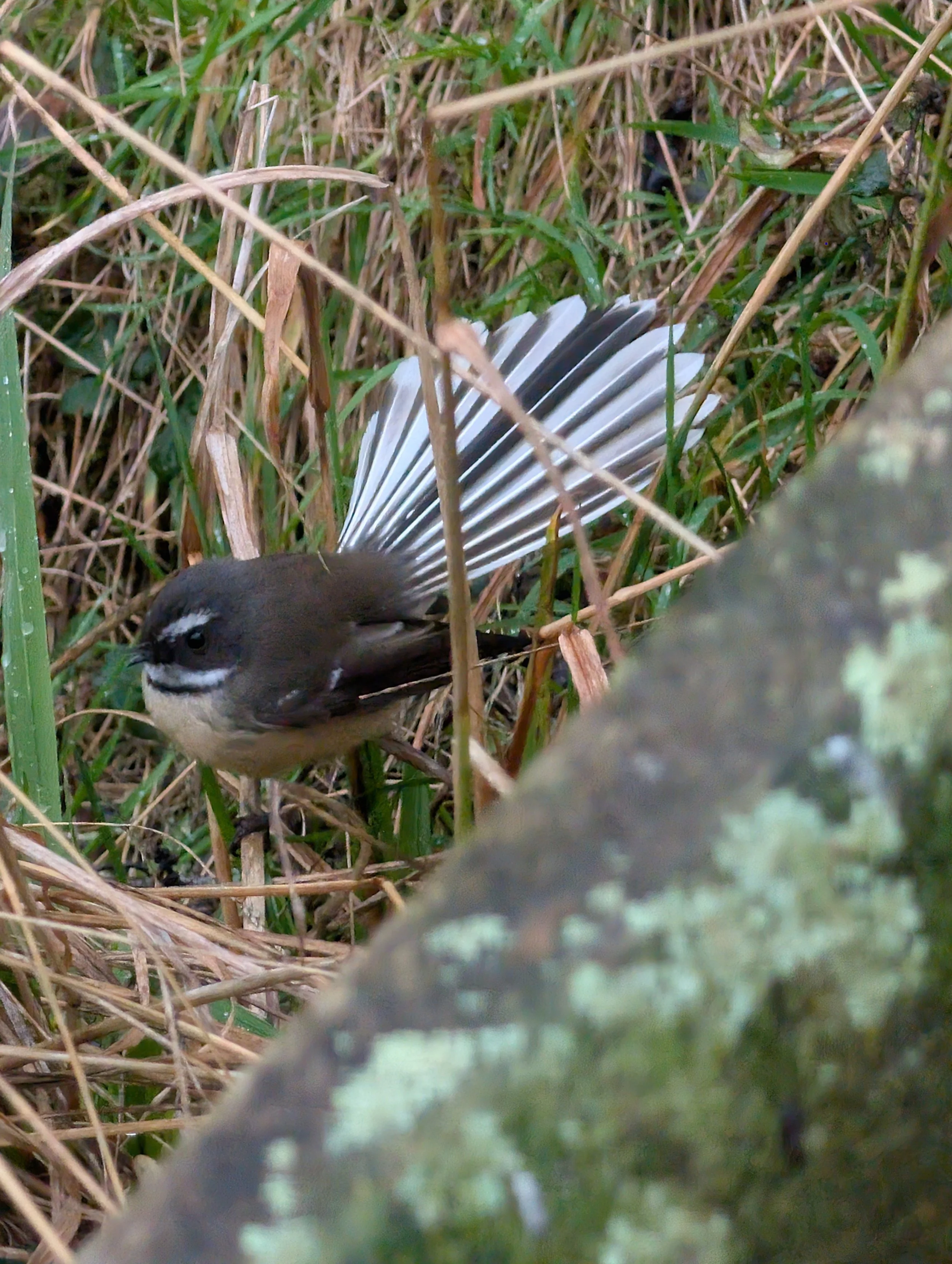
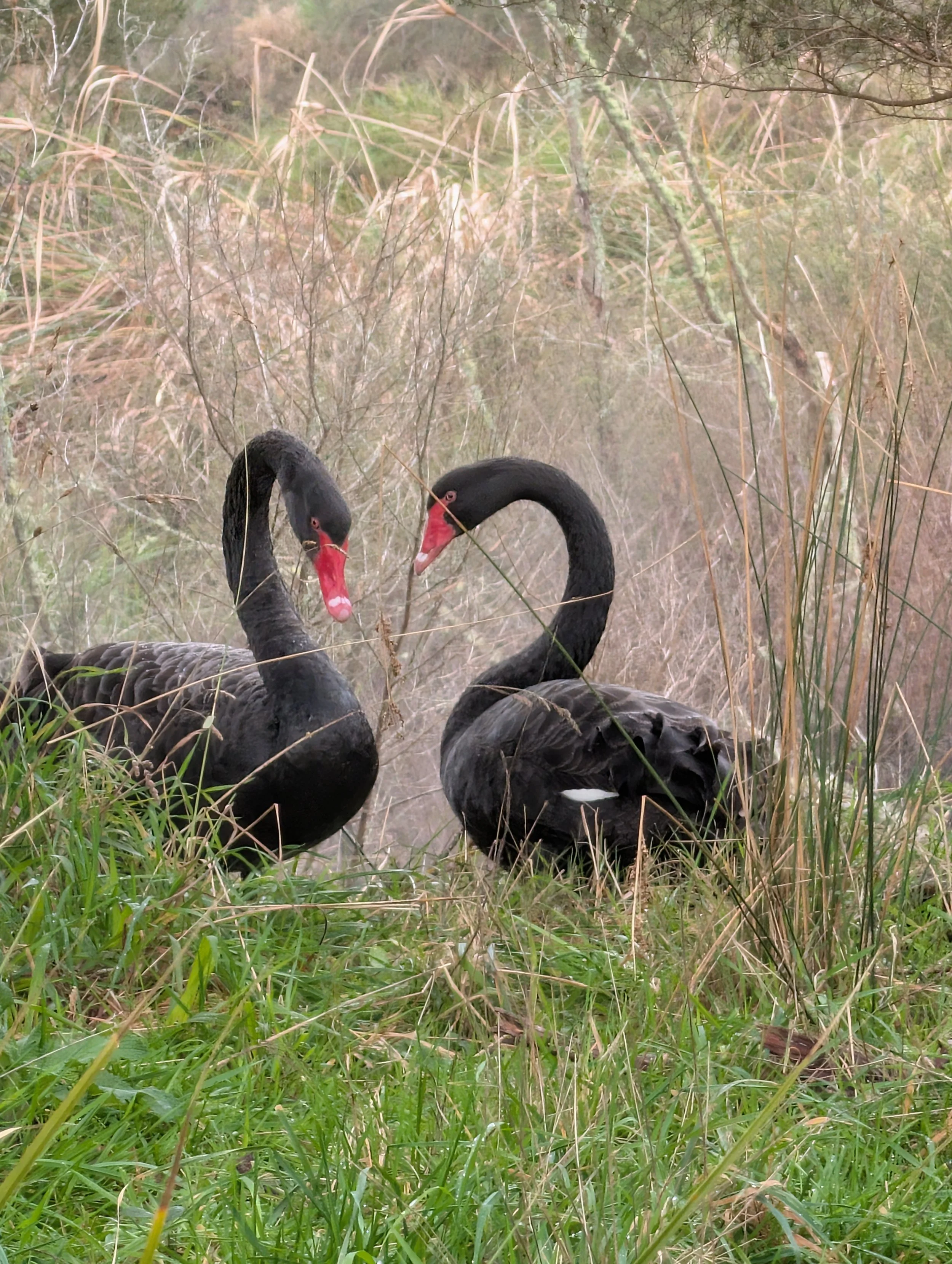
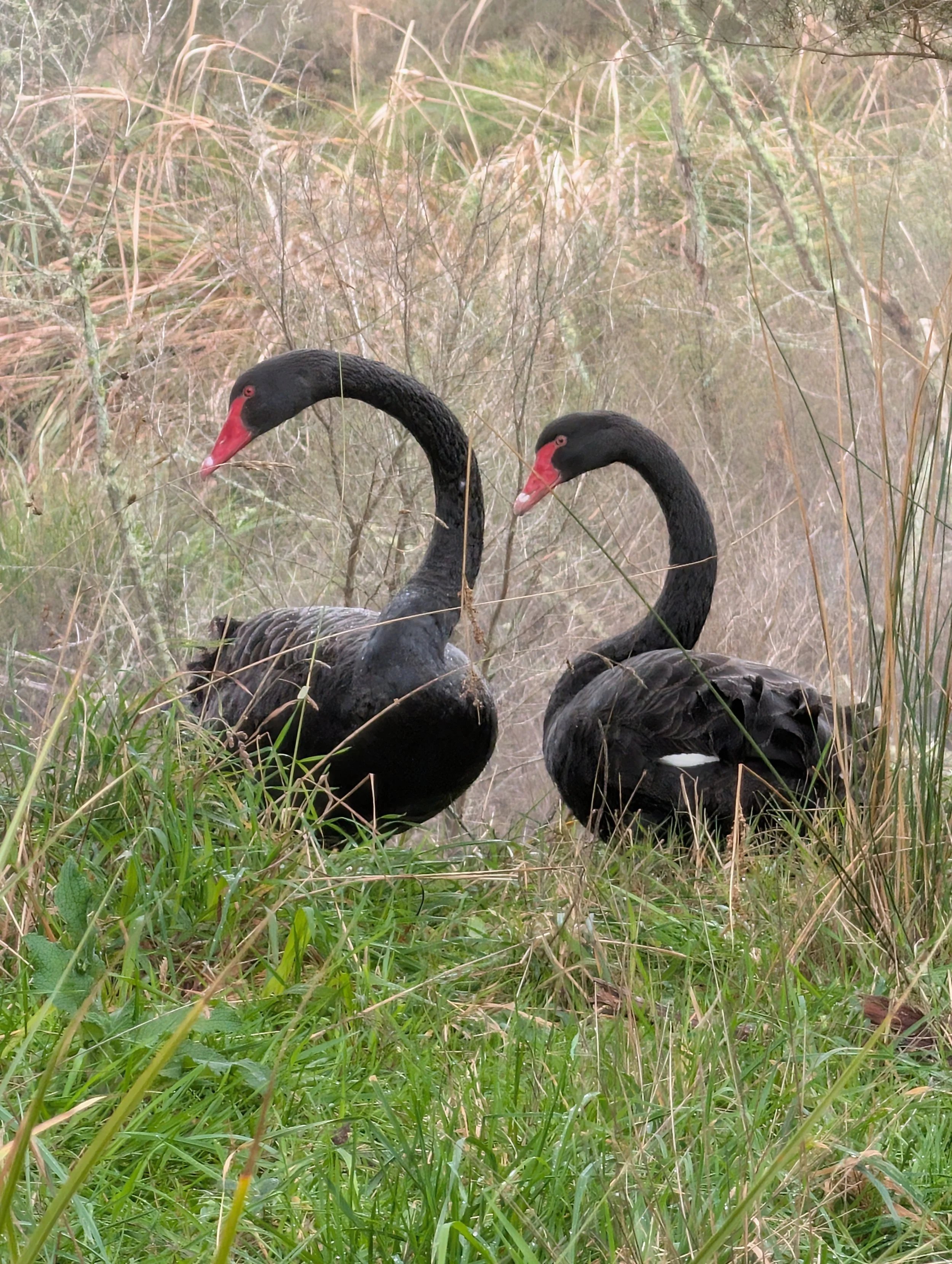
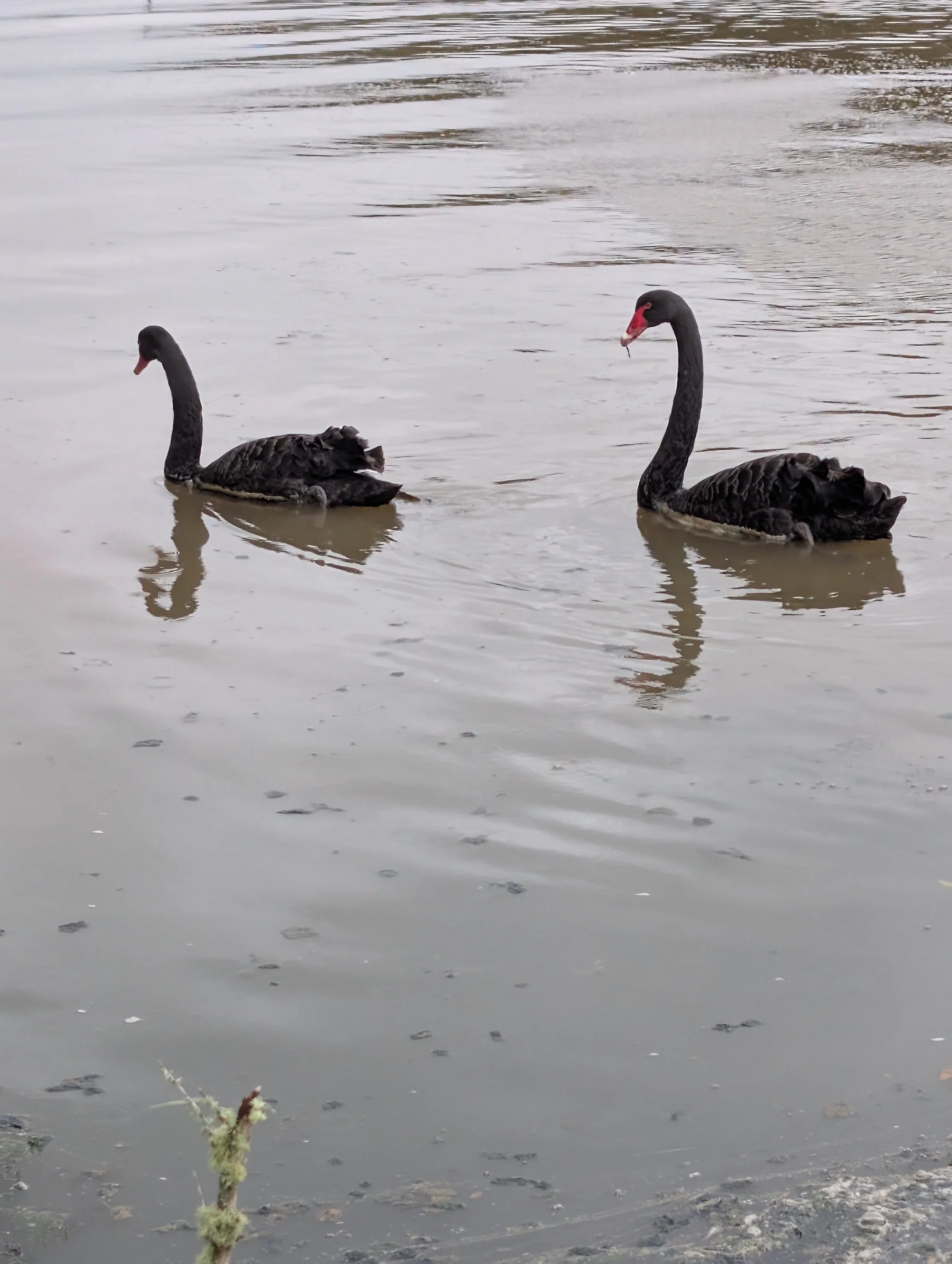
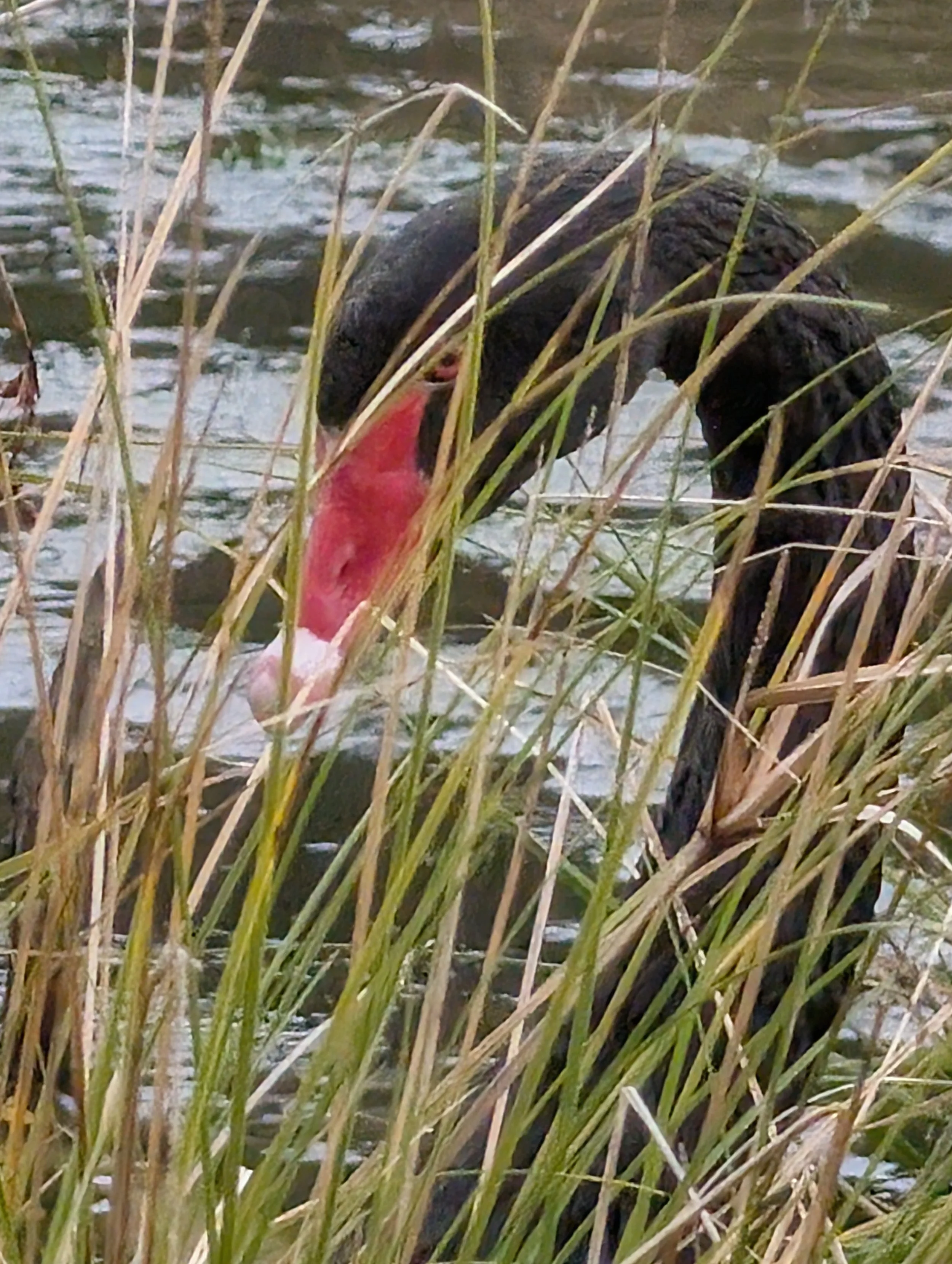
These two were mating and we were too close for comfort! I was hiding behind Mike in case they saw us as an intrusion to their privacy!
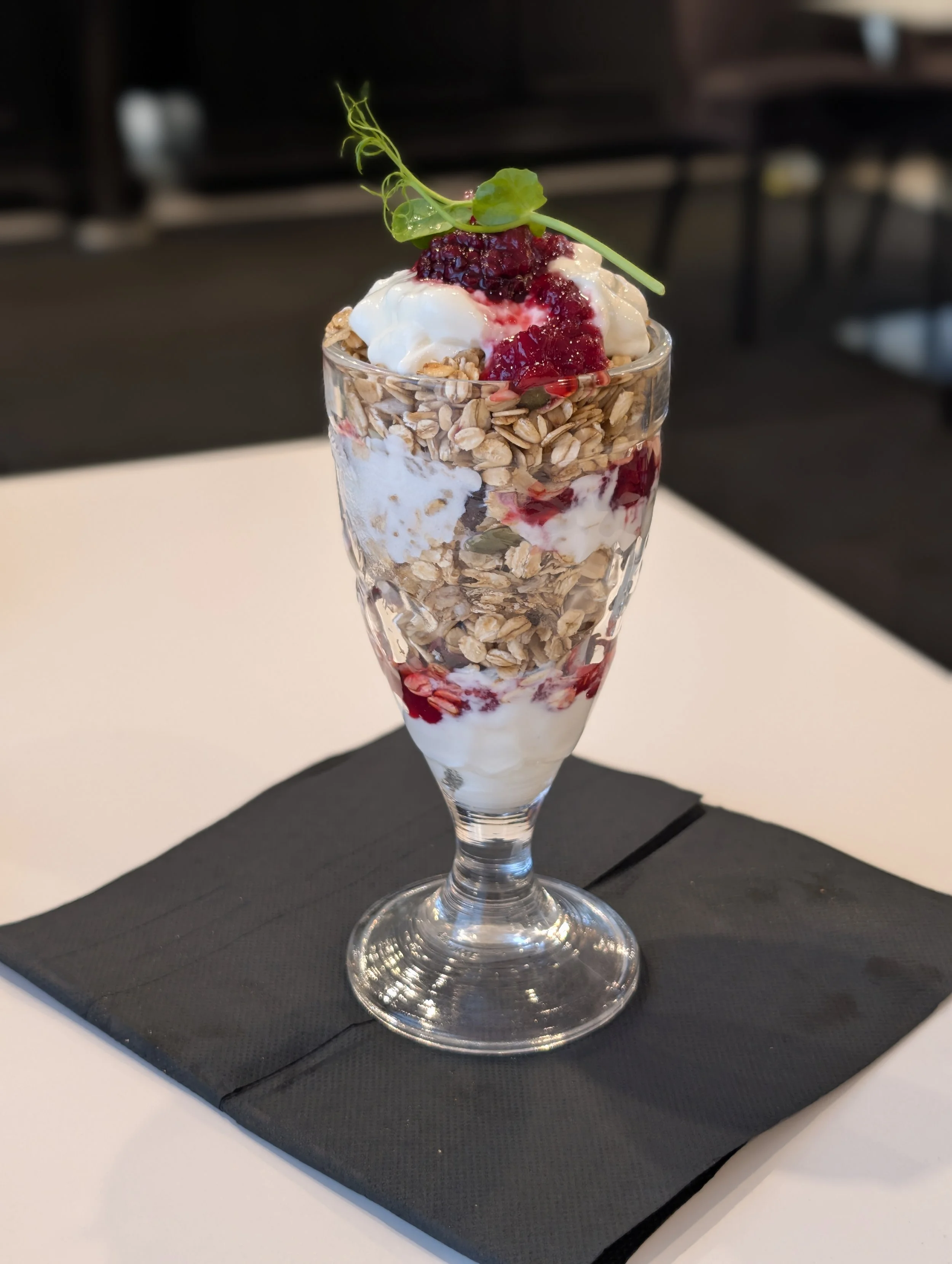
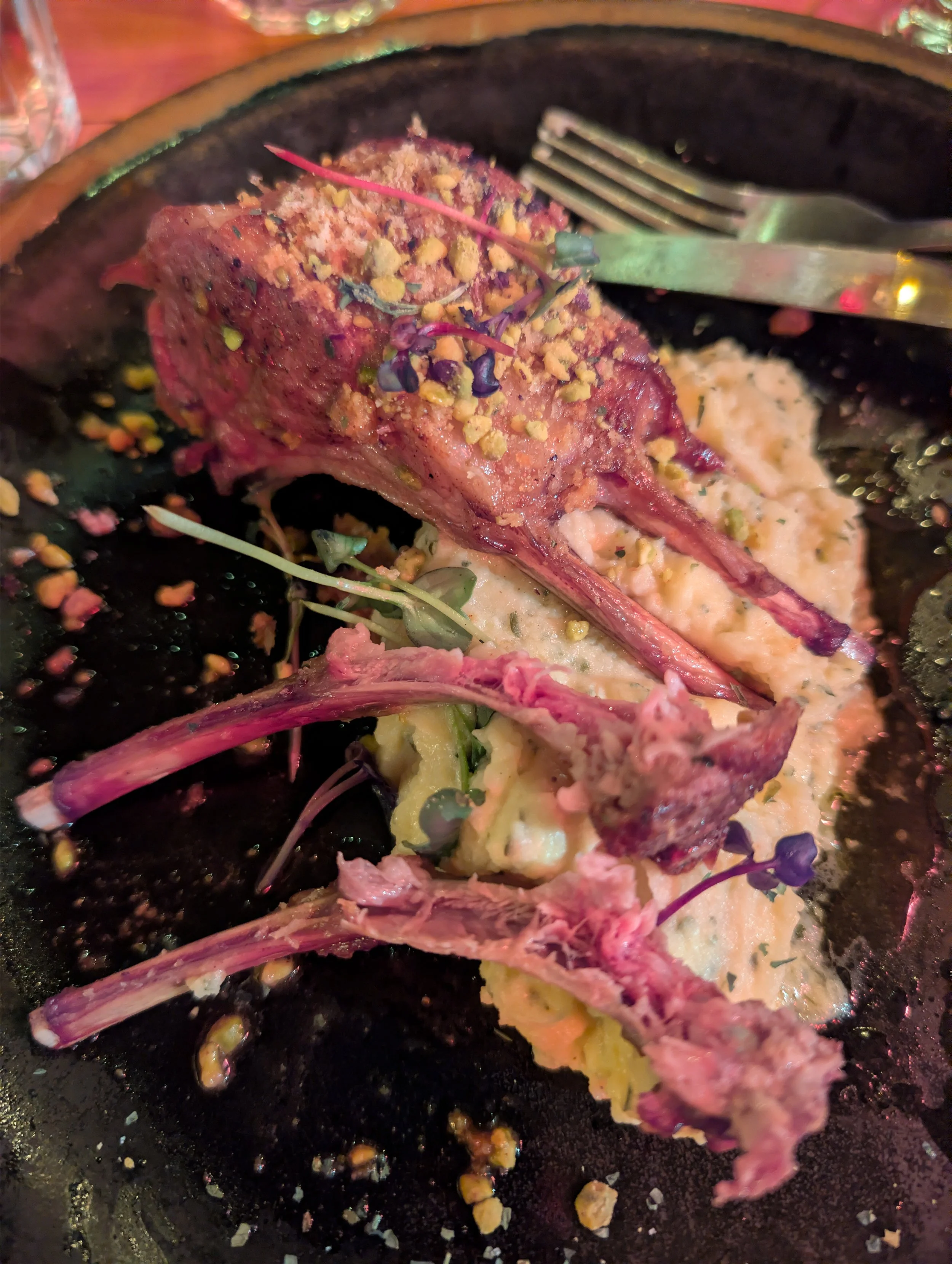
Today’s Food:
Tomorrow we leave the North Island and fly to the South Island….