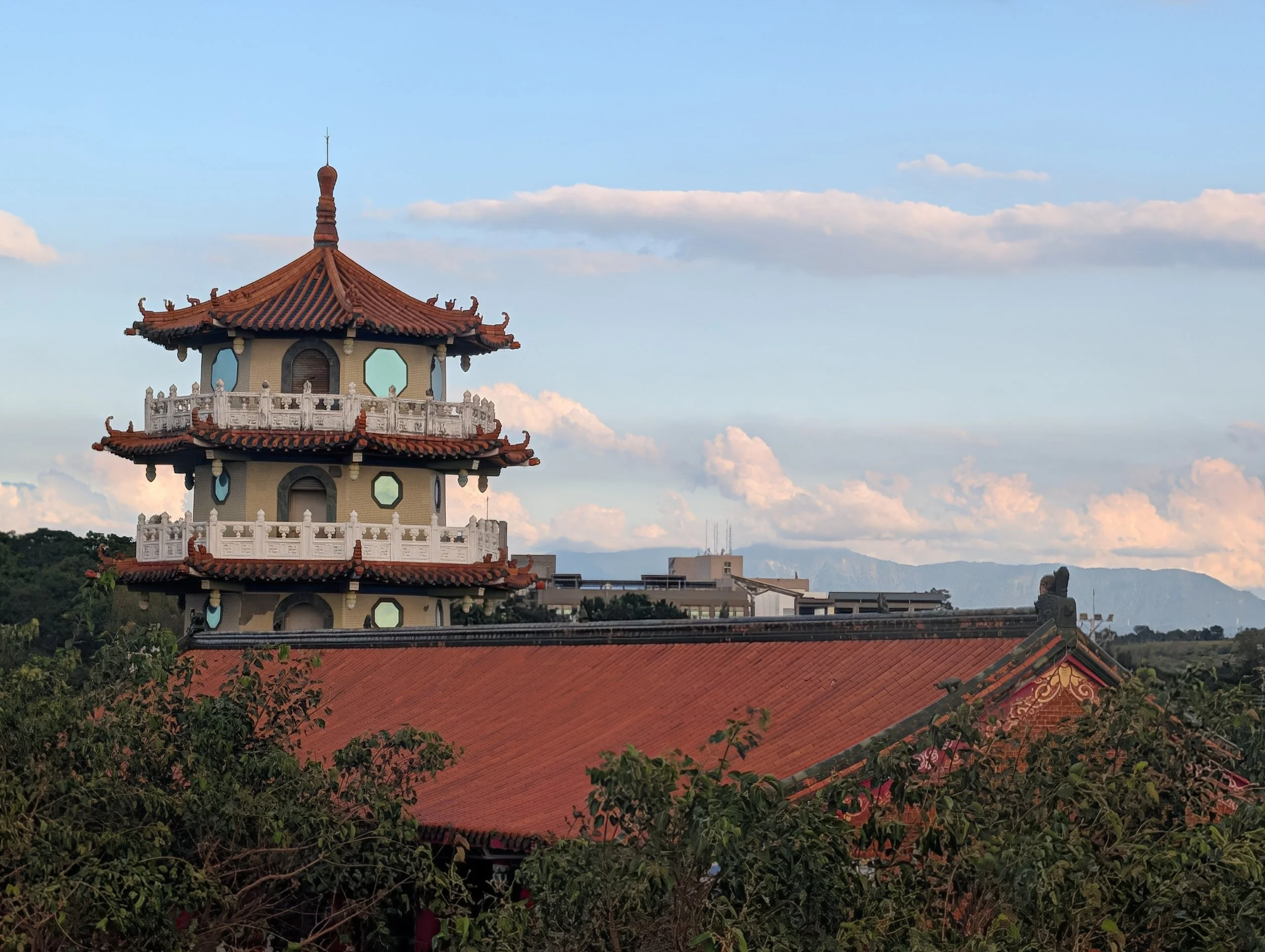
Sunday, November 15
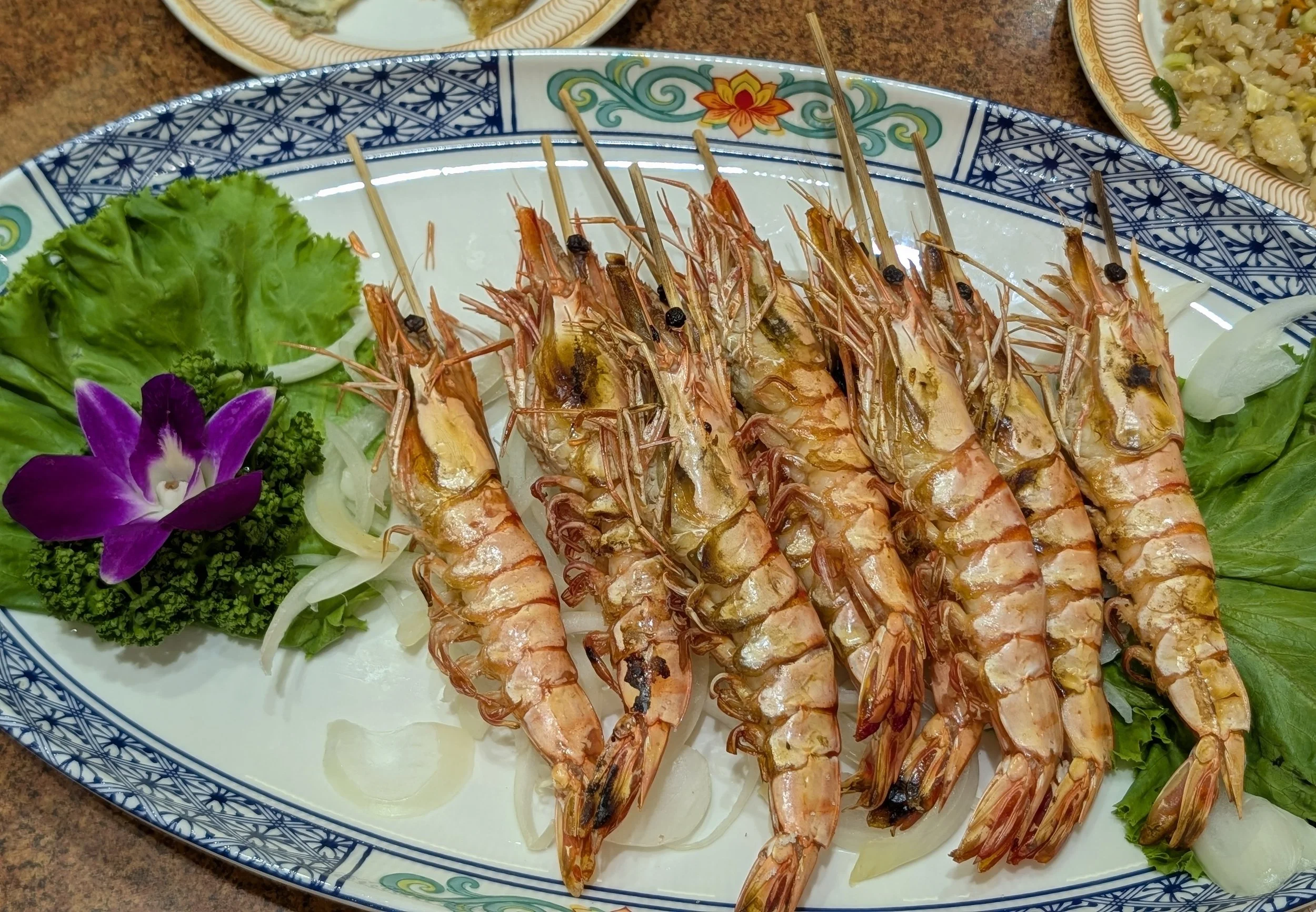
Grilled Prawns: It’s what’s for lunch!
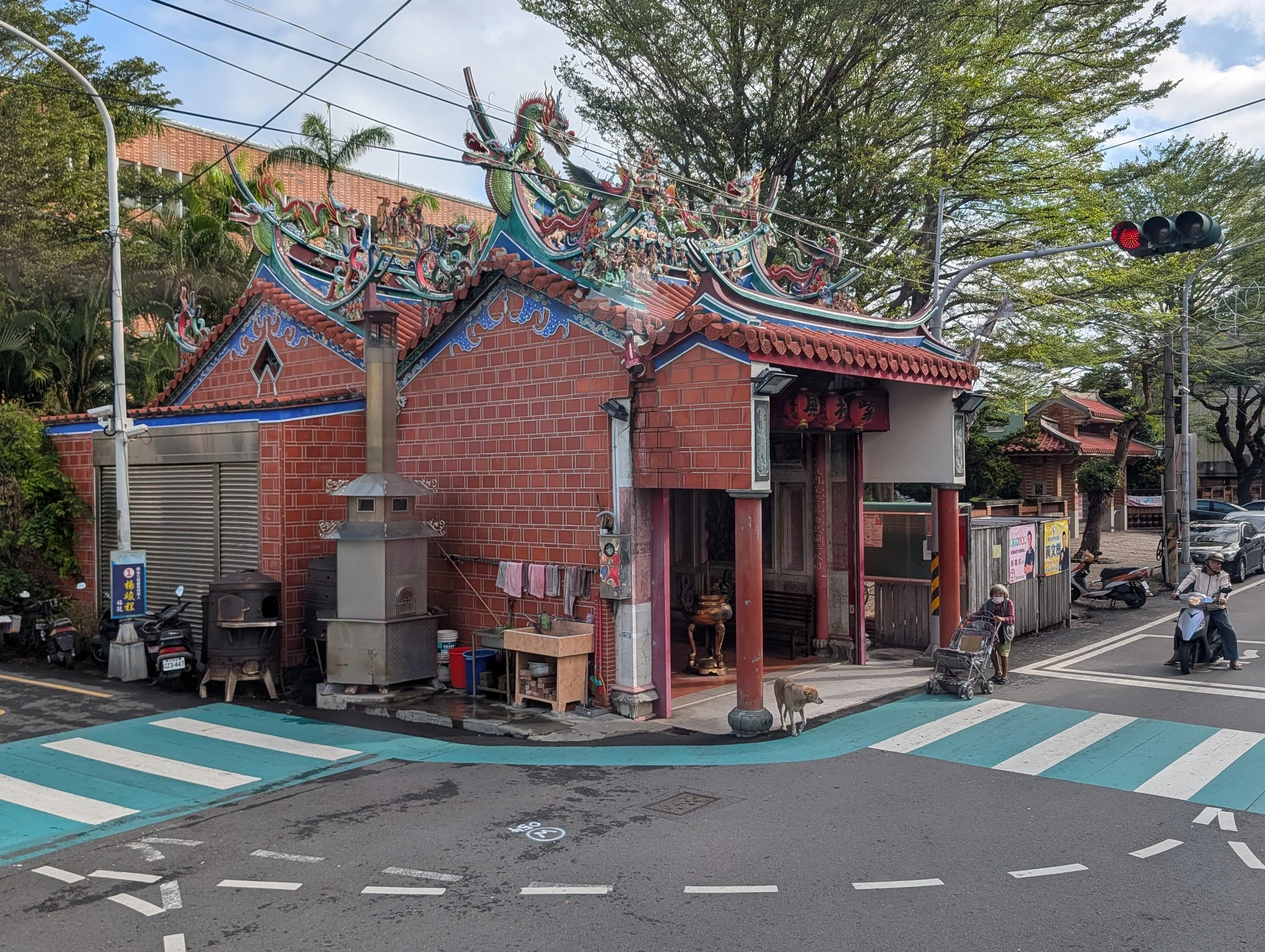
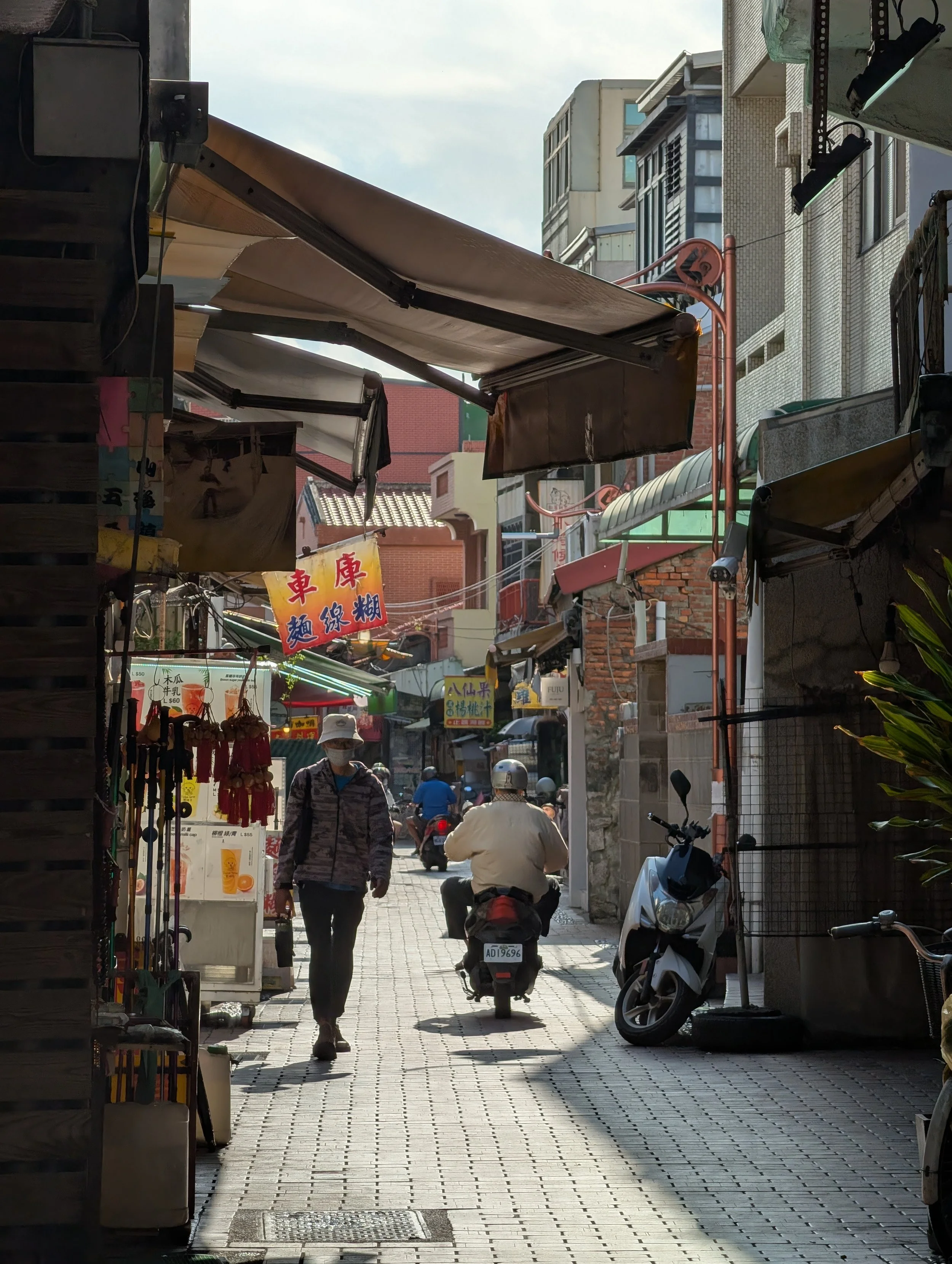
Lukang is on Taiwan’s west coast about 45 minutes’ drive from Taichung. During the Qing Dynasty (1683-1895) Lukang was one of Taiwan’s leading ports, with merchant guilds, craft workshops, and temples crowded along brick lanes in a compact grid. As trade routes changed in the late 19th C. Lukang’s pace slowed. It is now known for temple festivals, woodcarving, and lantern workshops.
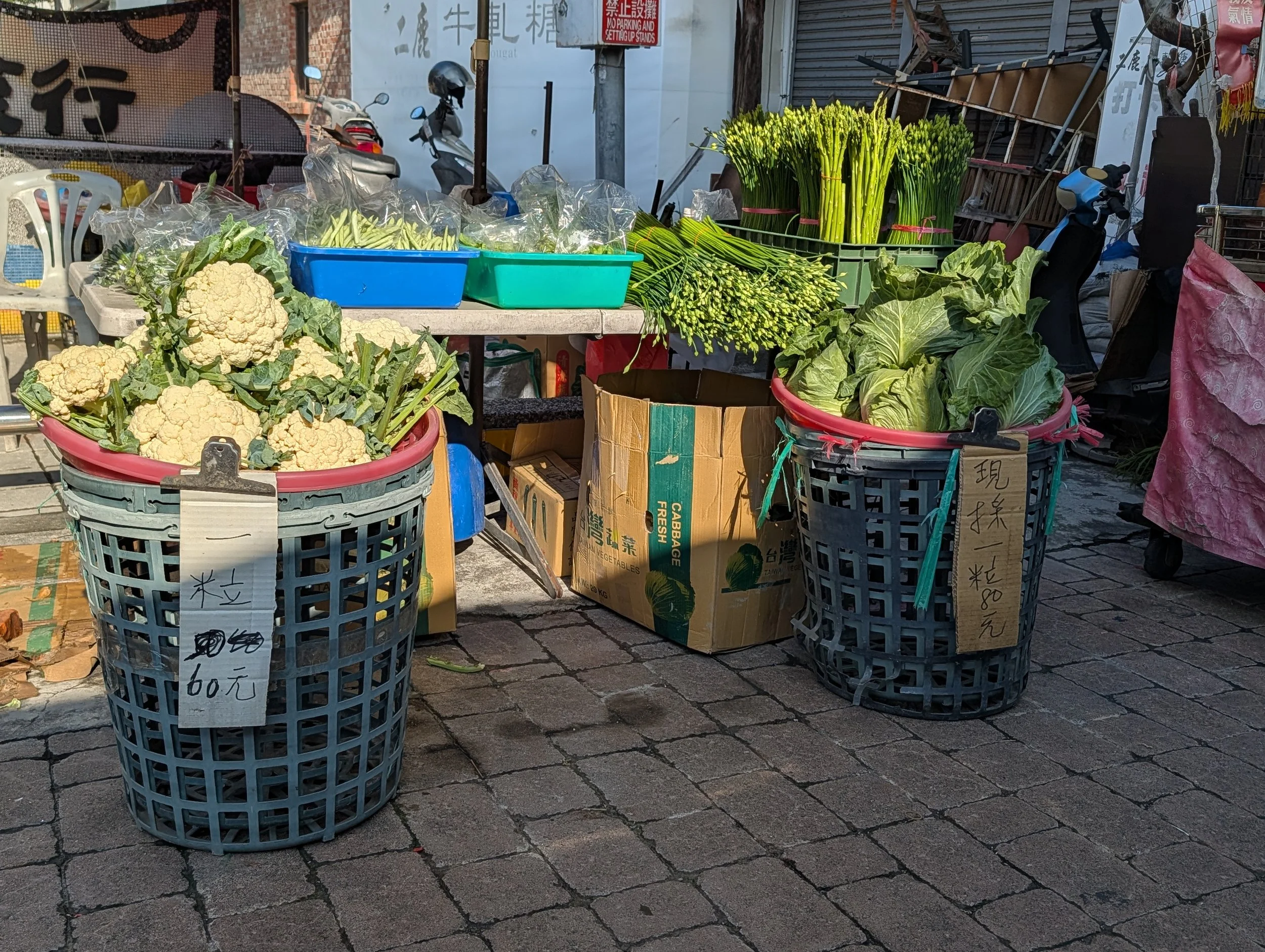
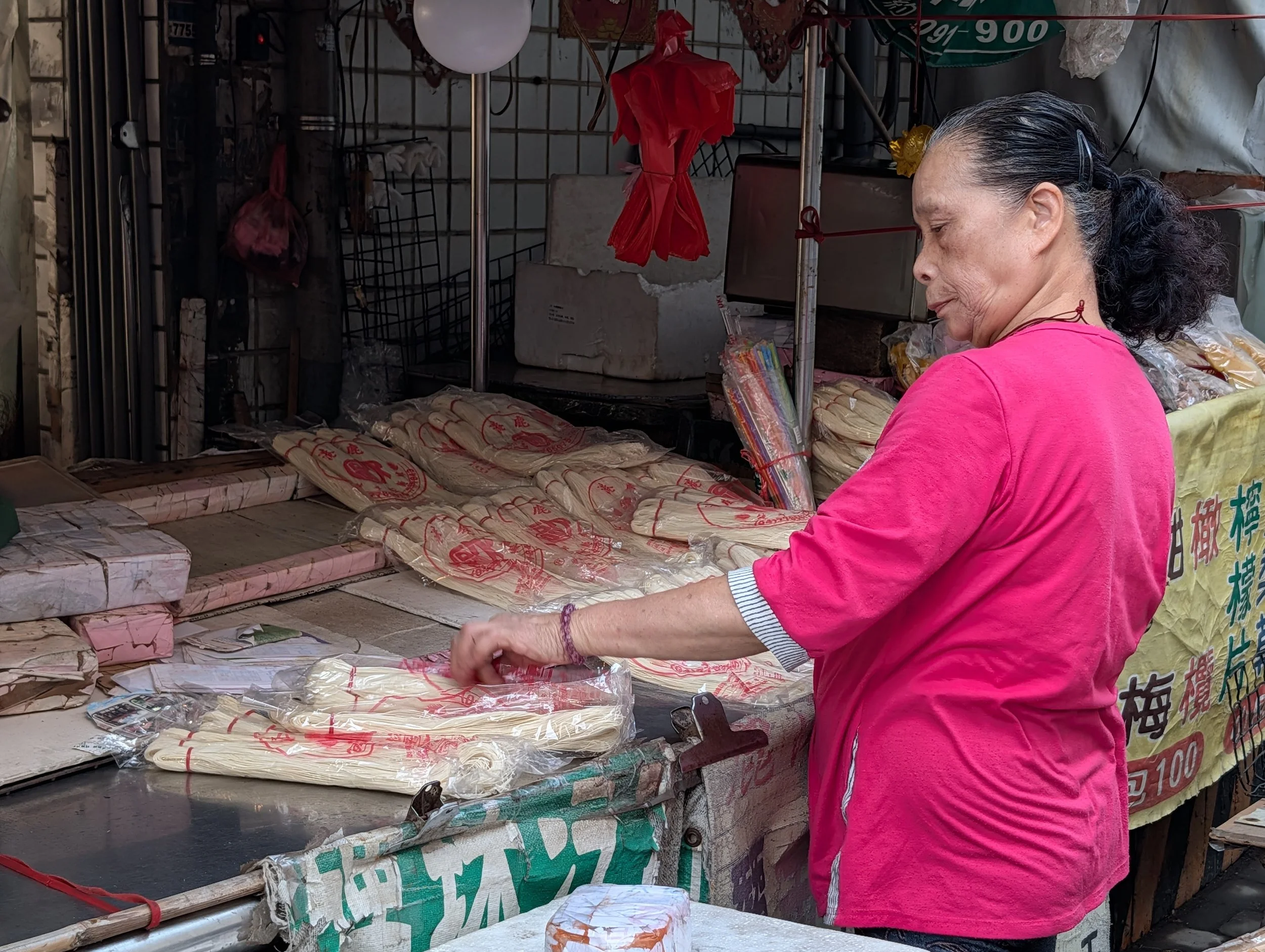
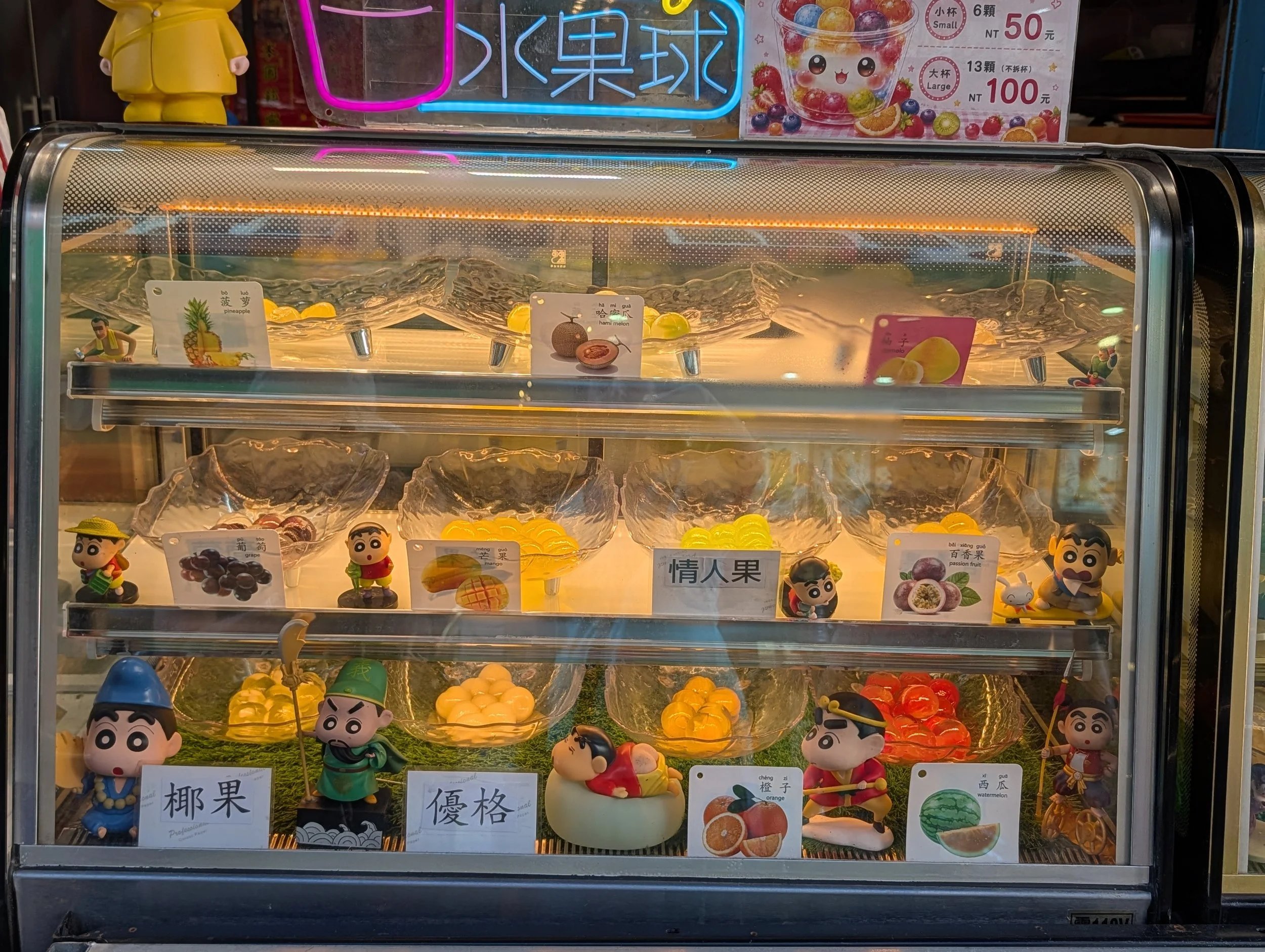
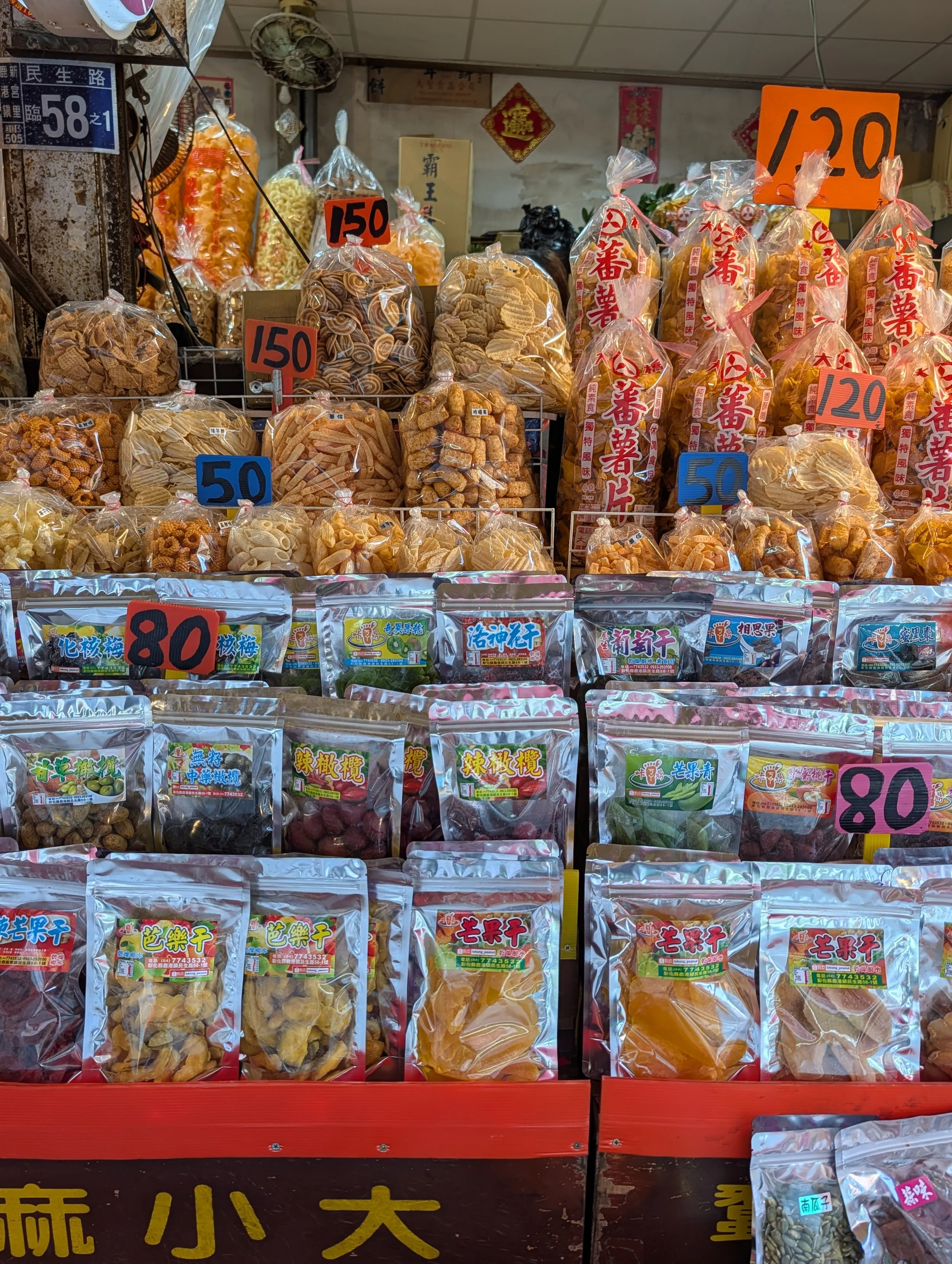
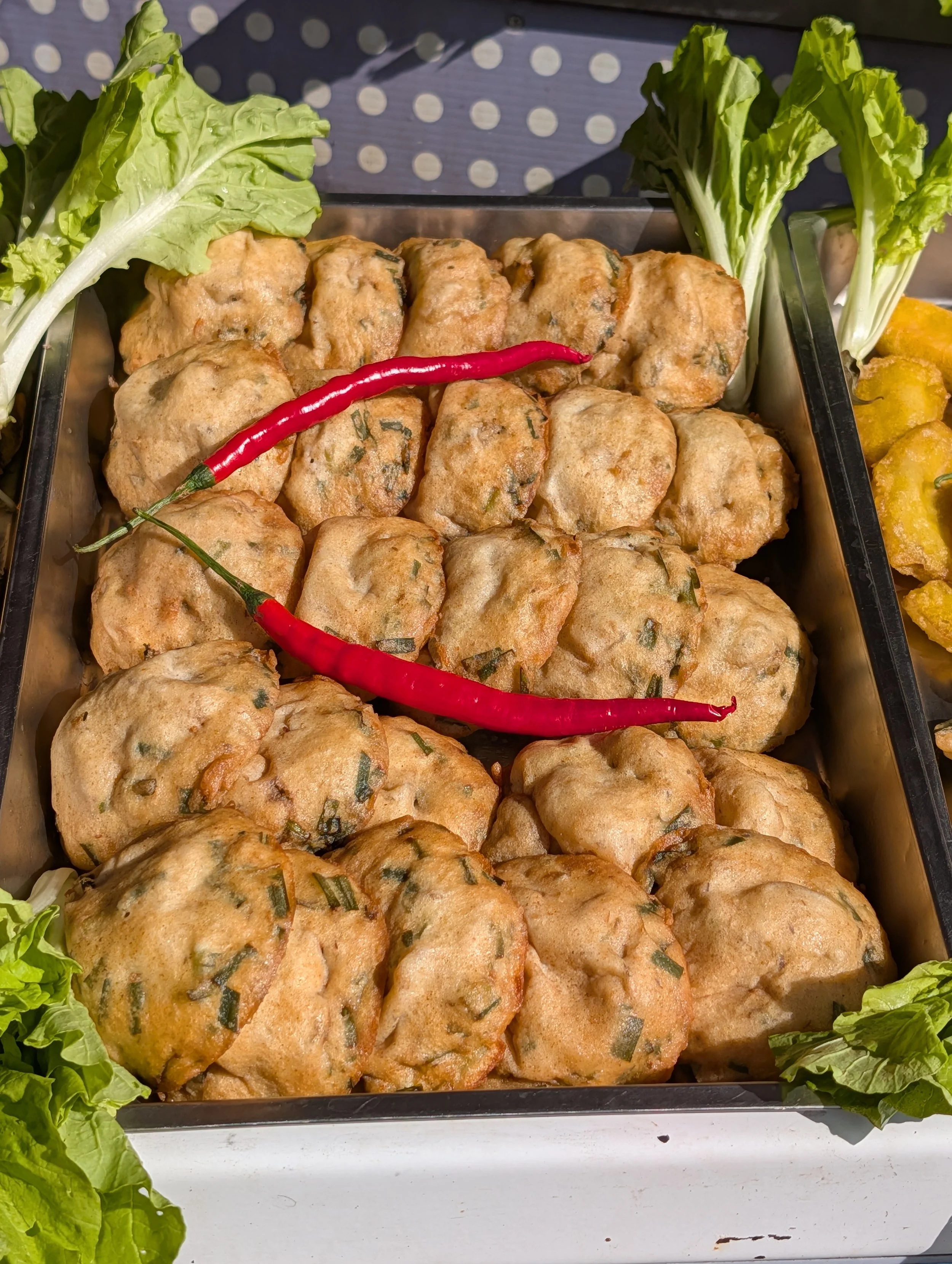
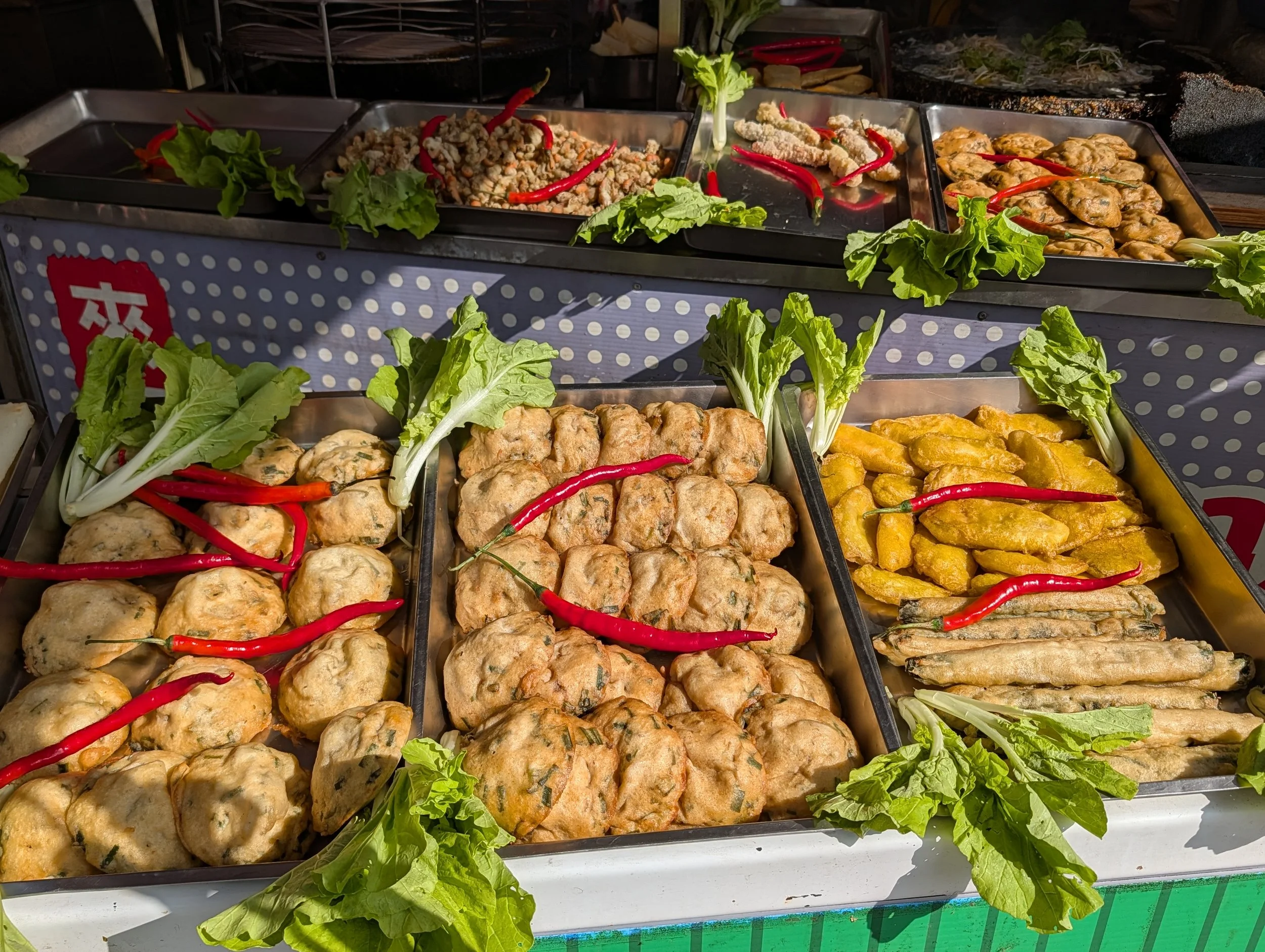
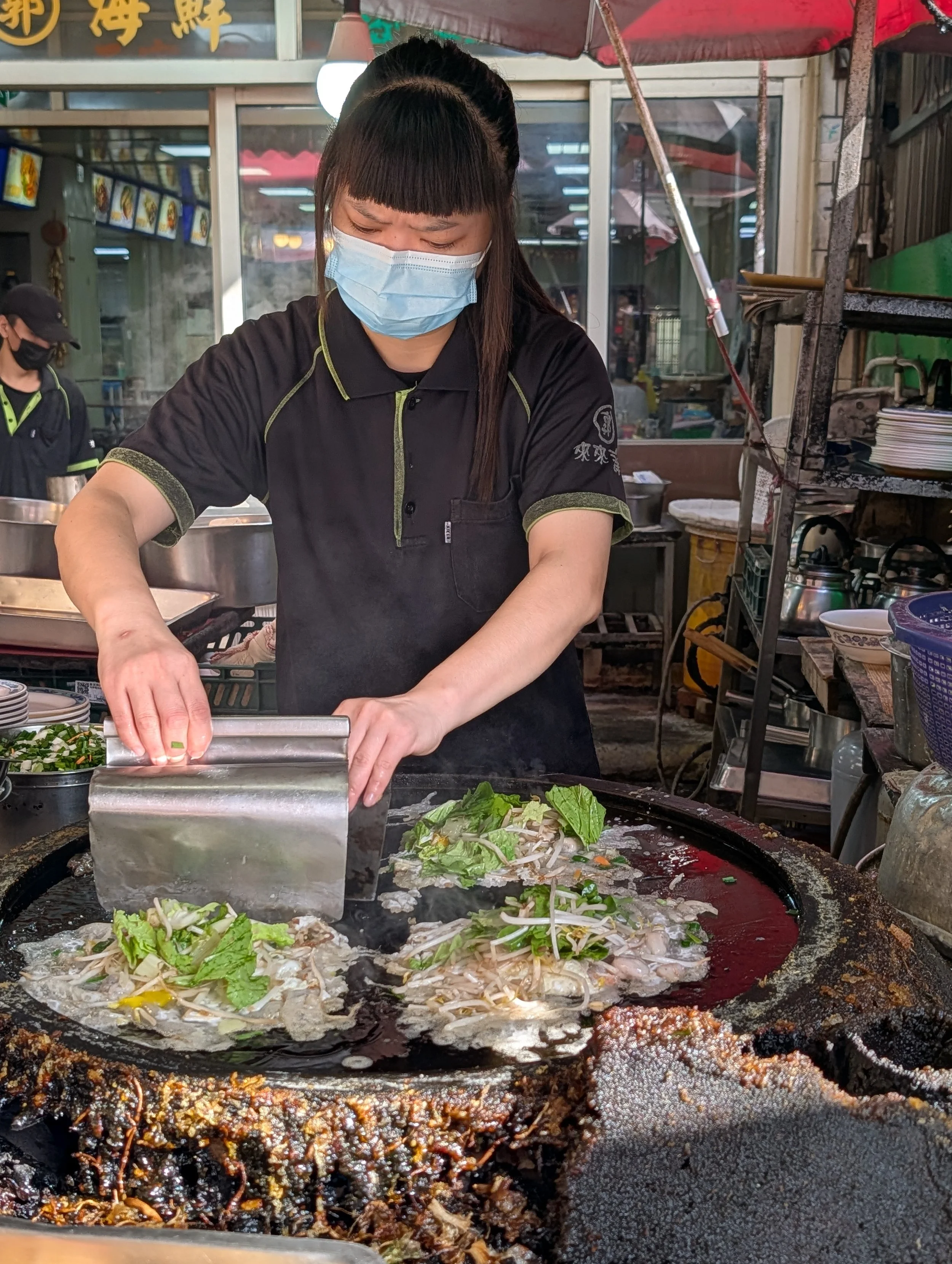
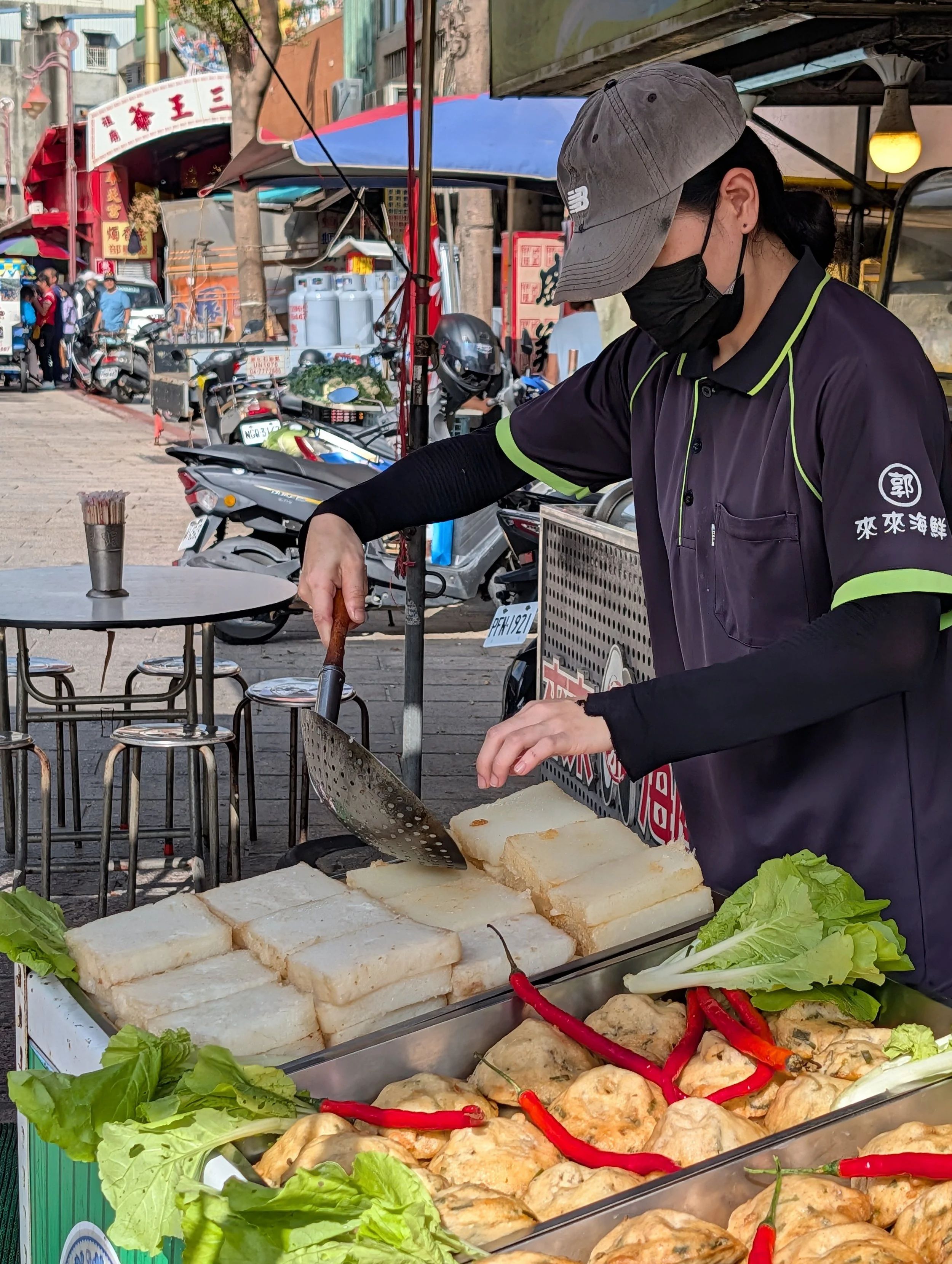
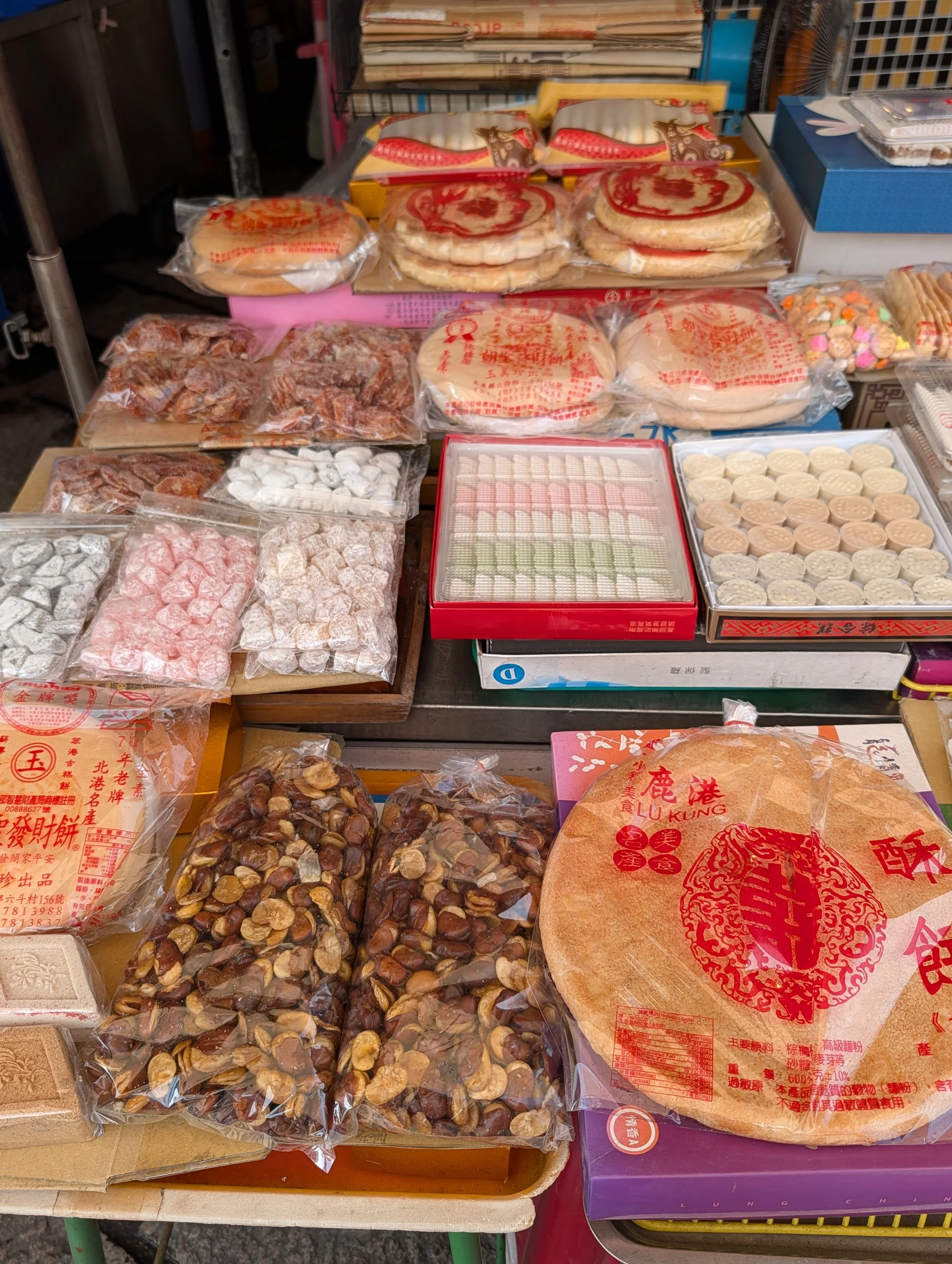
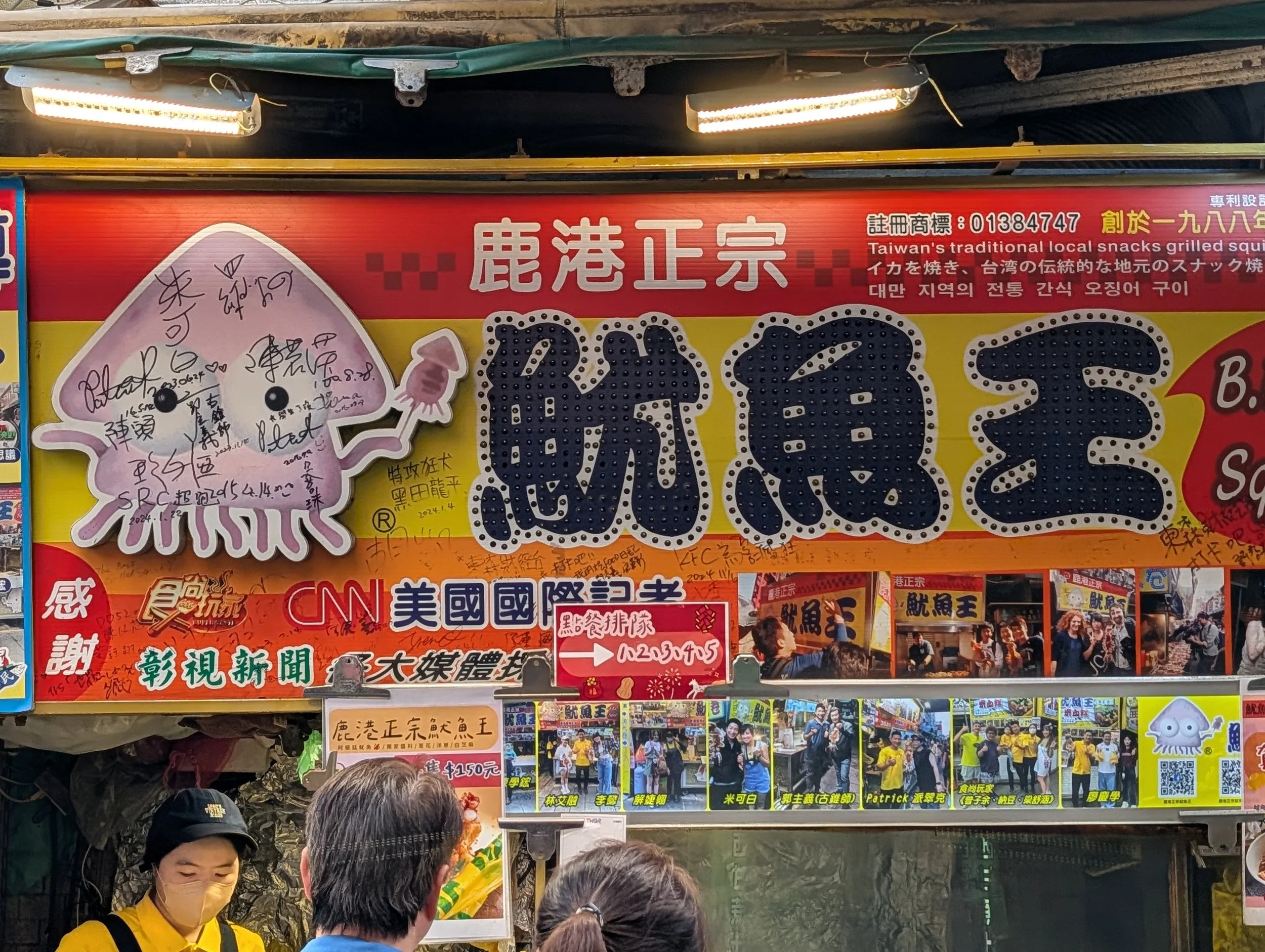
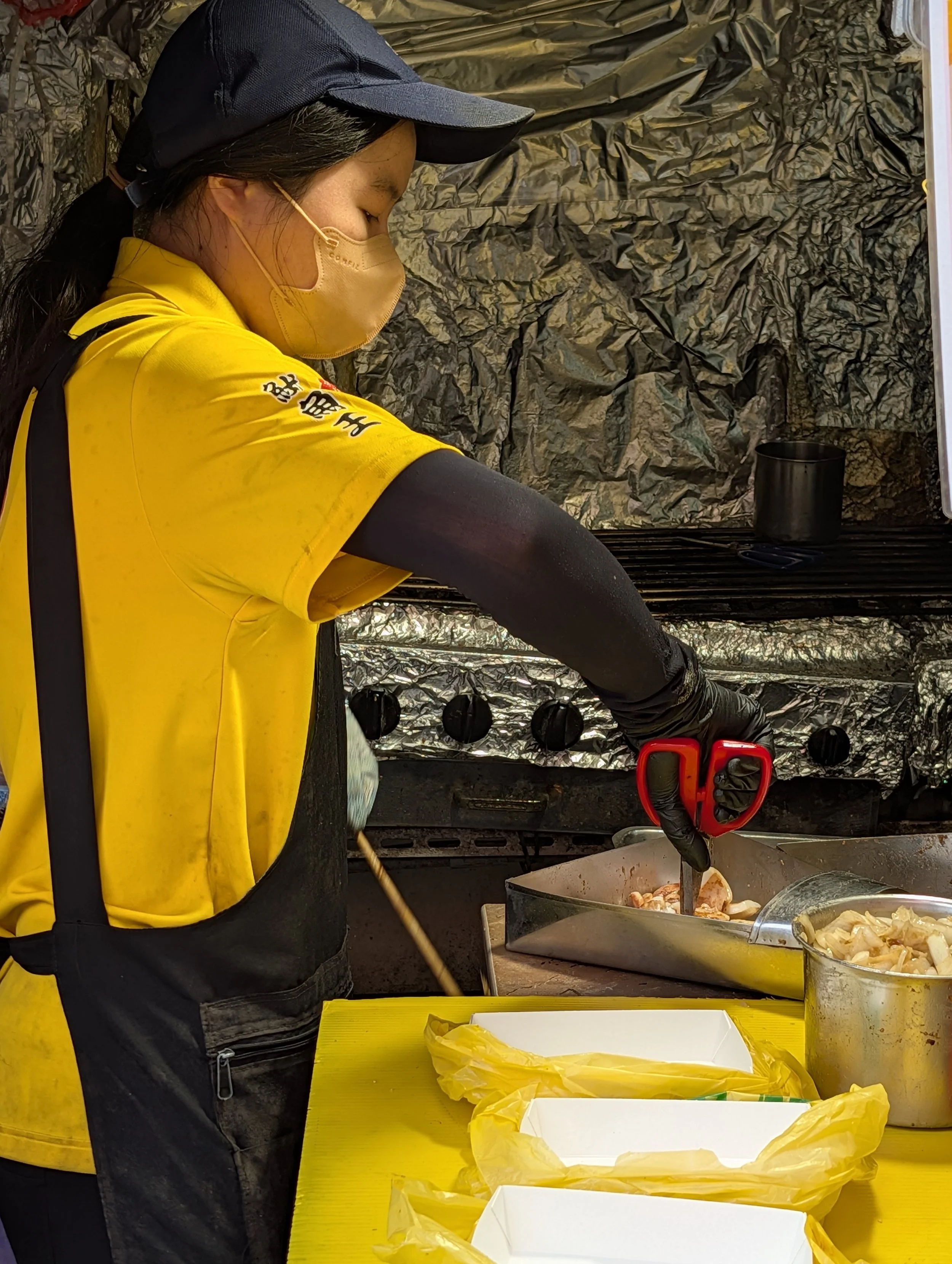
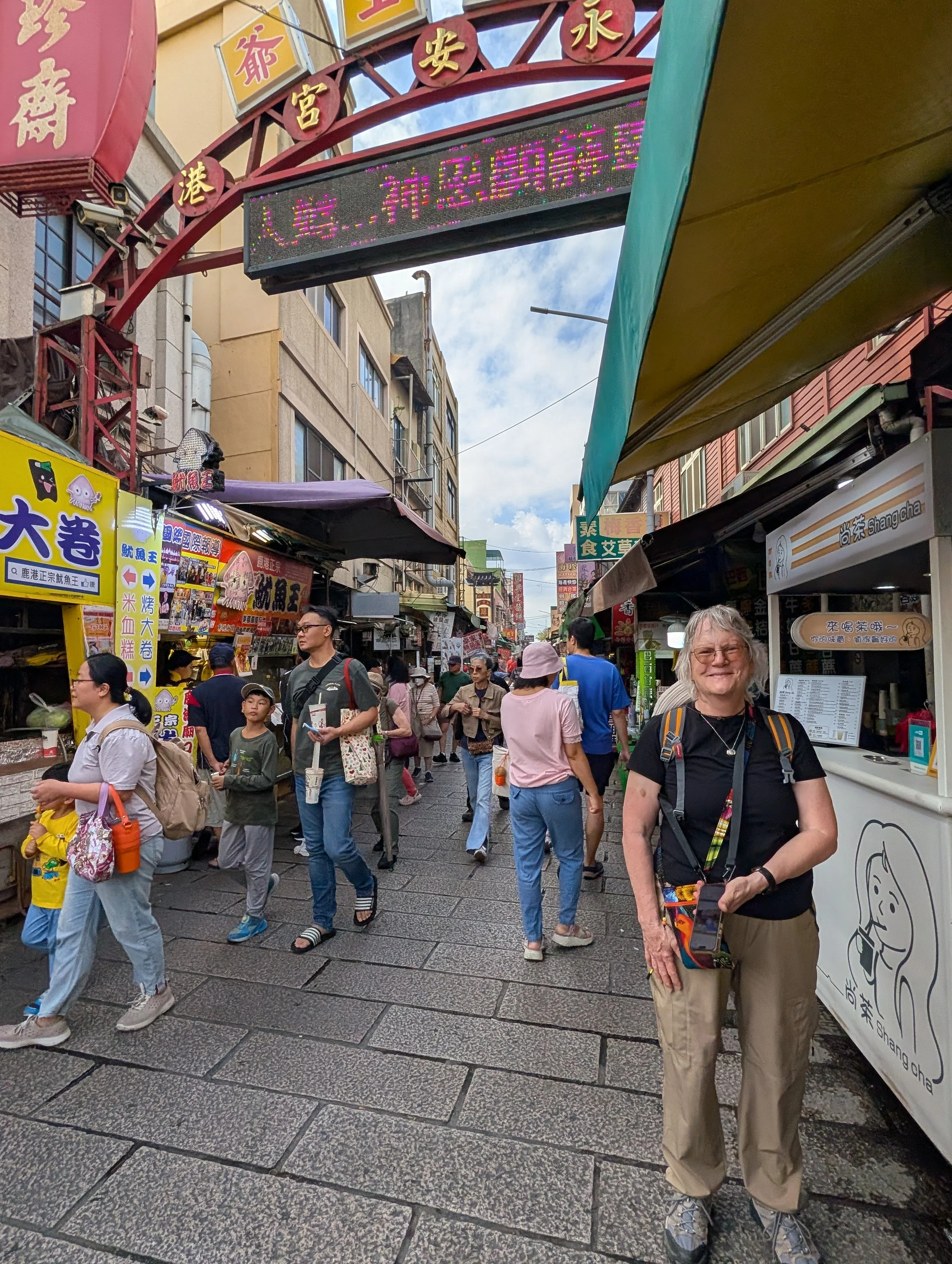
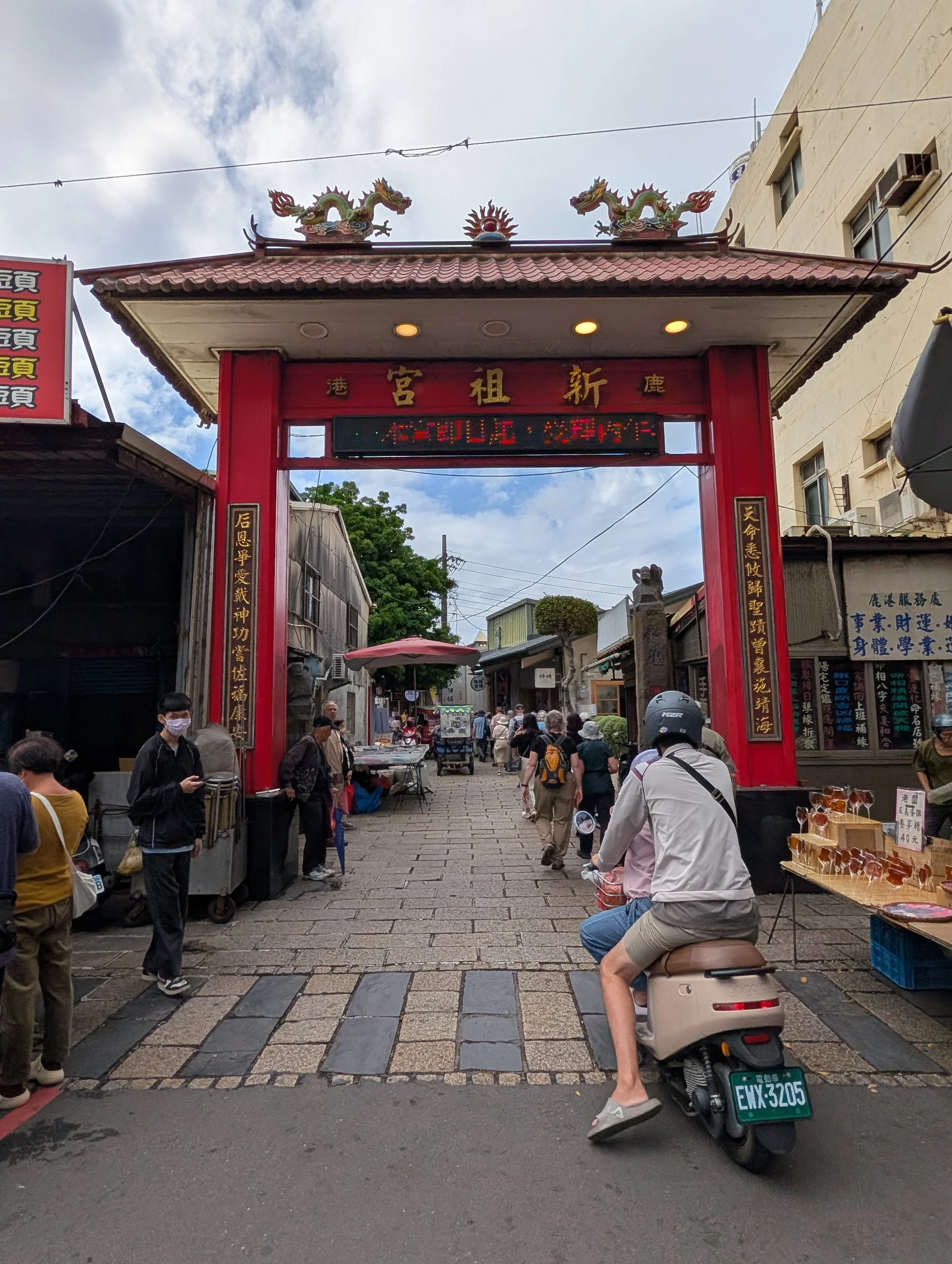
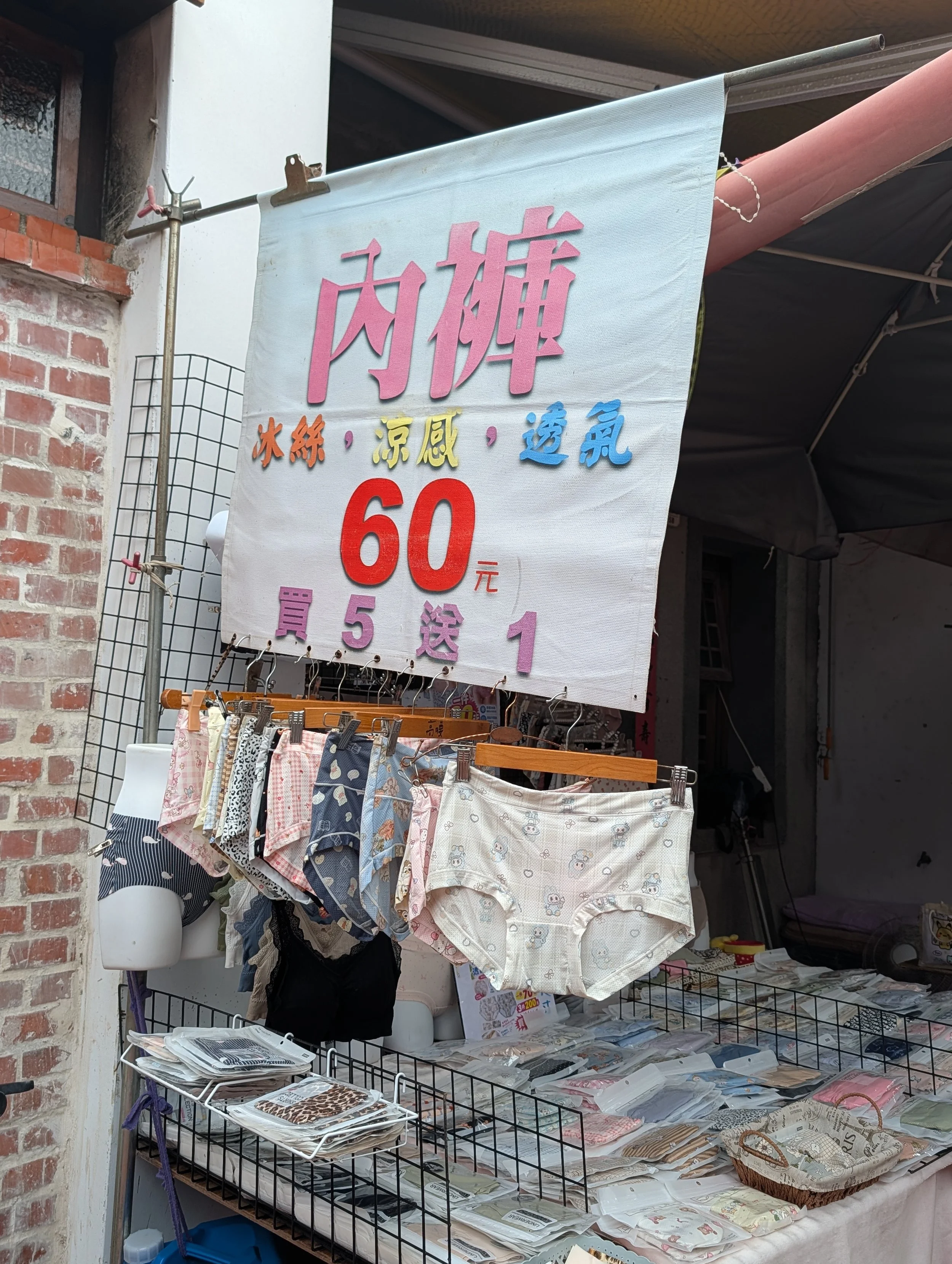
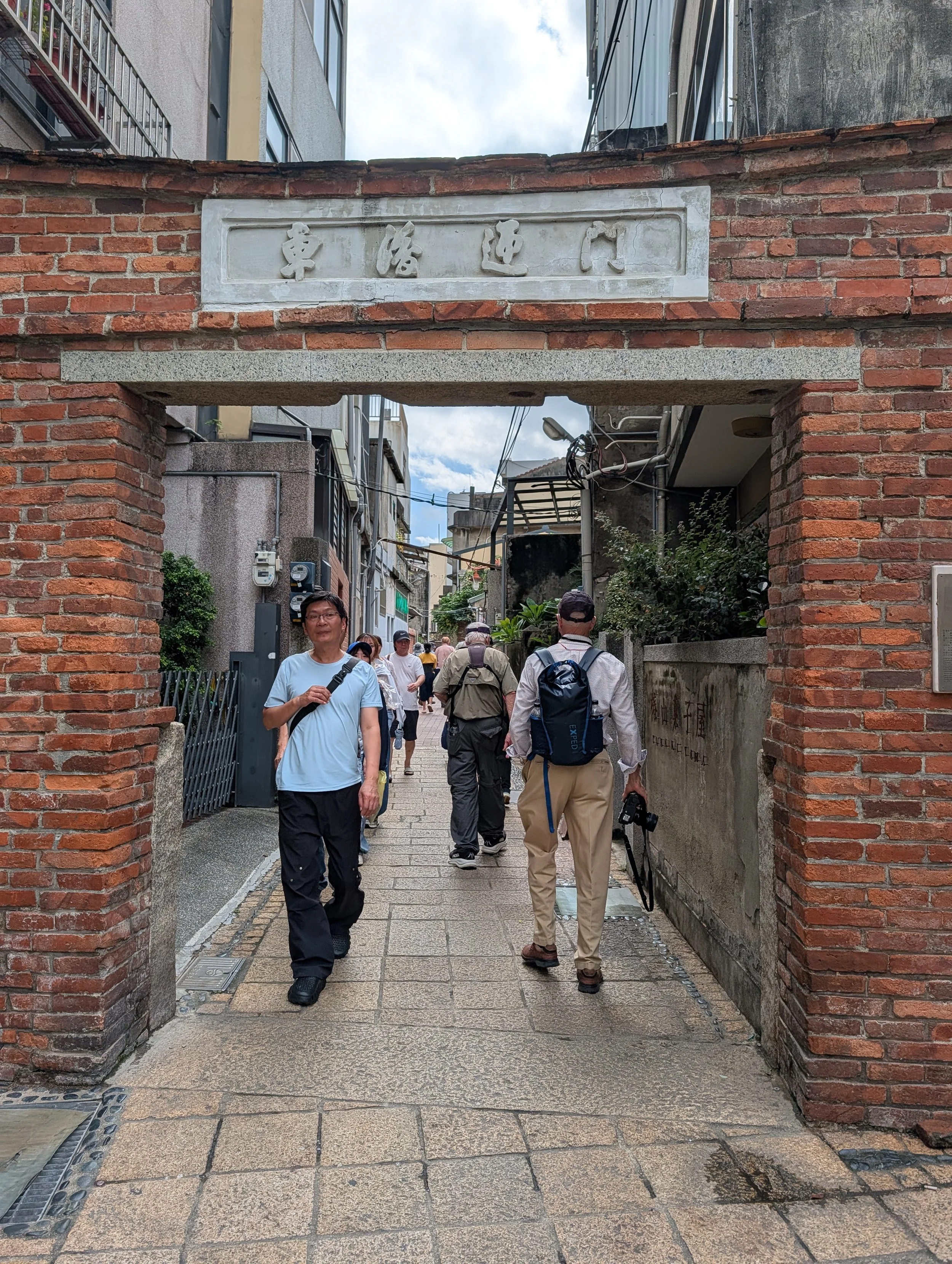
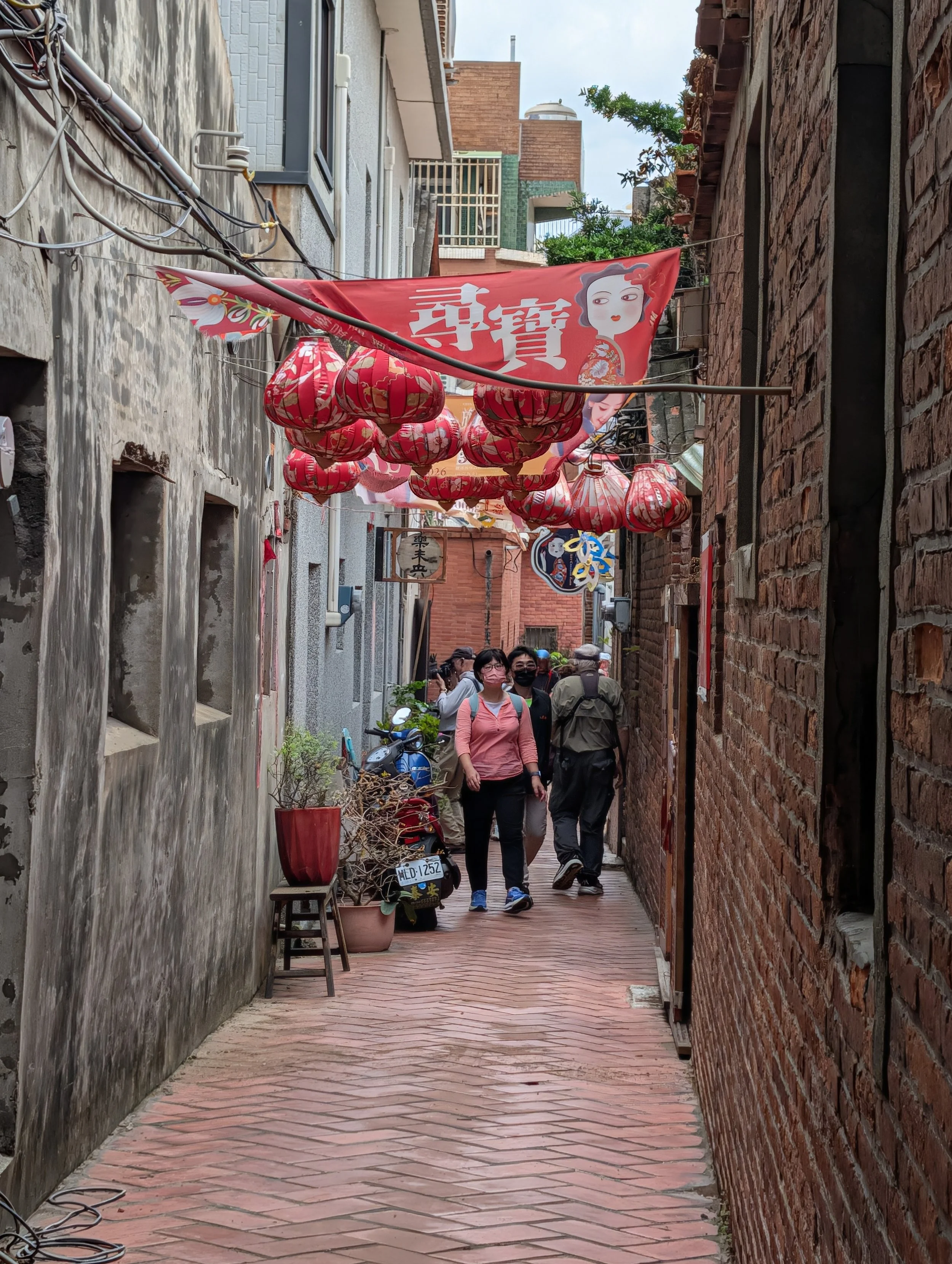
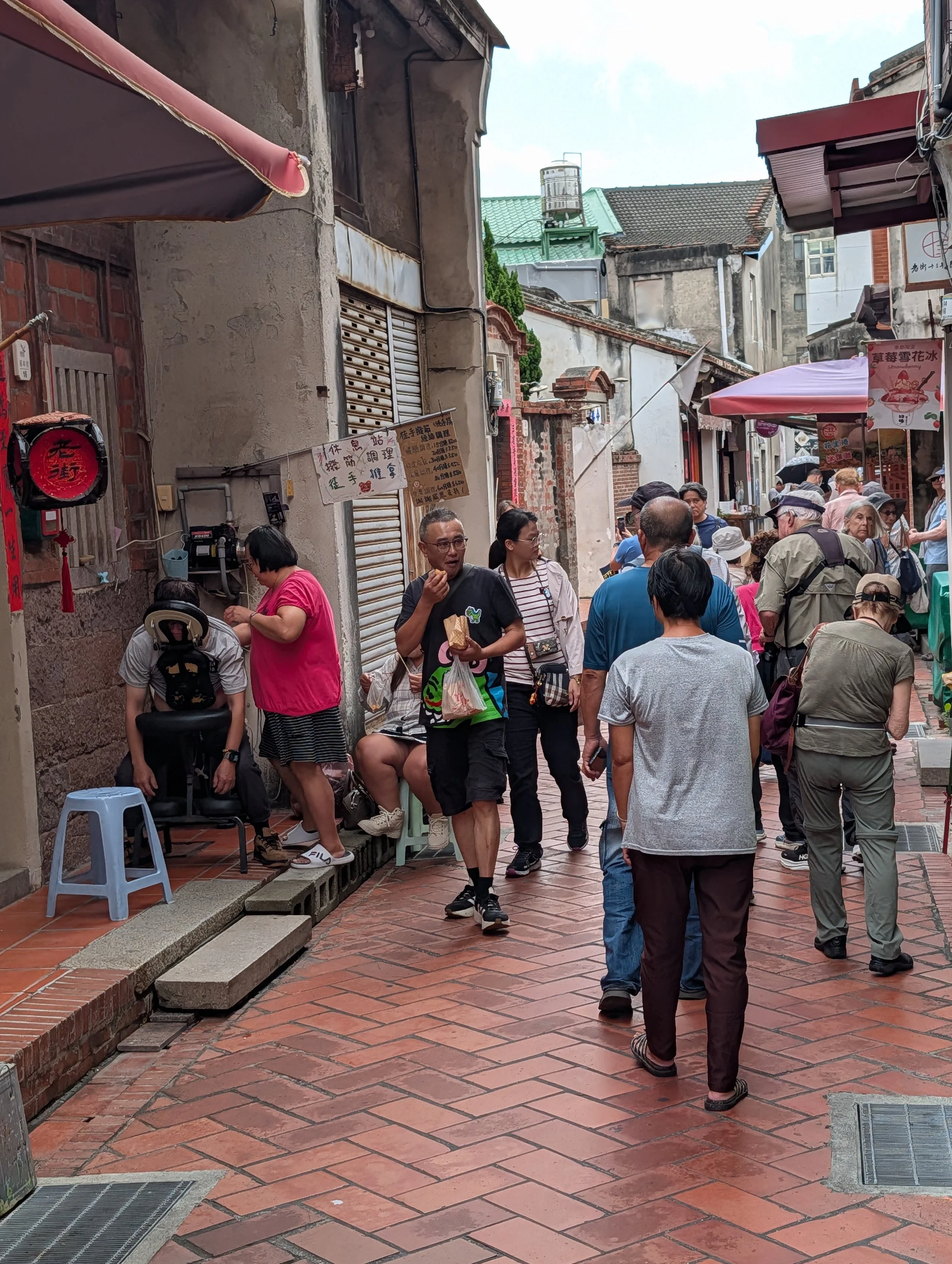
We began our day by simply wandering Old Street’s red-tiled lanes, with traditional snacks and specialty shops in restored storefronts.
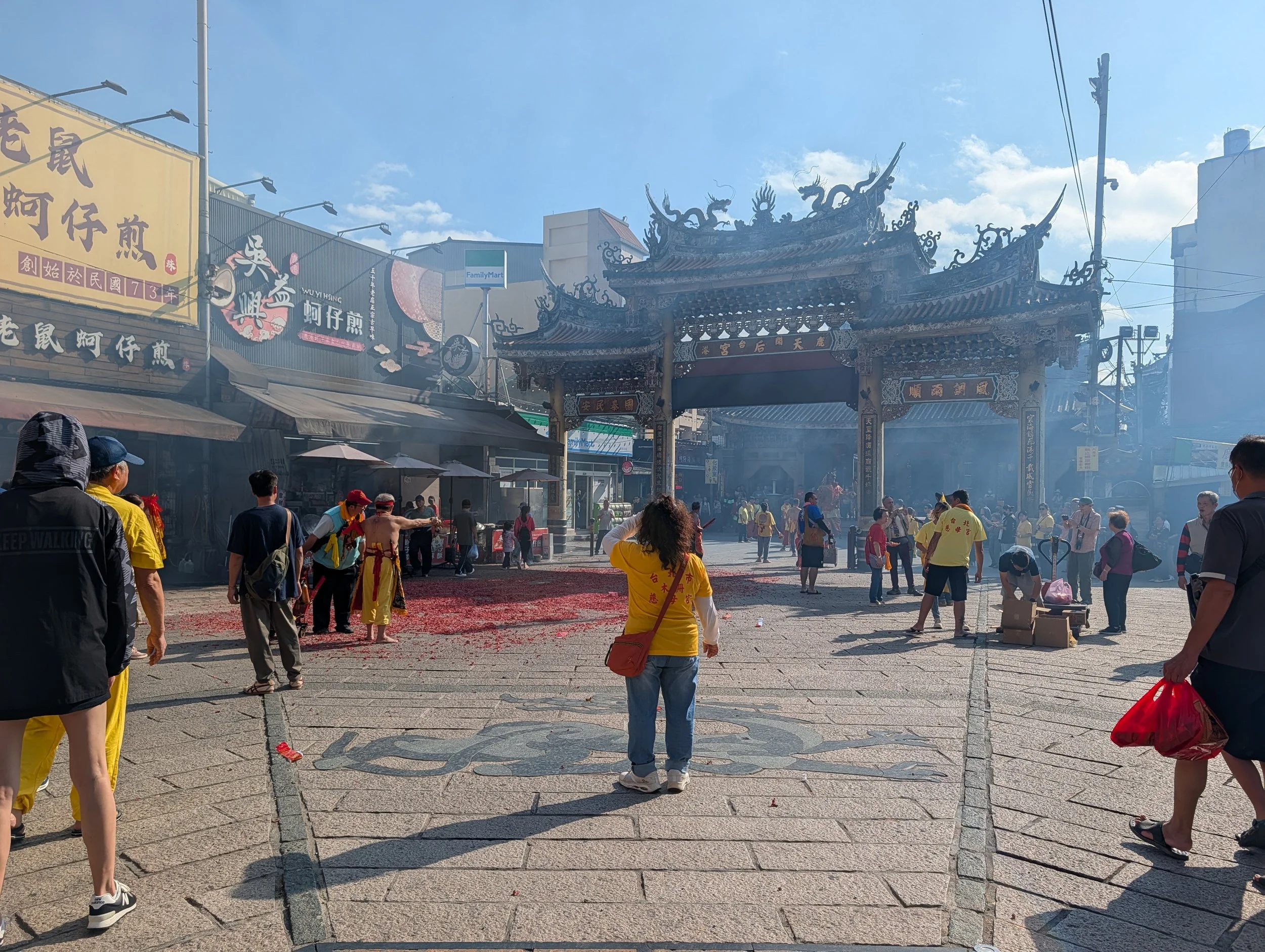
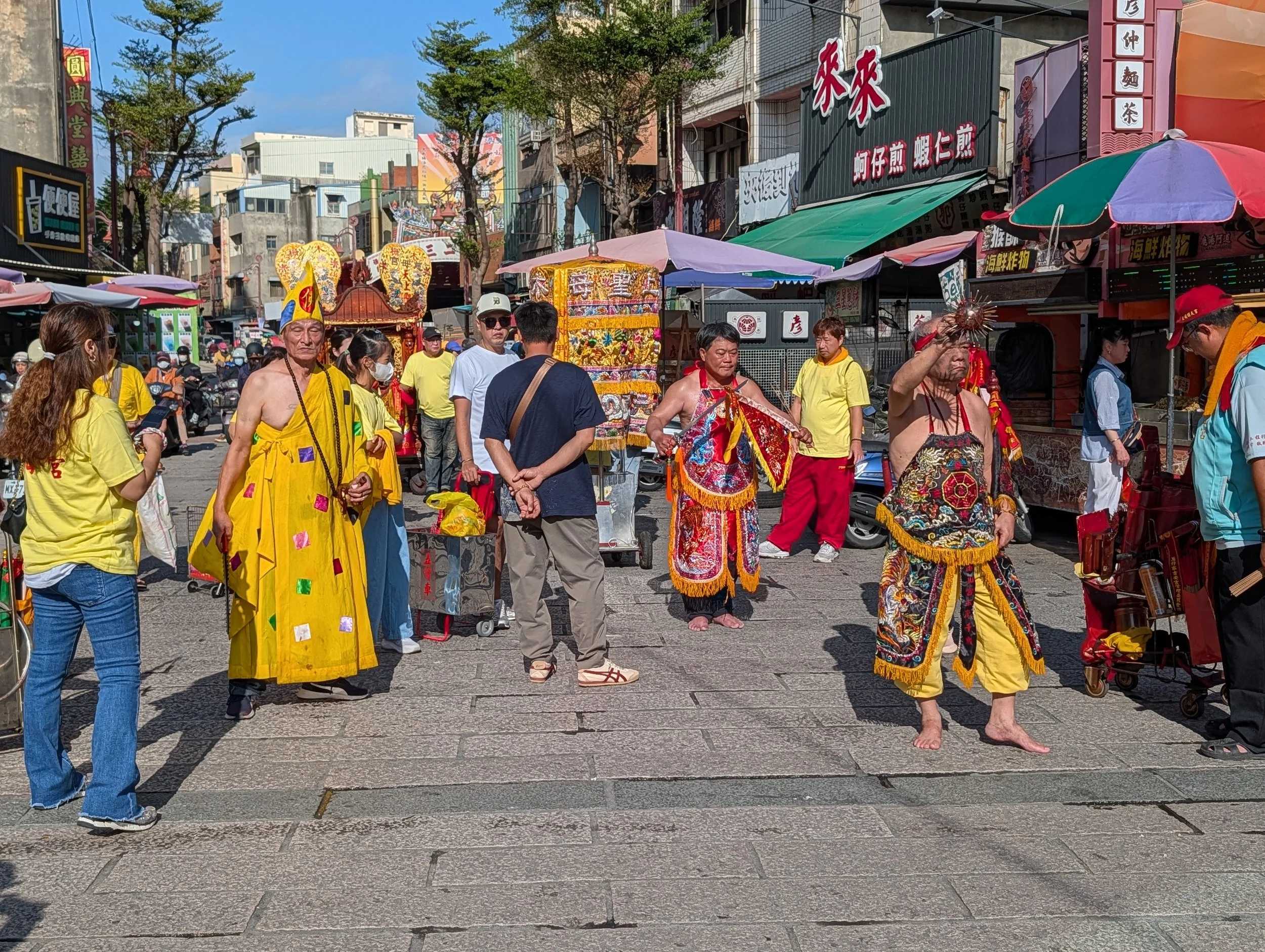
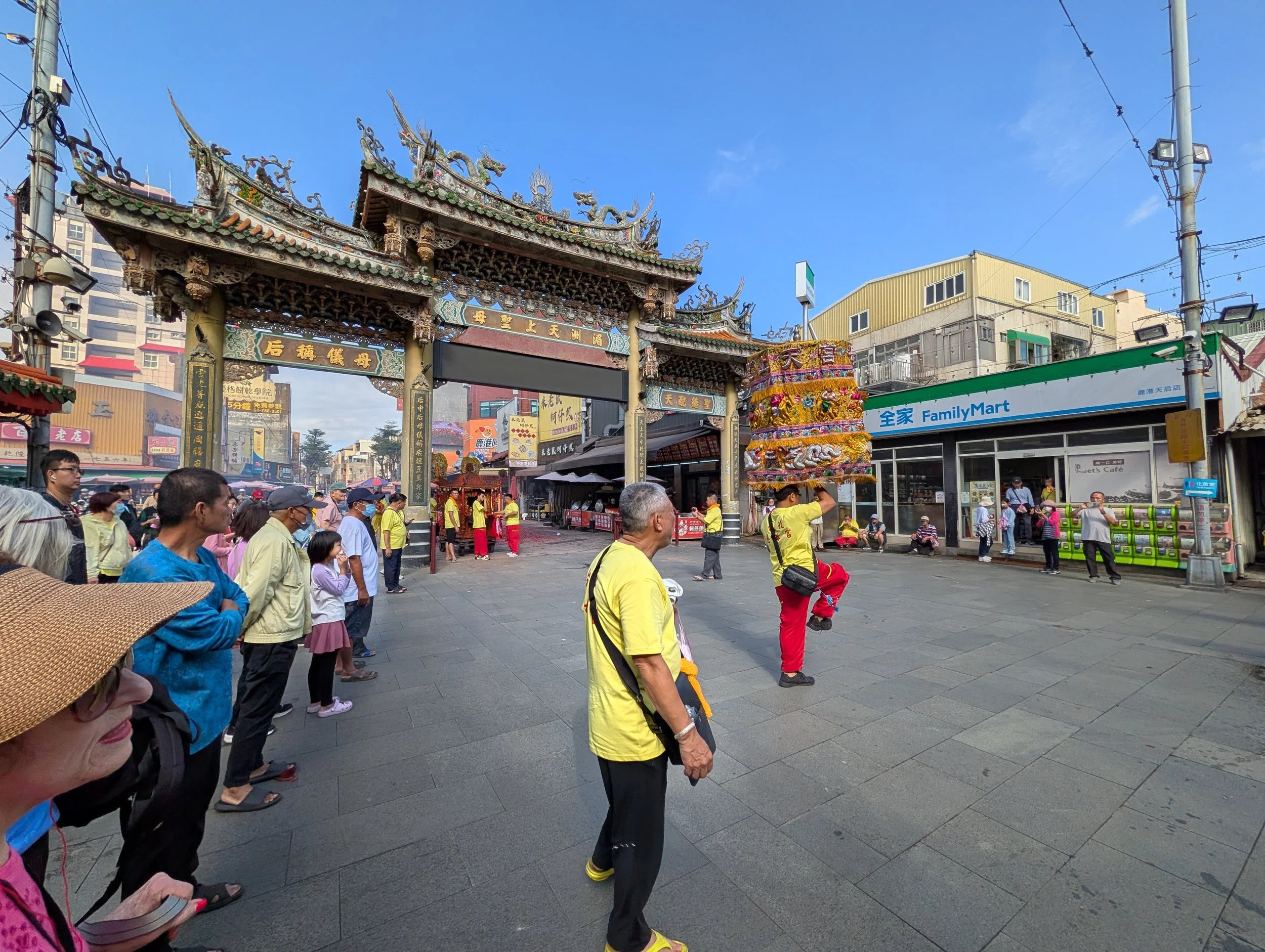
Our wandering took us to the entrance to the Mazu Temple which was on our agenda for touring later in the morning. However, there was a parade that had made its way through the streets and was making its way up to and into the temple, so we paused to watch it. There were a few men who were in monk like clothing and the rest of the people were in matching t-shirts and seemed to be there to make sure everything got to where it was supposed to be. Most astonishing was when we realized that the monks were self-flagellating. Trigger warning - the photos can get gruesome.
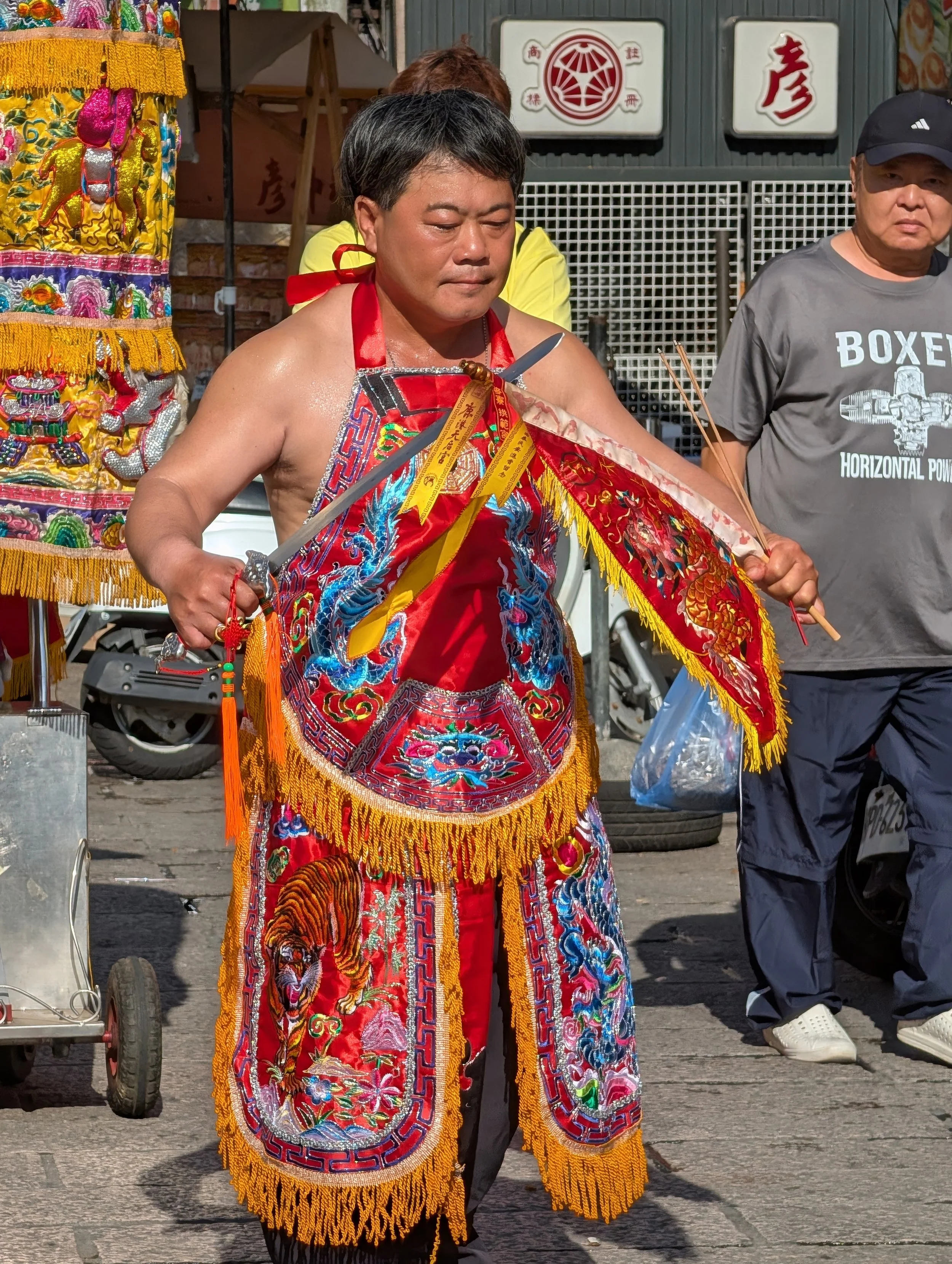
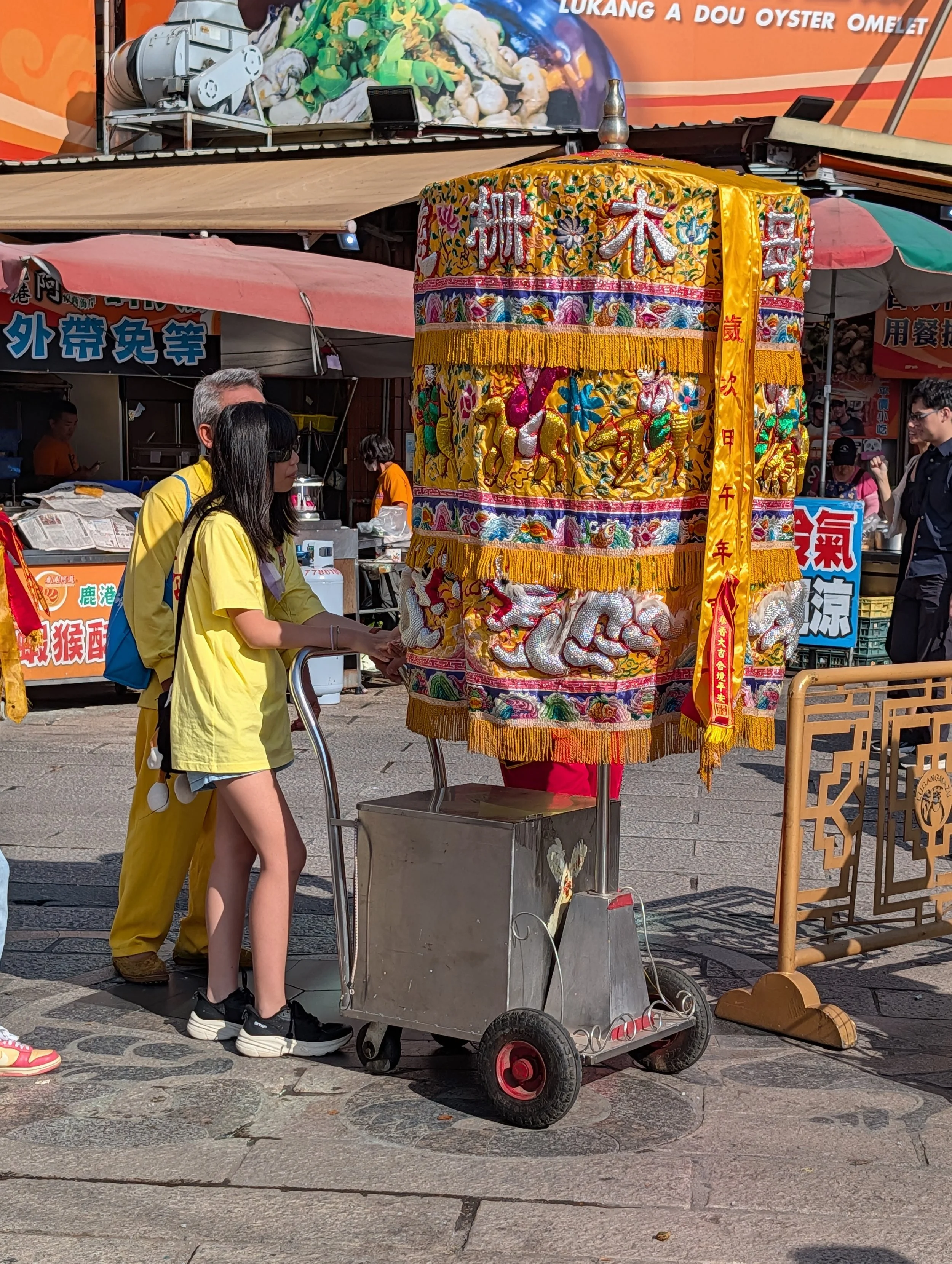
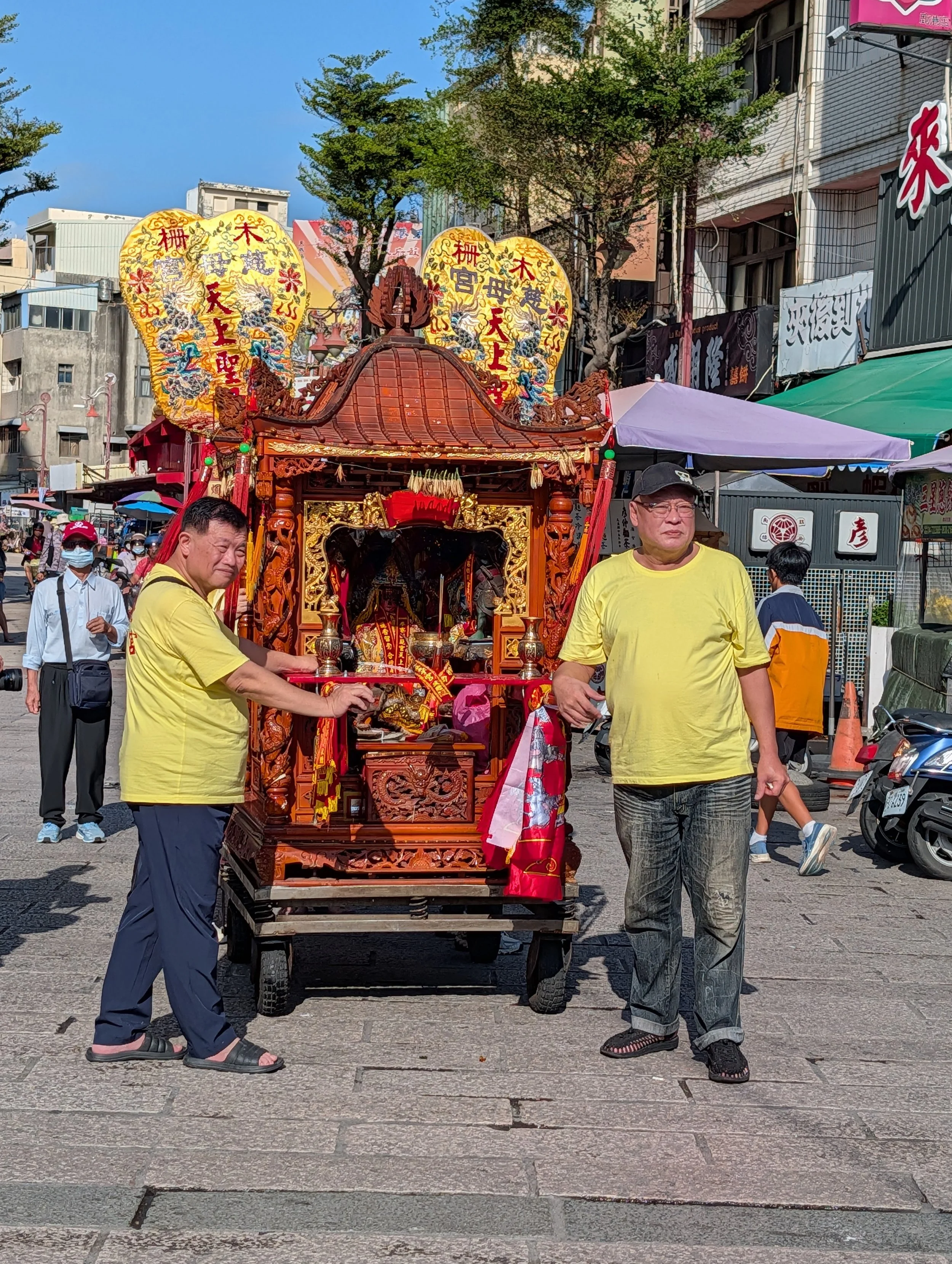
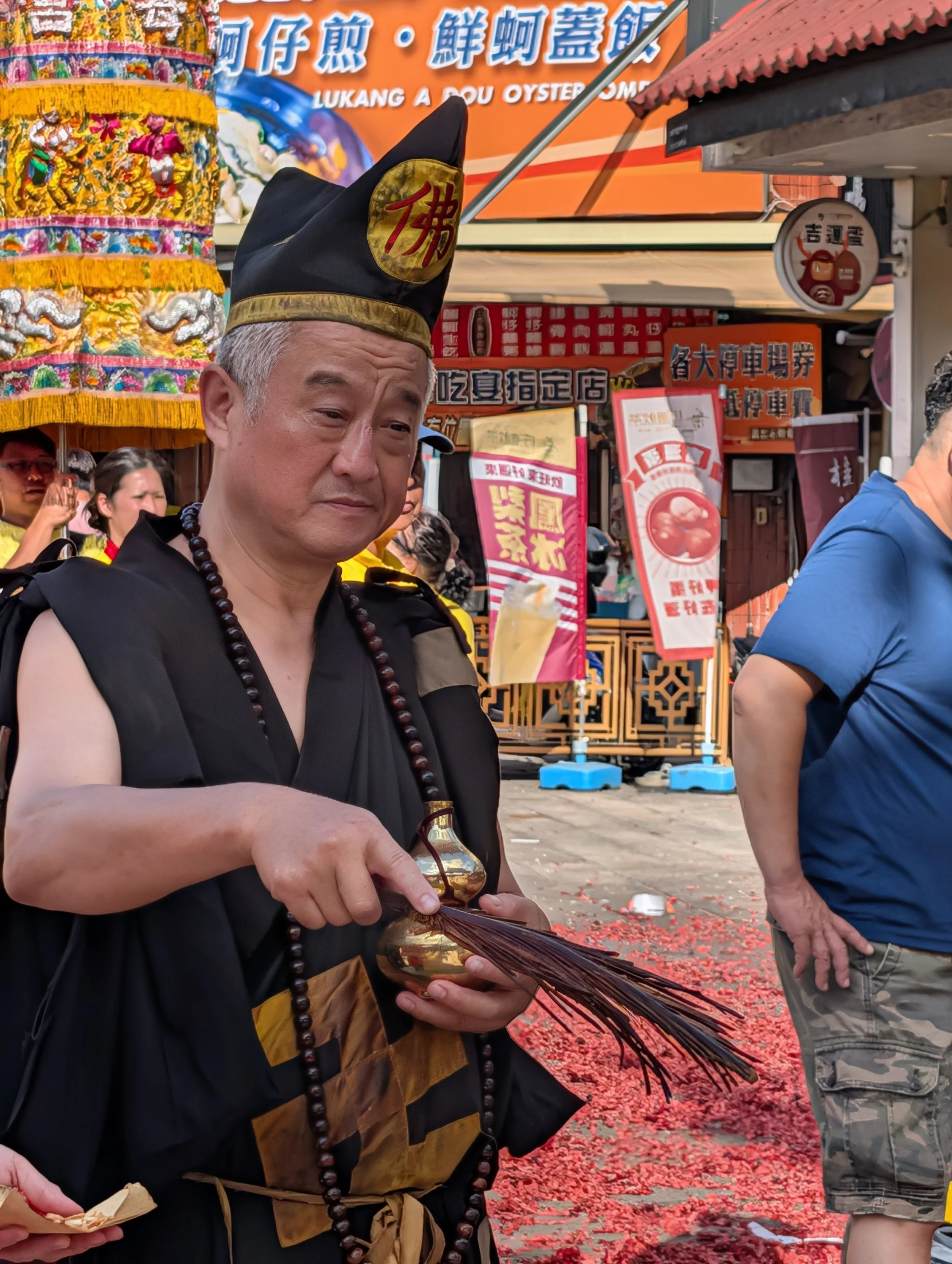
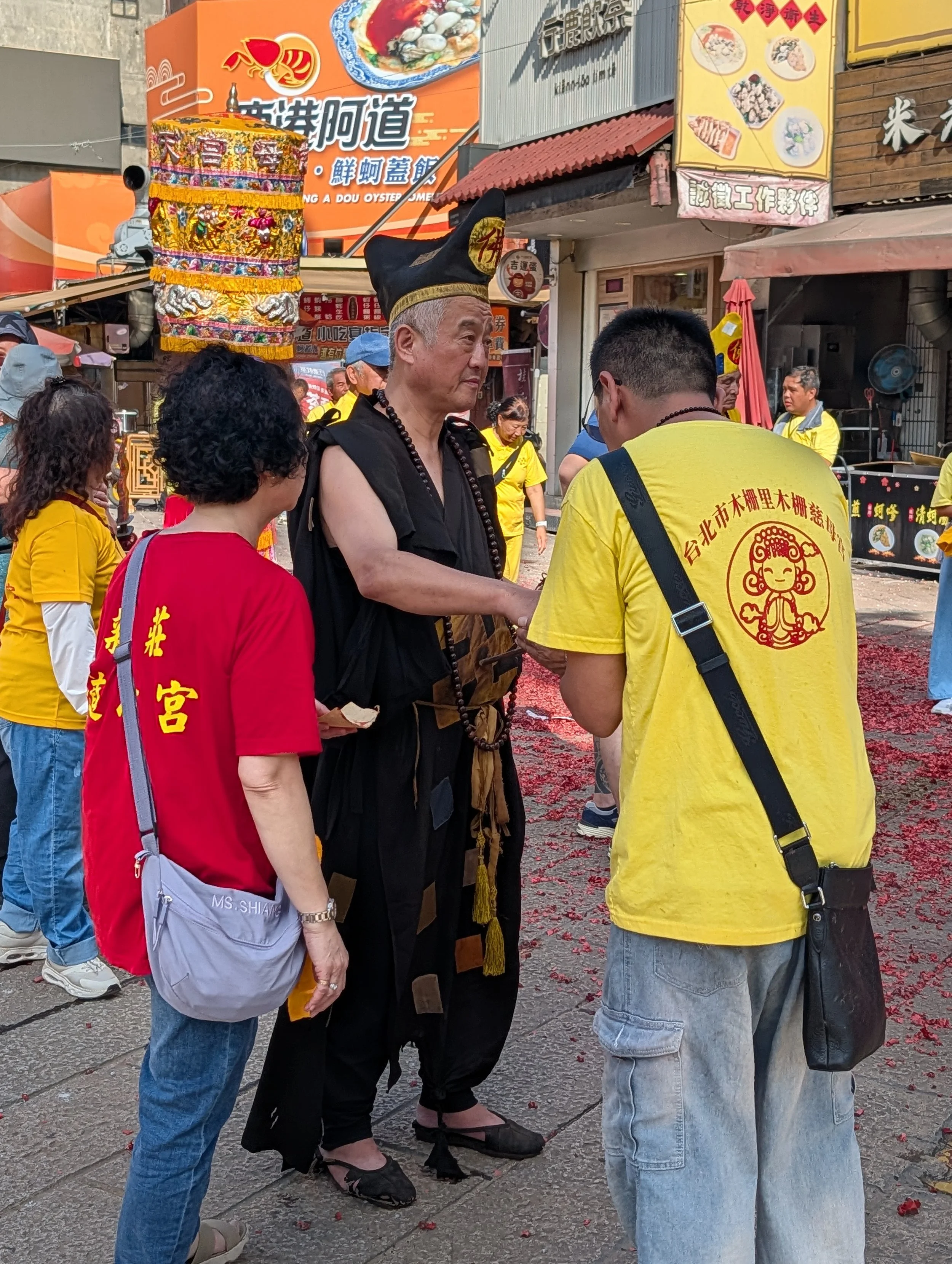
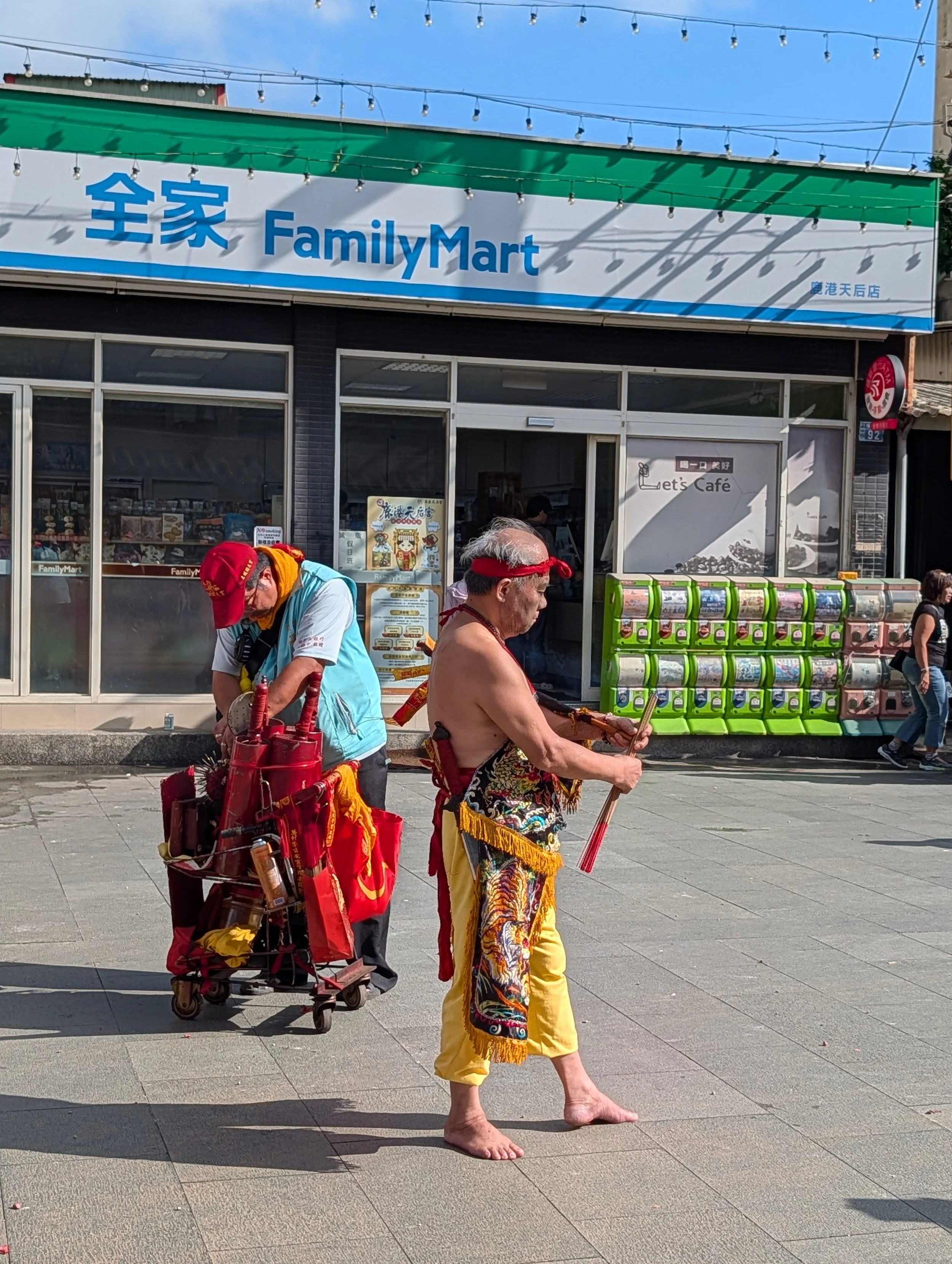
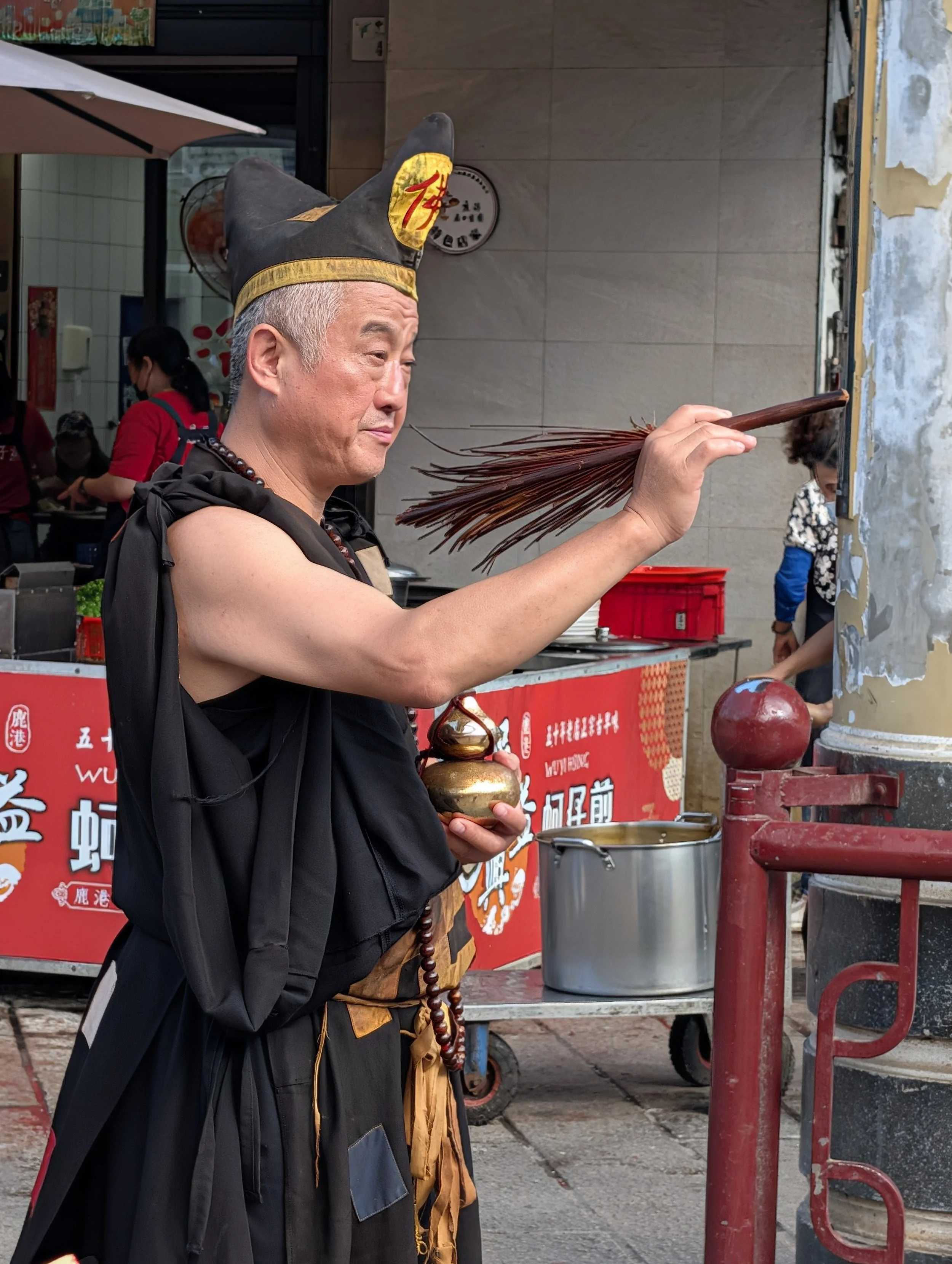
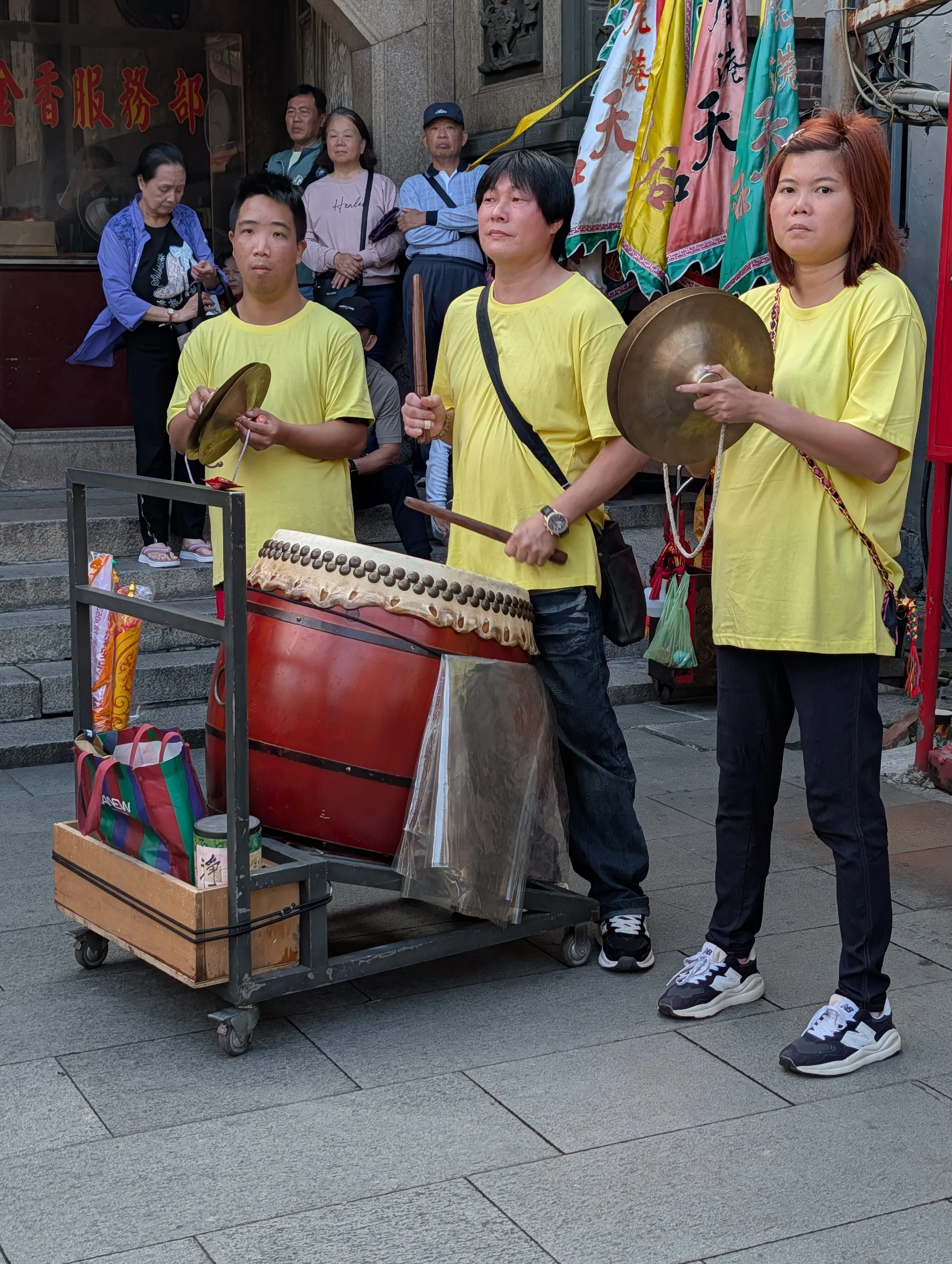
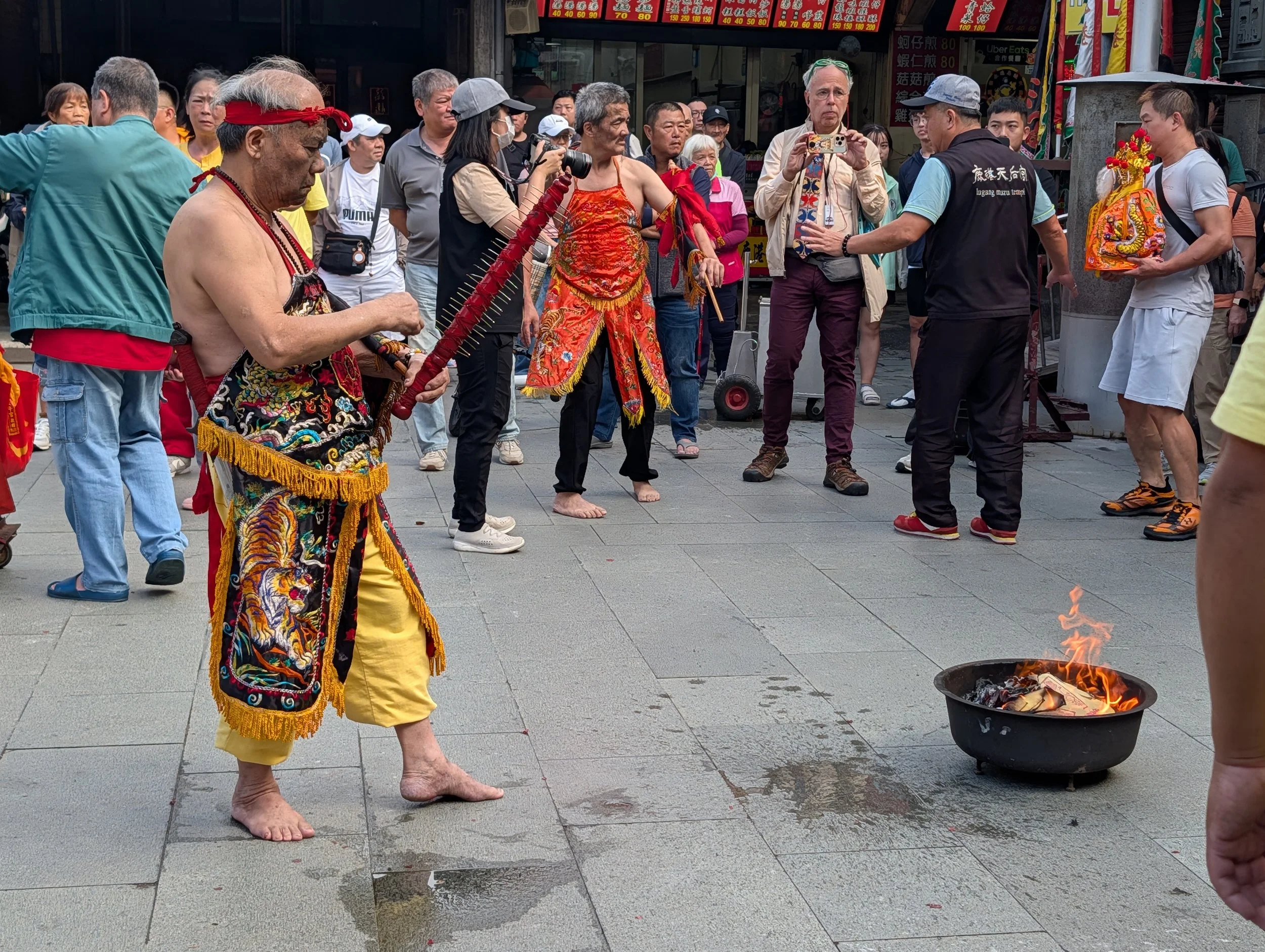
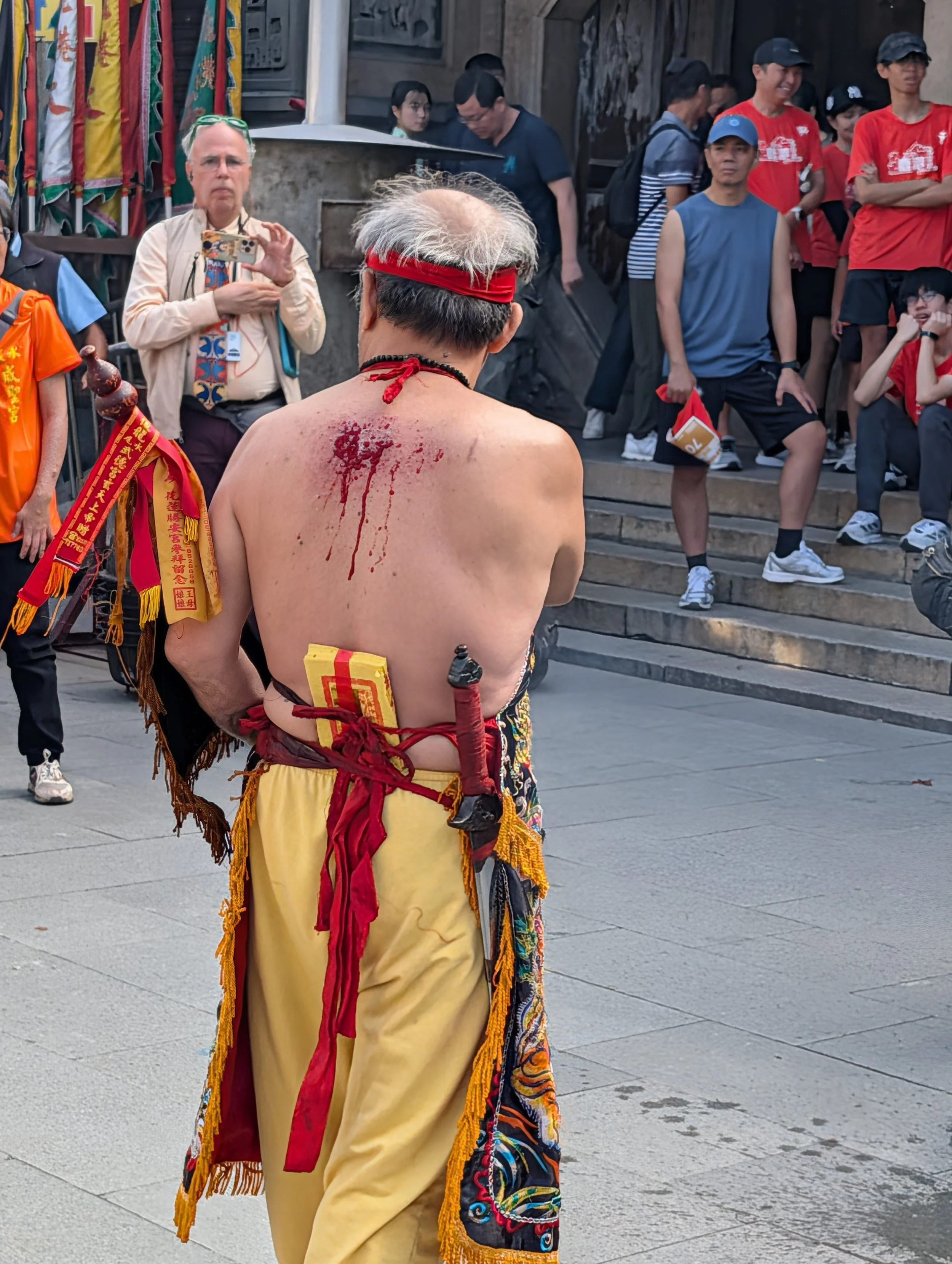
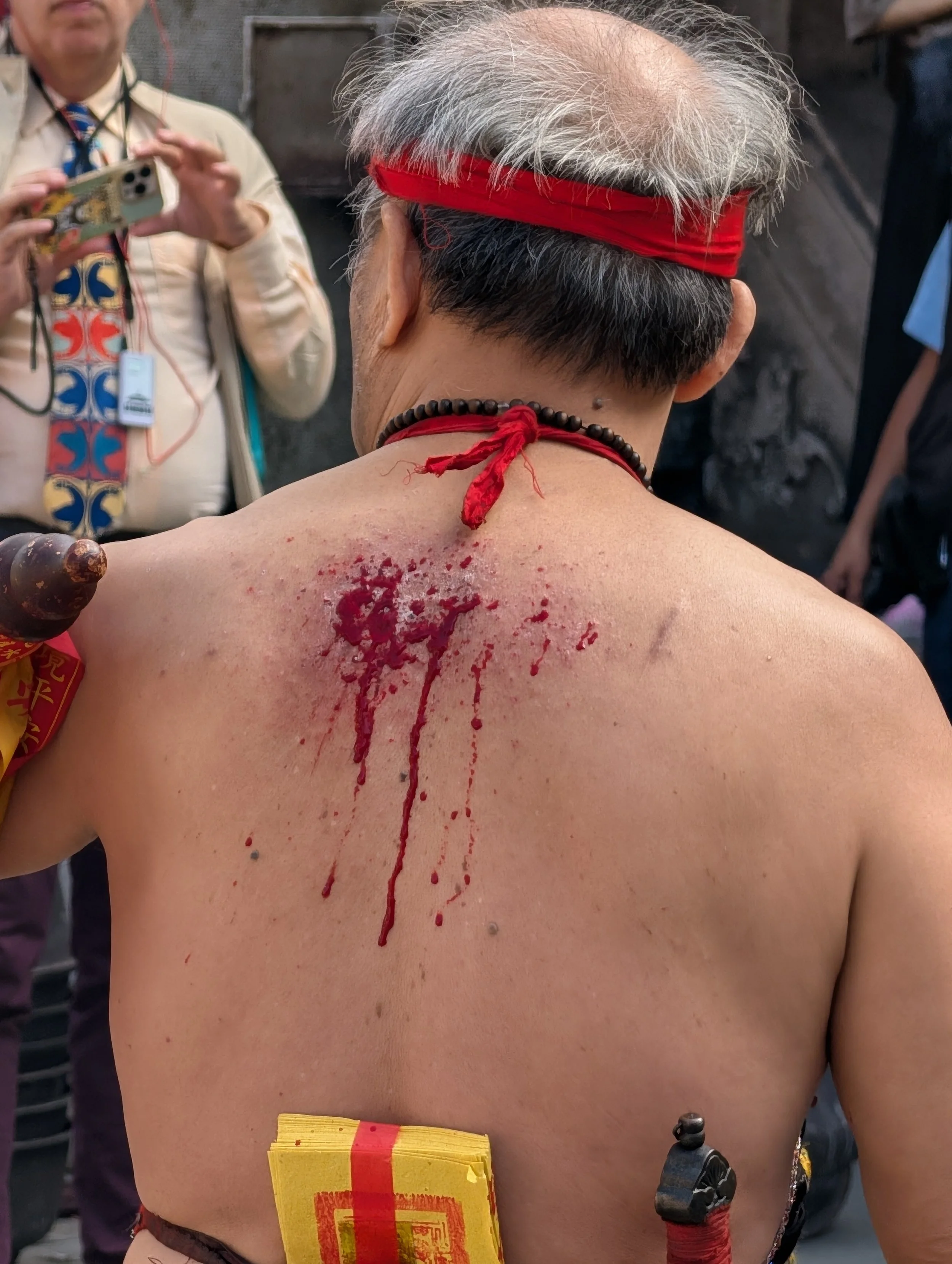
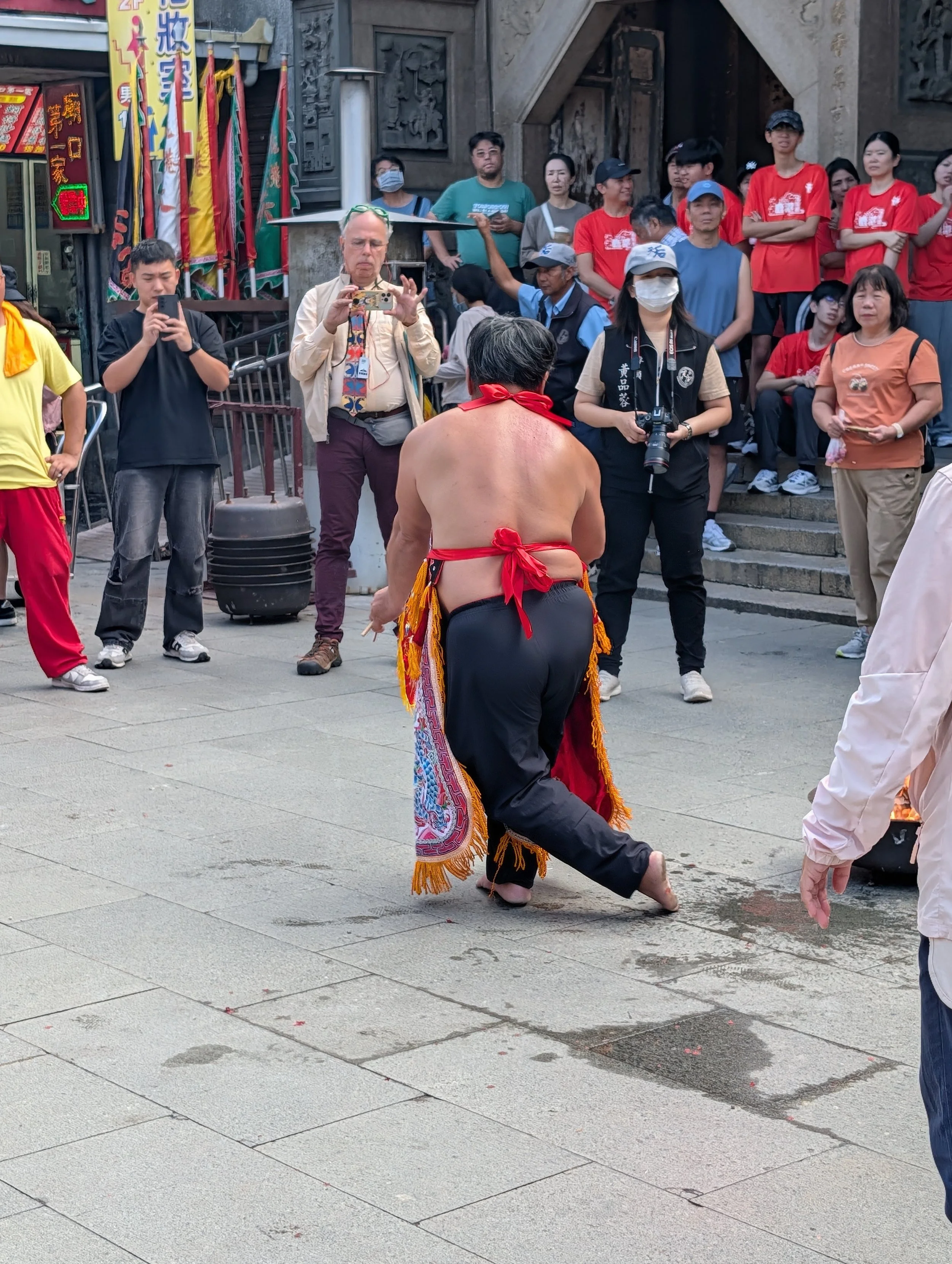
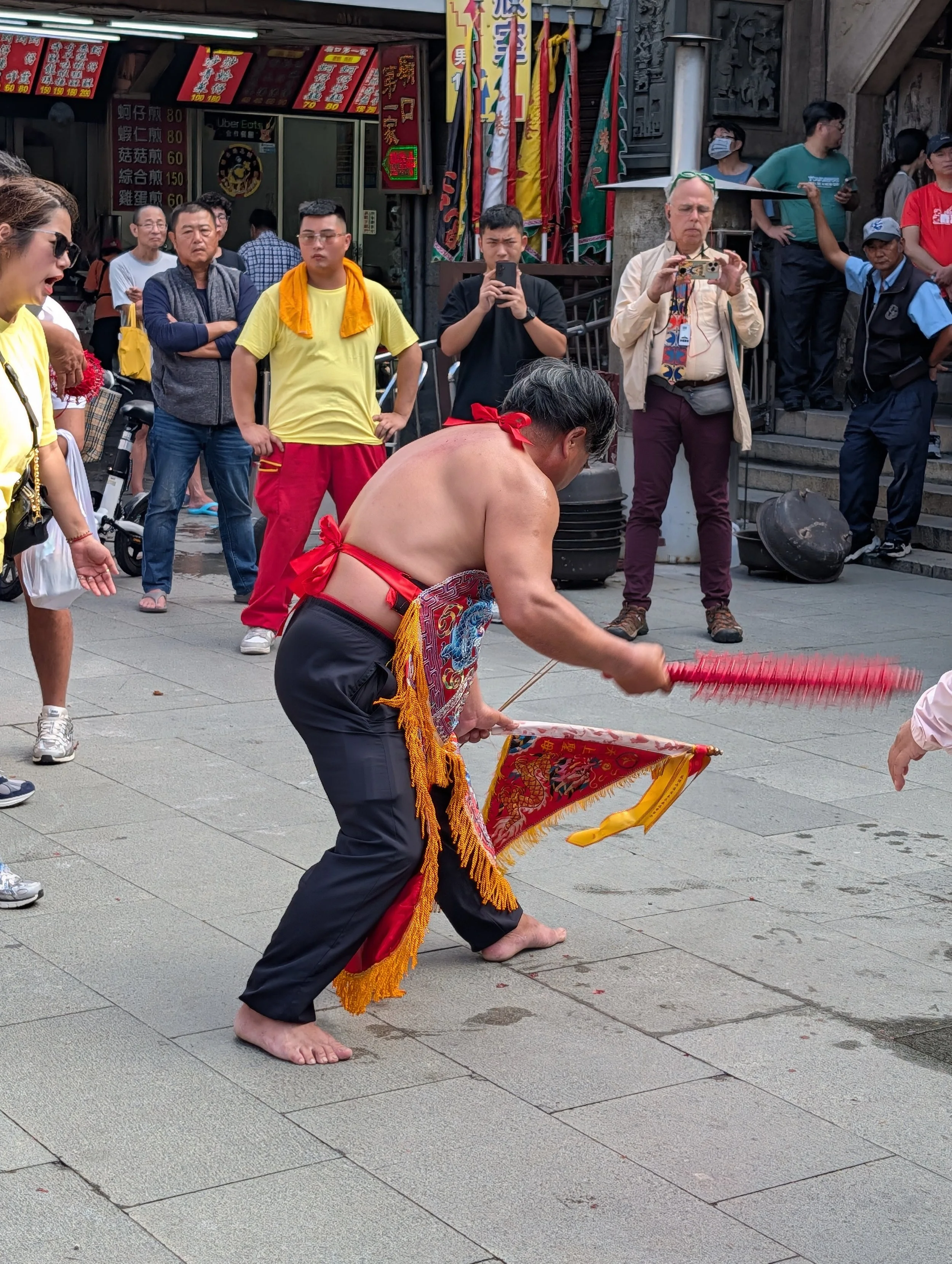
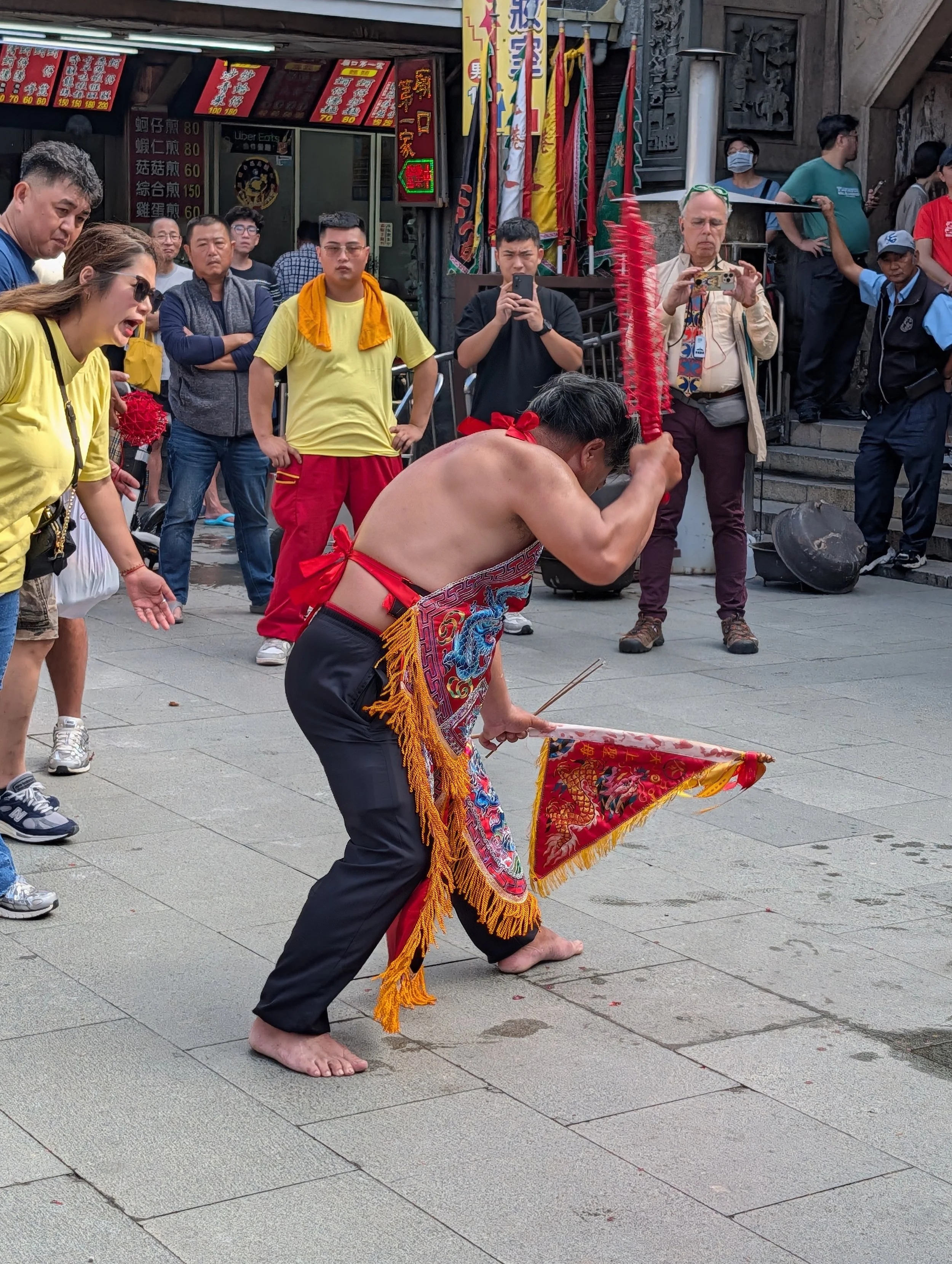
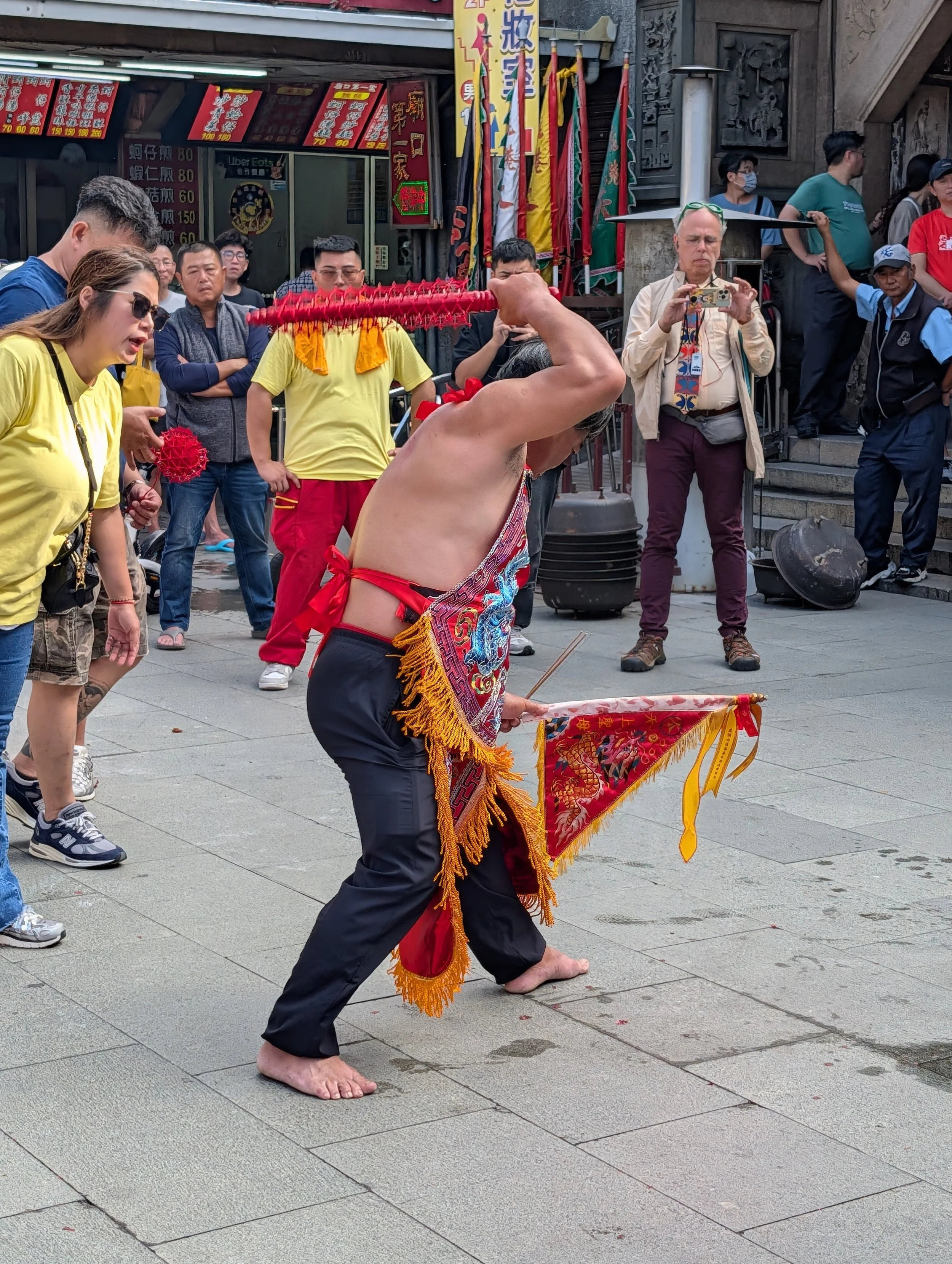
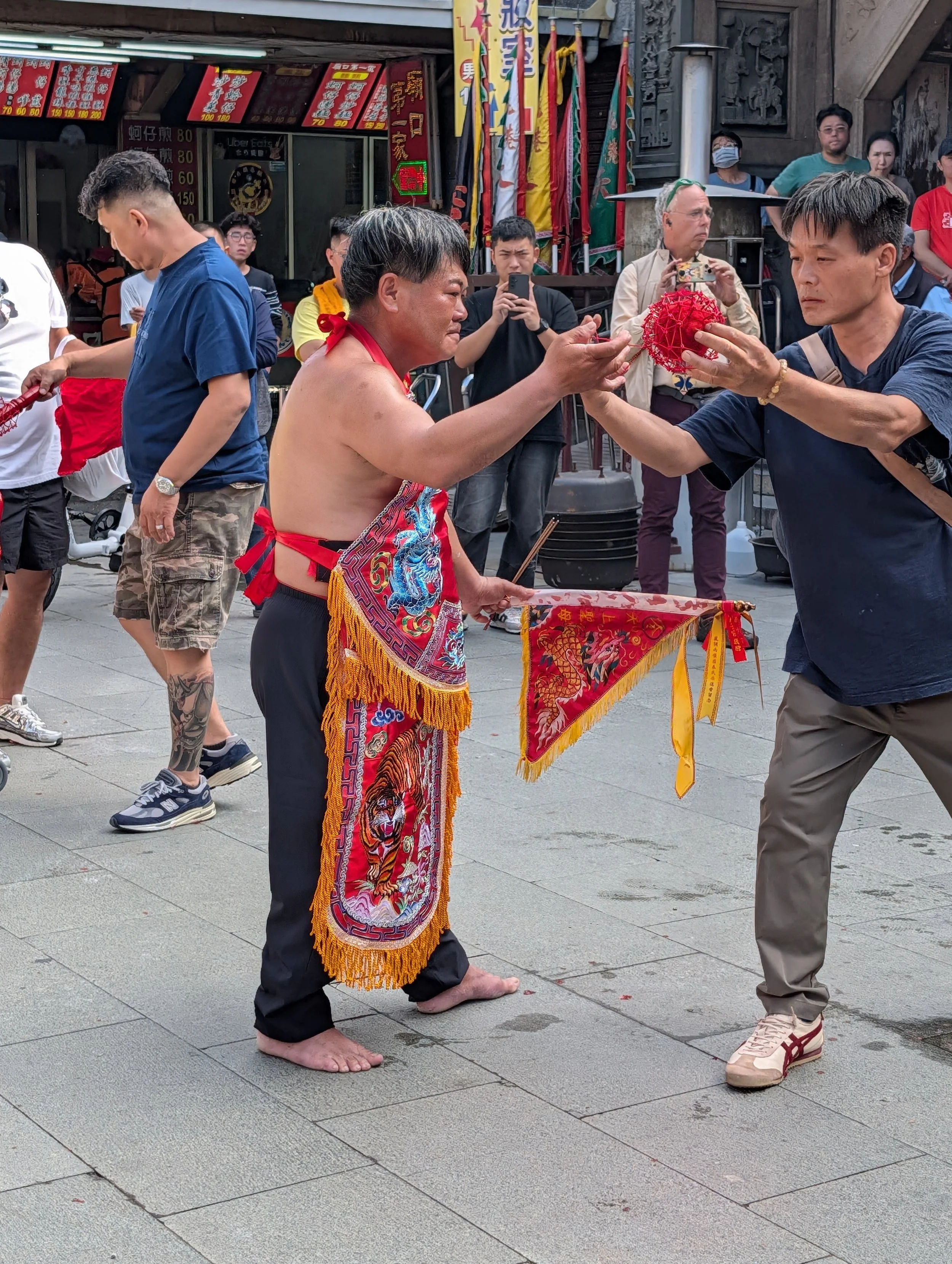
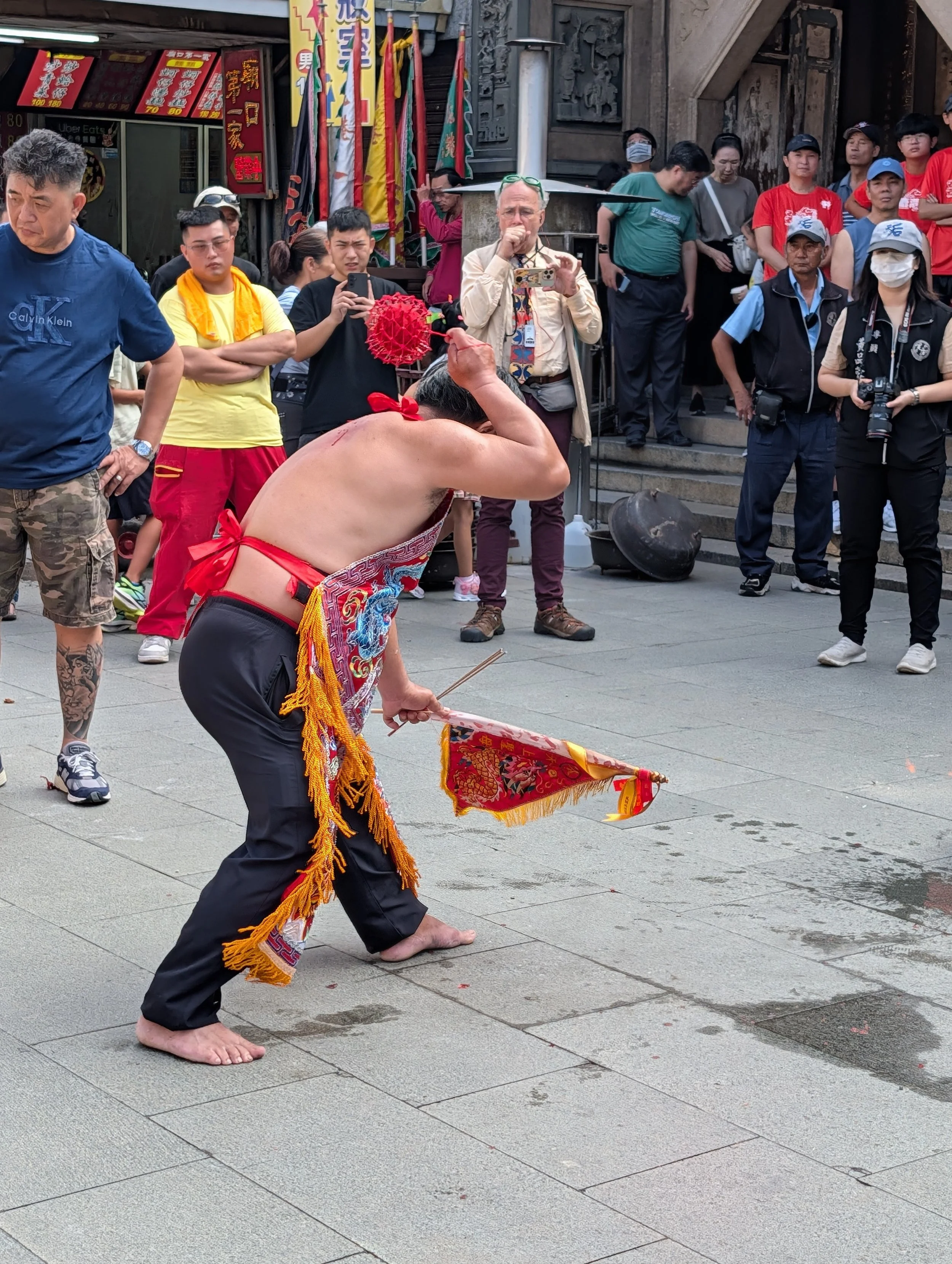
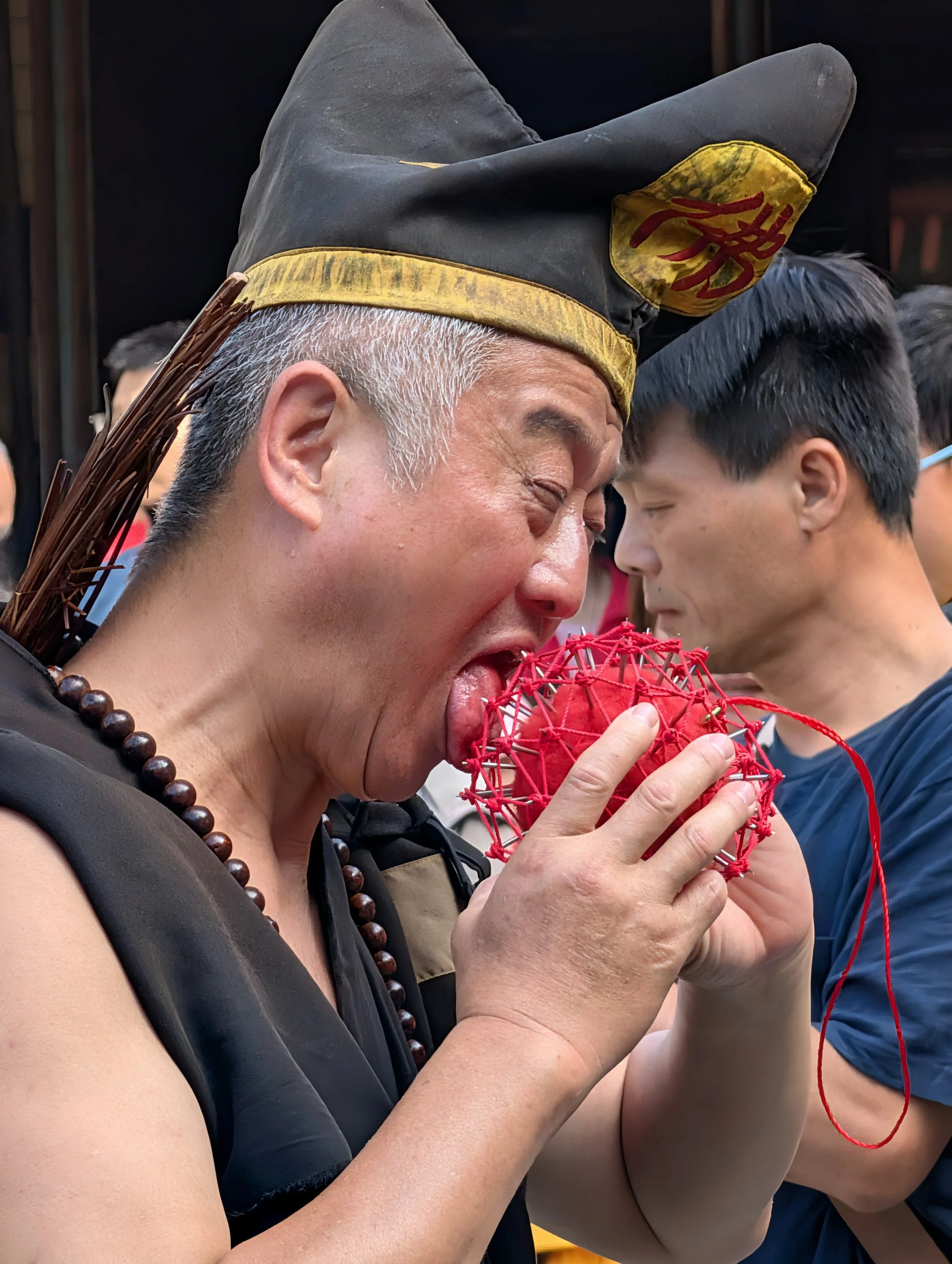
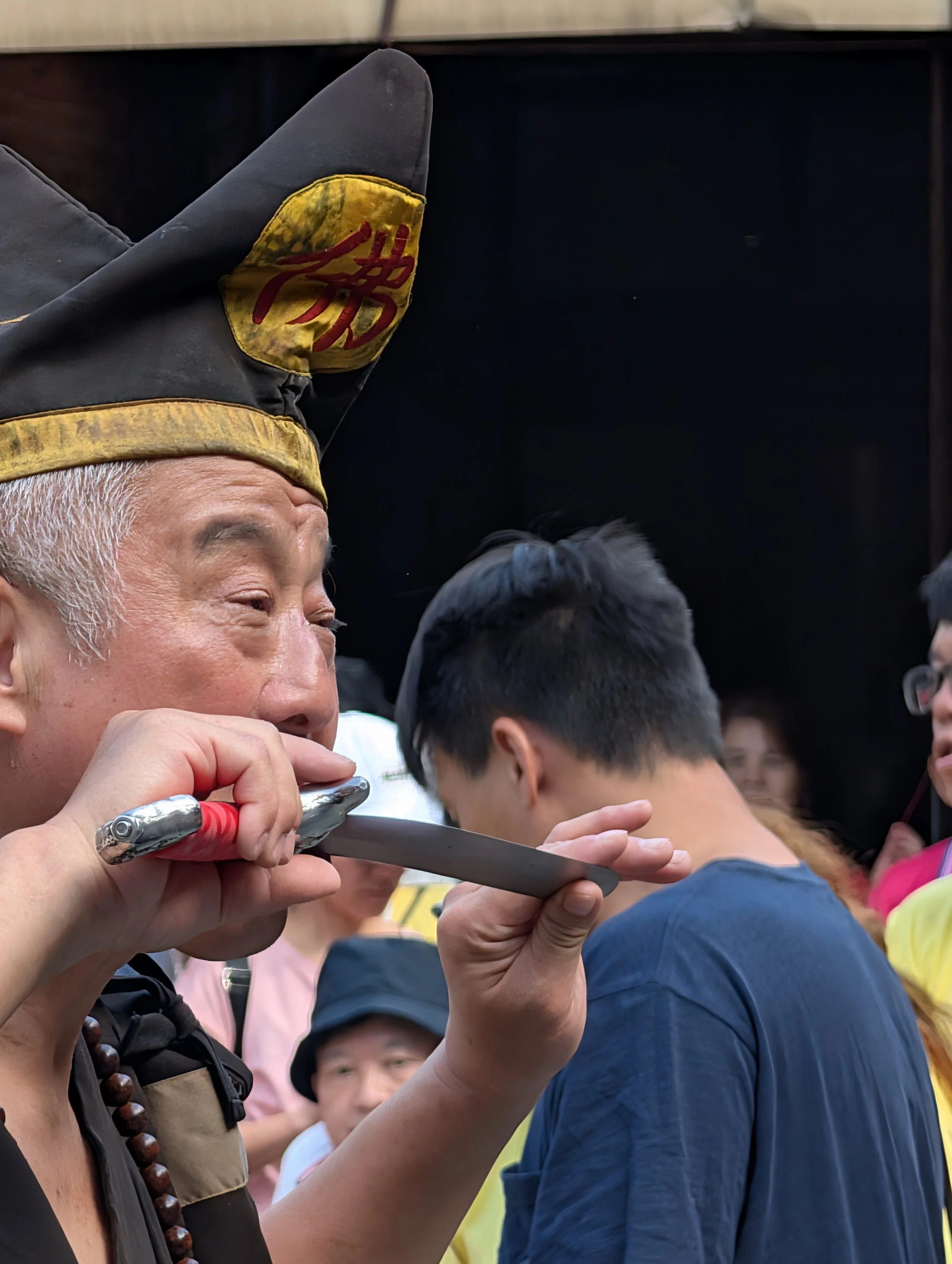
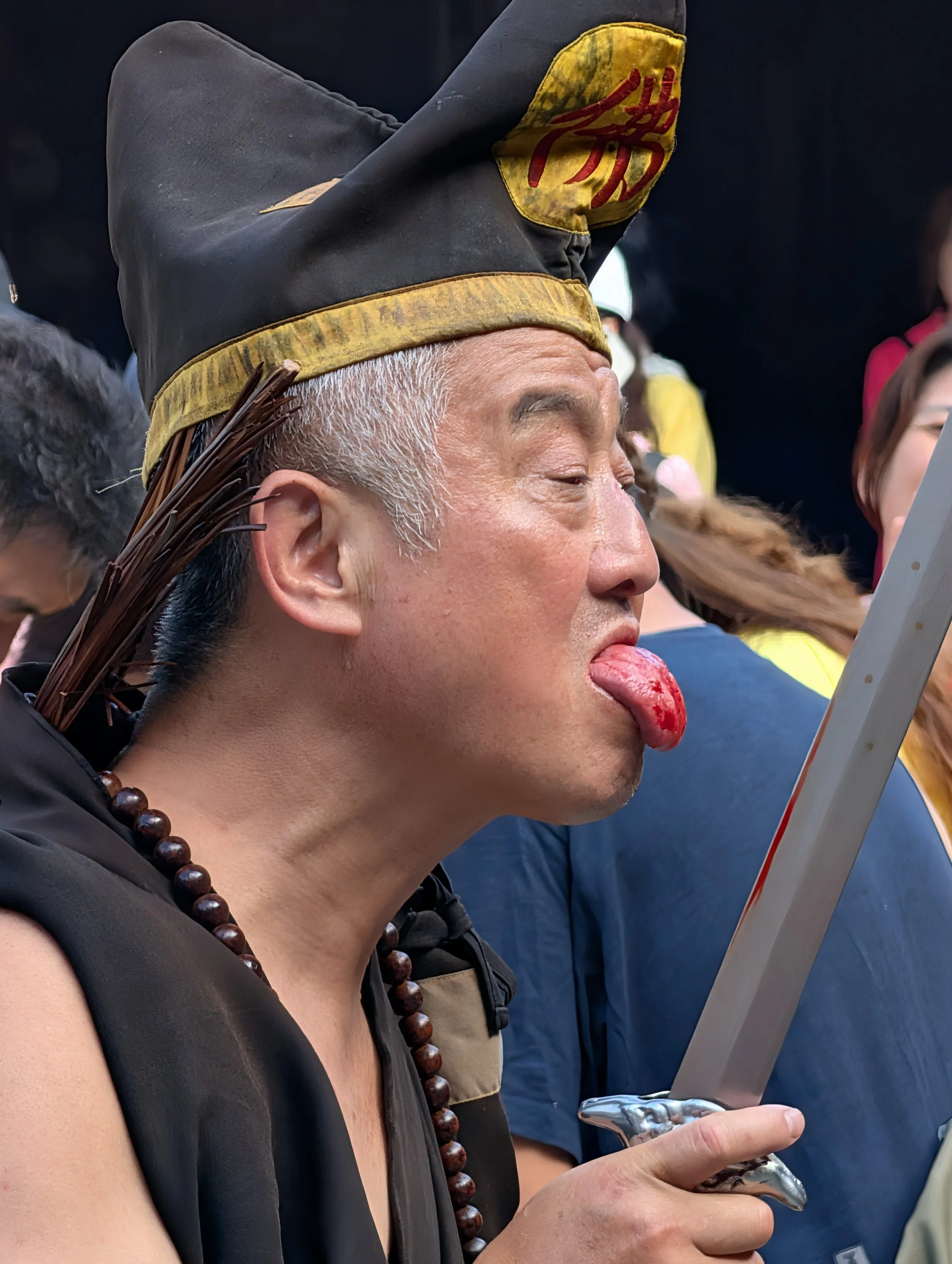
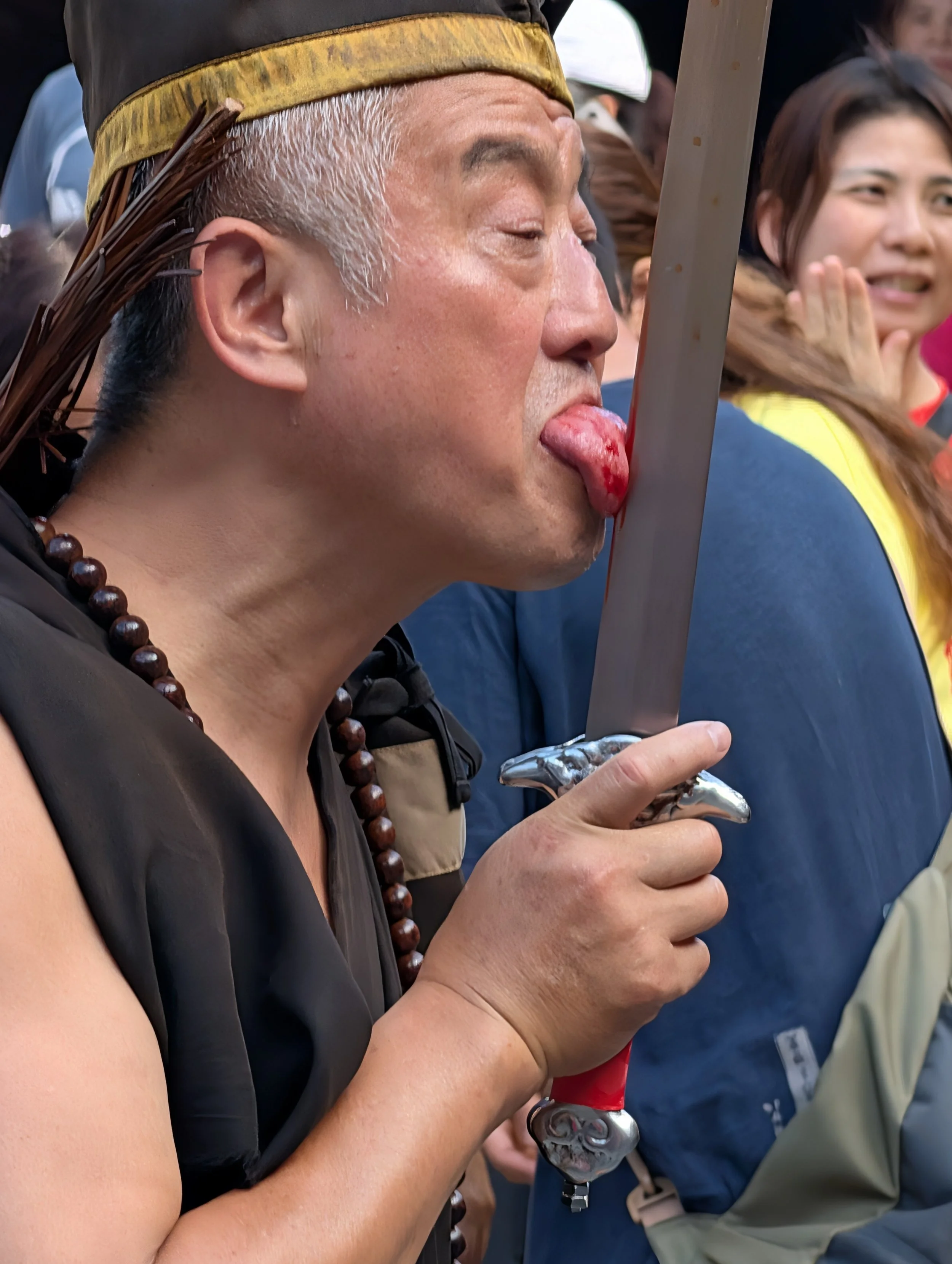
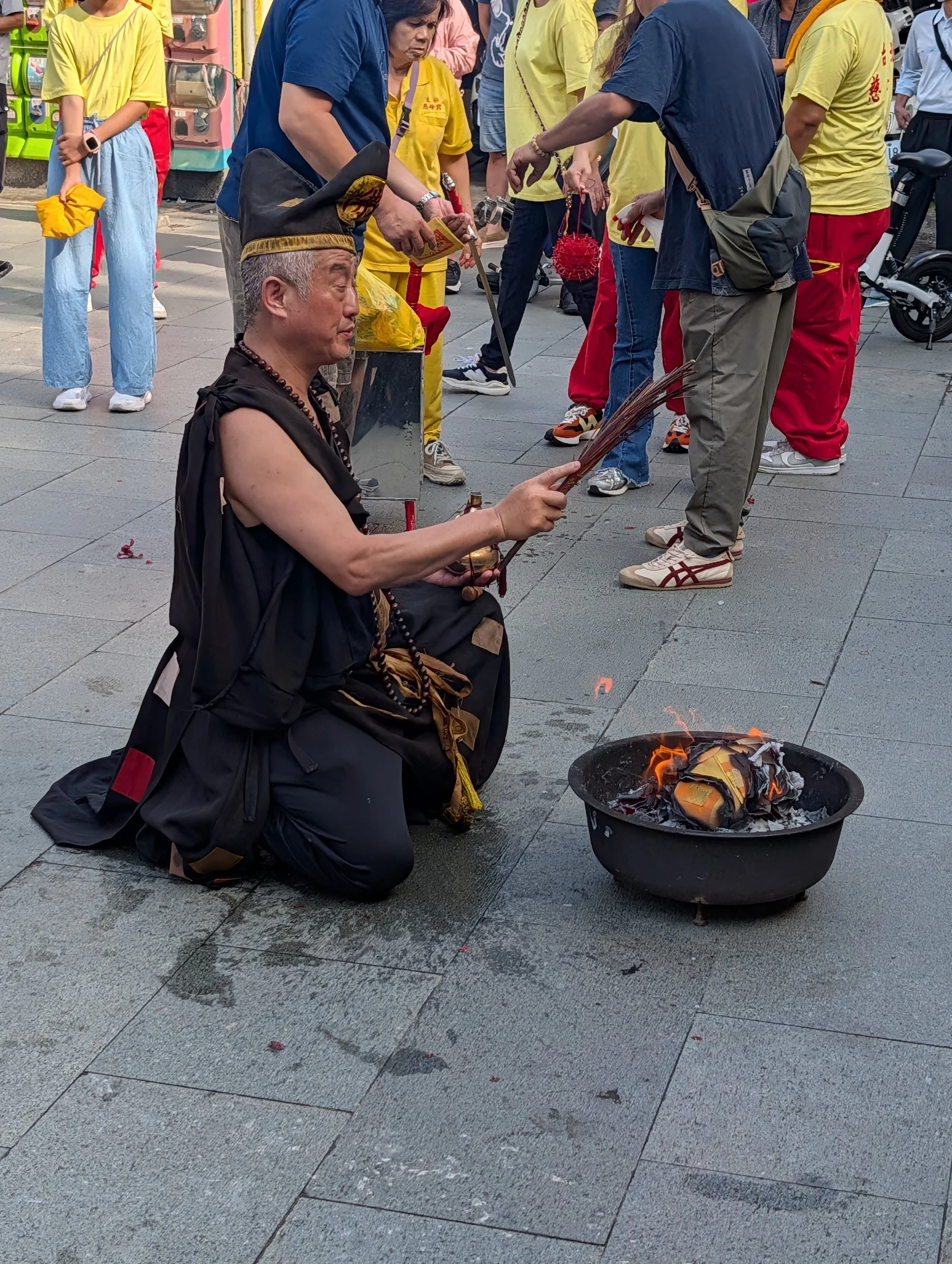
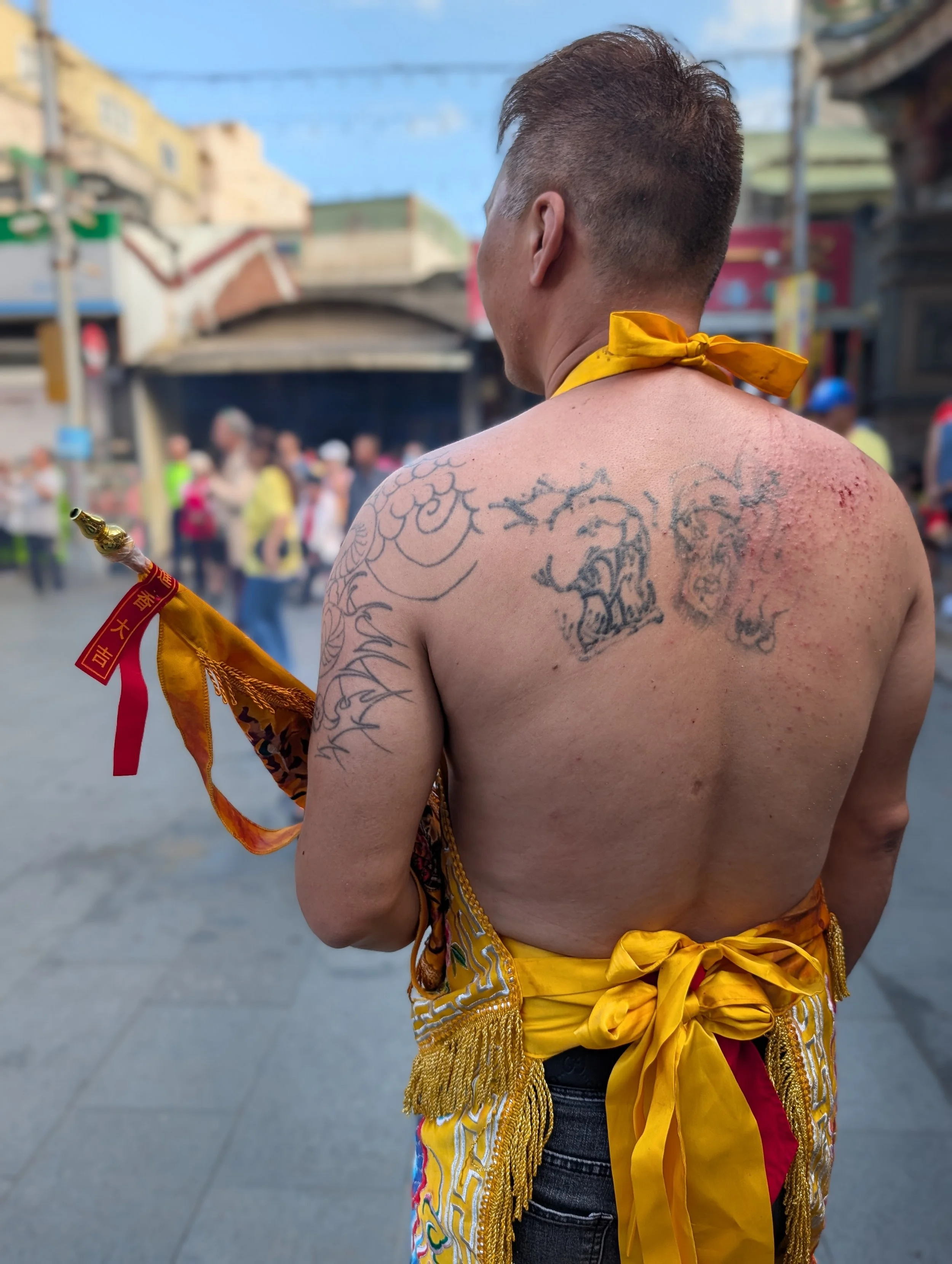
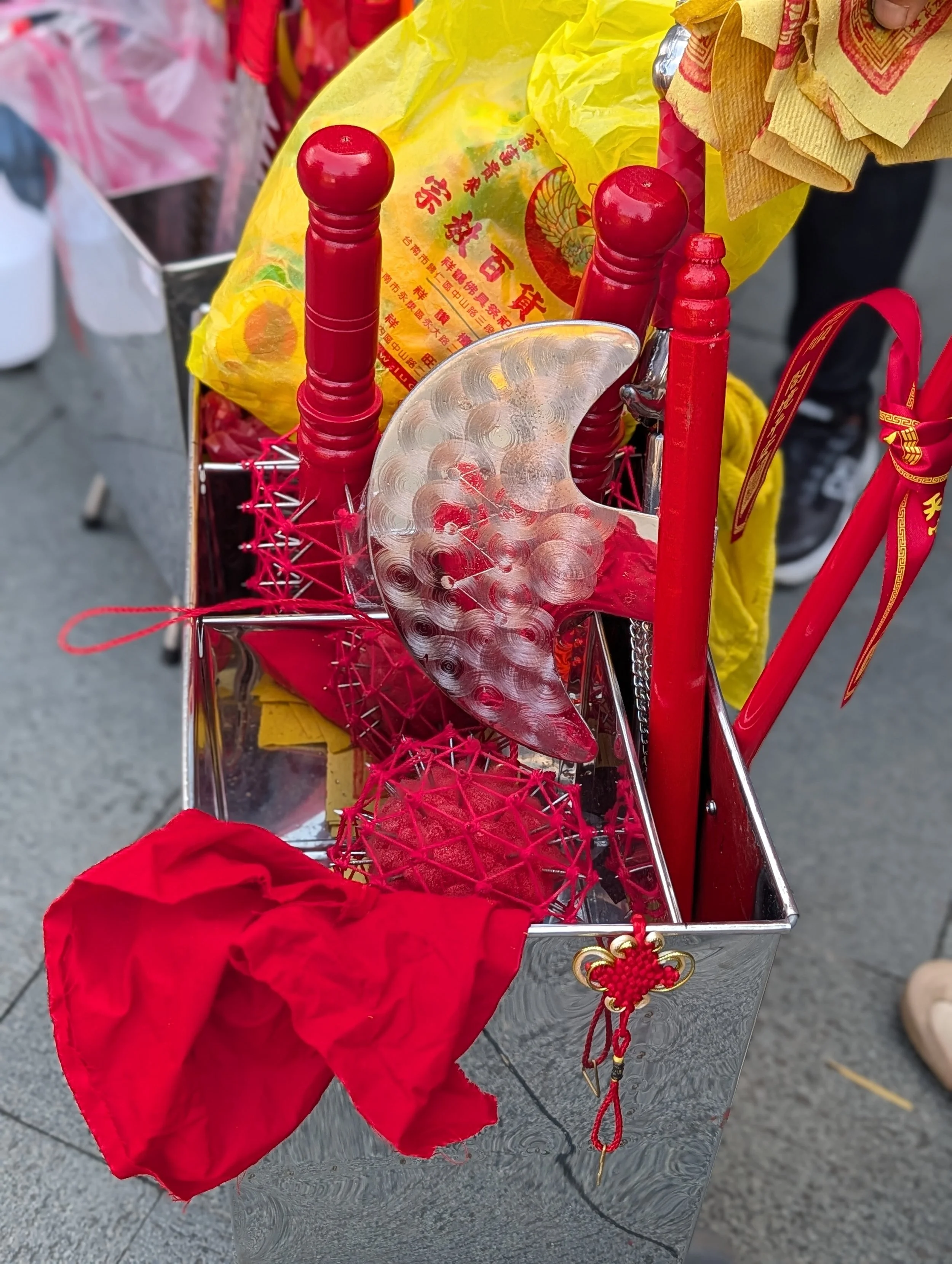
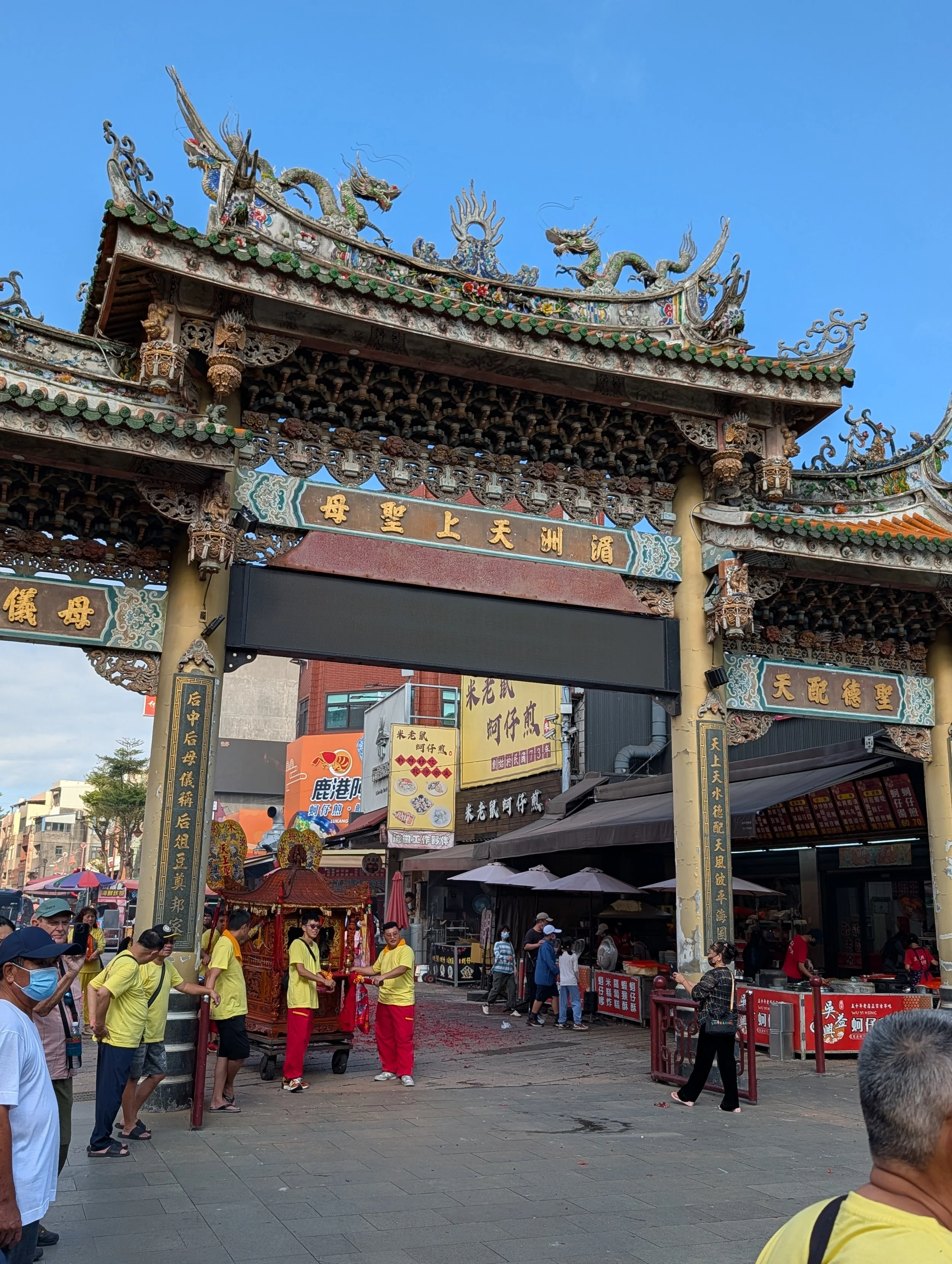
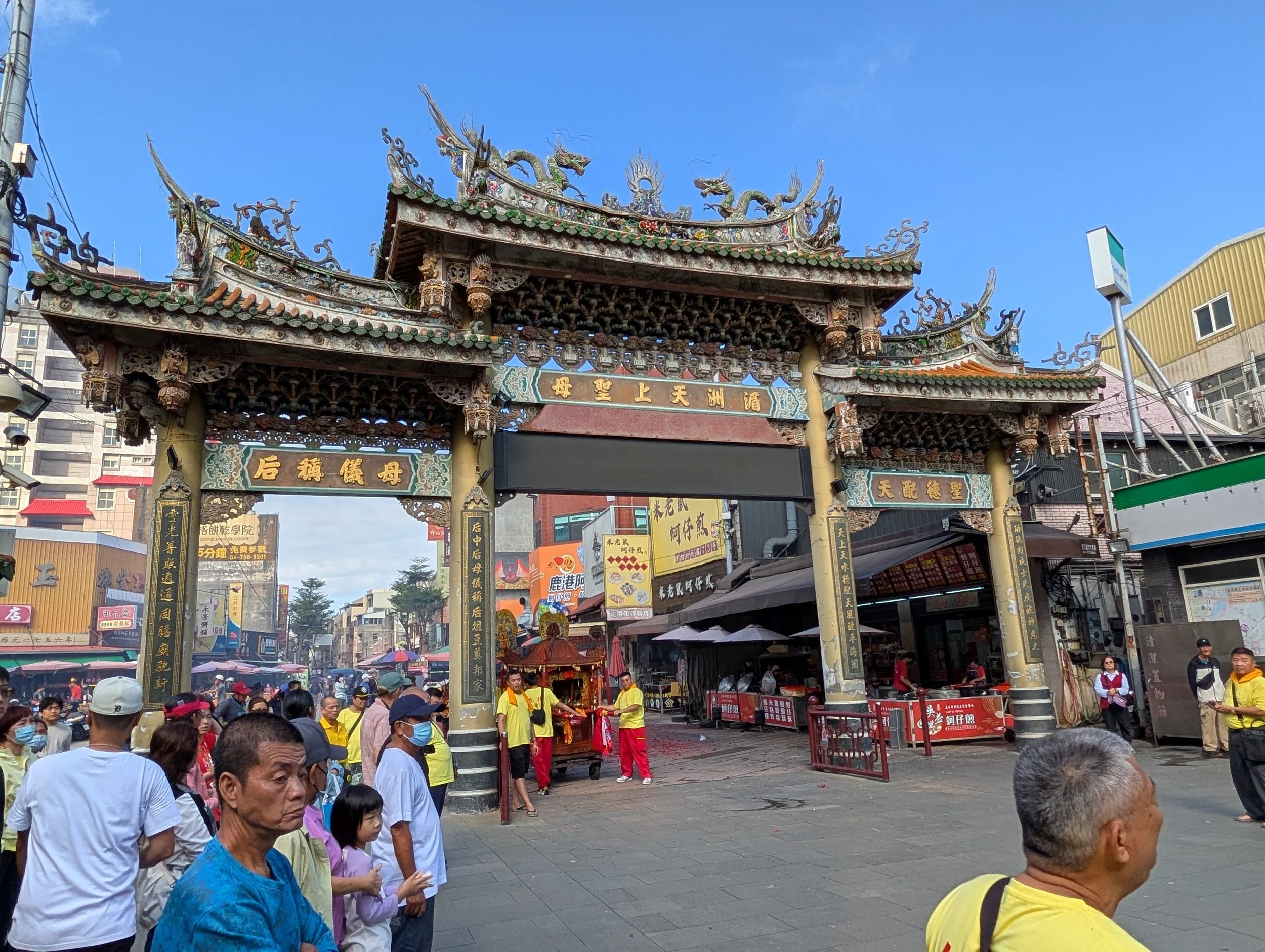
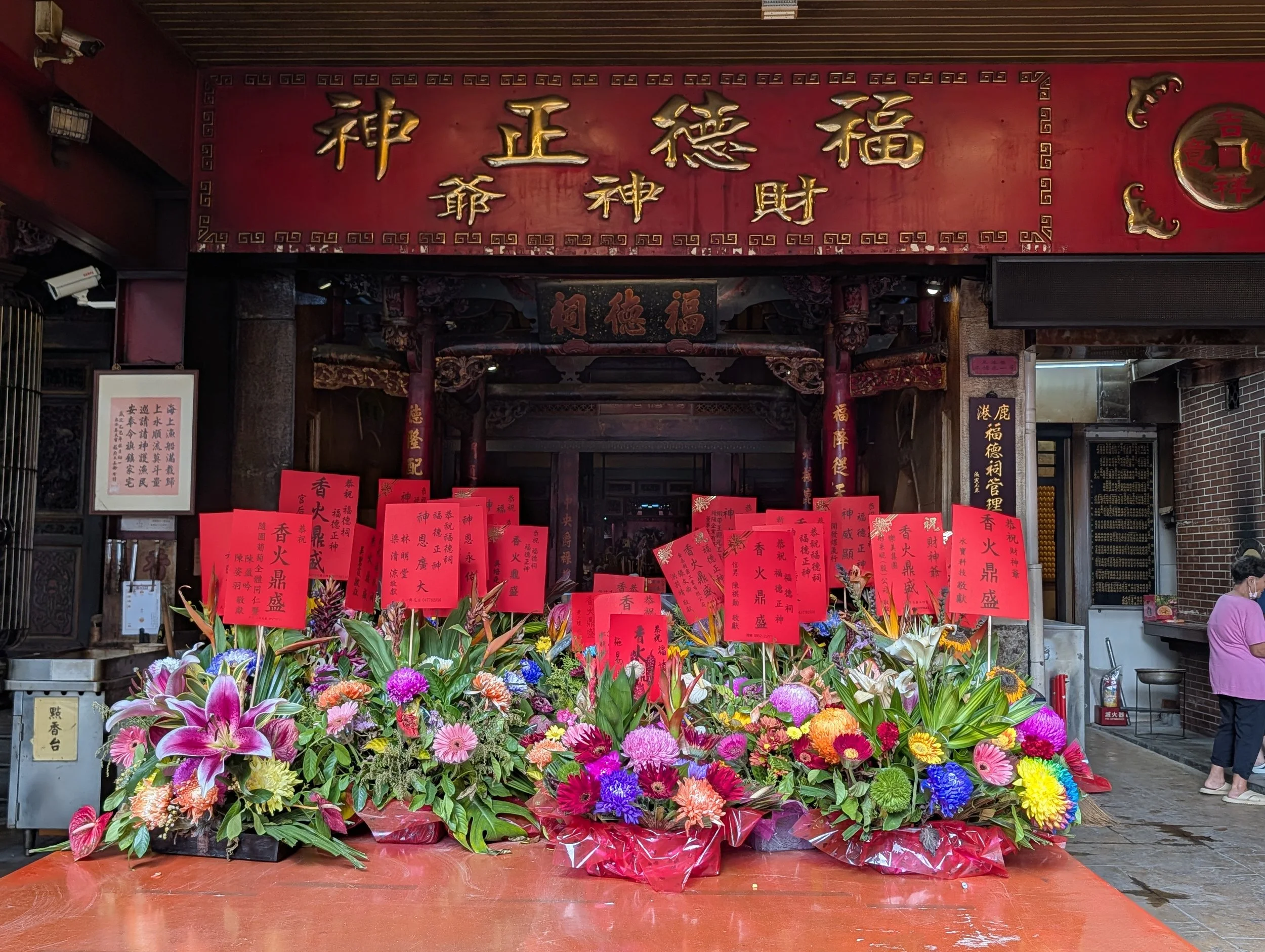
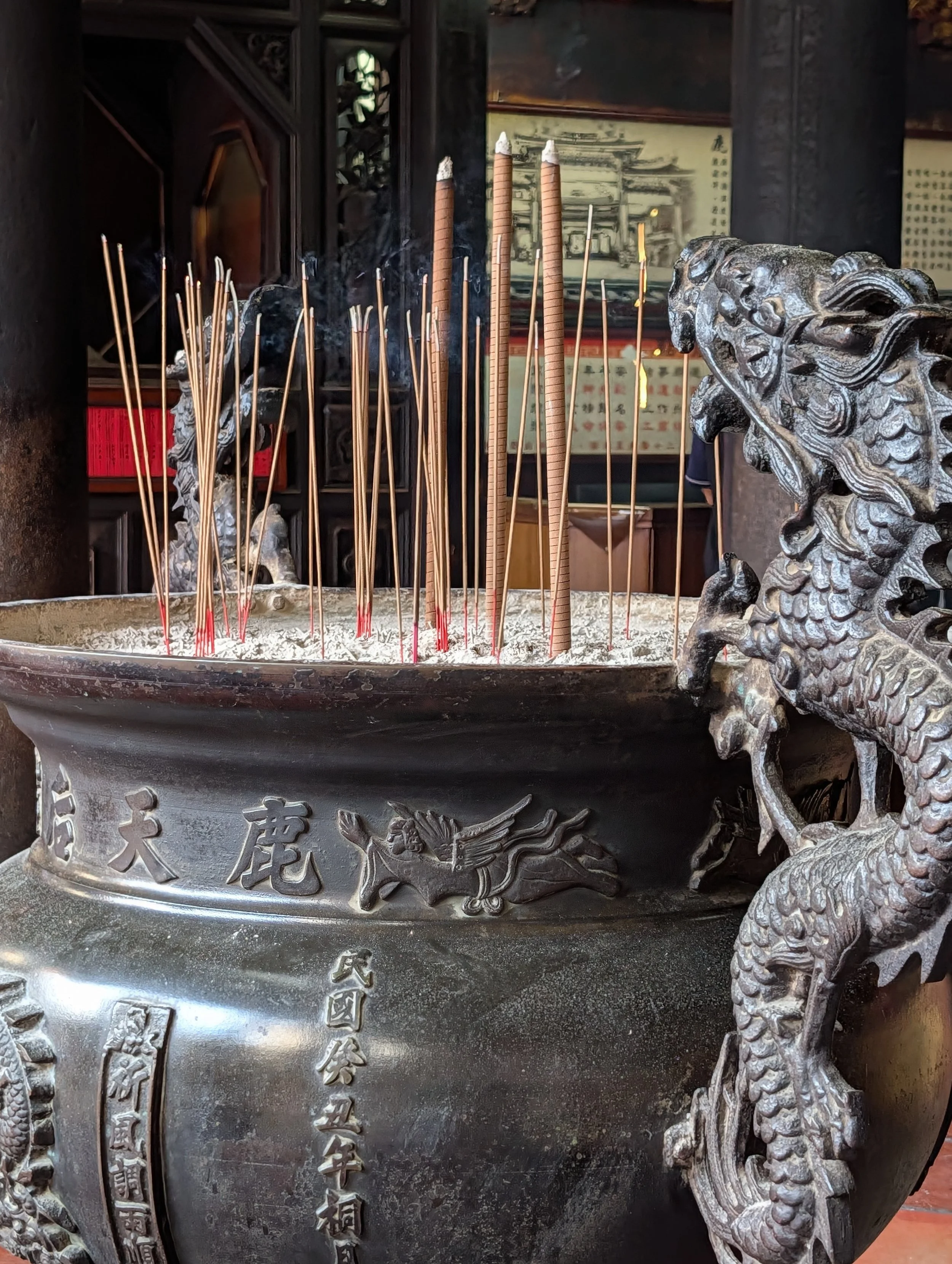
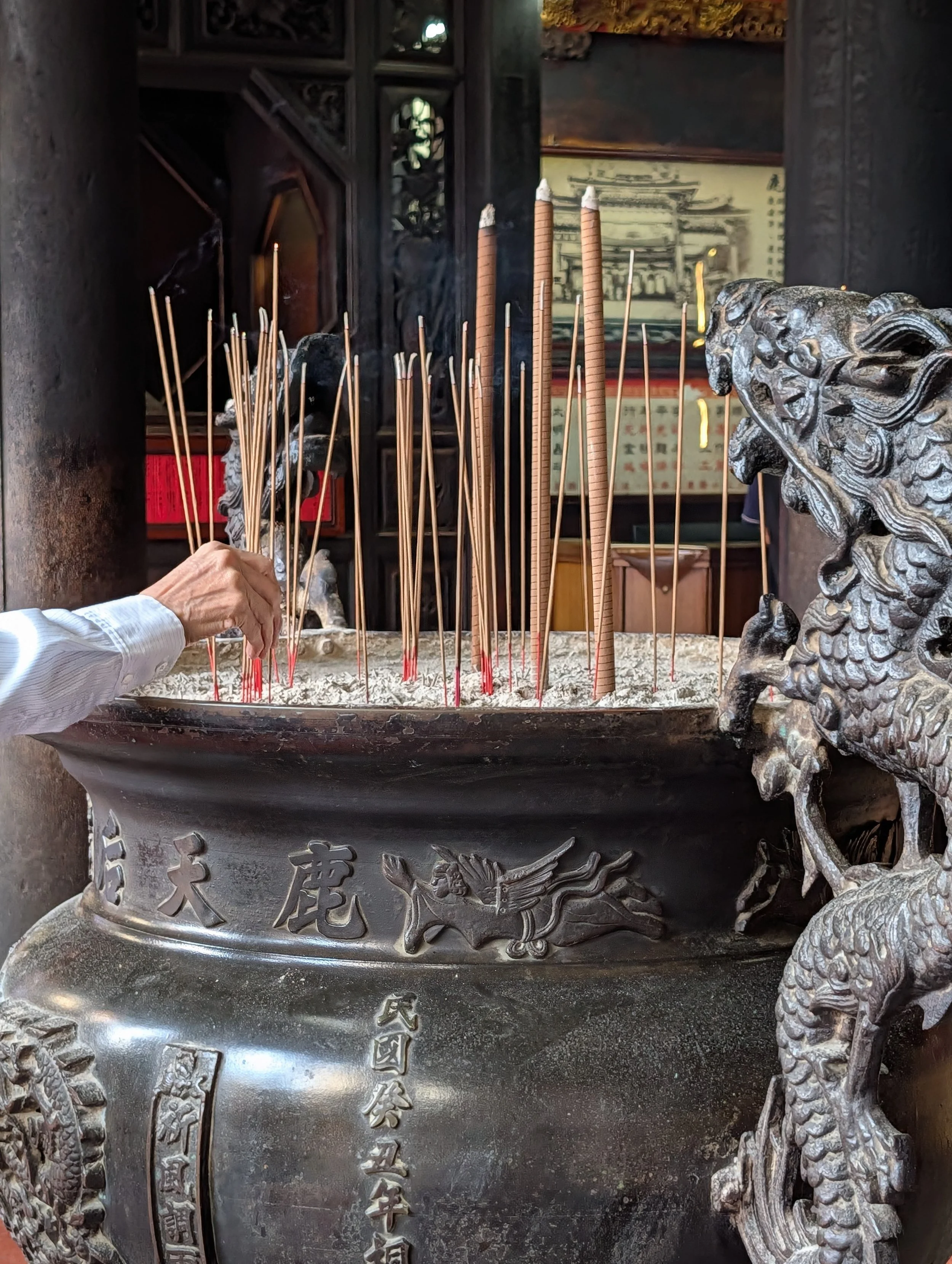
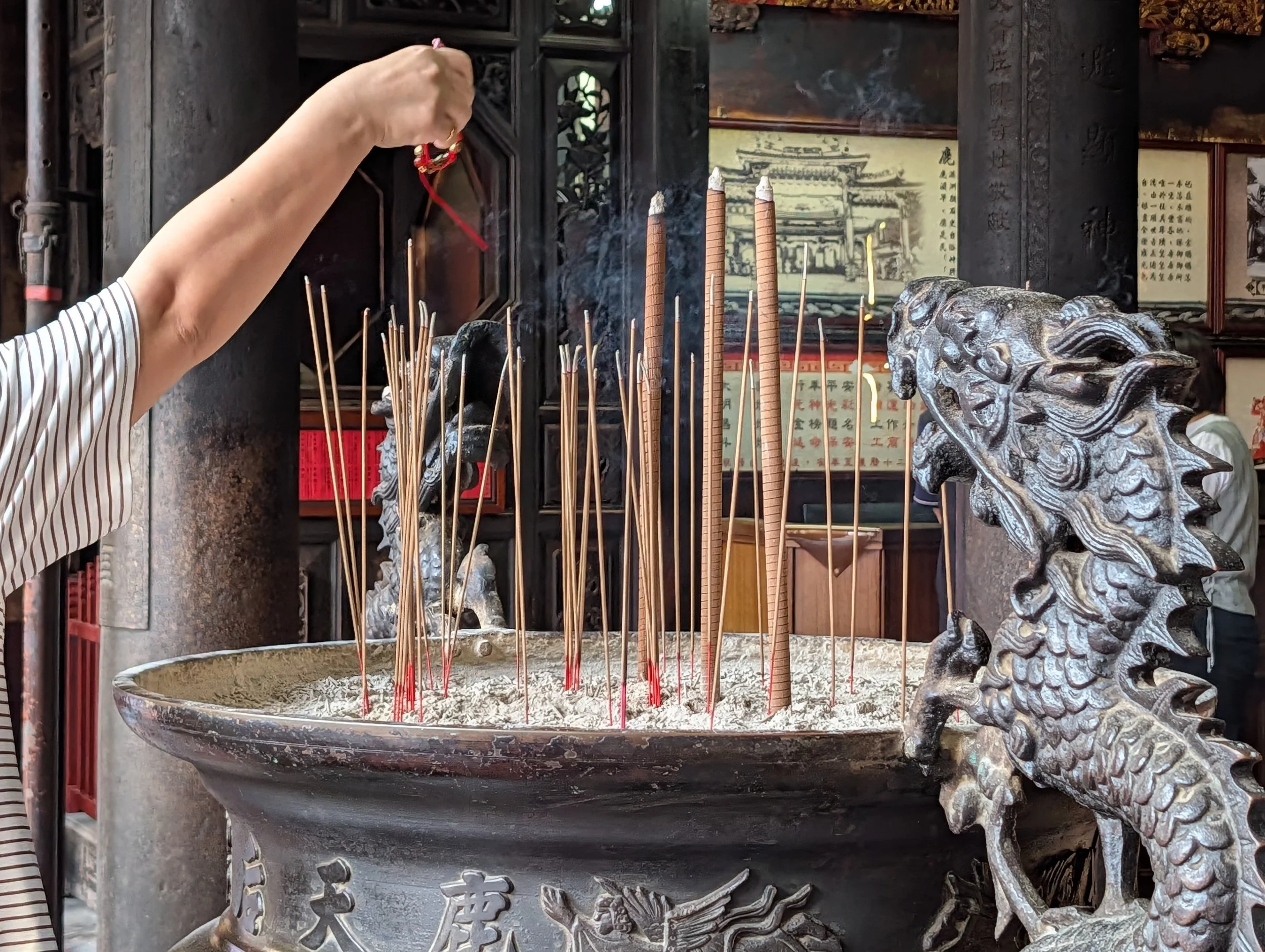
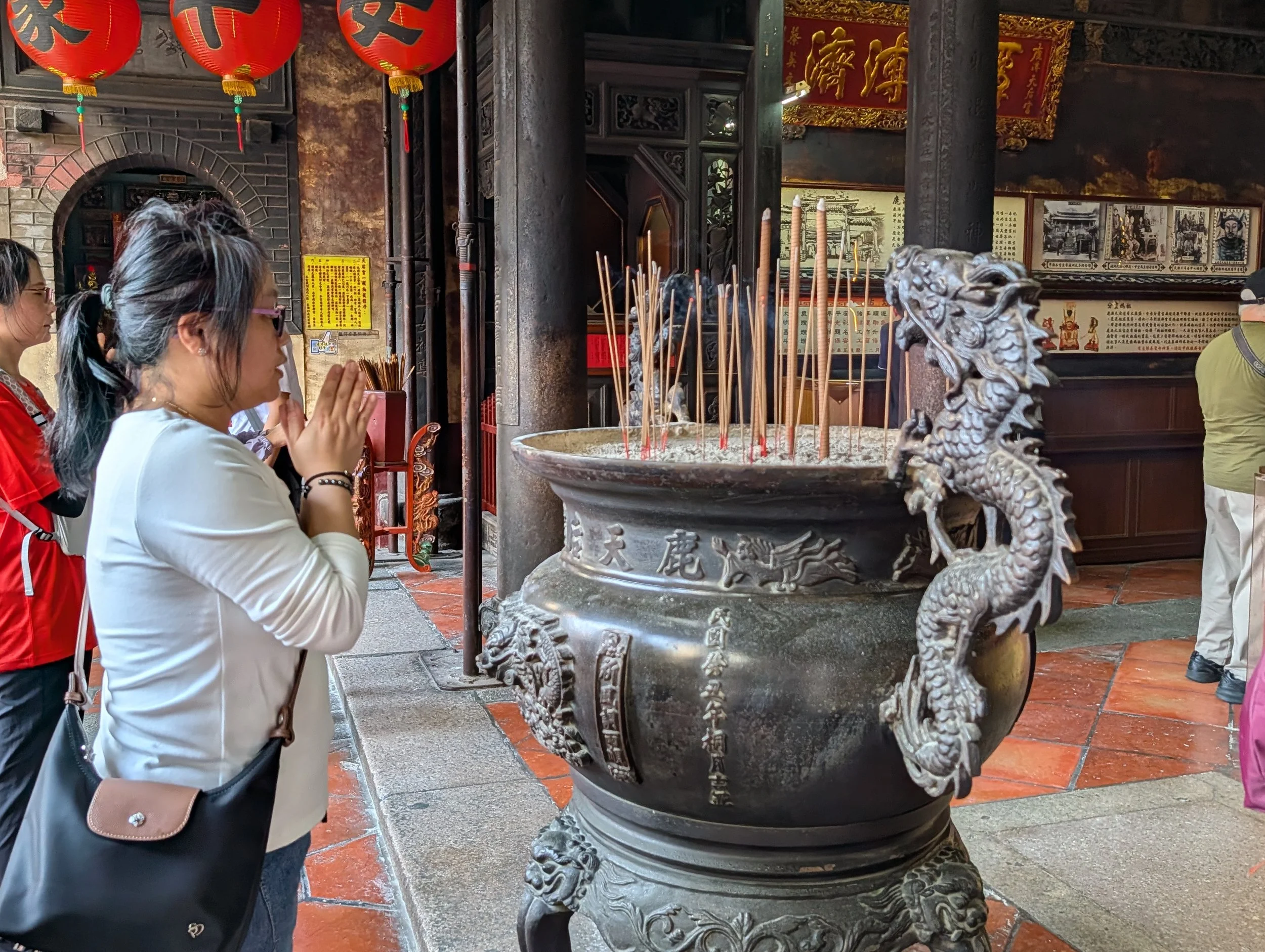
Then after a bit more time wander in the streets, we too made our way to the Matsu Temple. Matsu is the goddess of the Sea.
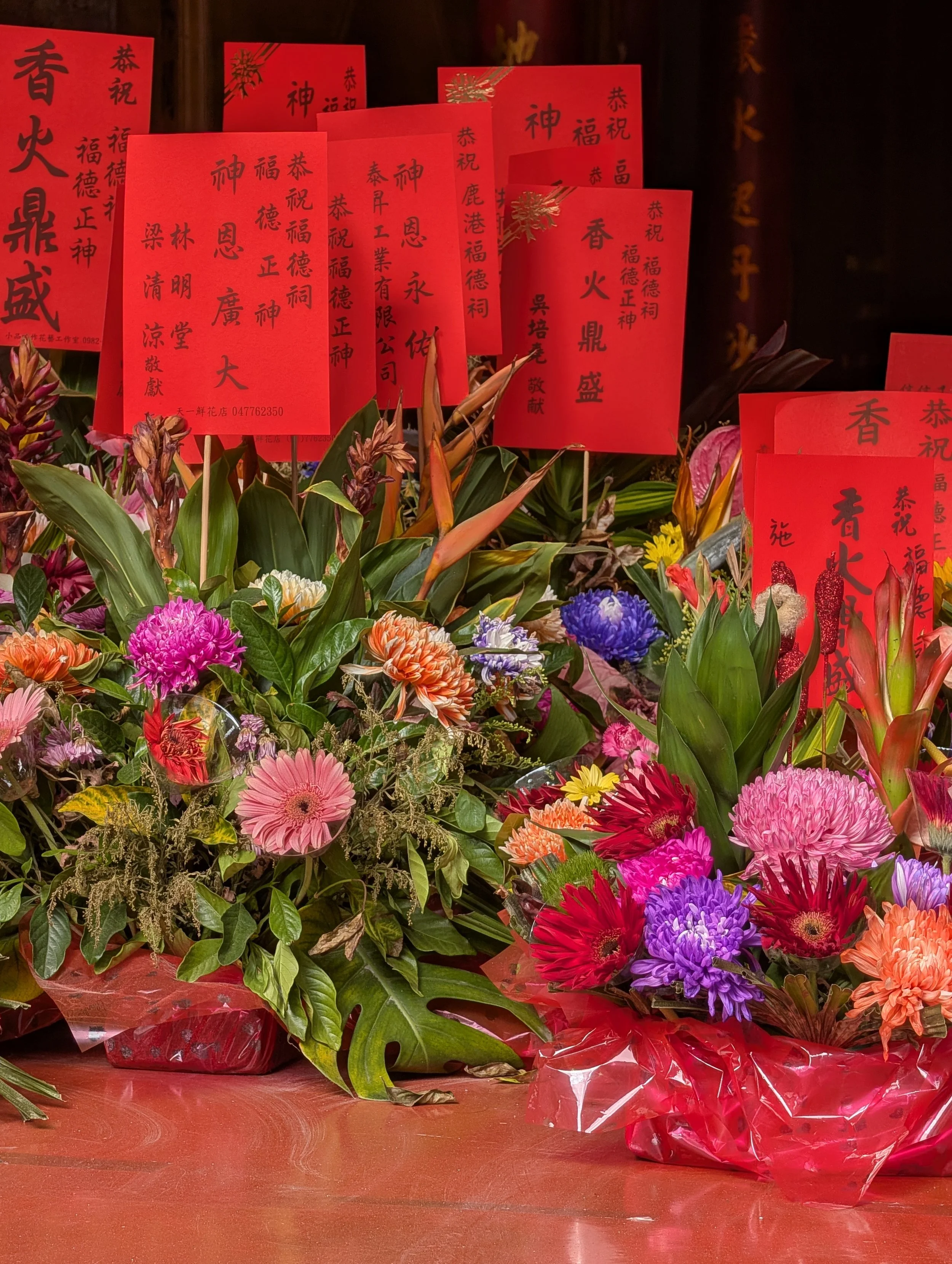
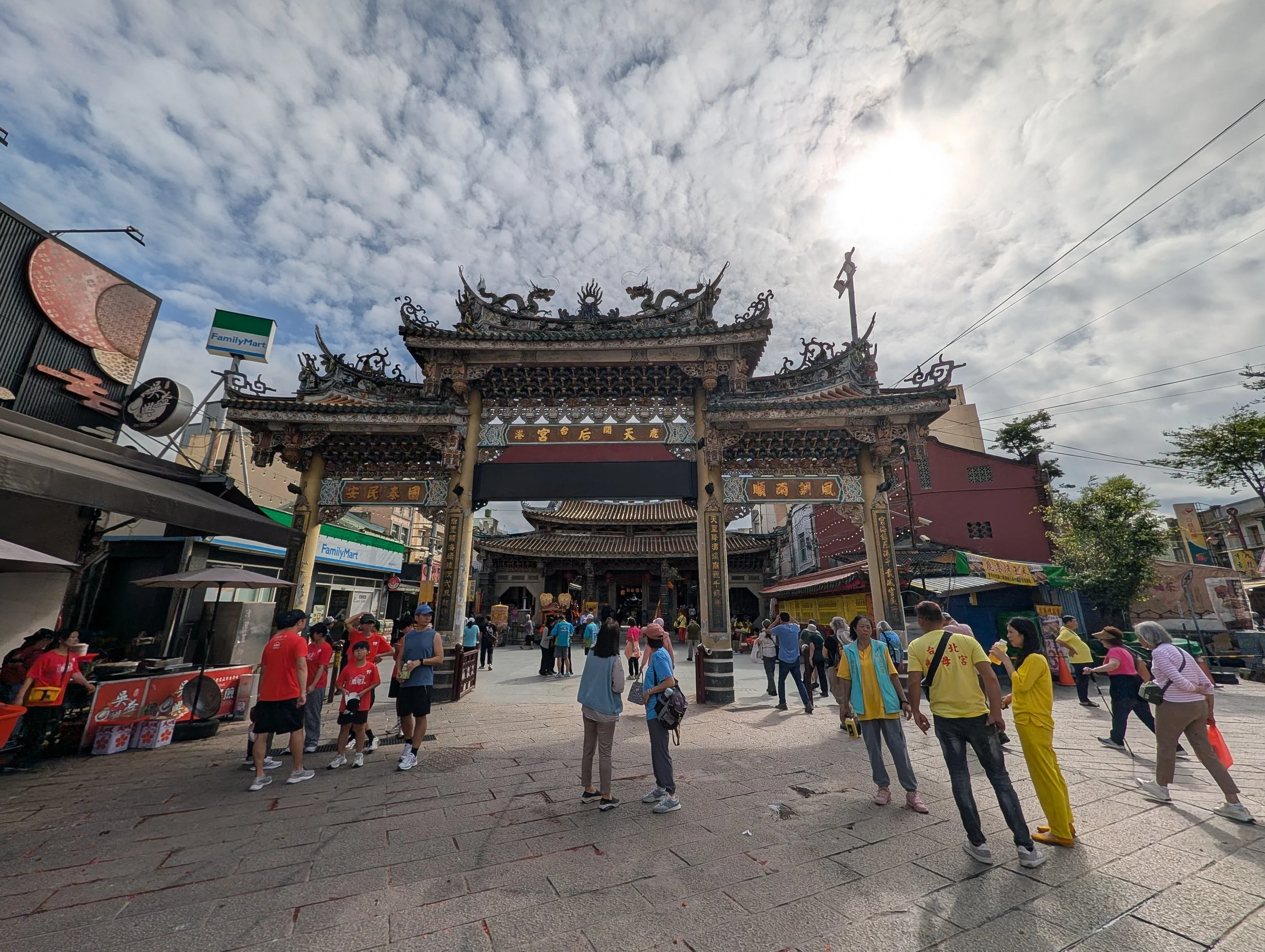
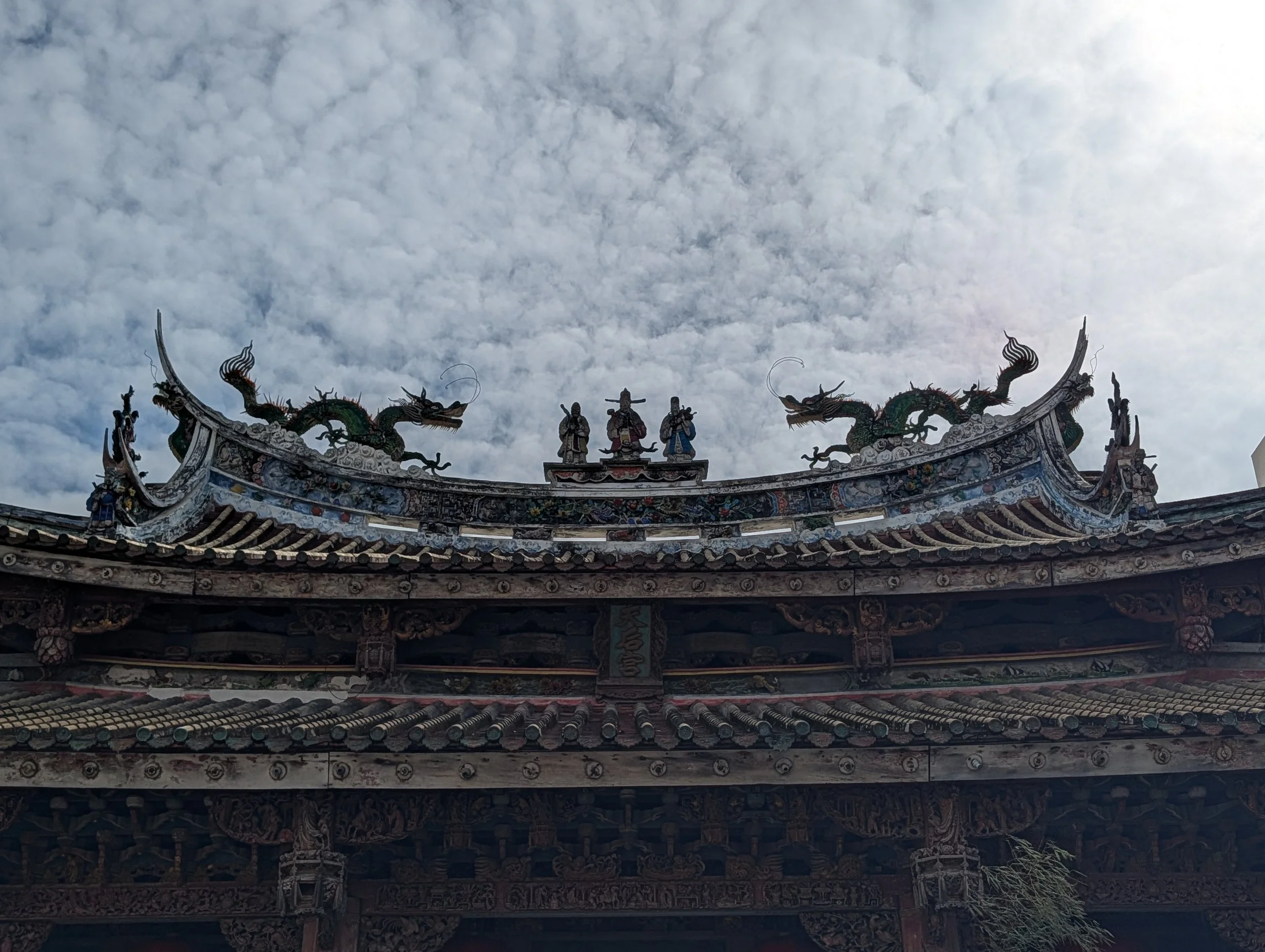
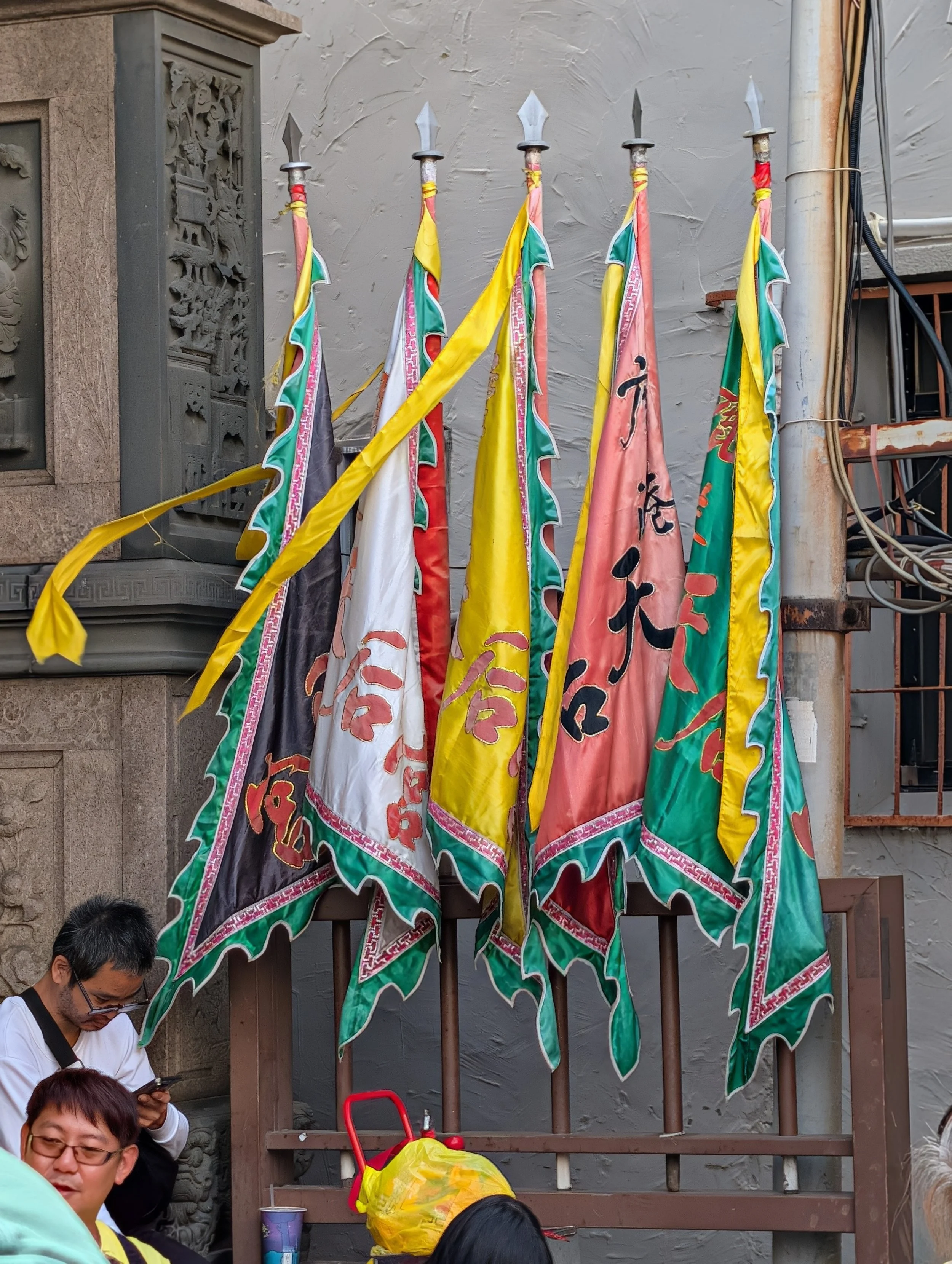
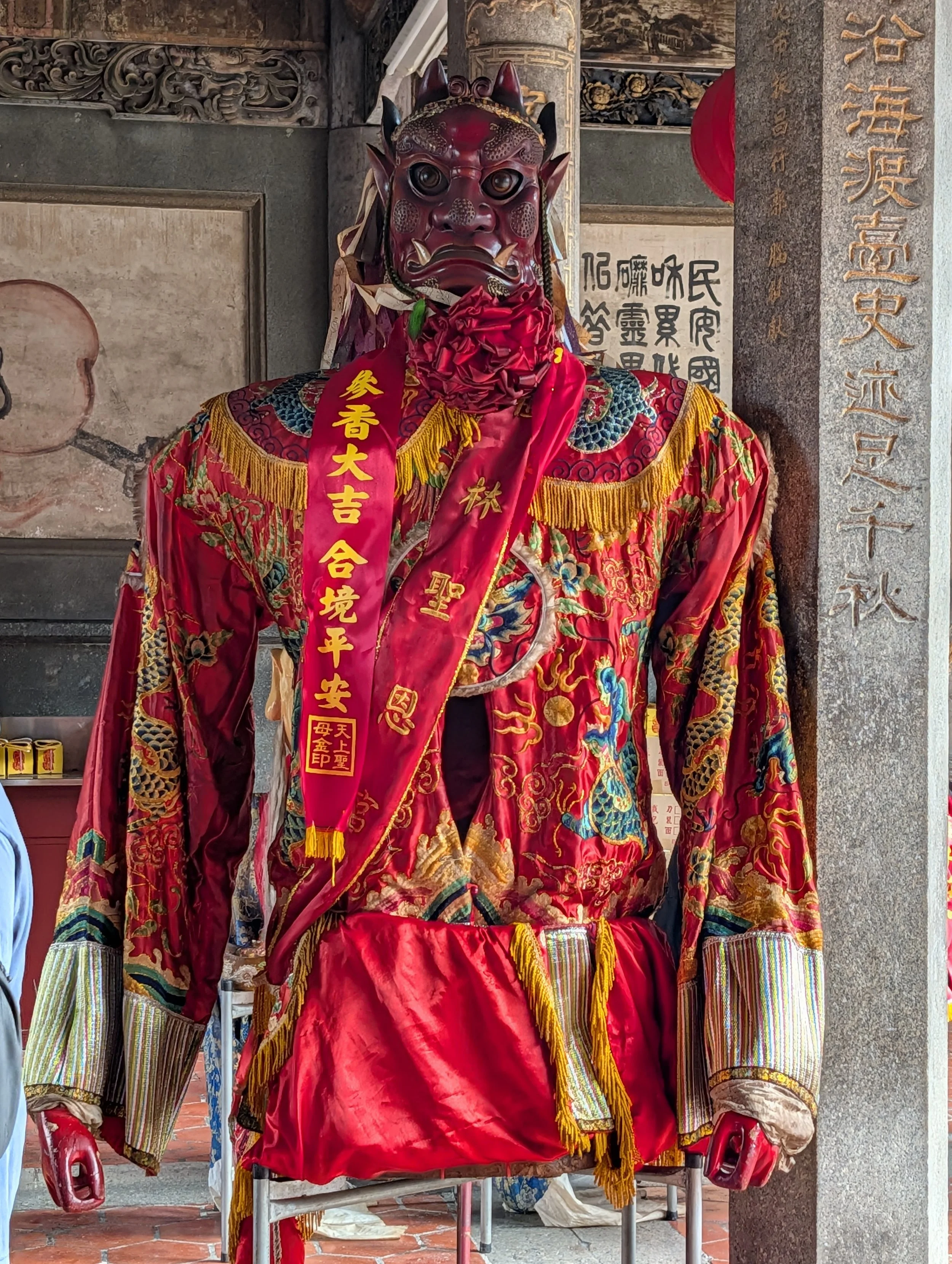
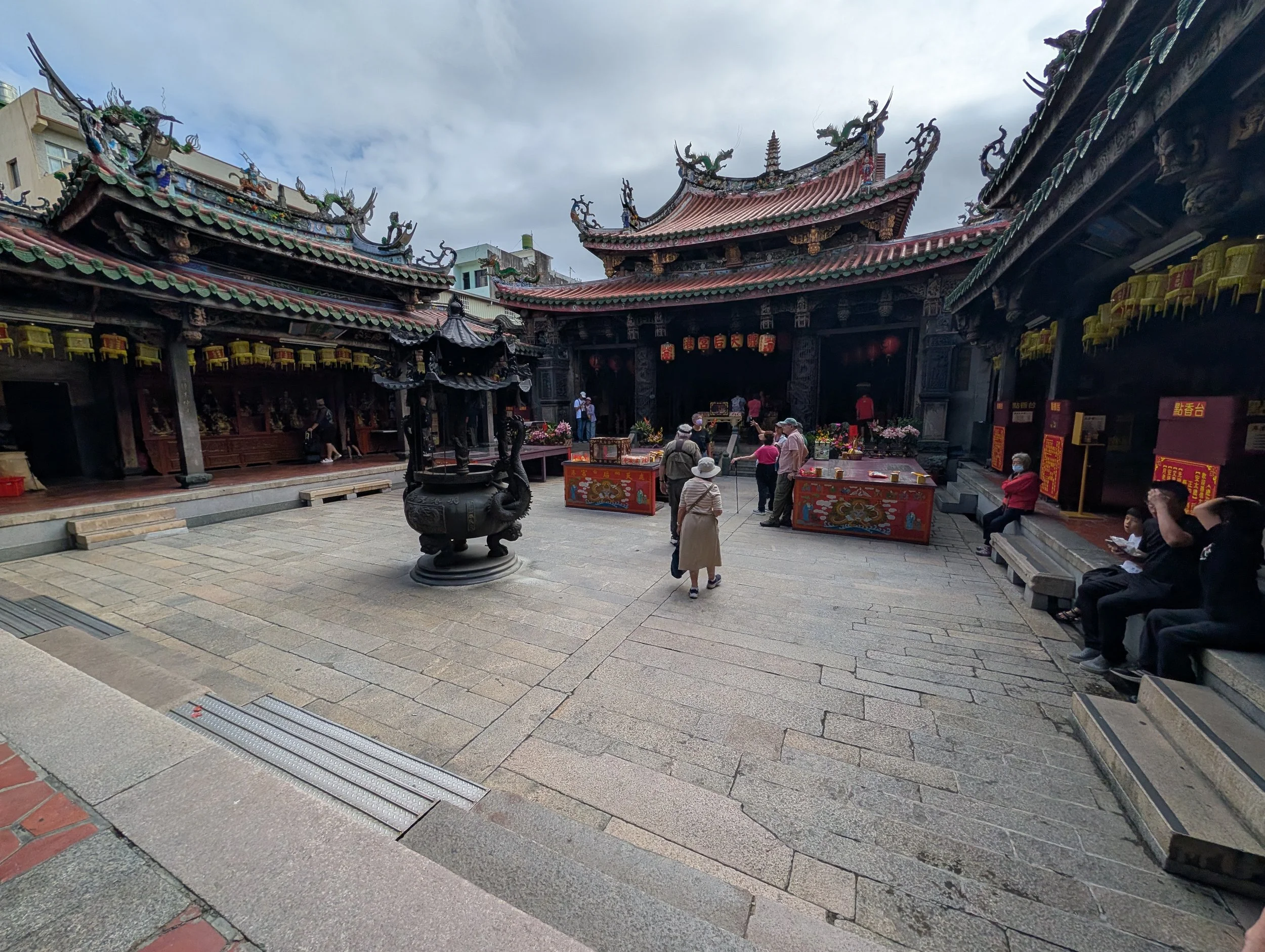
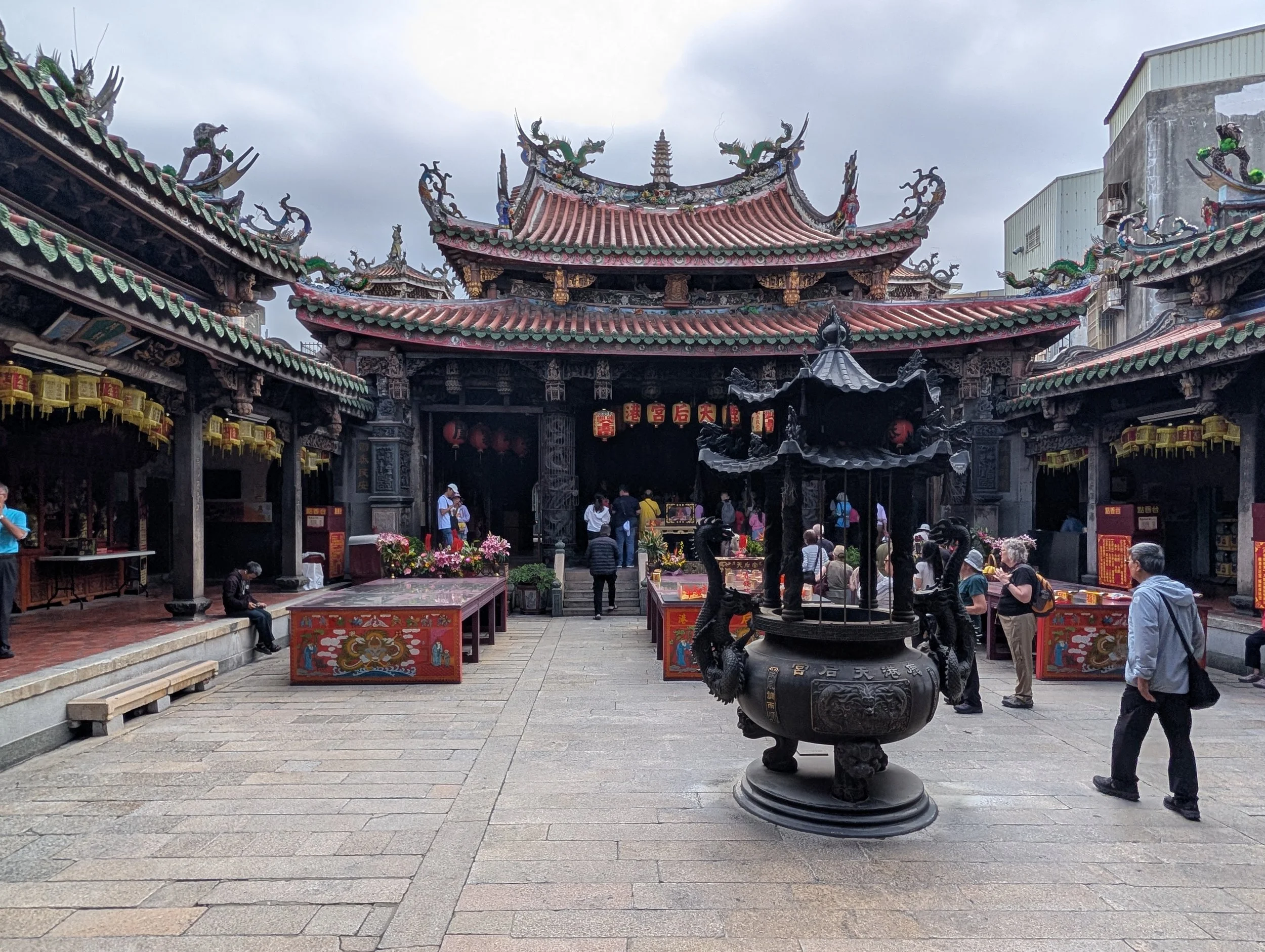
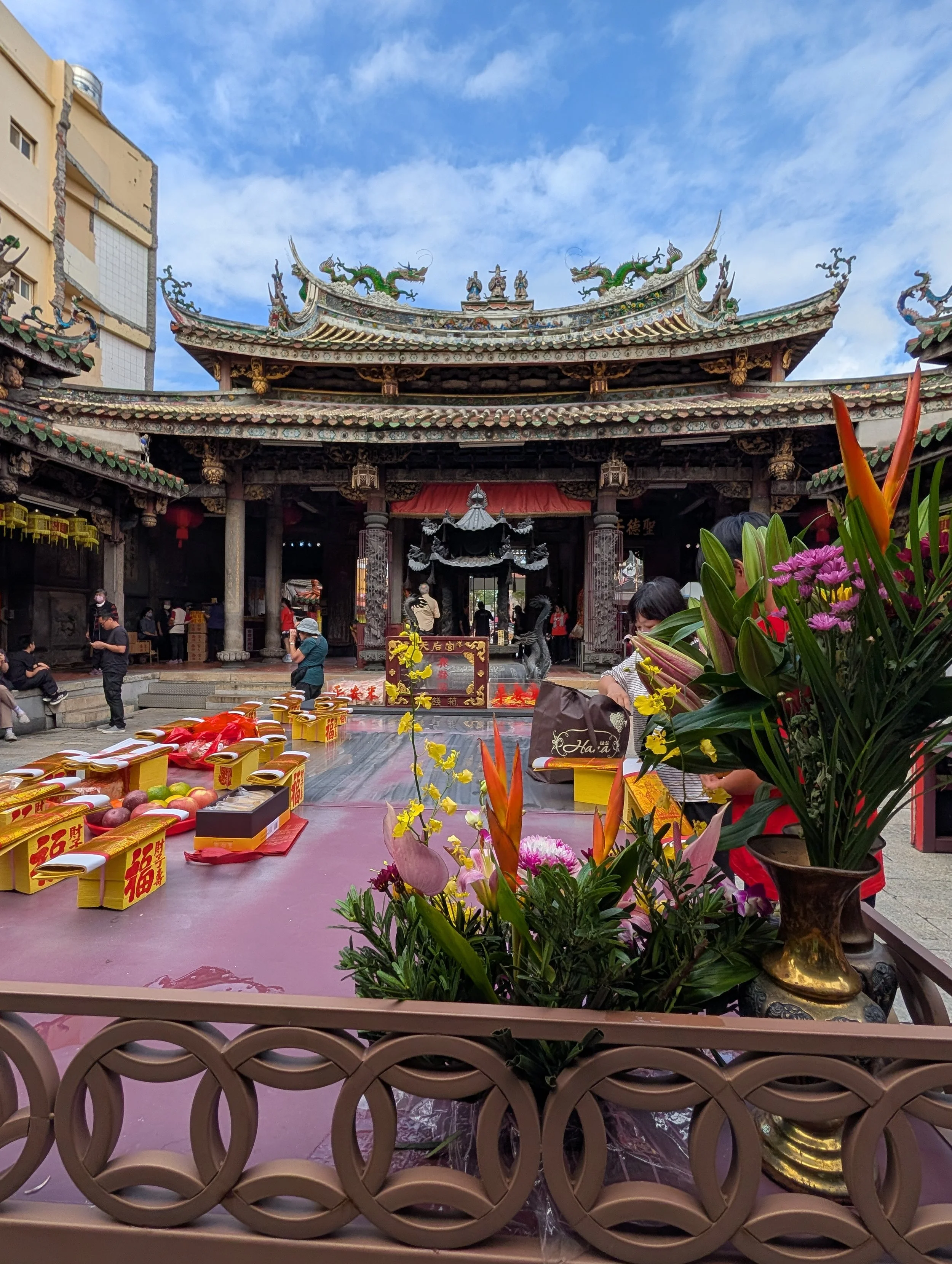
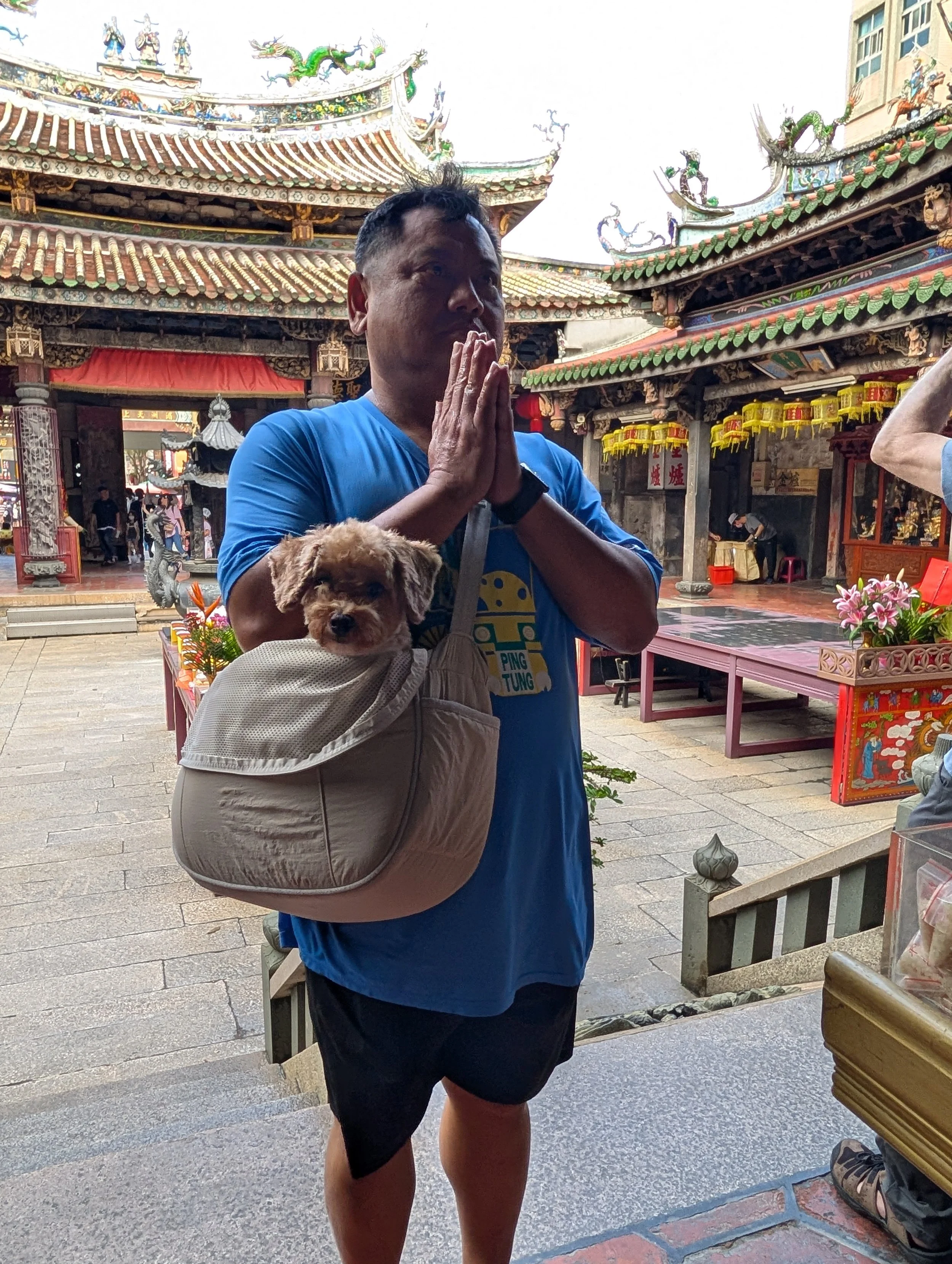
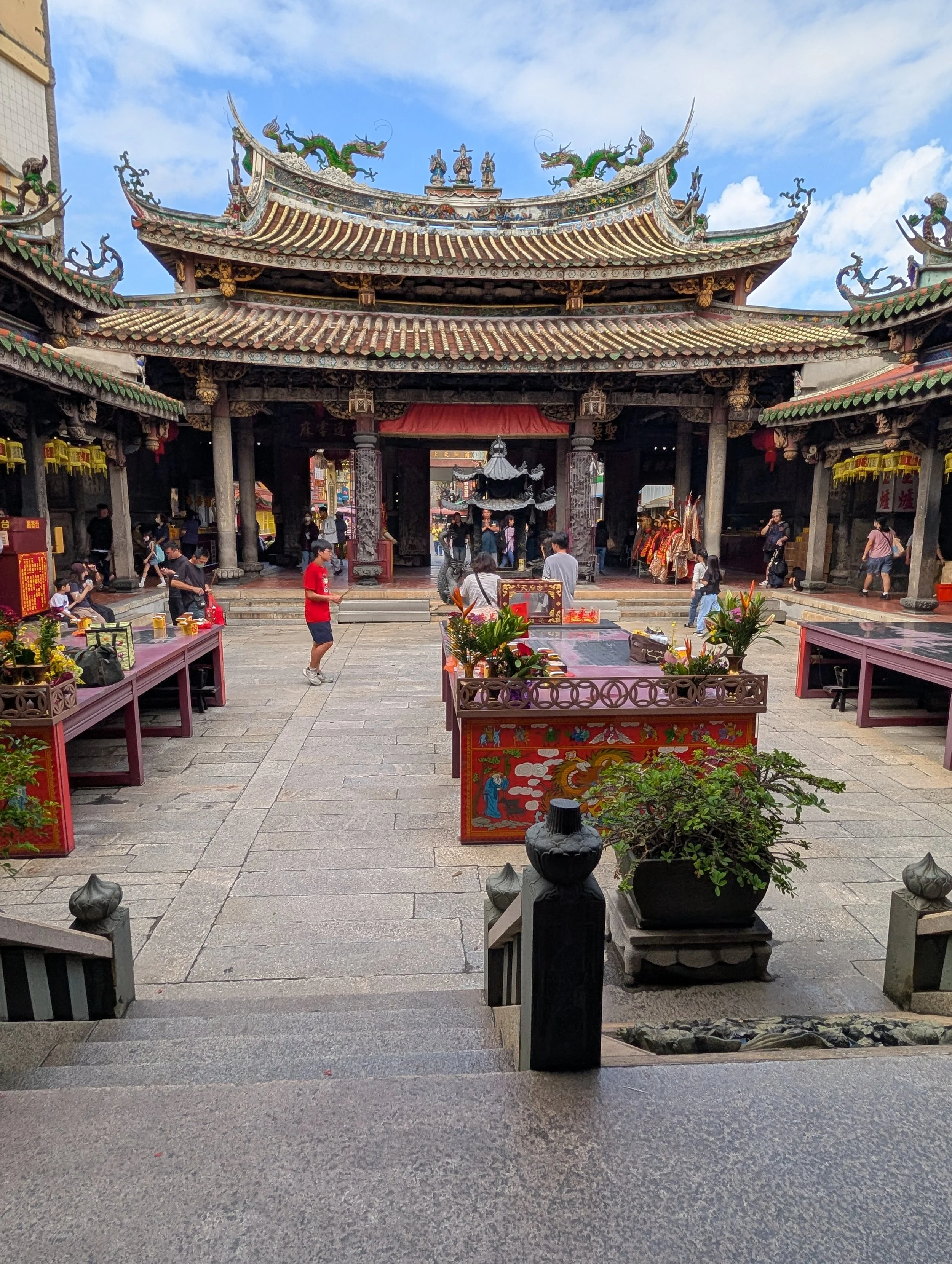
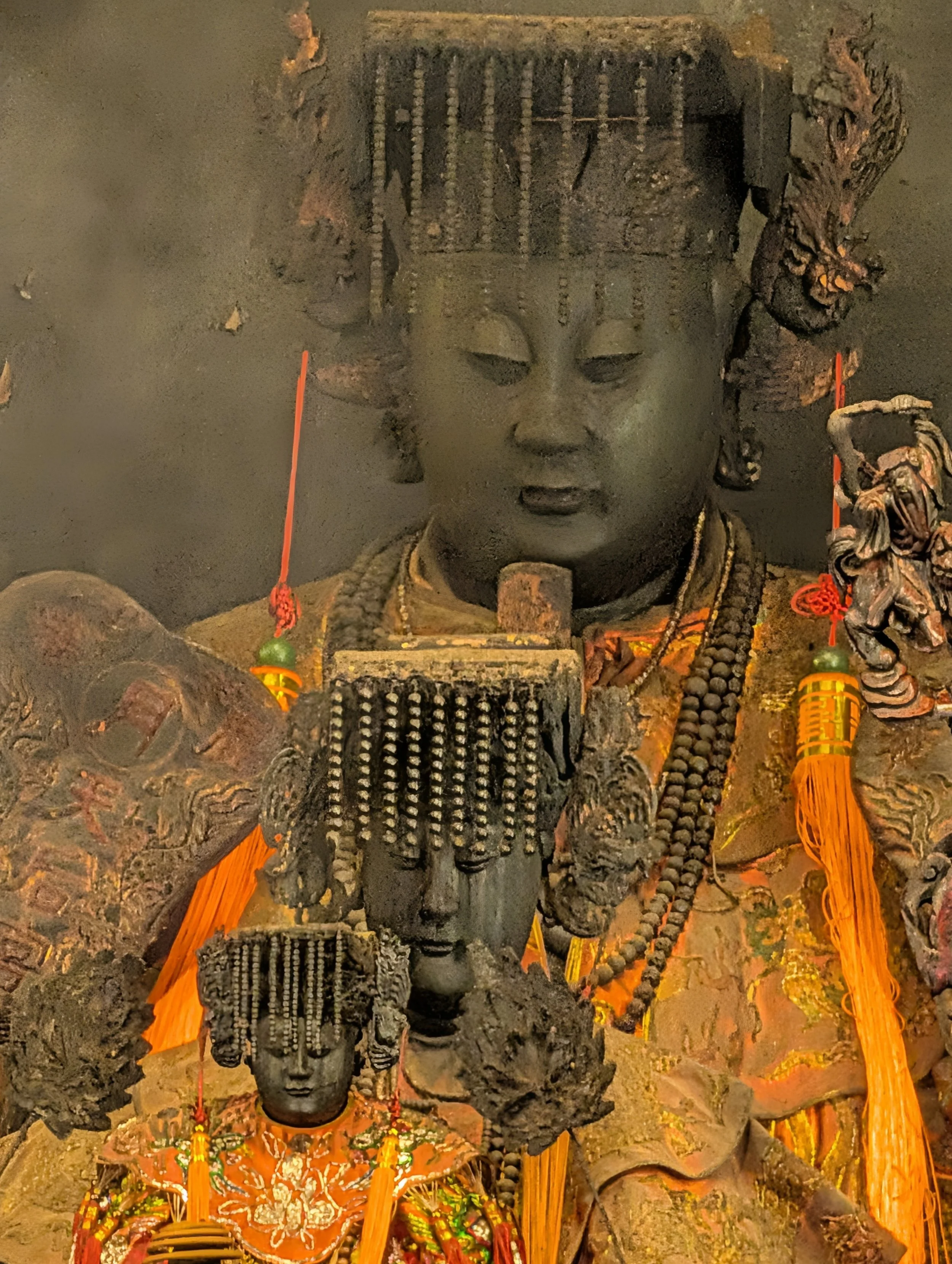
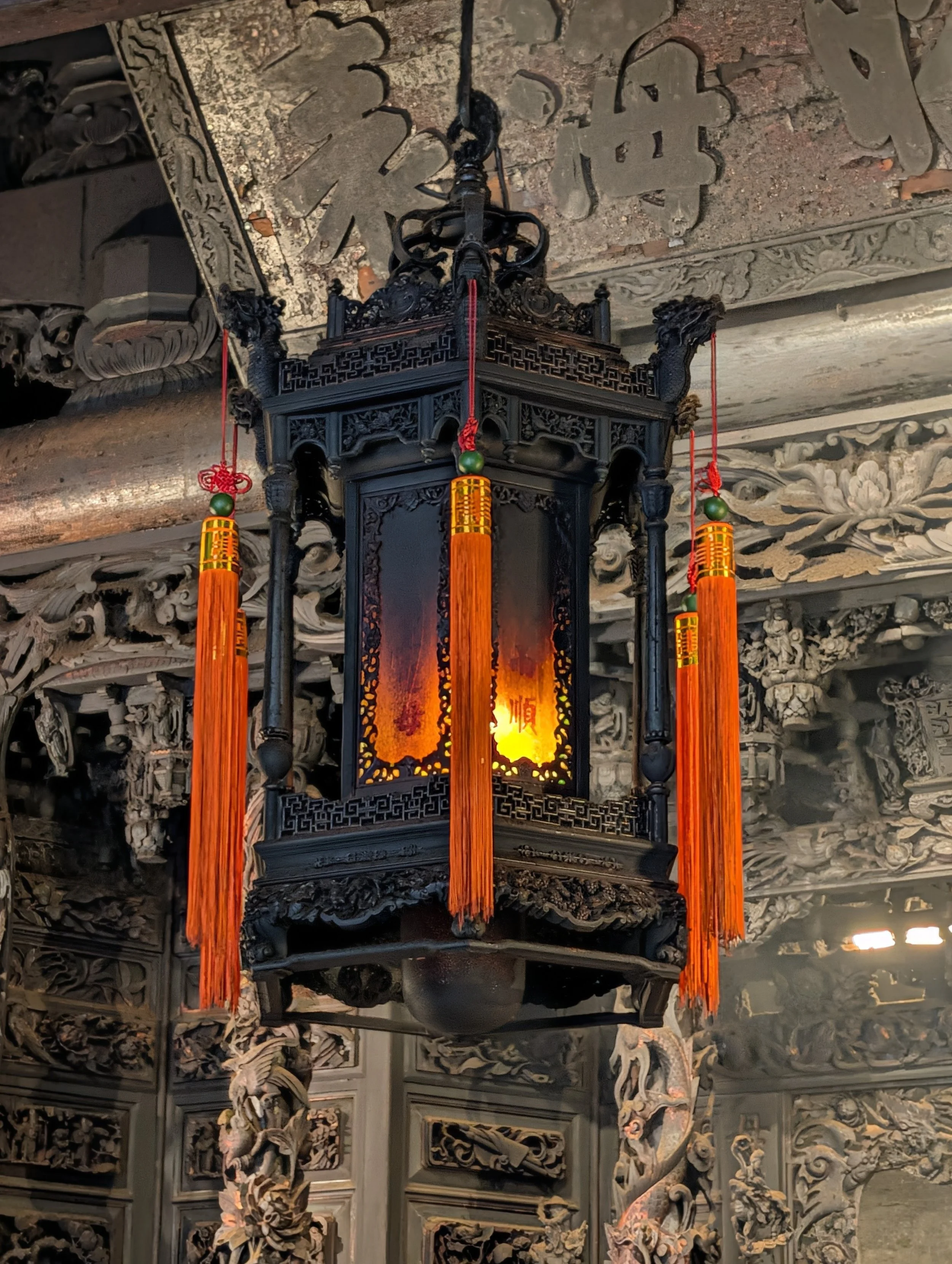
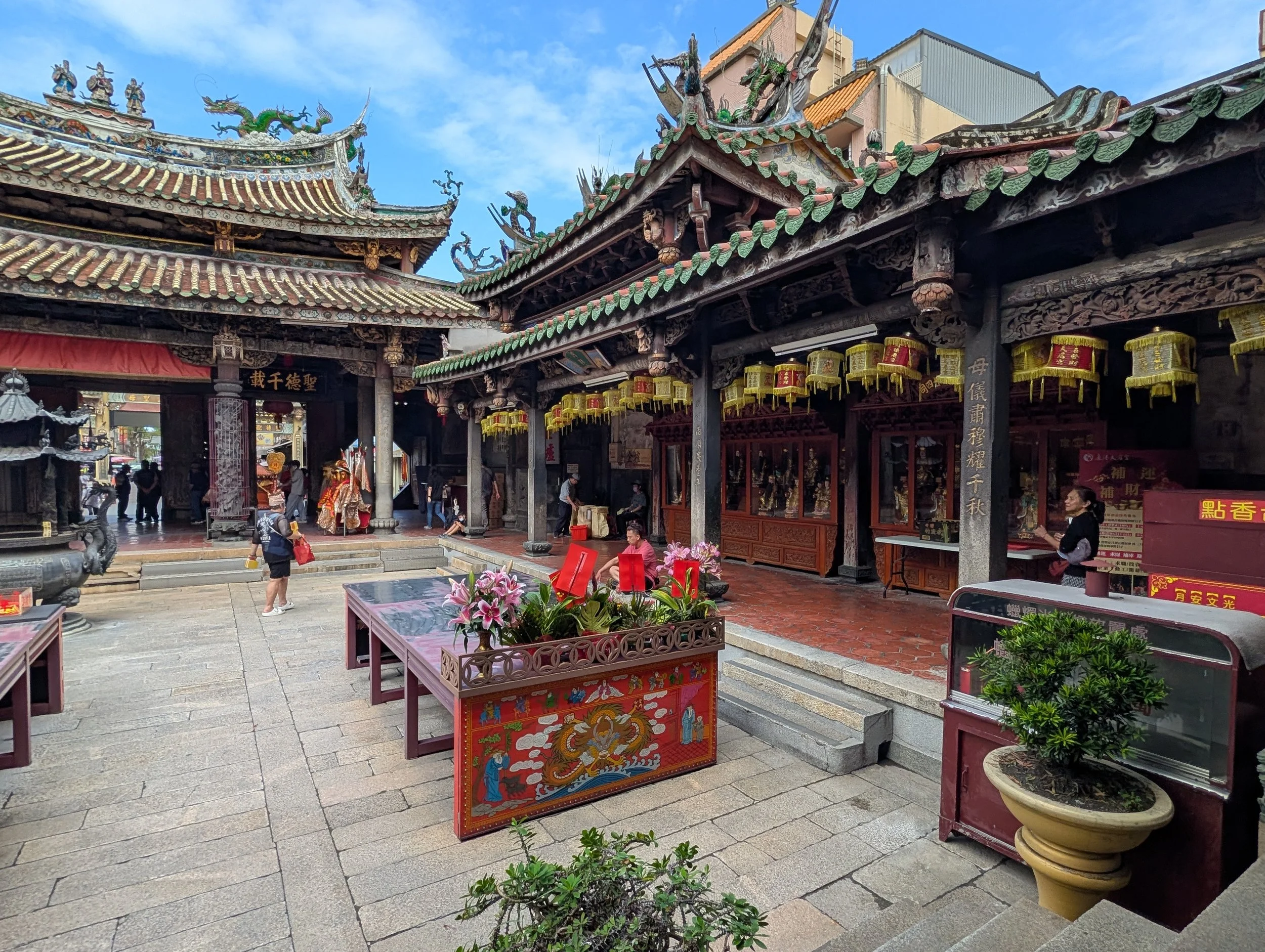
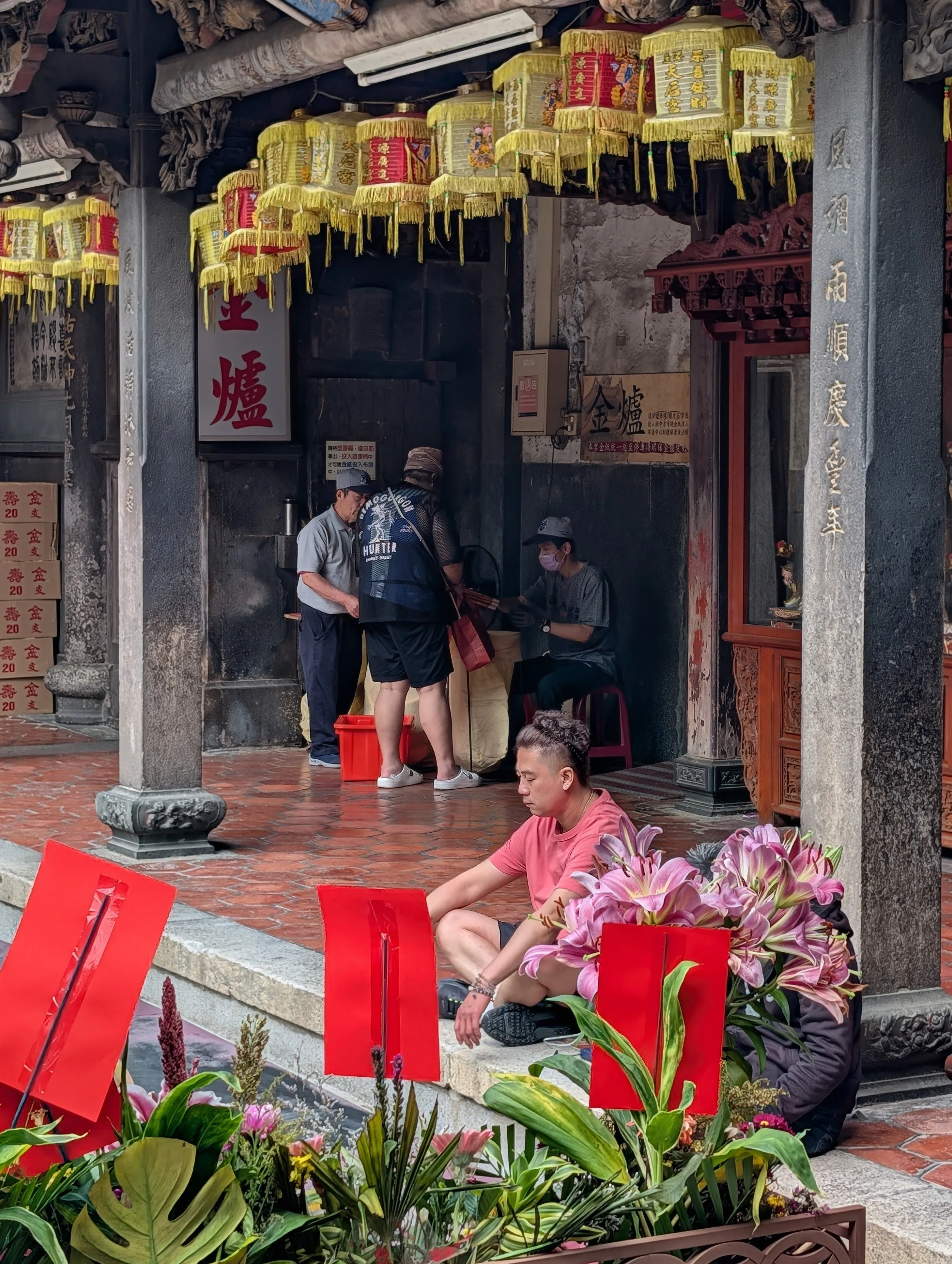
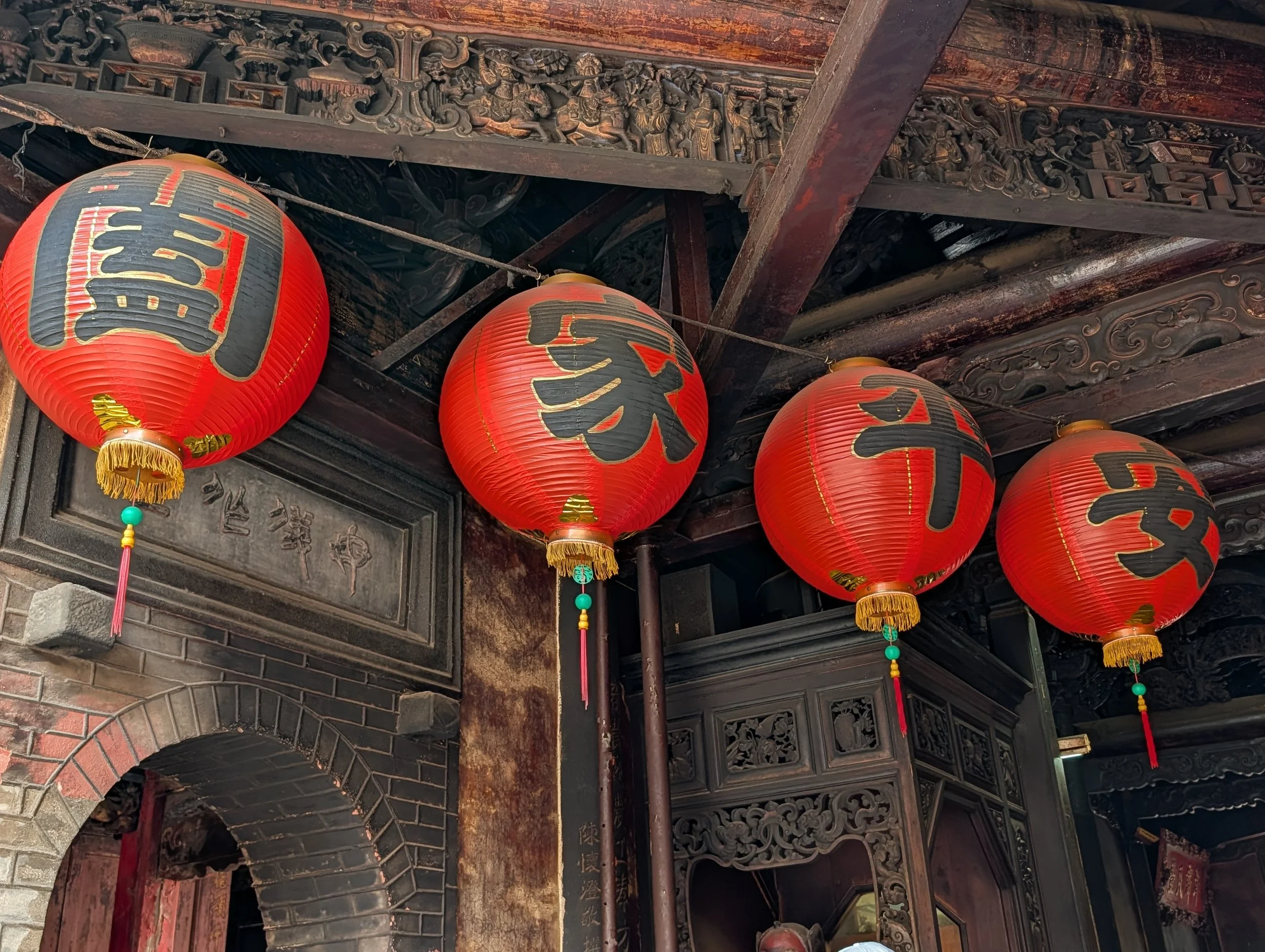
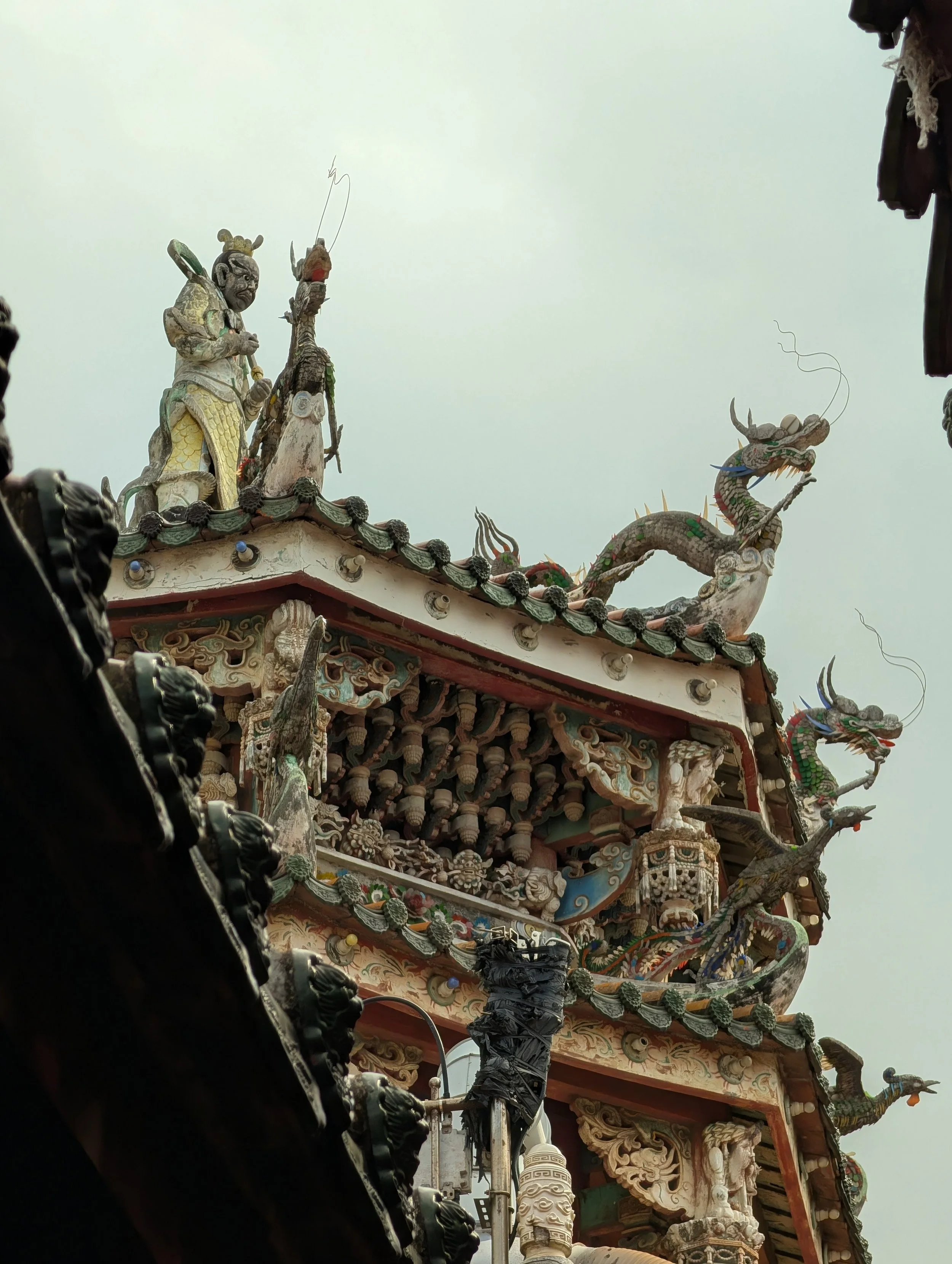
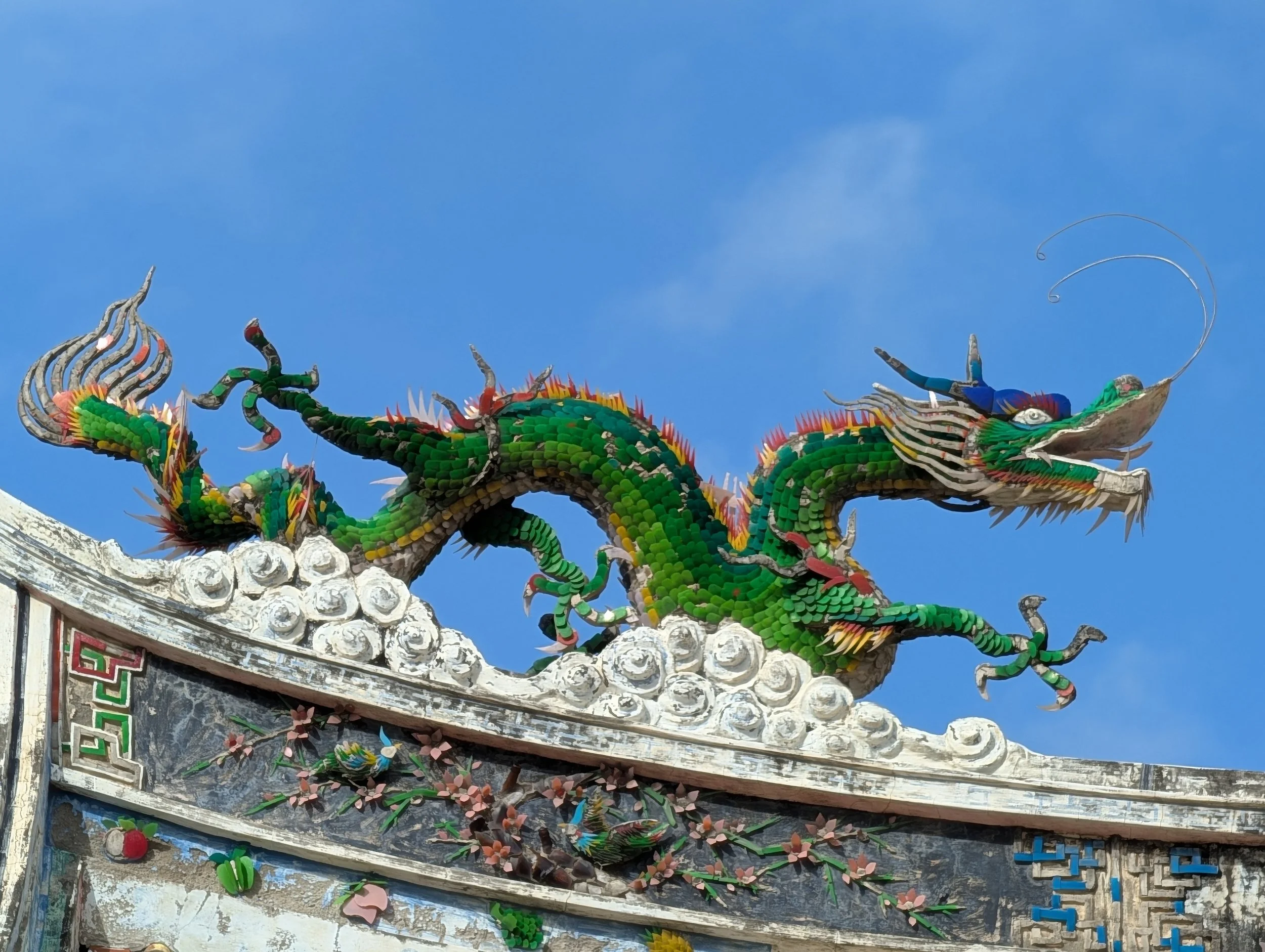
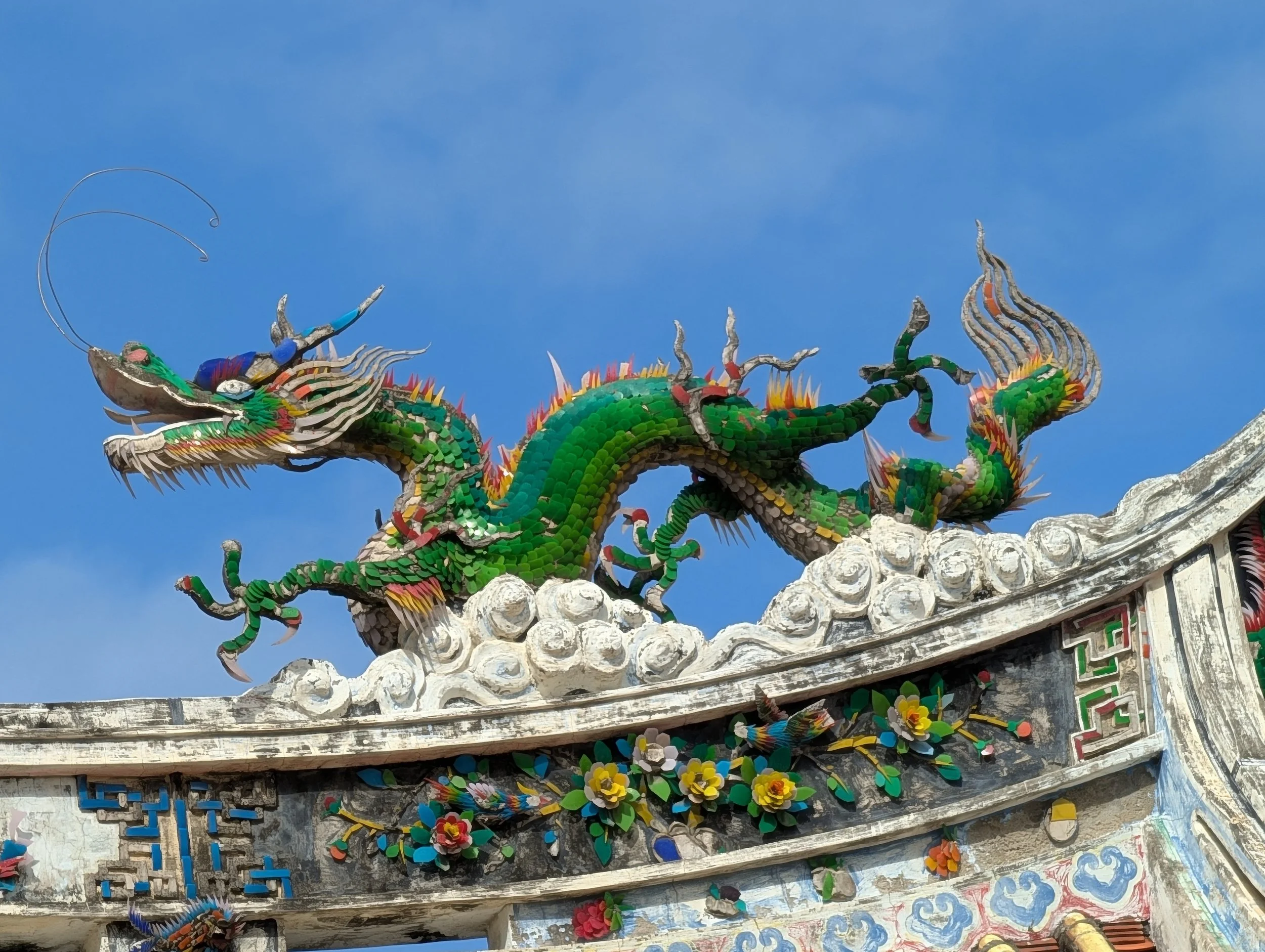
More walking through the streets to our next destination….
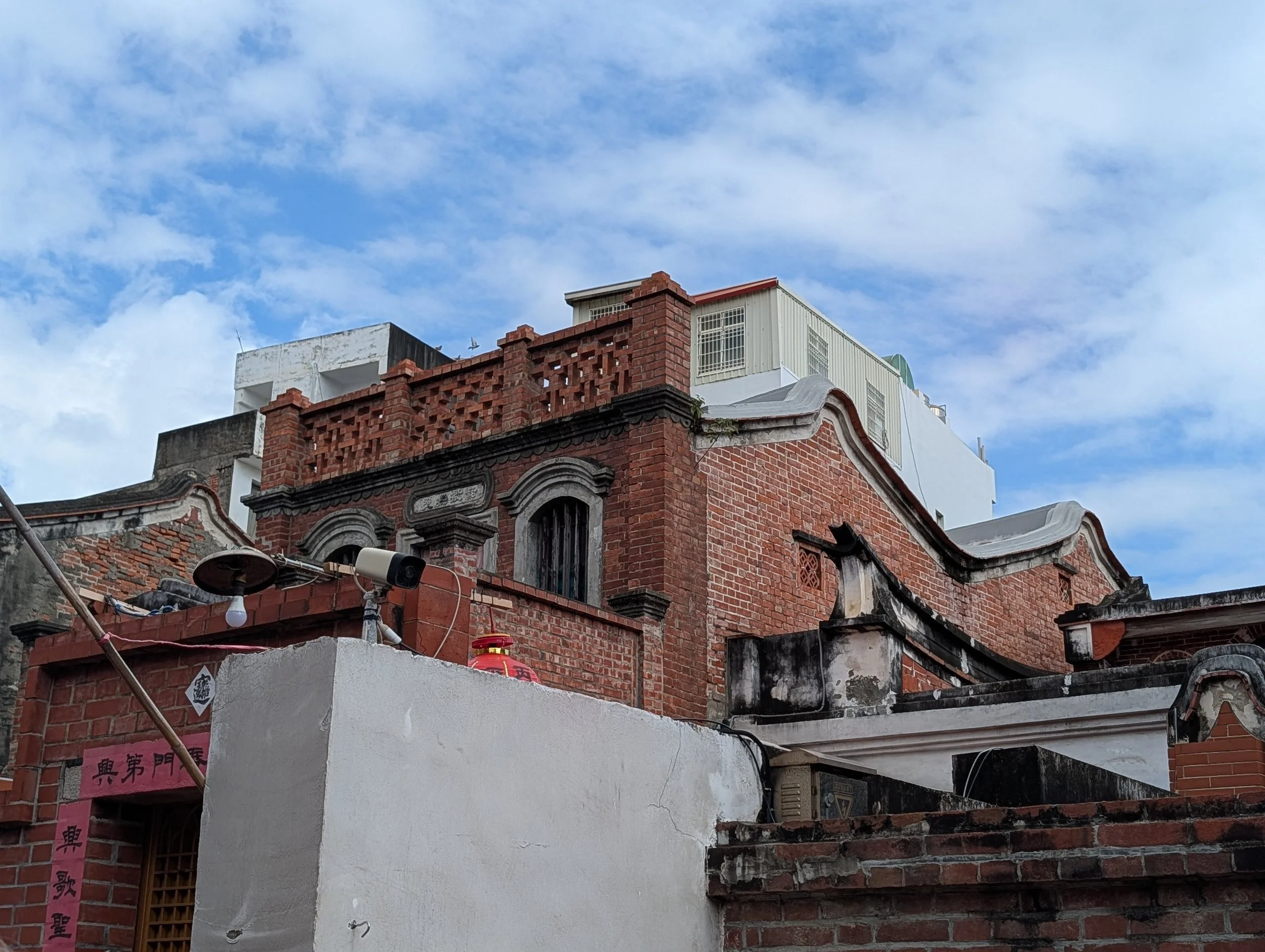
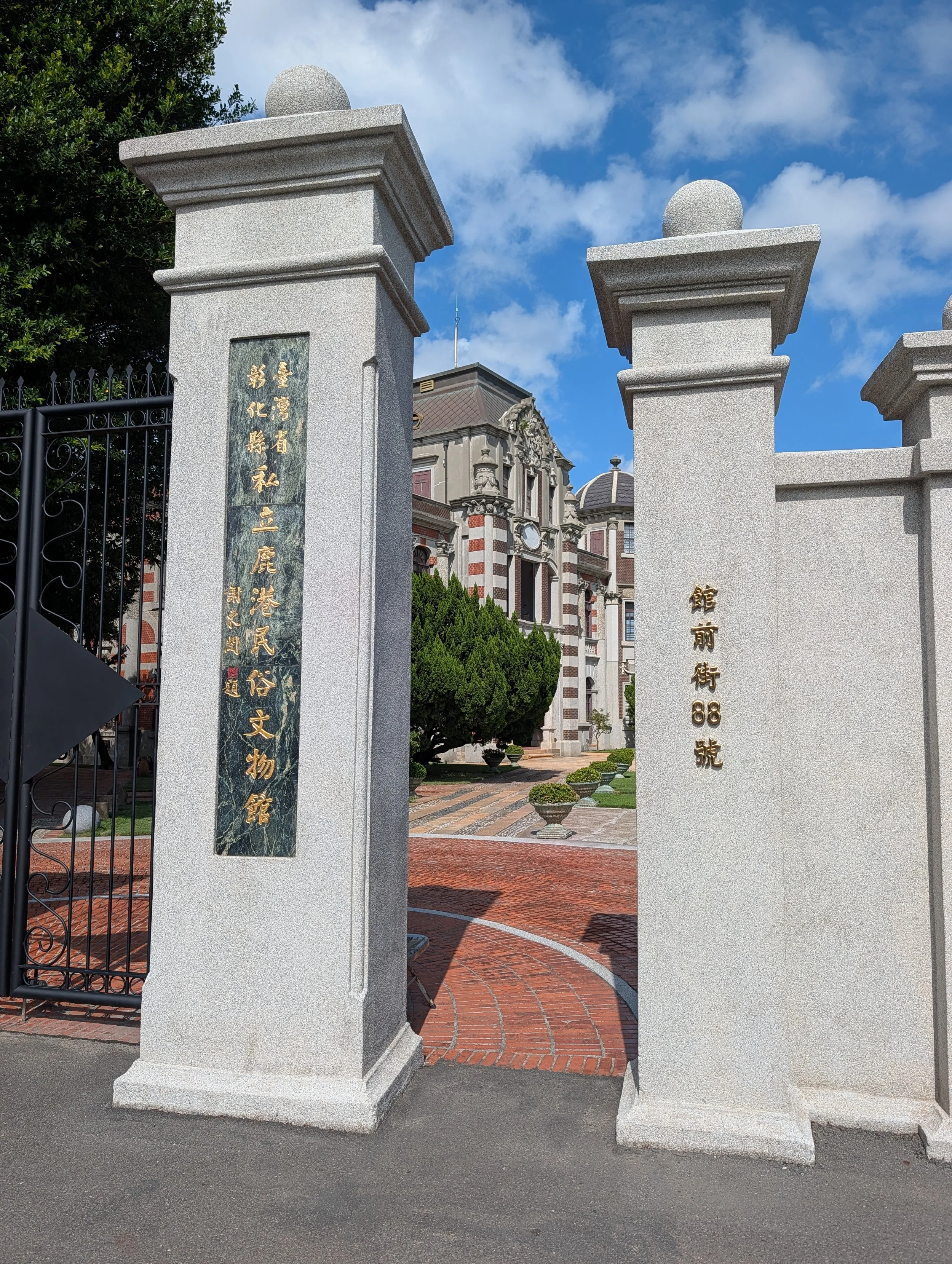
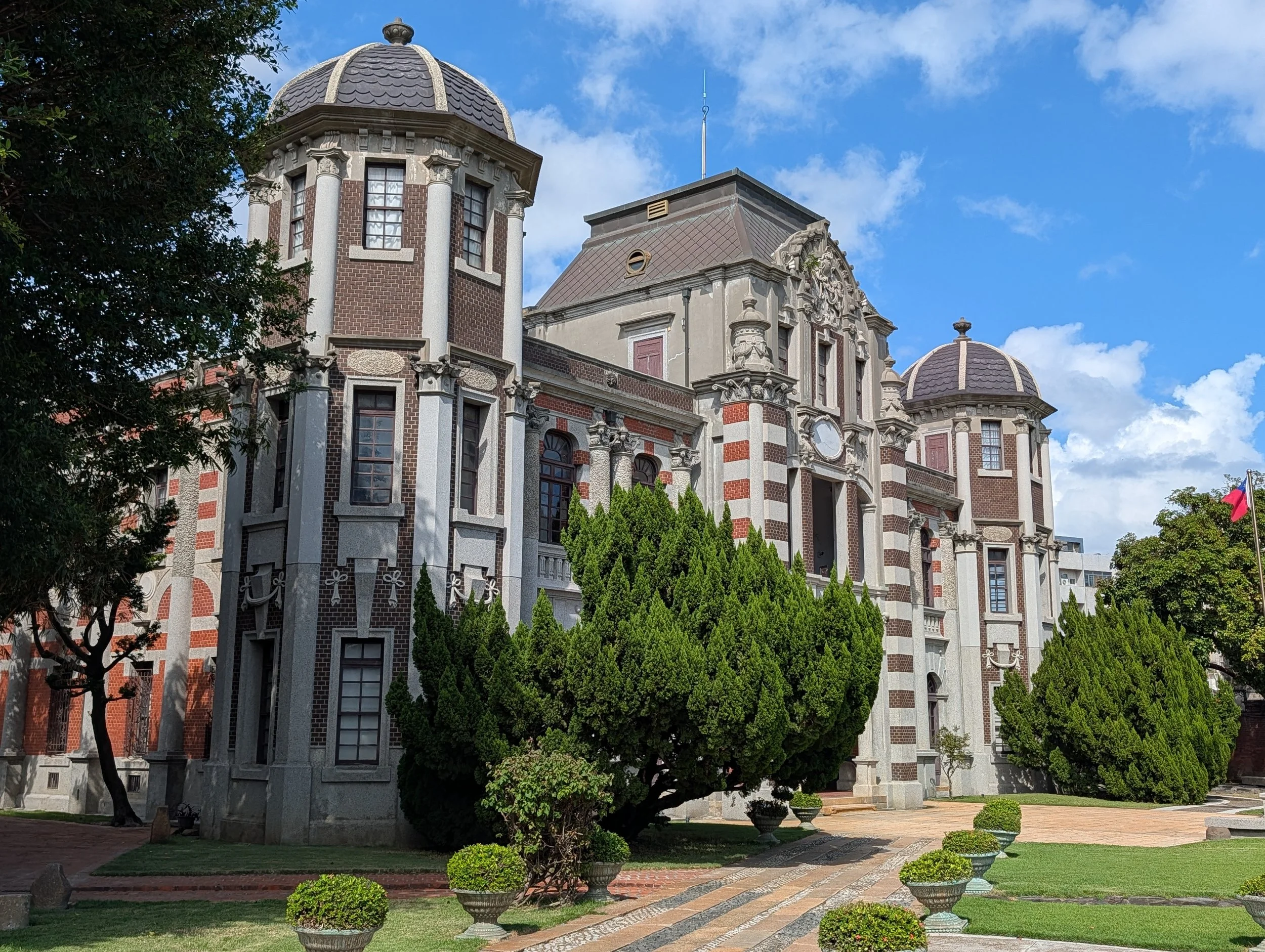
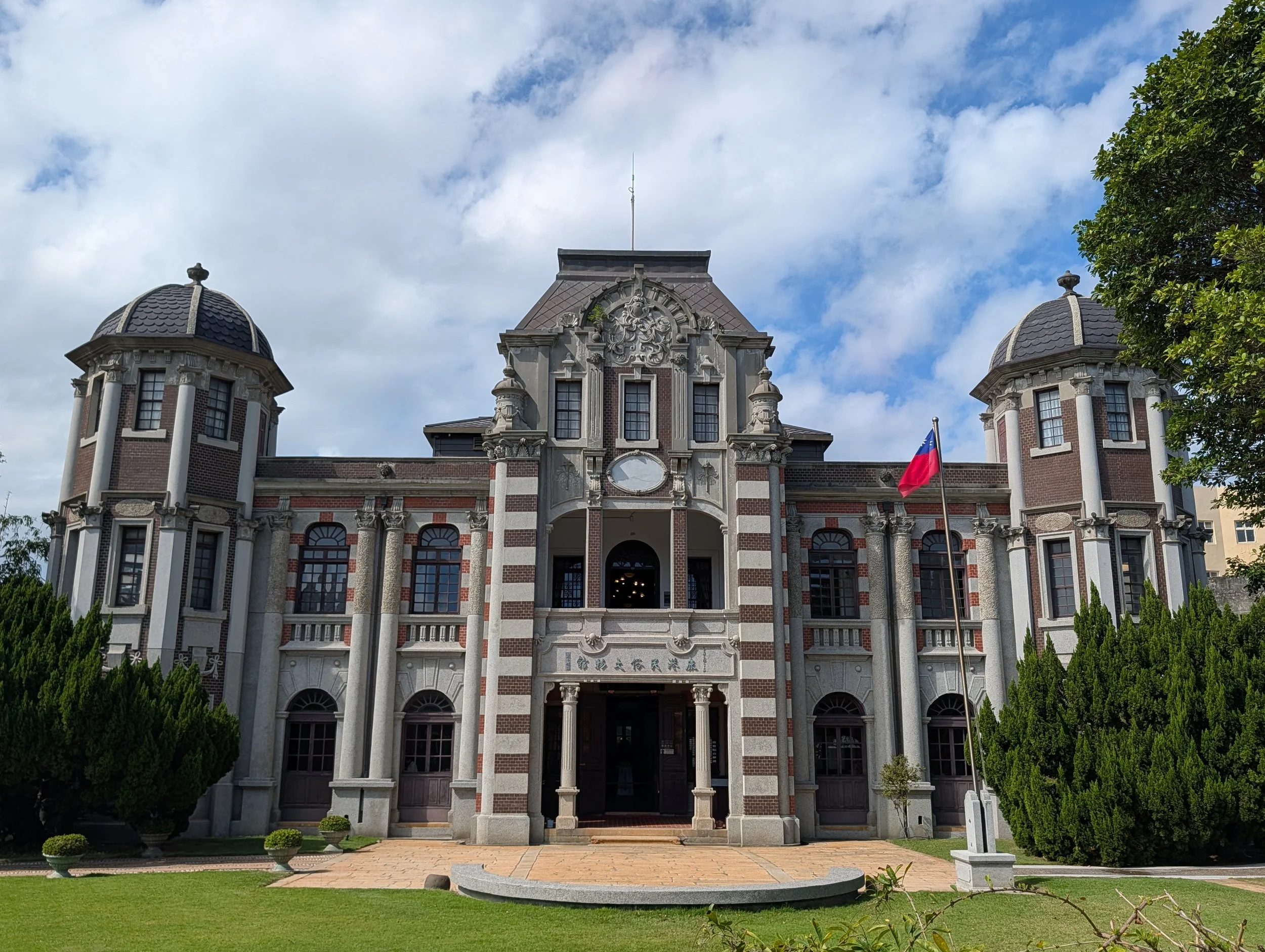
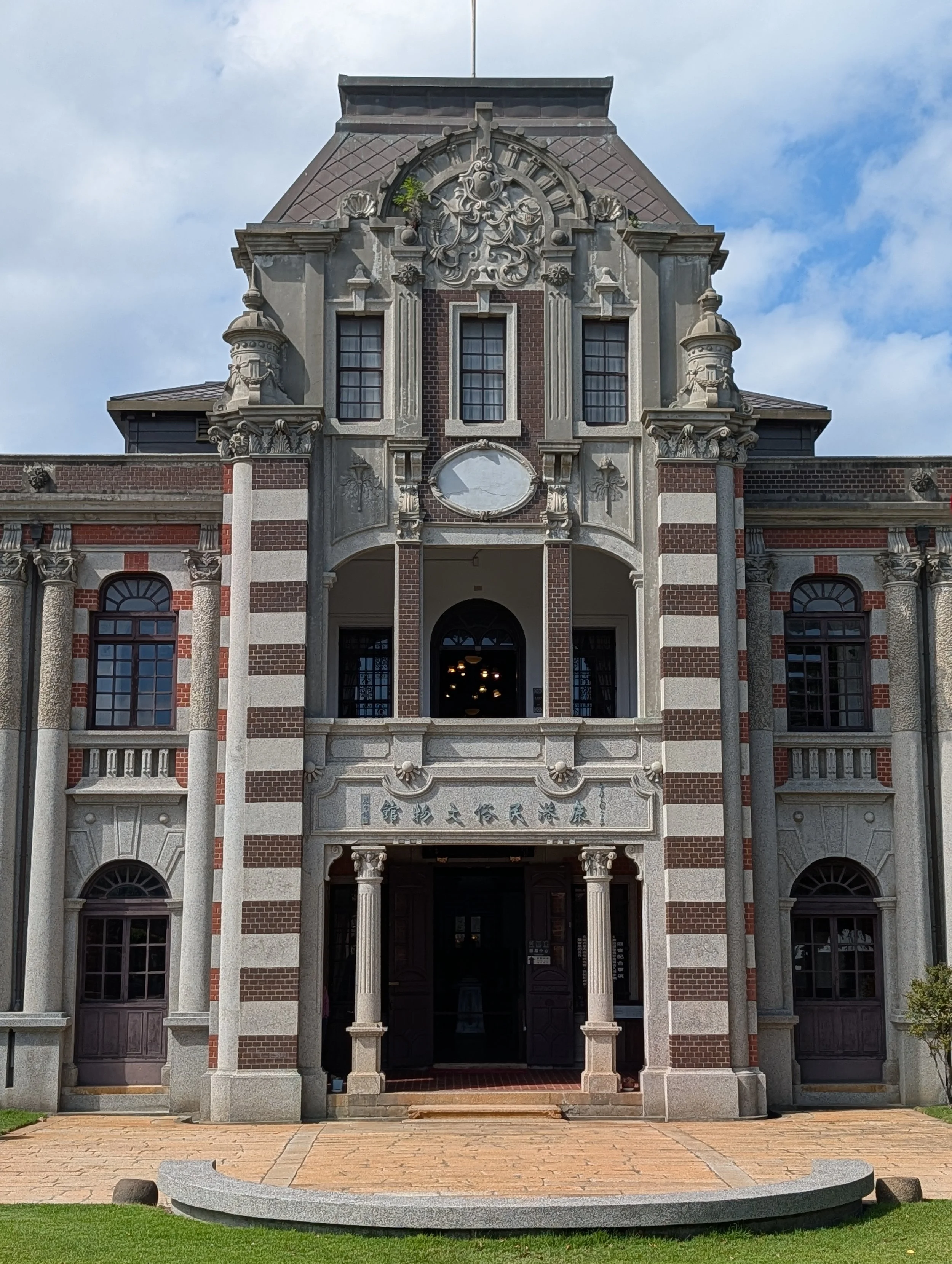
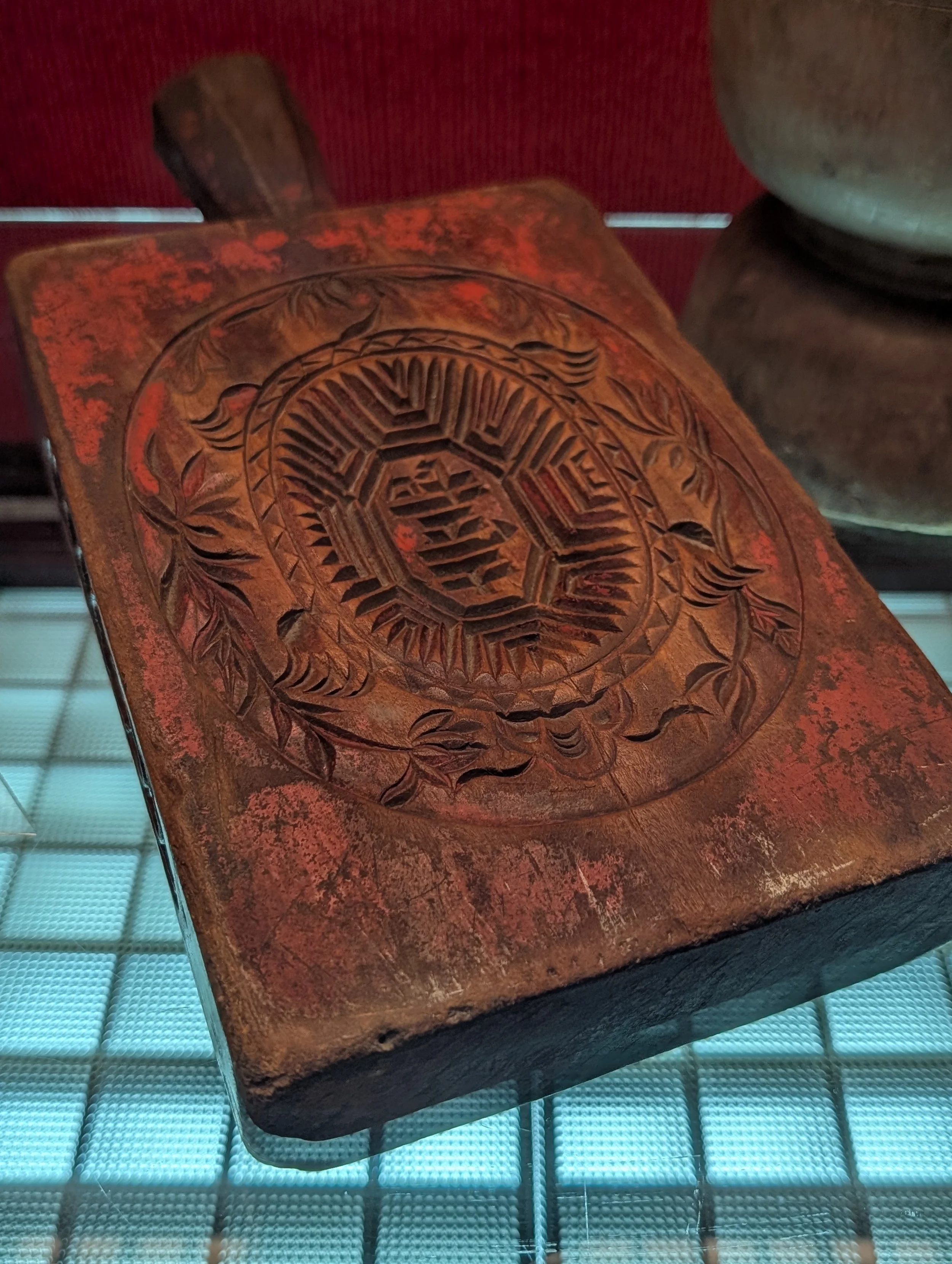
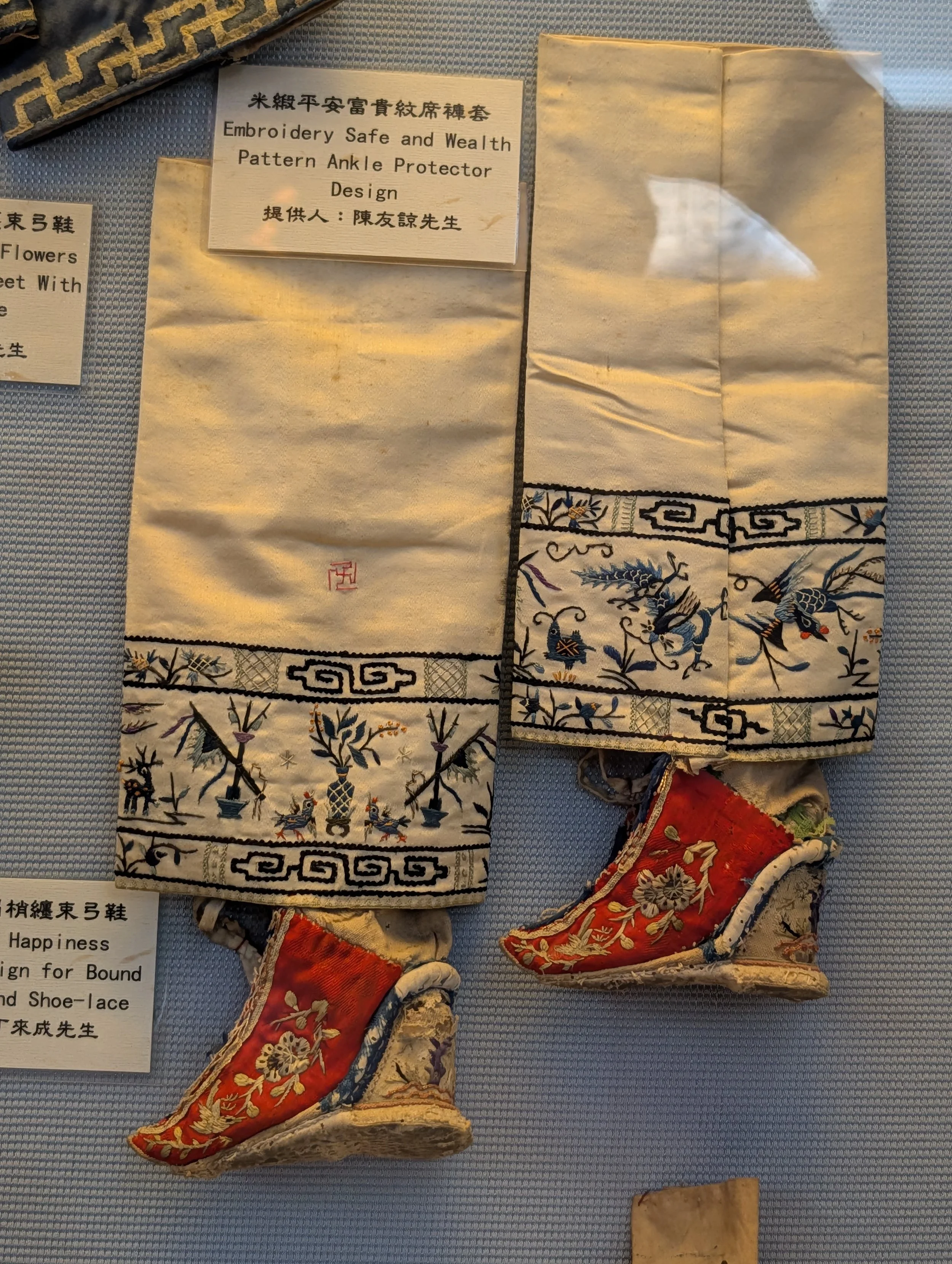
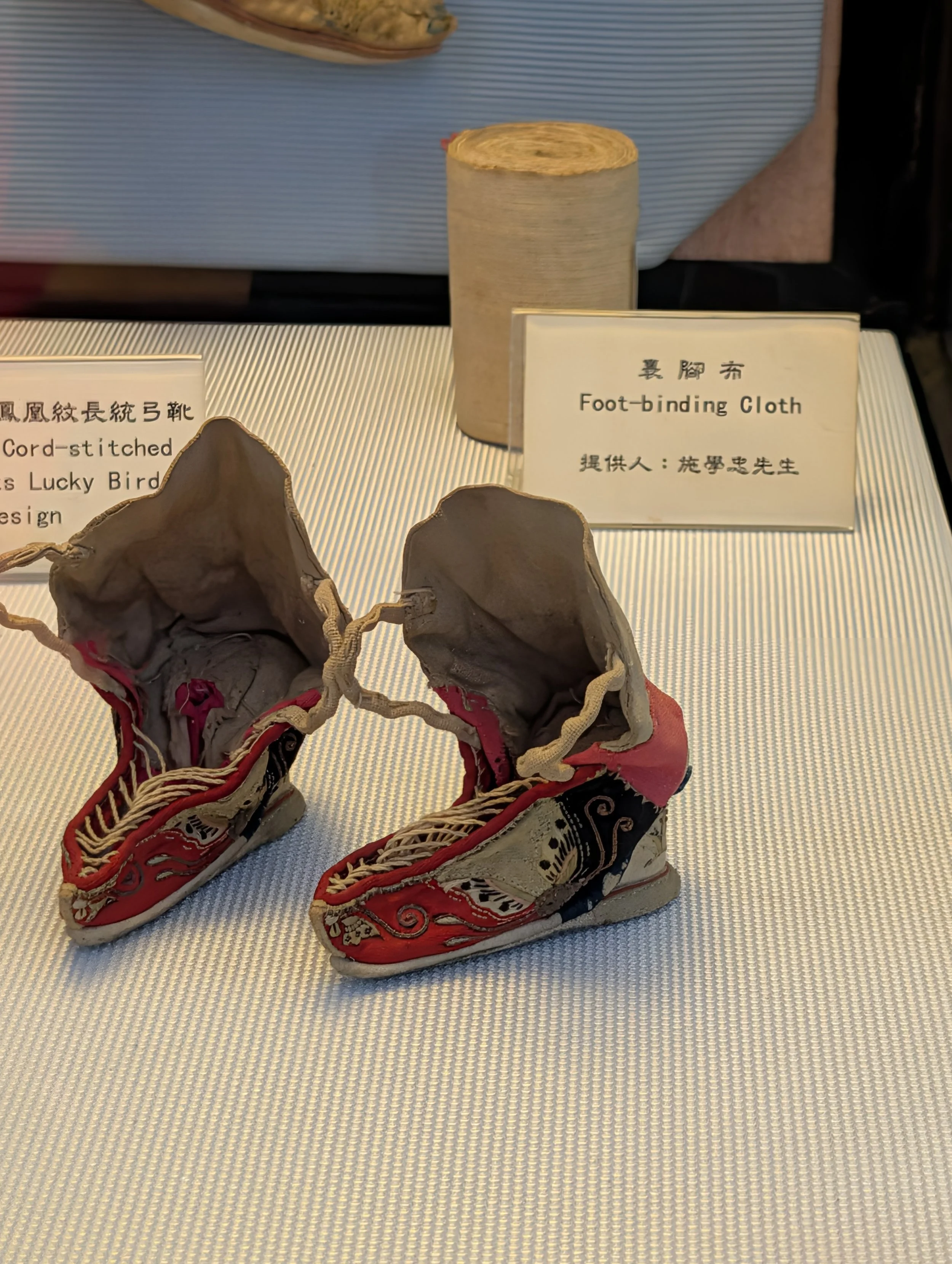
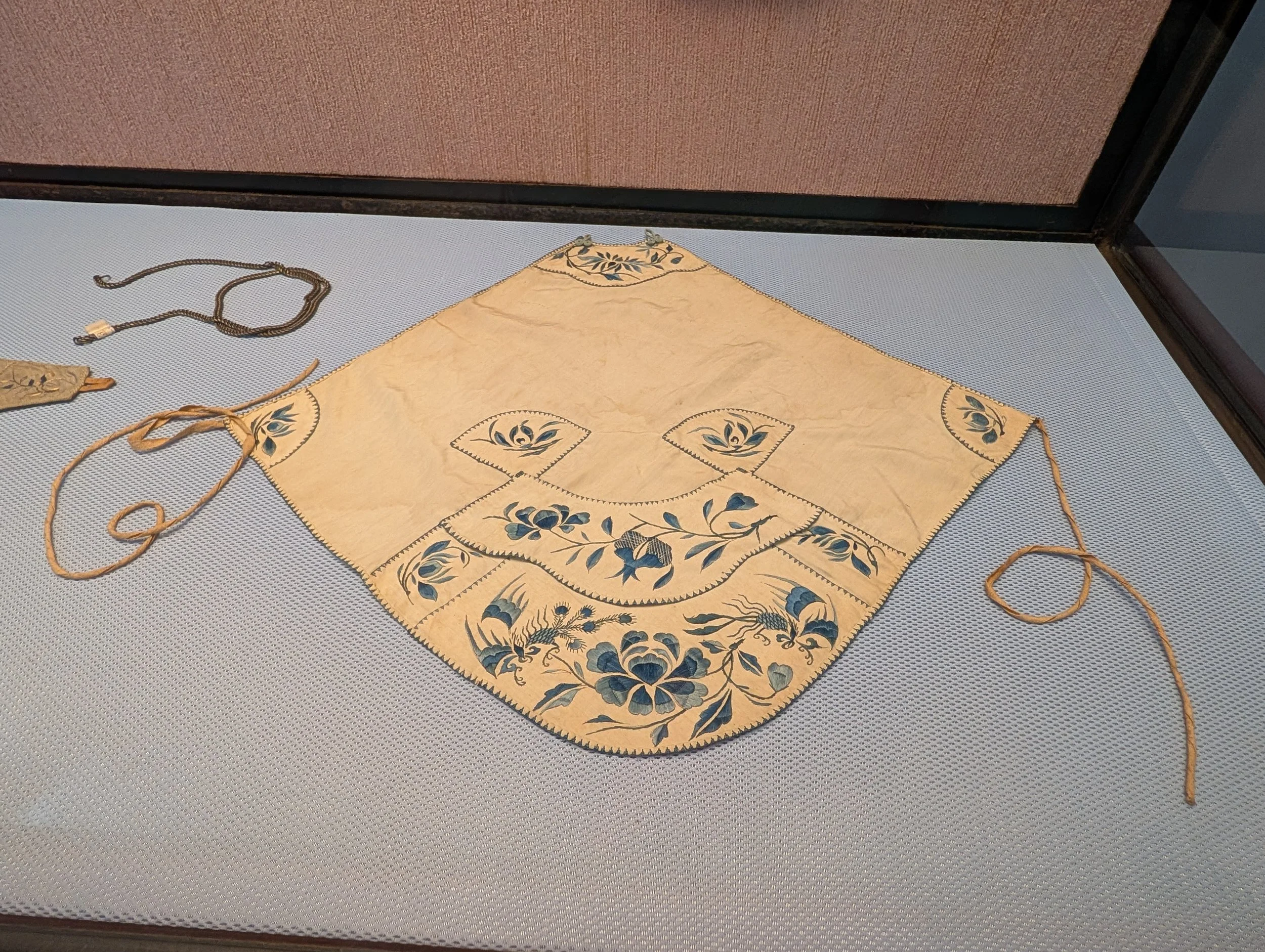
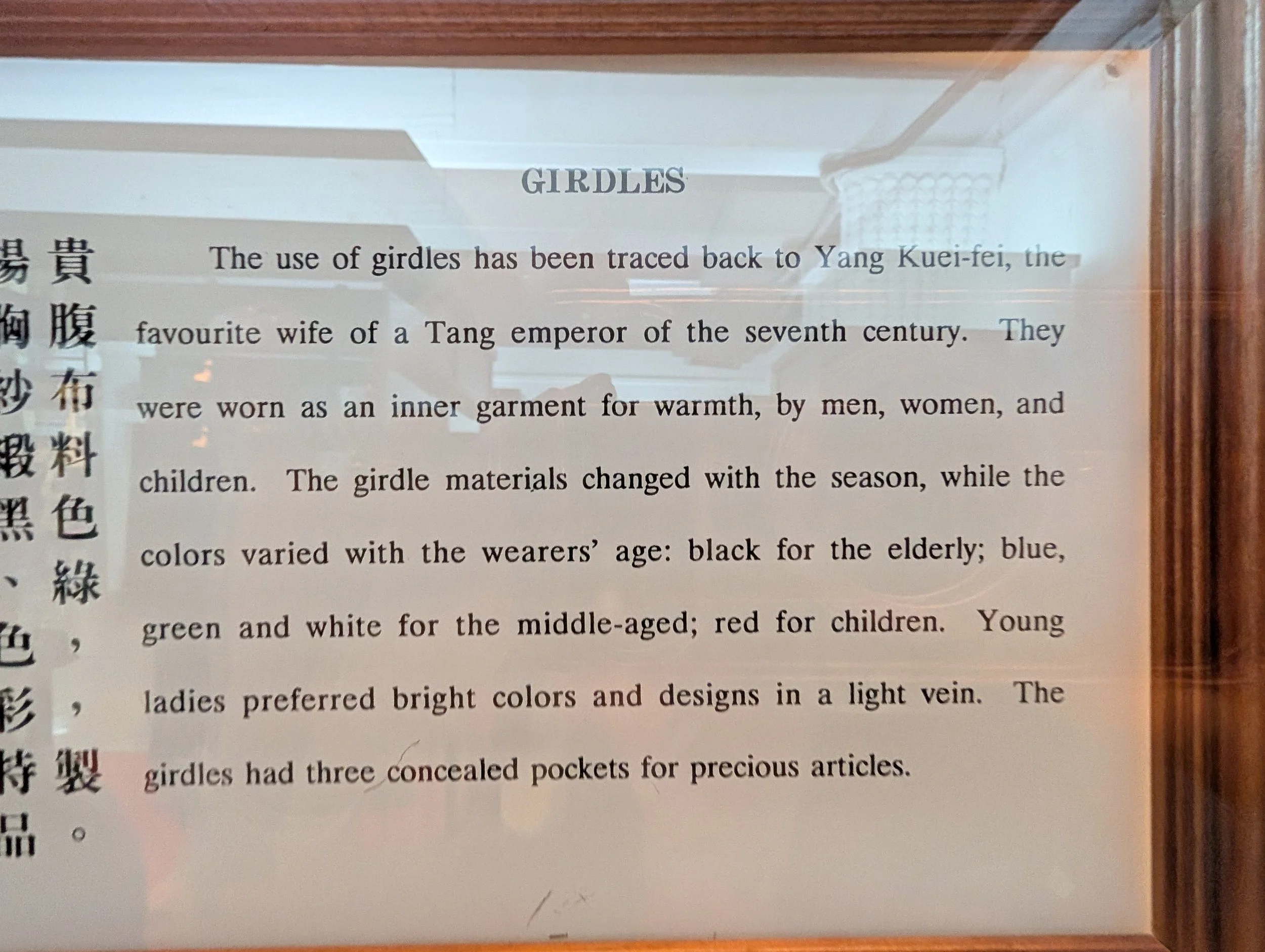
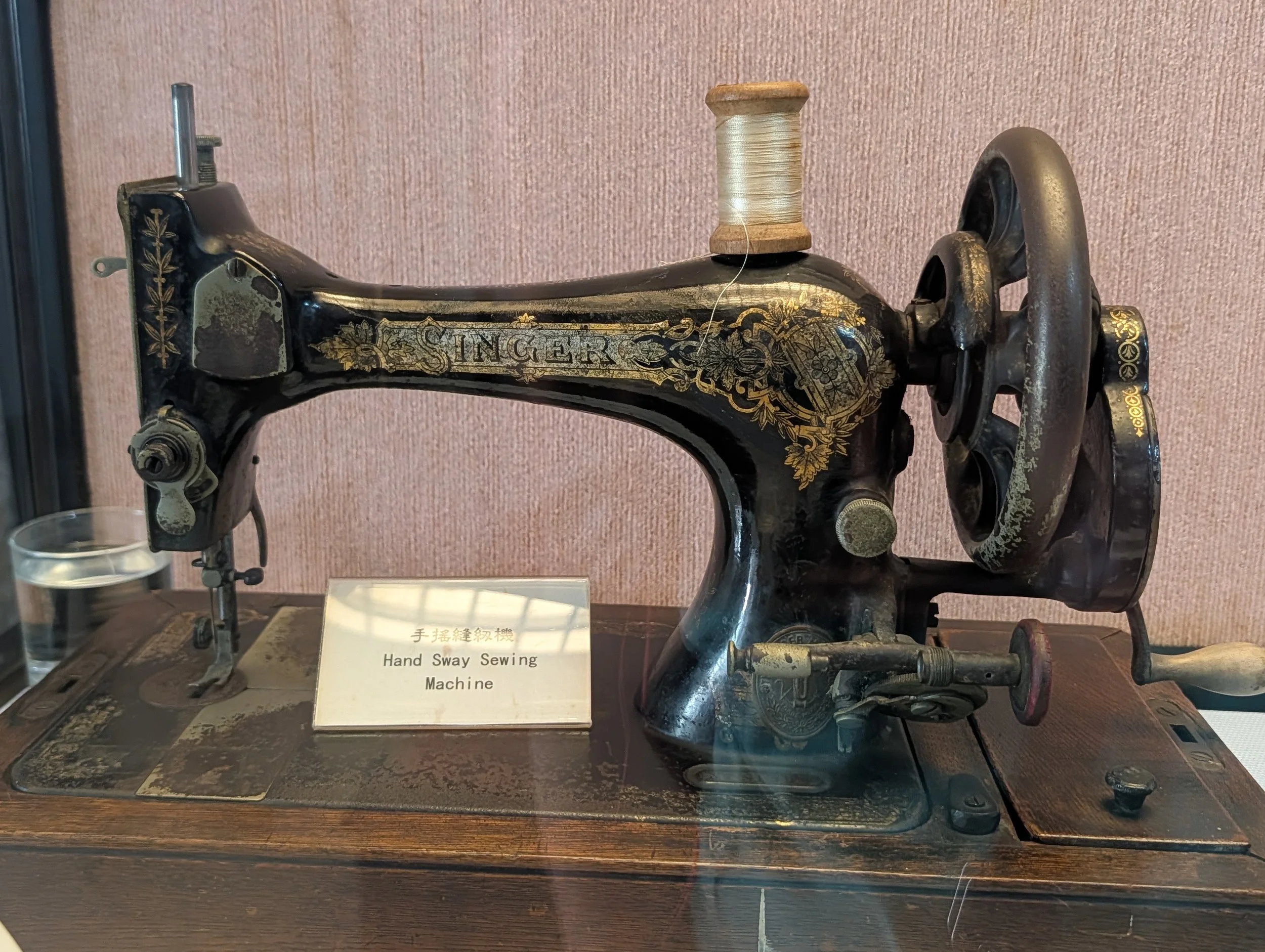
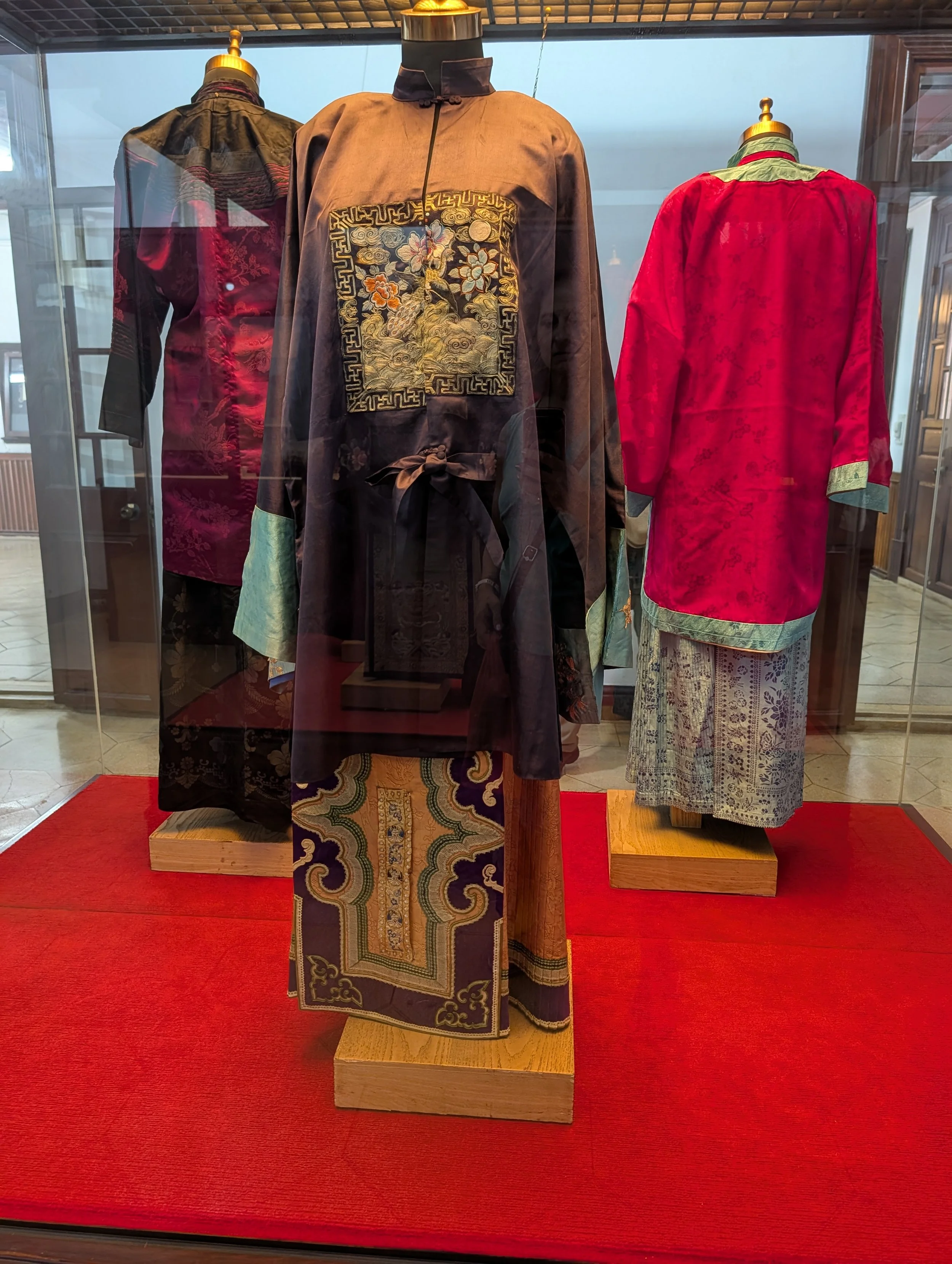
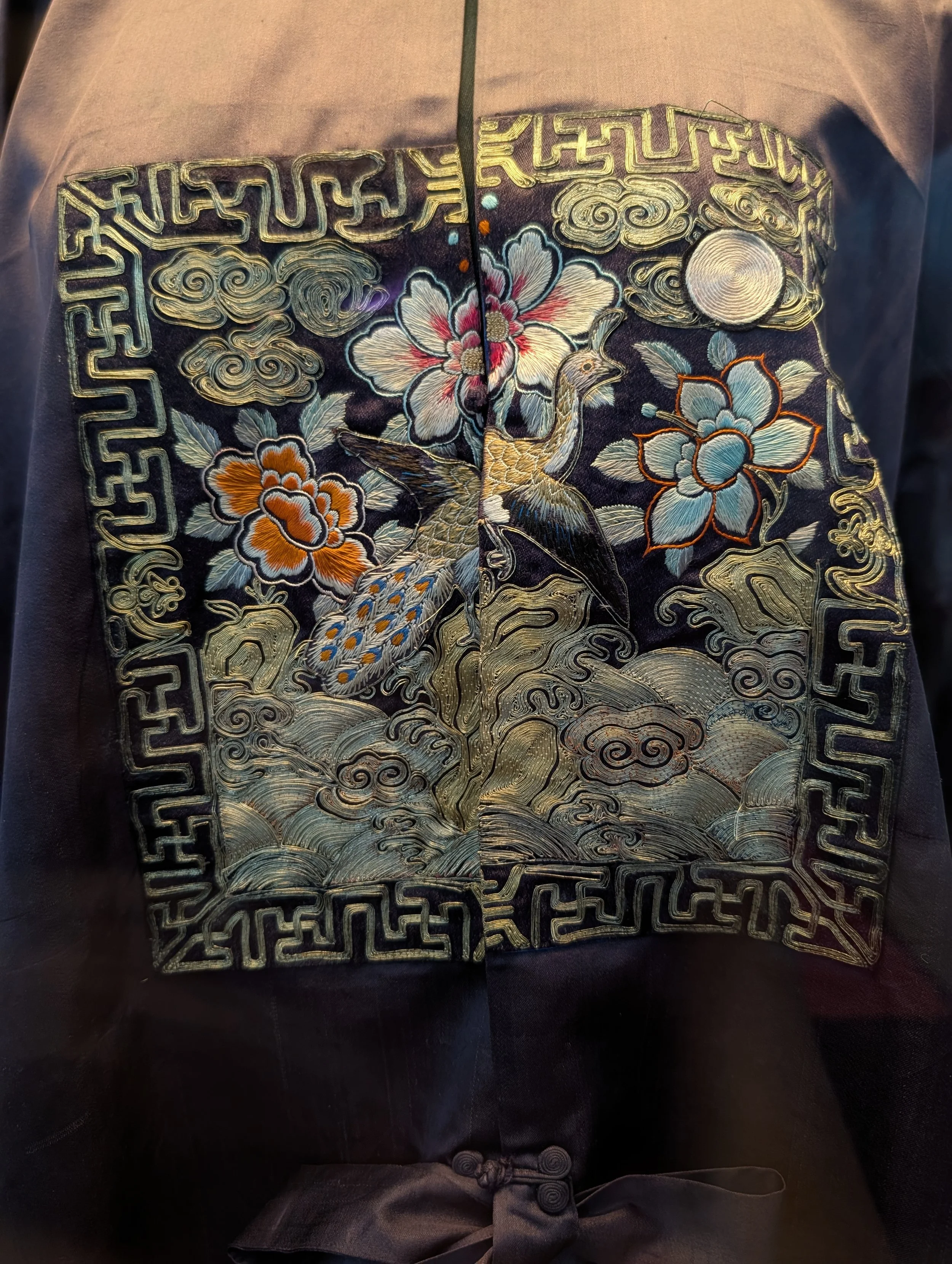
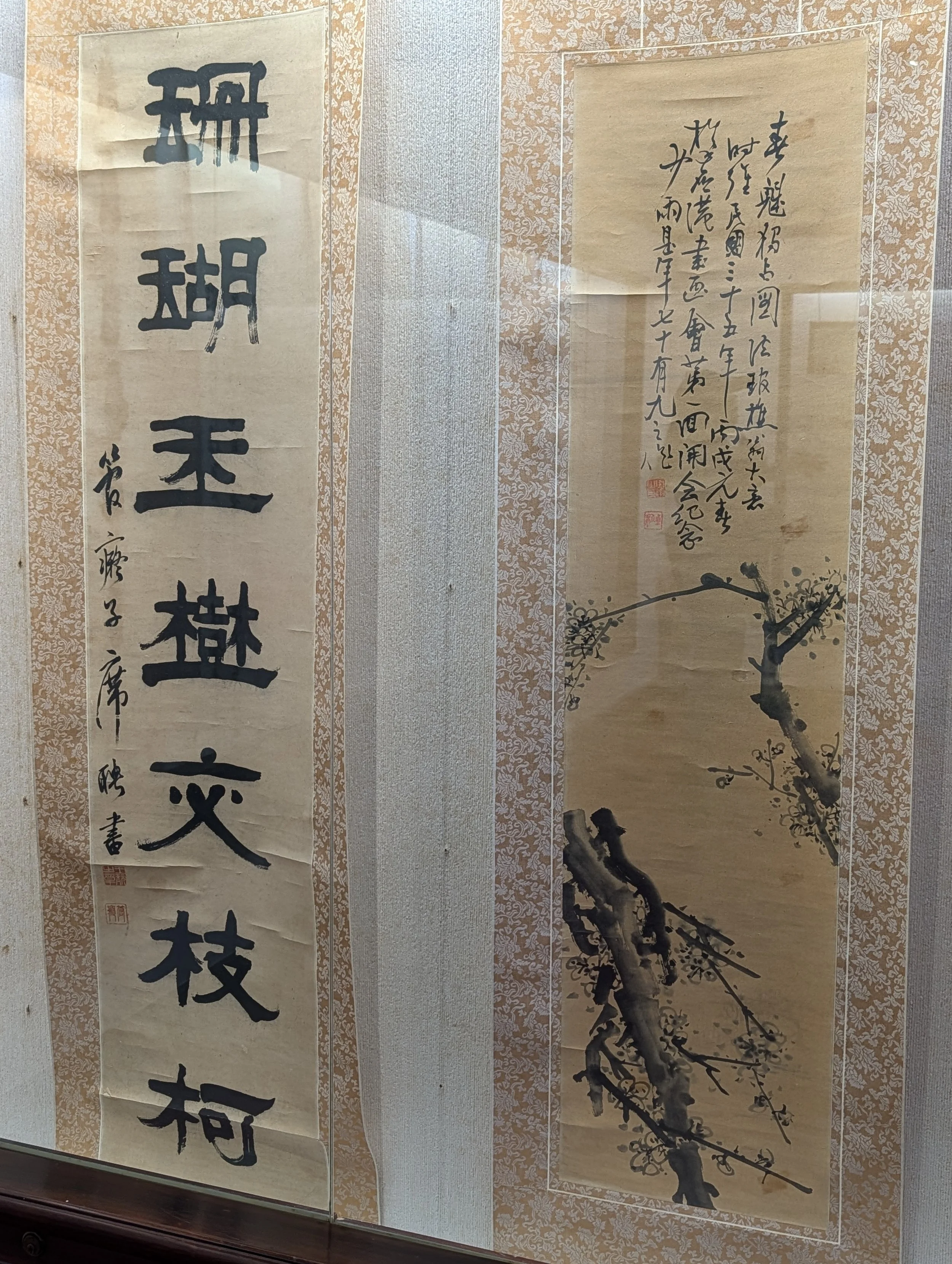
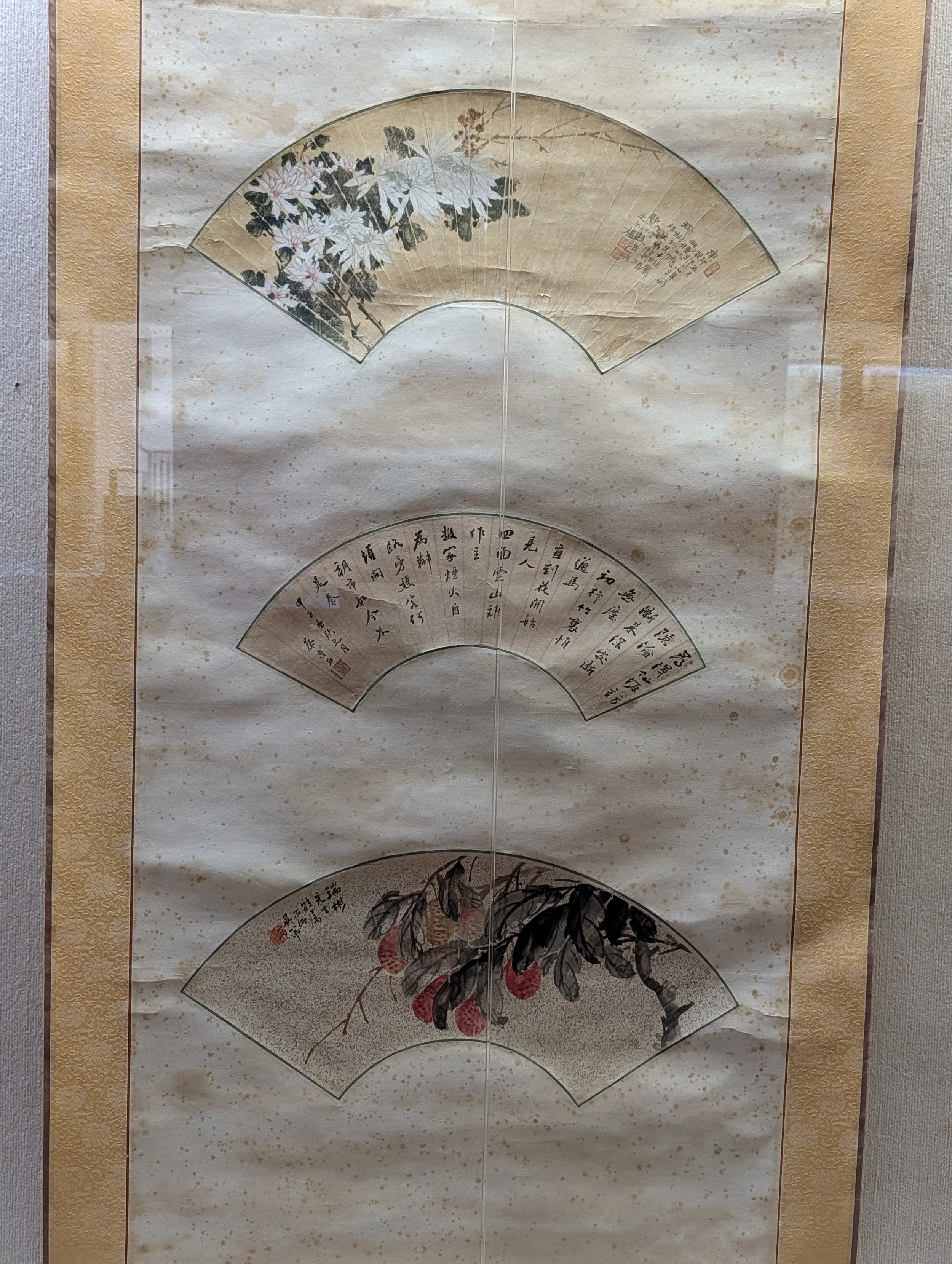
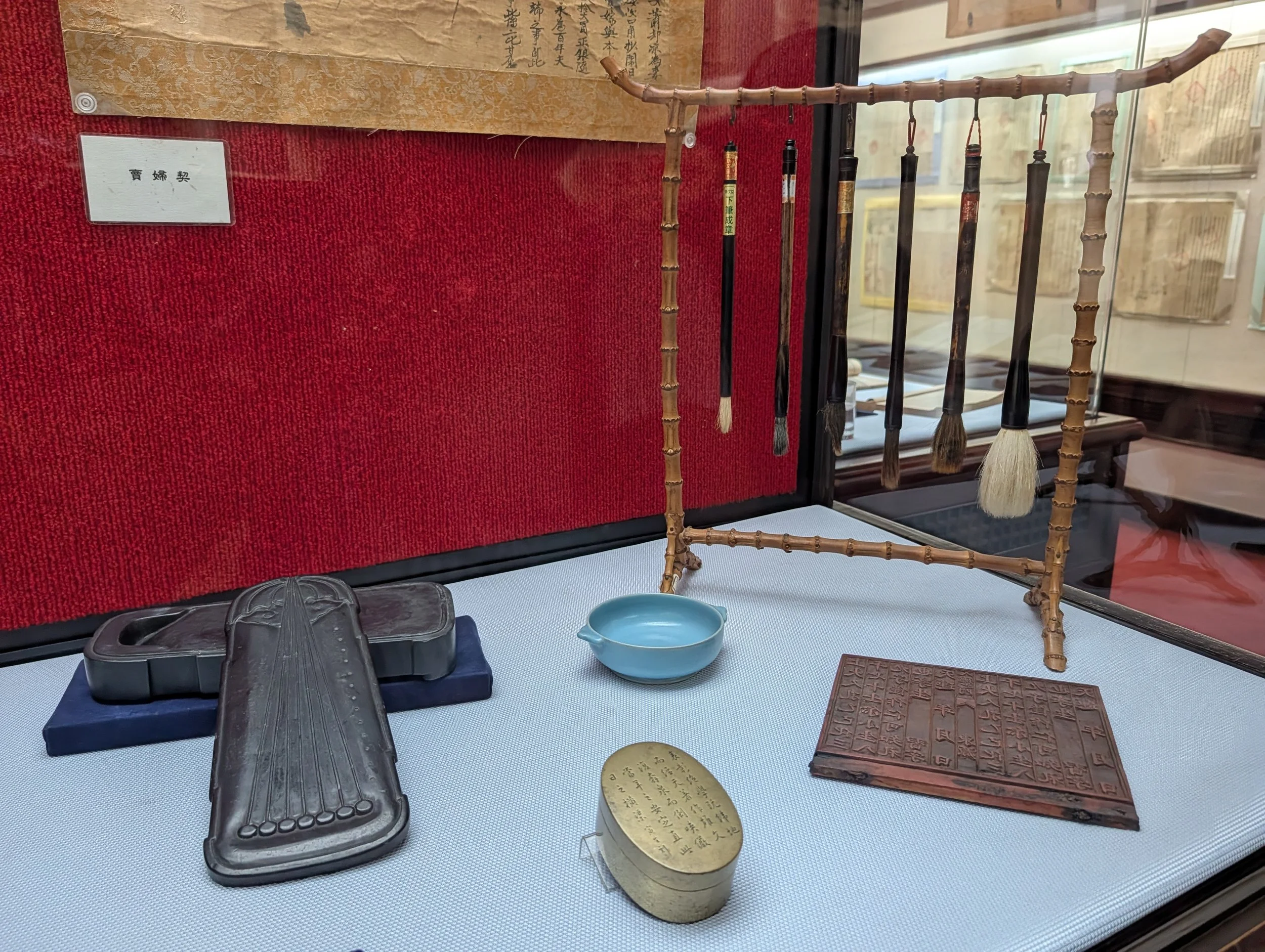
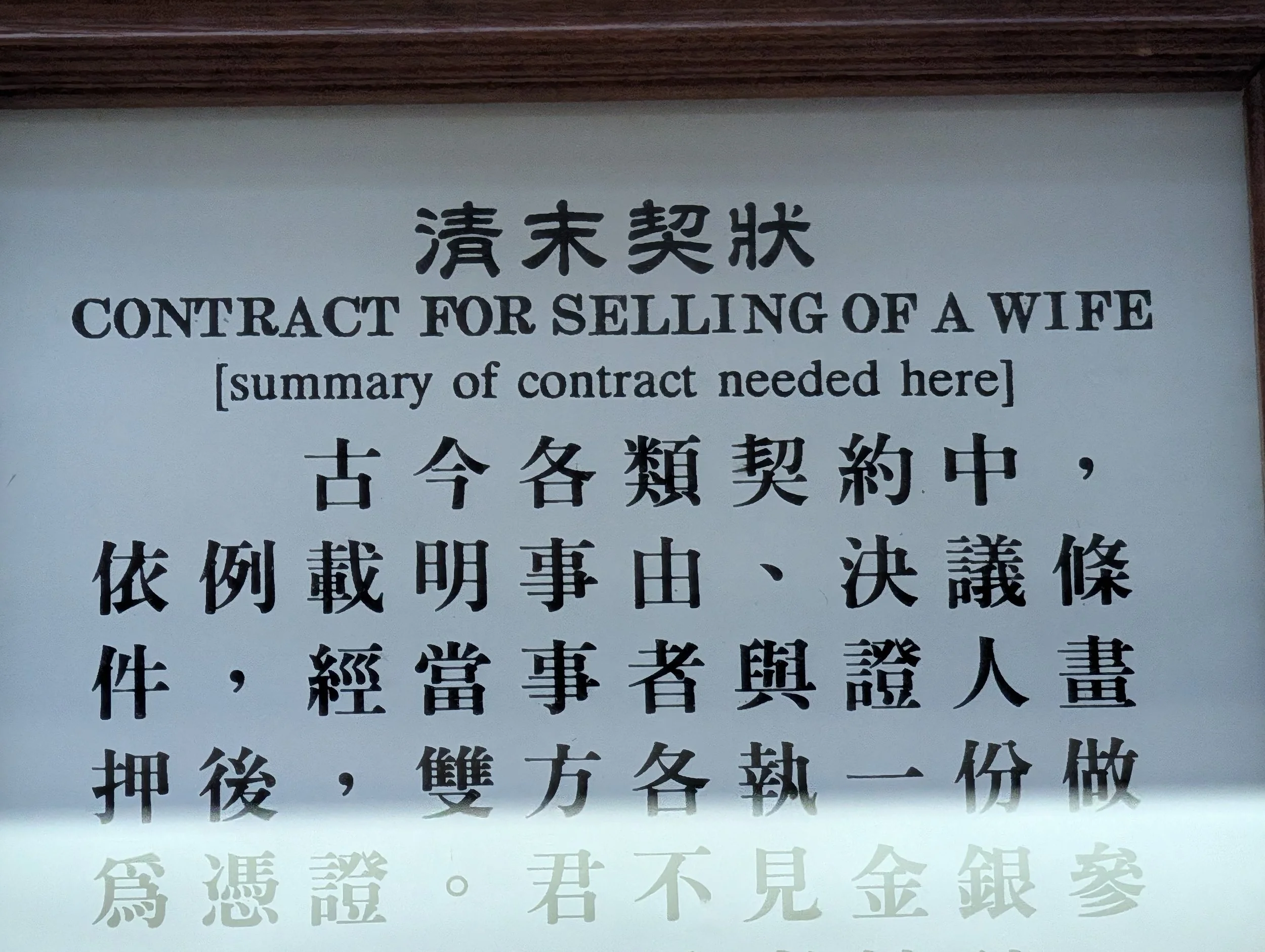
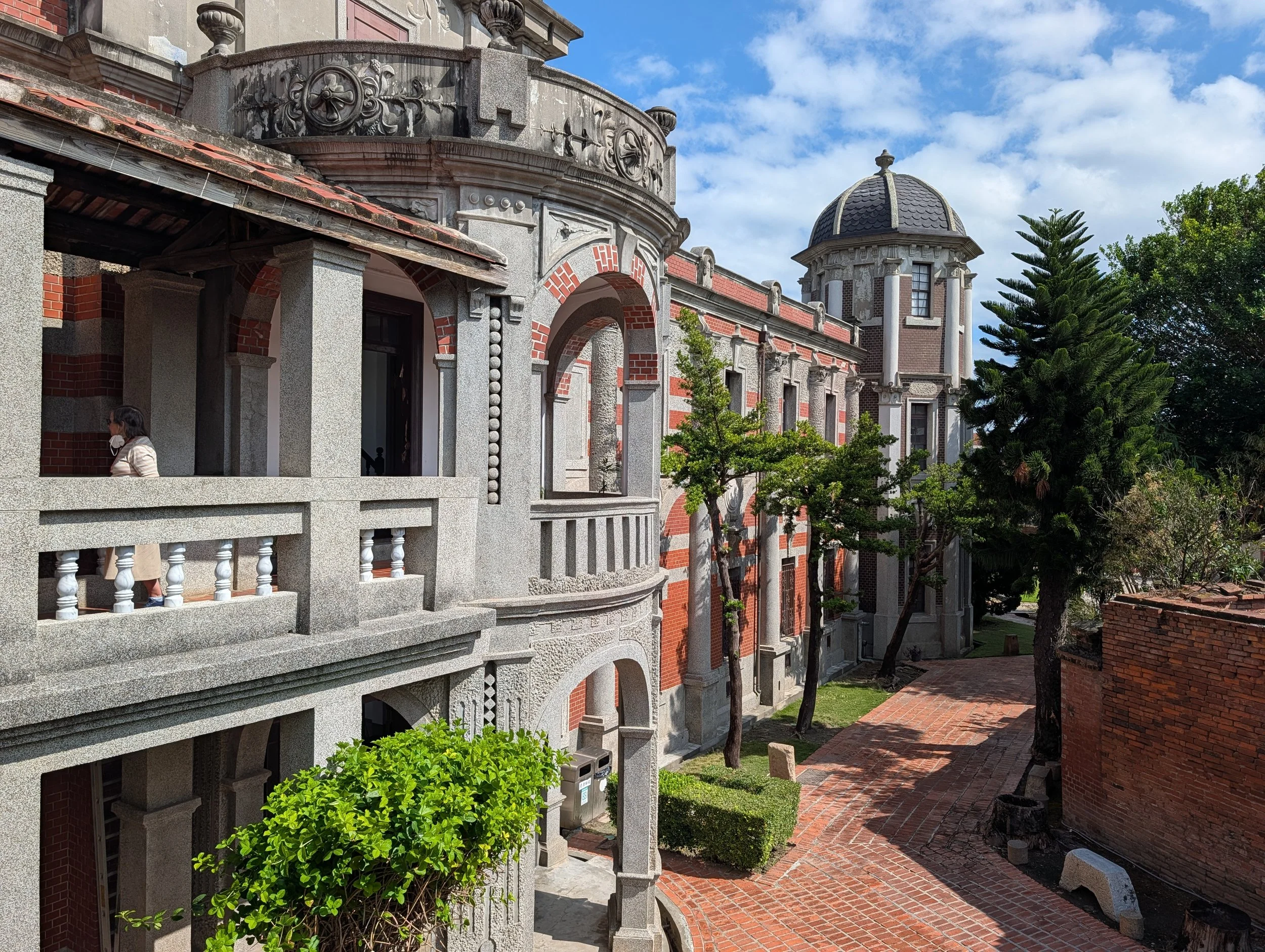
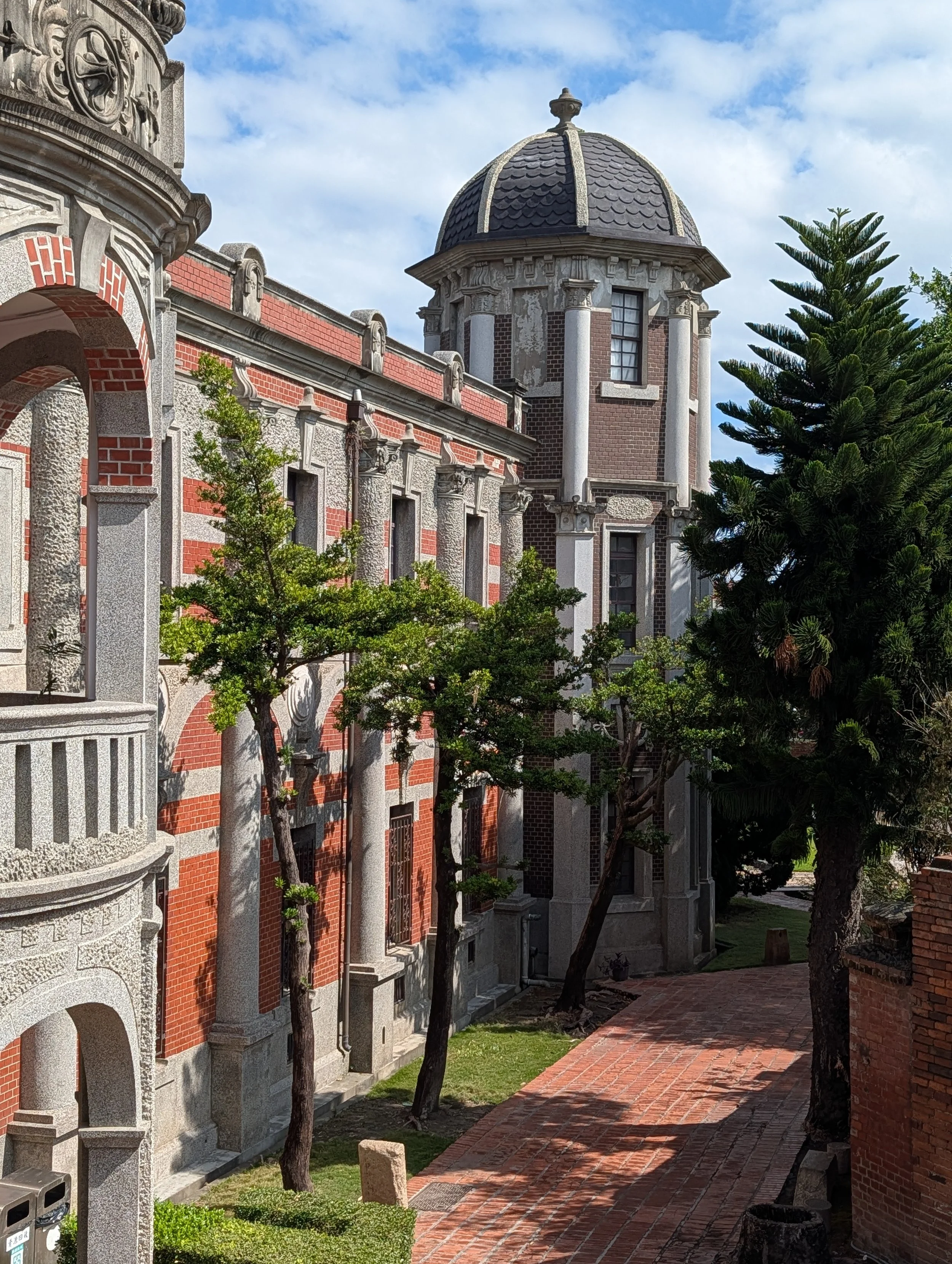
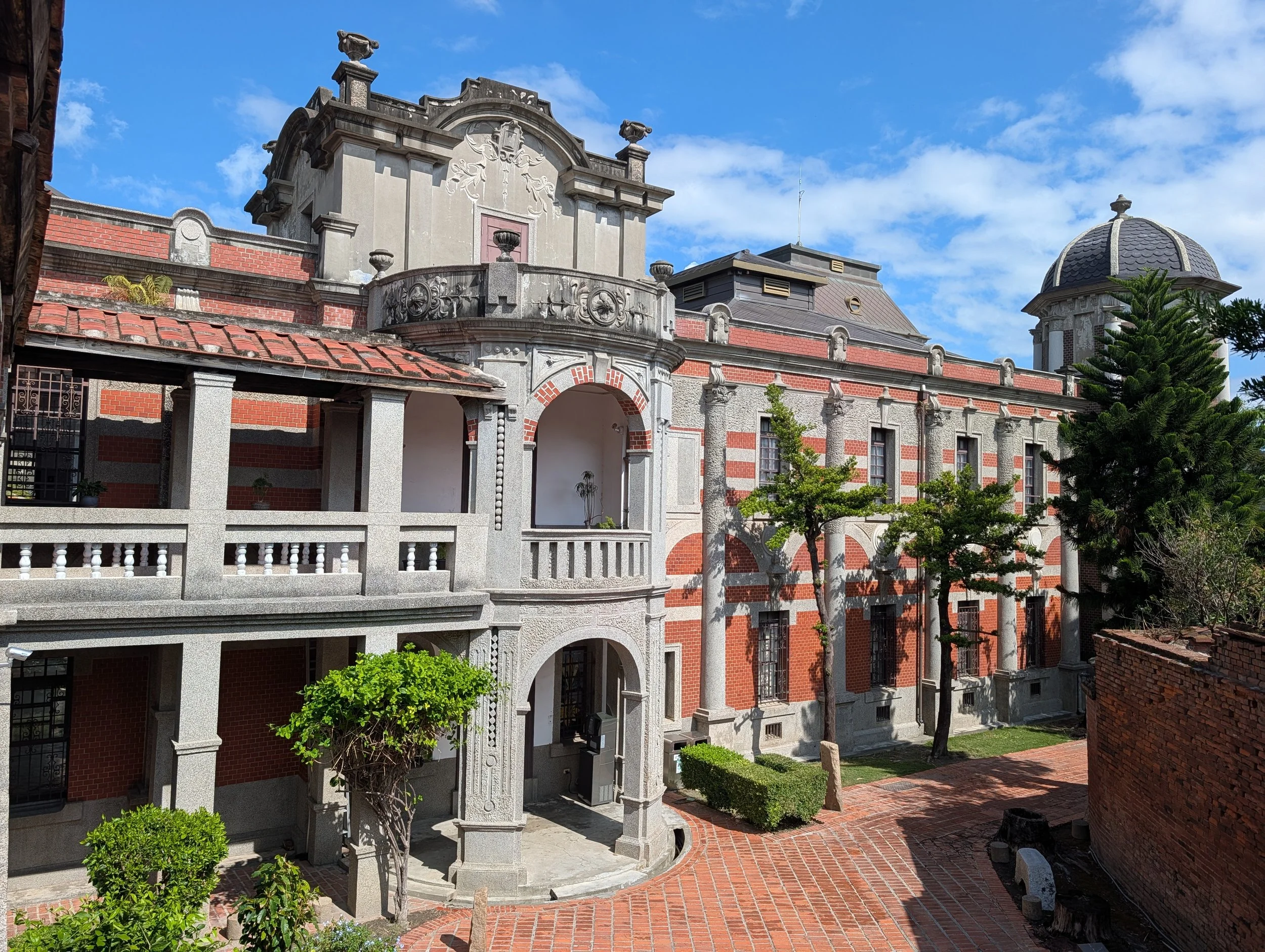
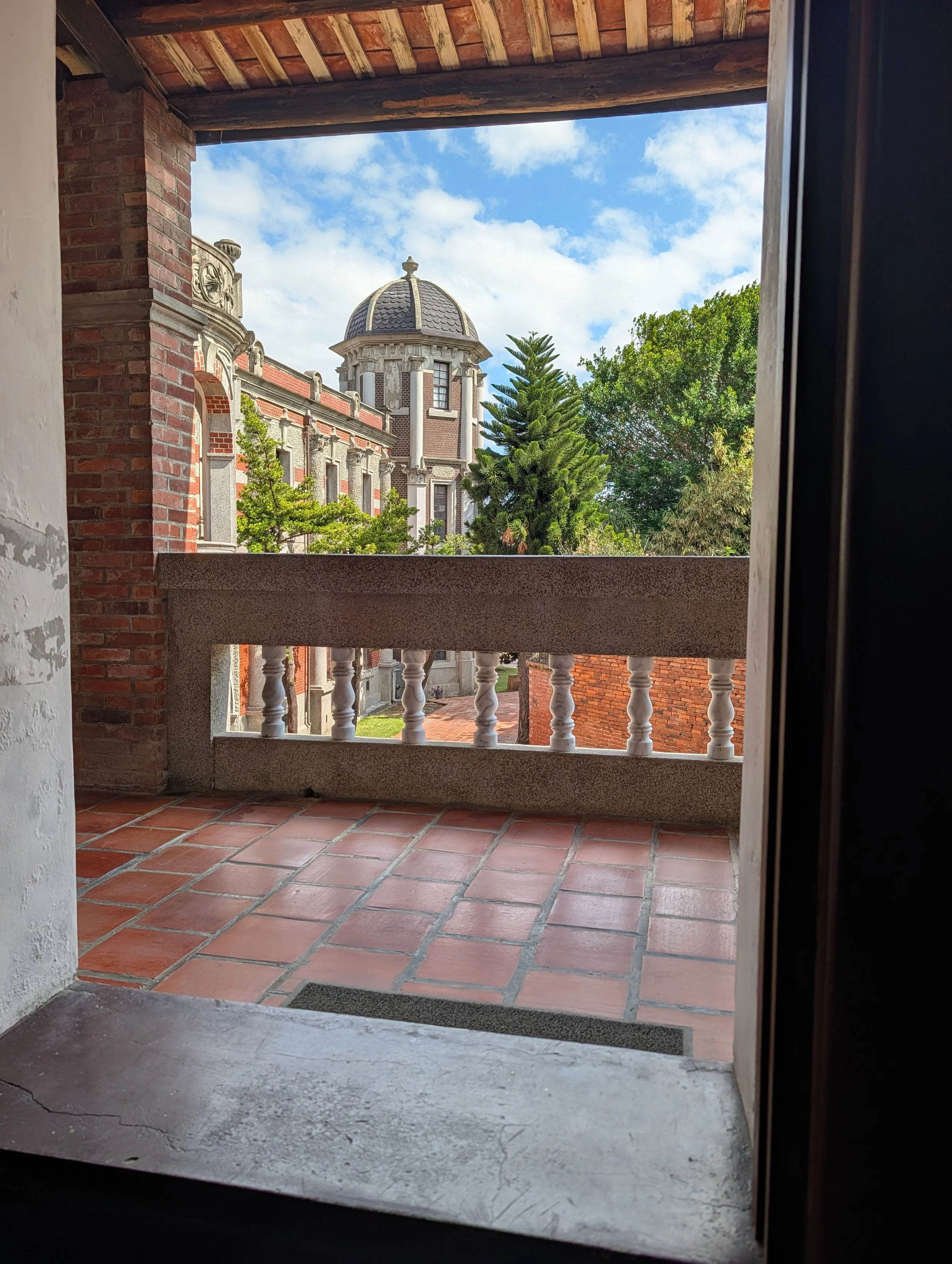
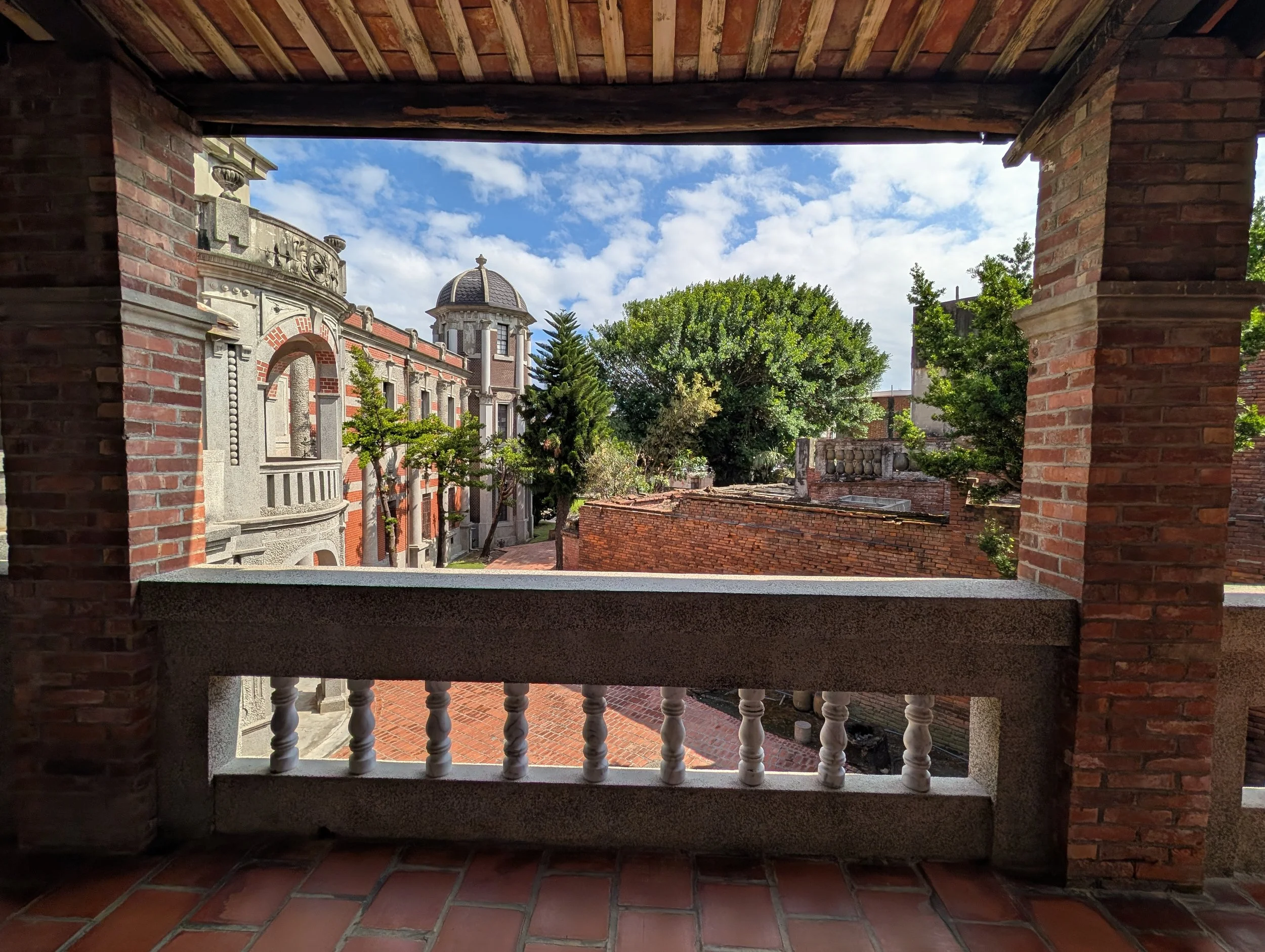
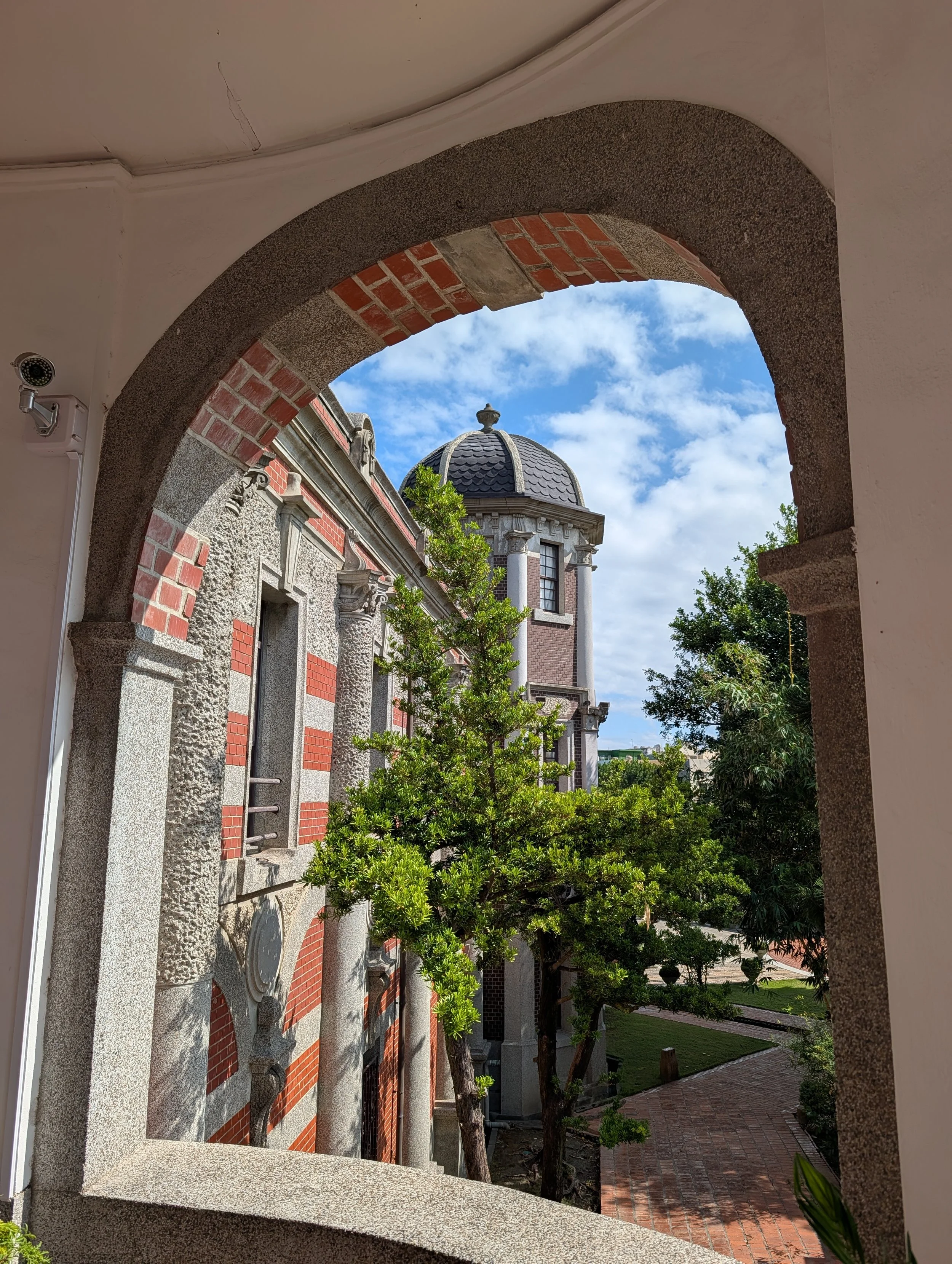
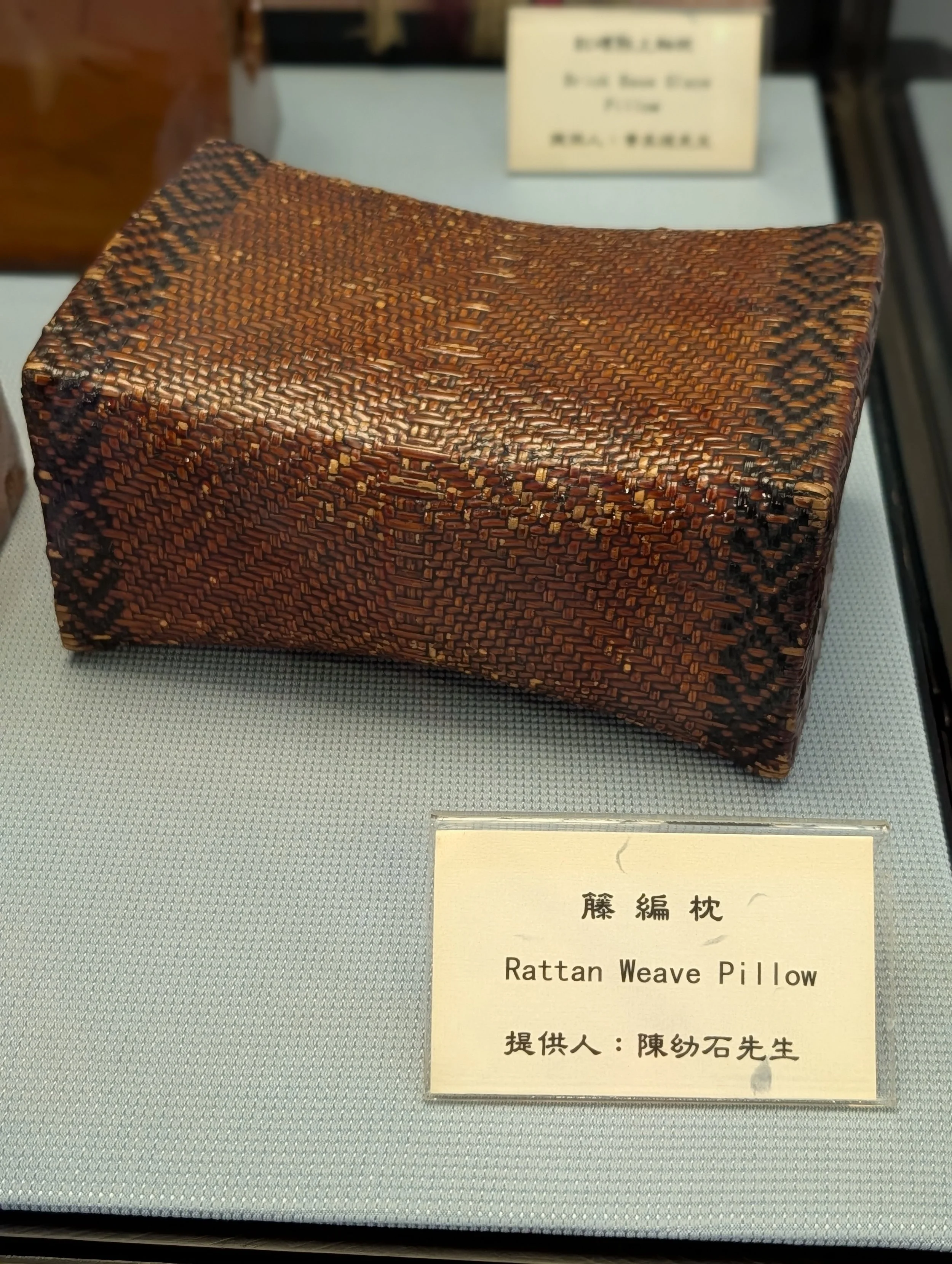
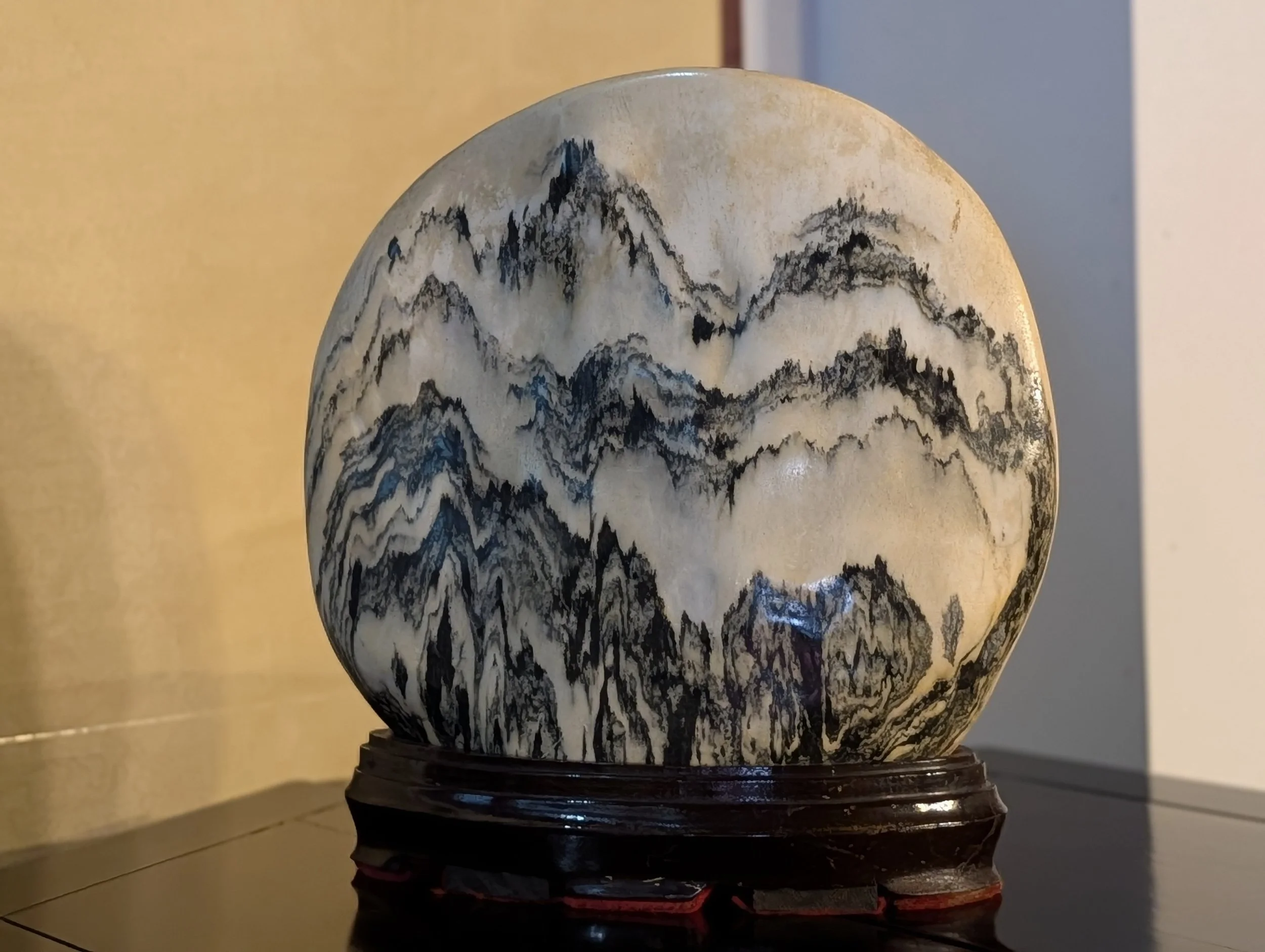
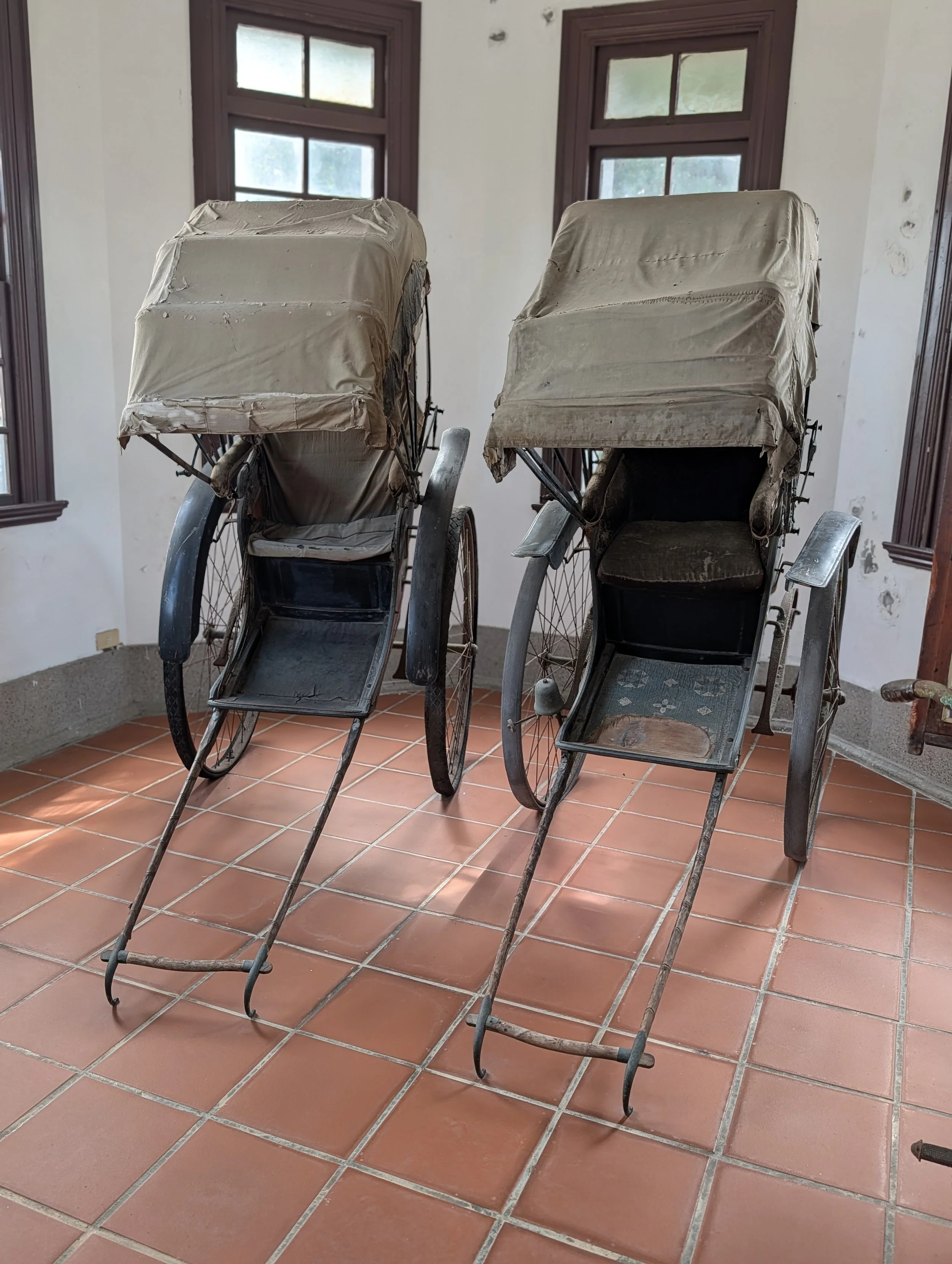
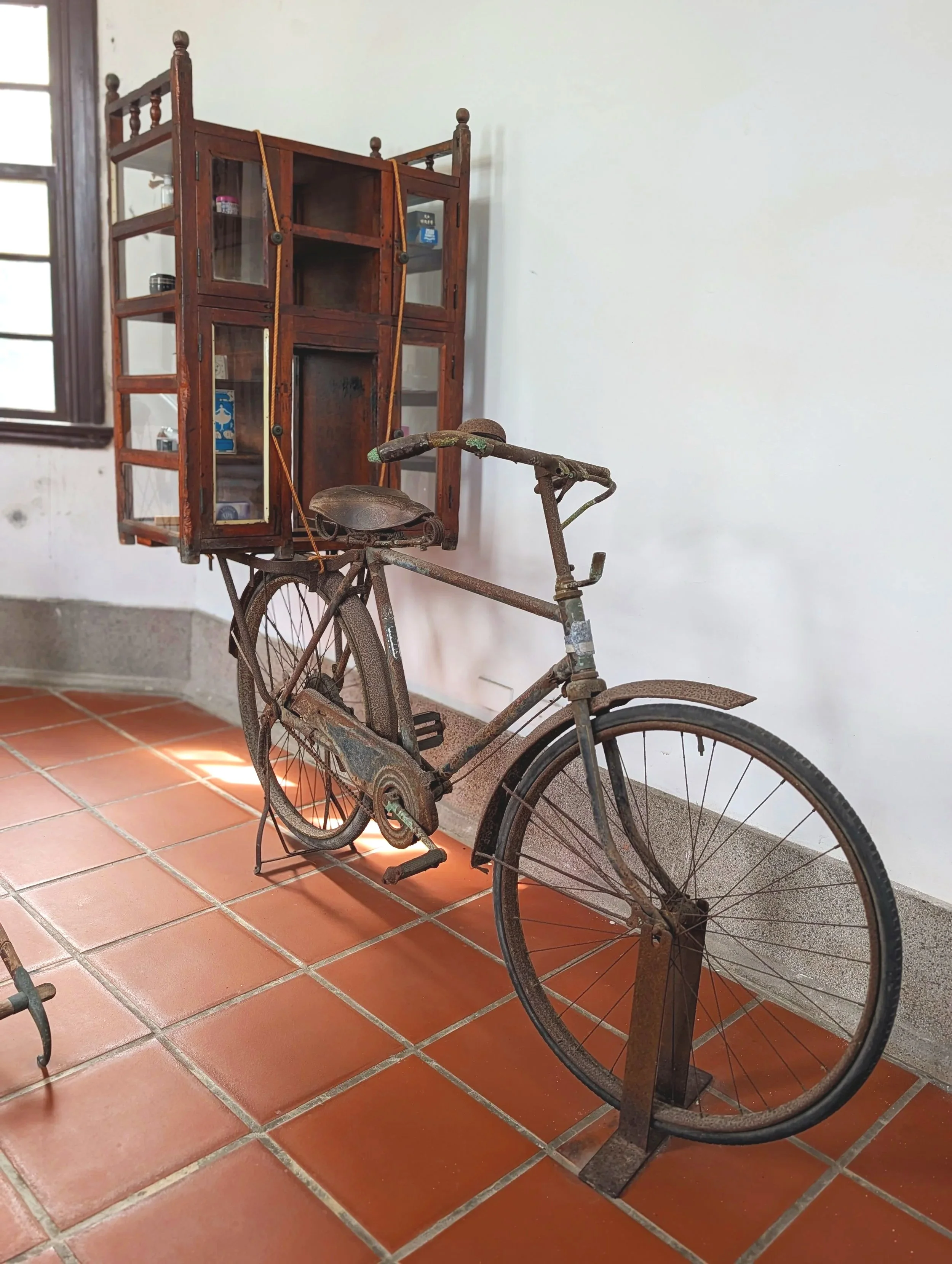
Our last stop before lunch was the Lukang Folk Arts Museum, located in a former Koo family residence built in the Baroque style. We saw textiles, woodcarvings, ceramics, and household objects displayed in period rooms.
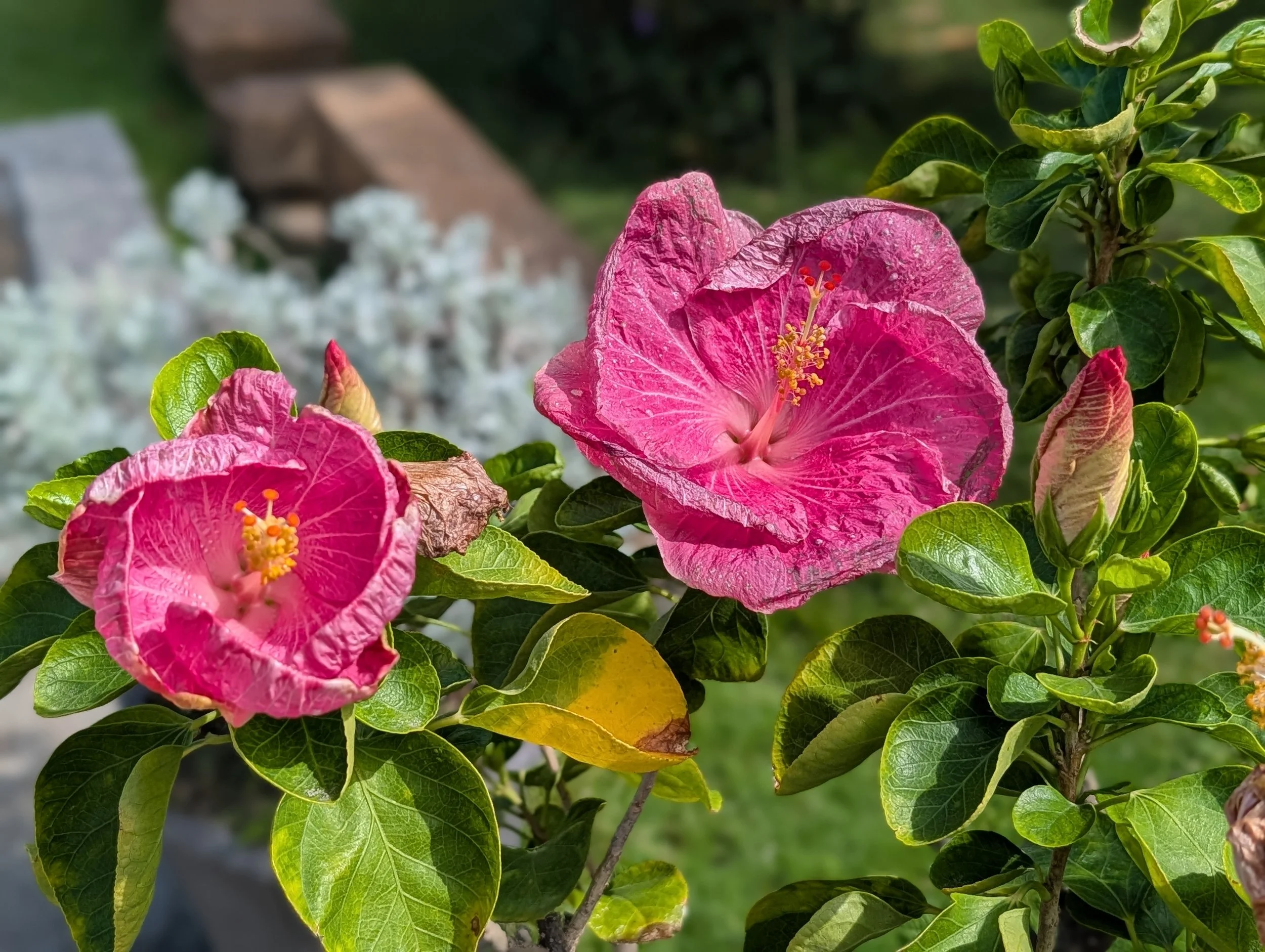
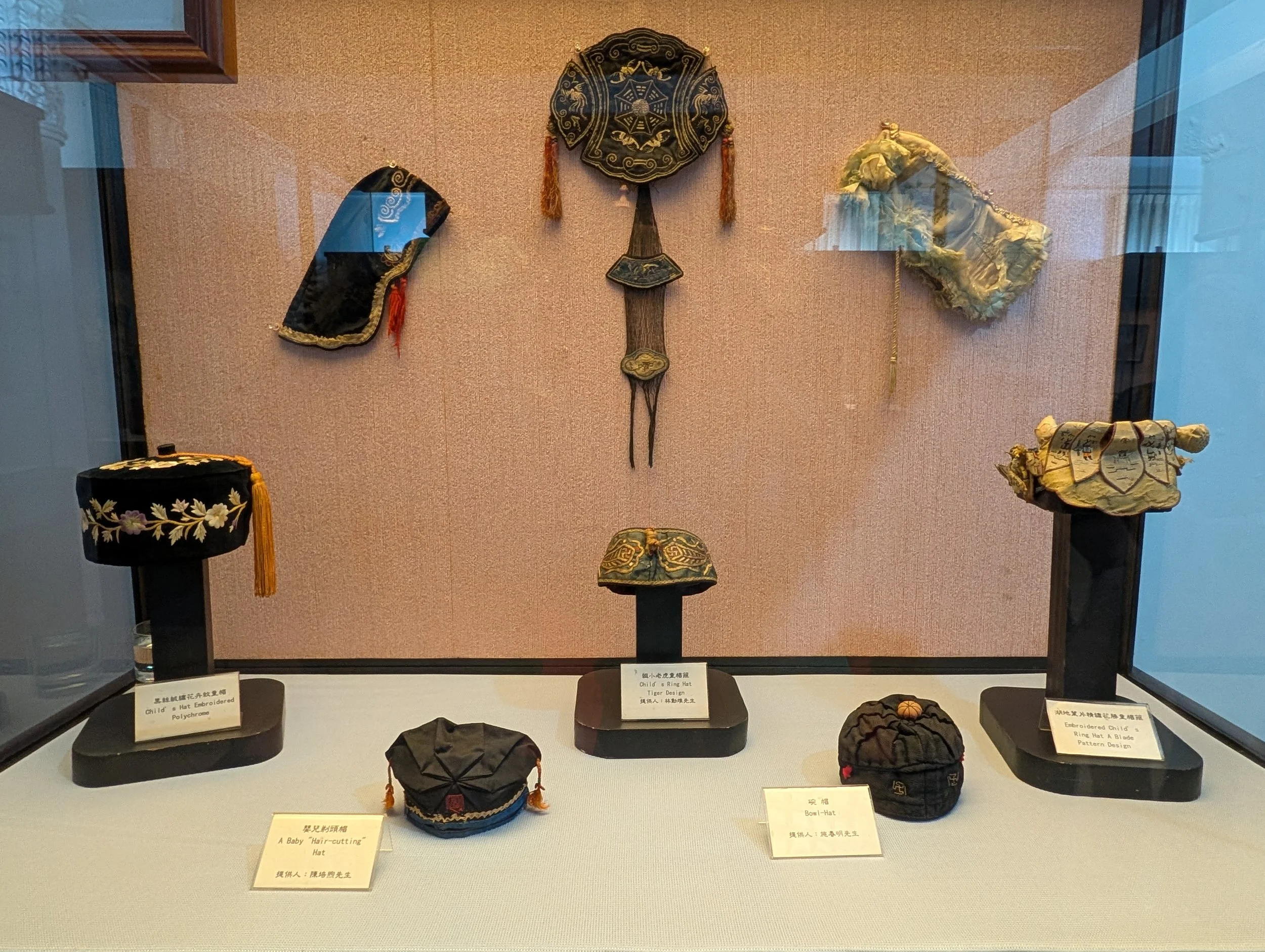
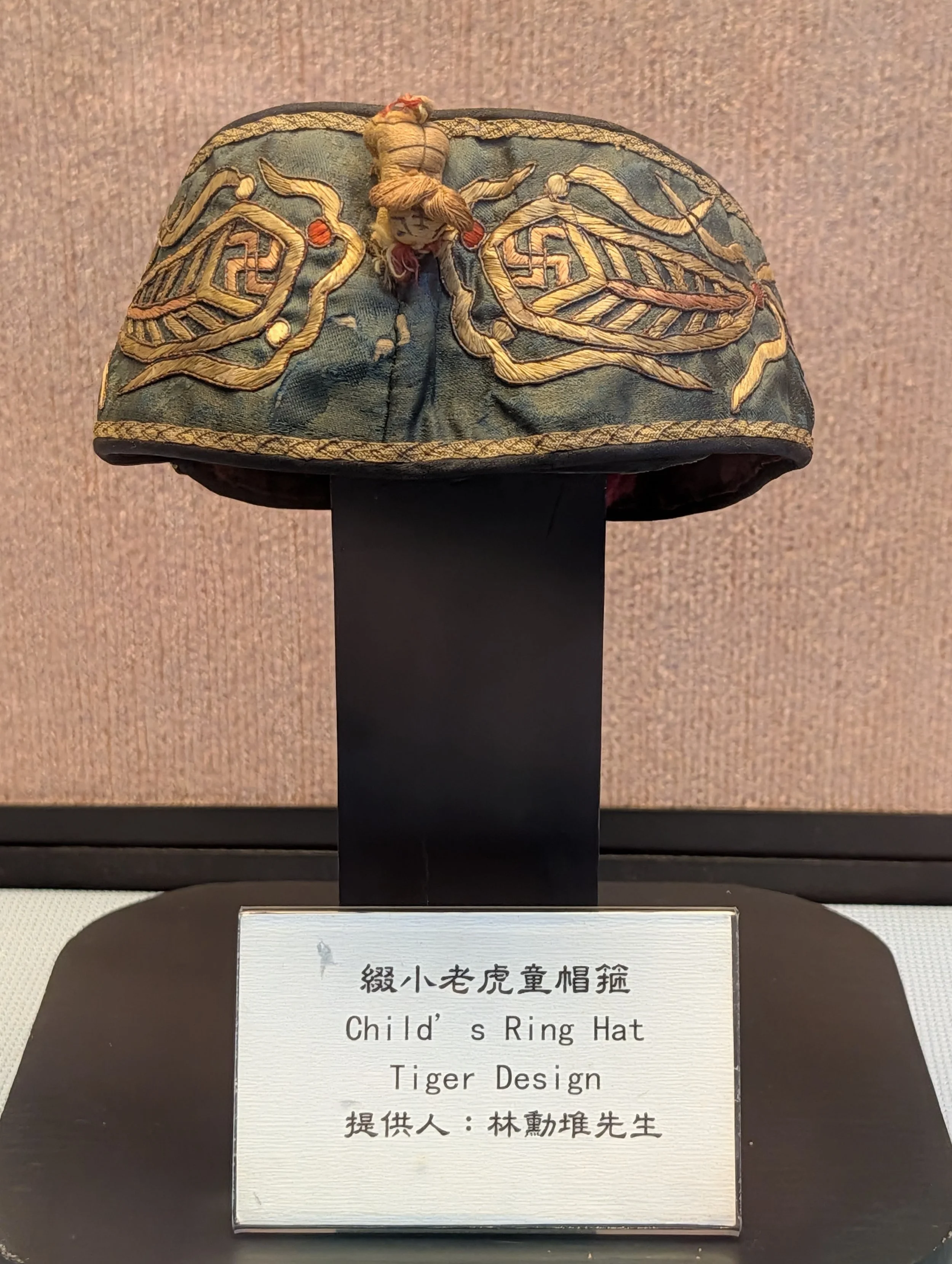
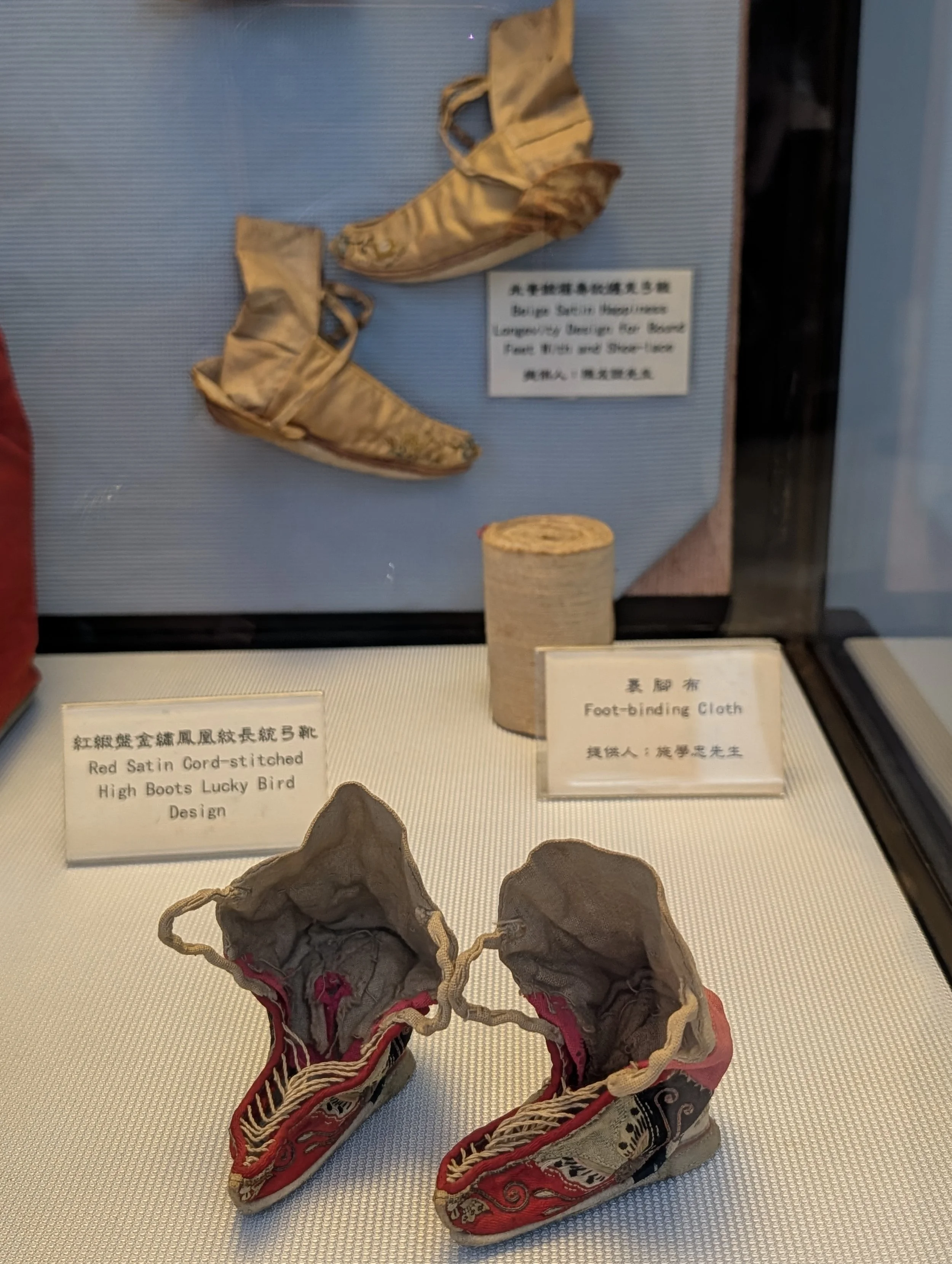
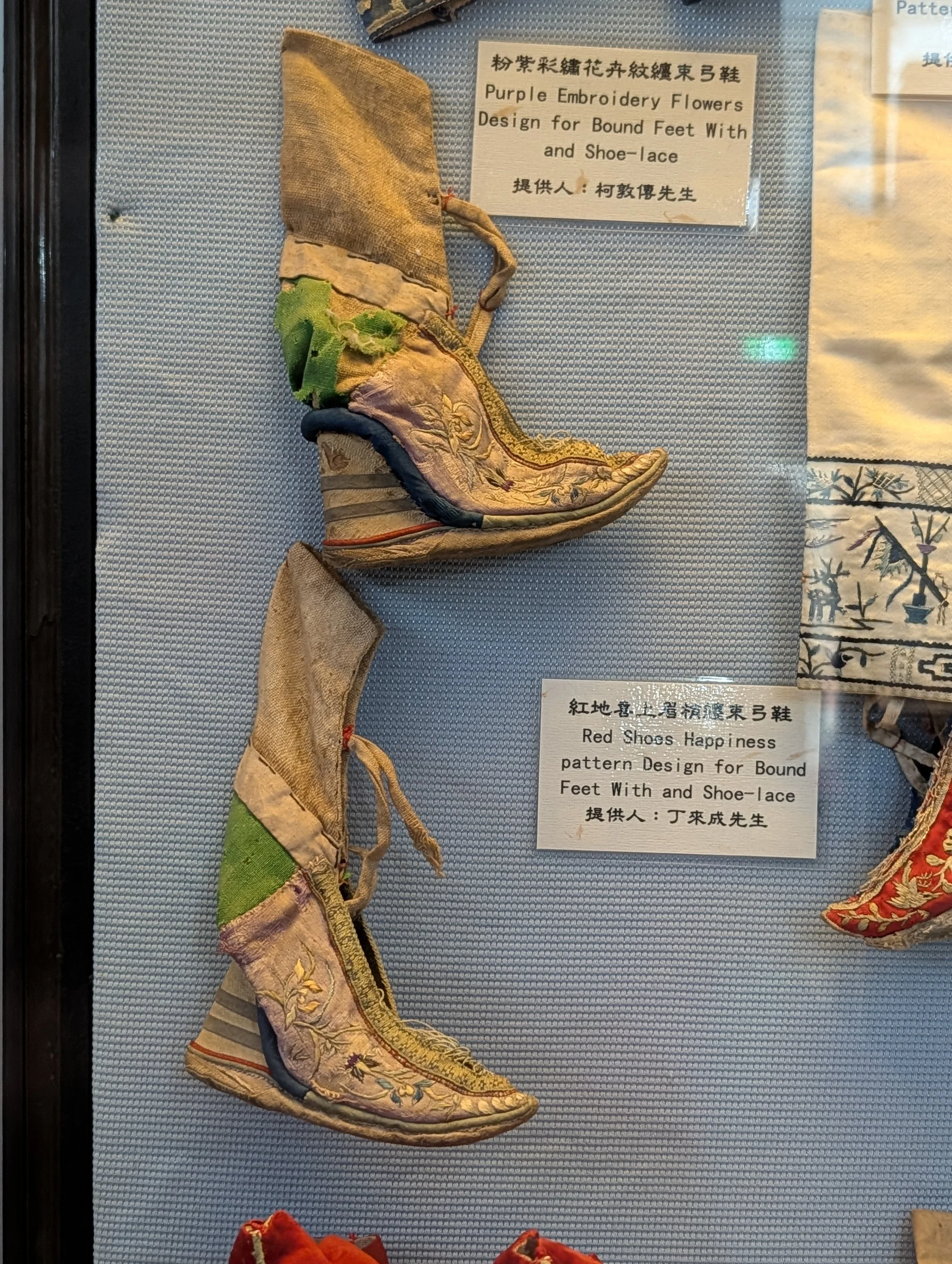
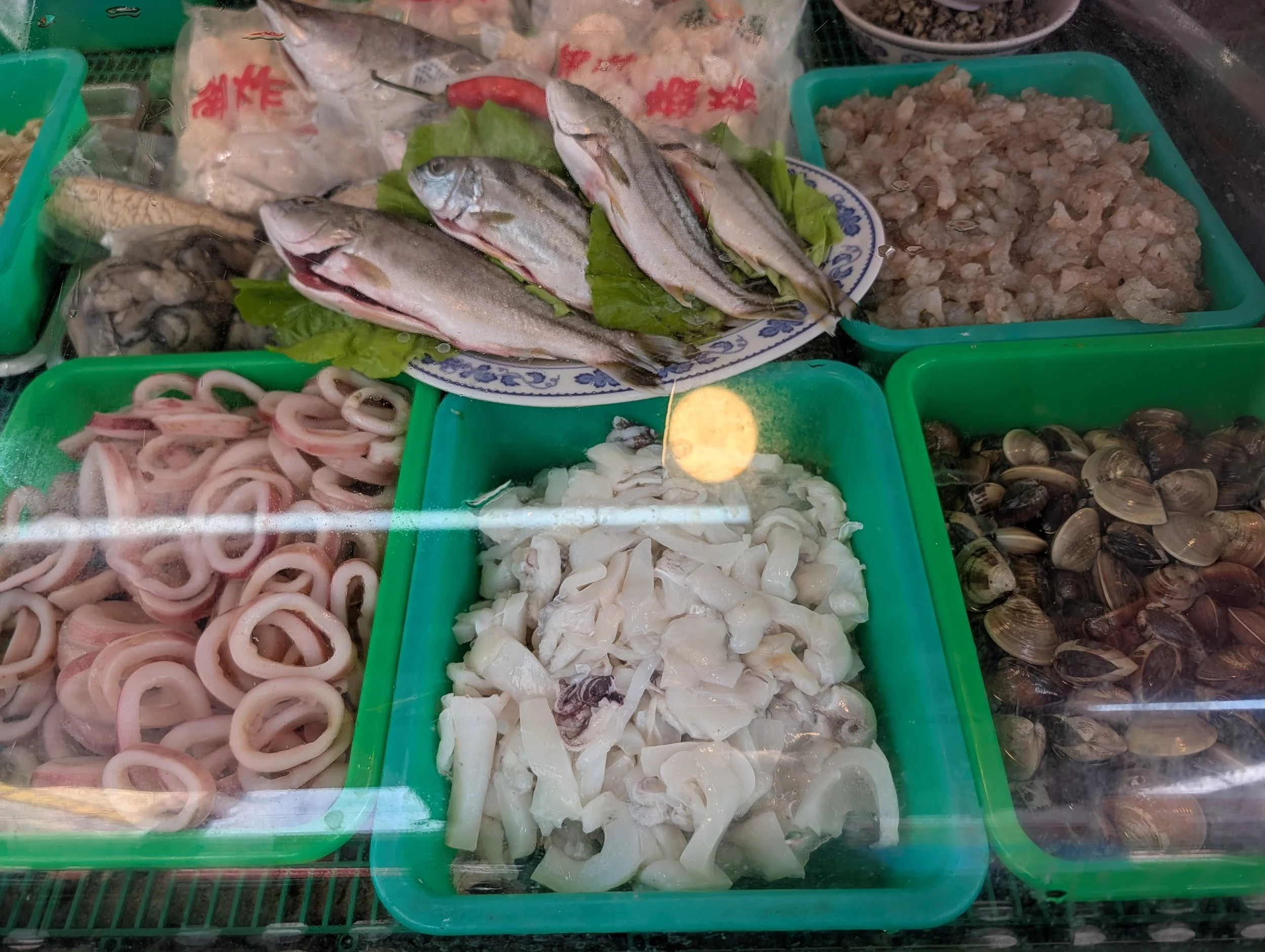
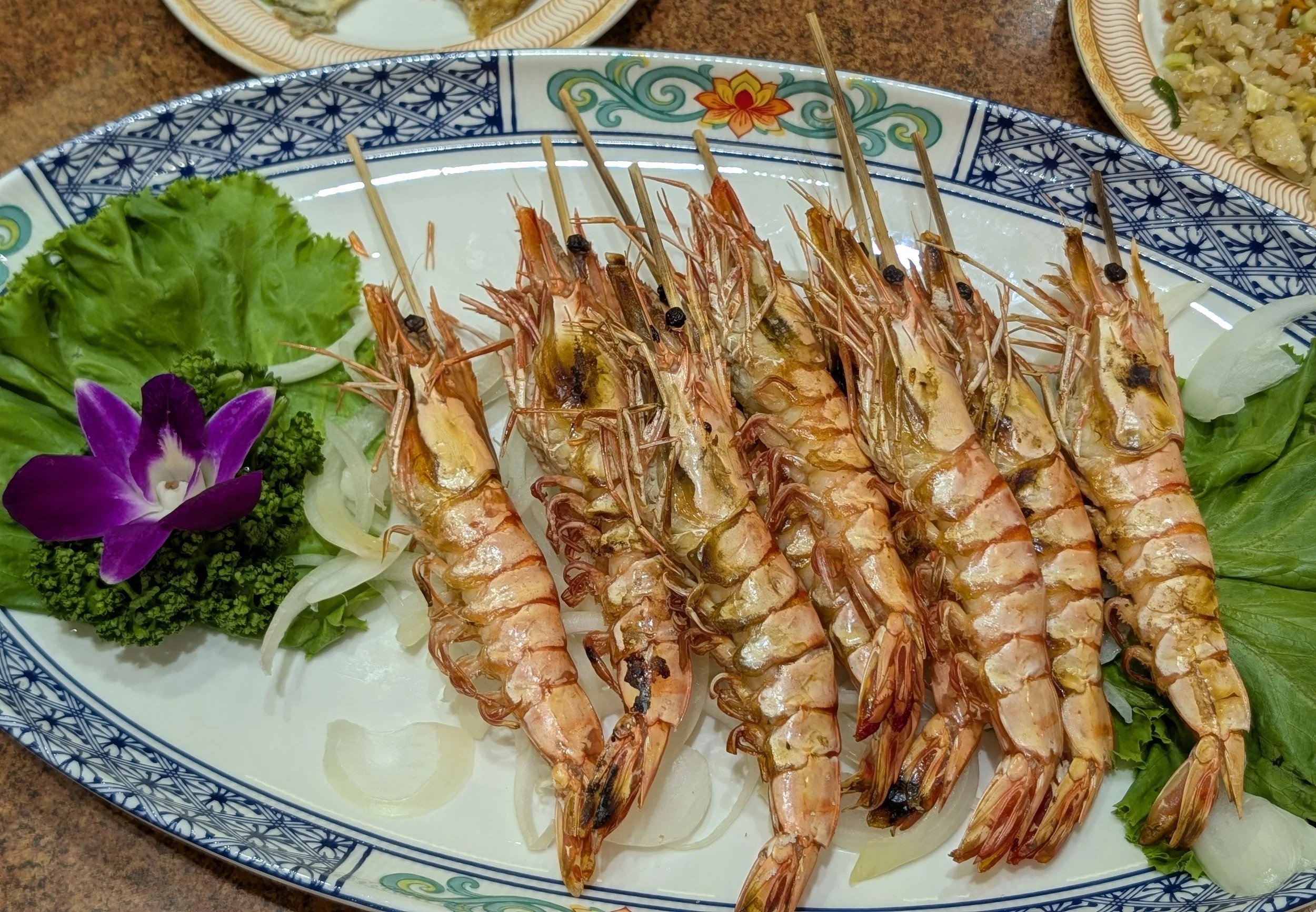
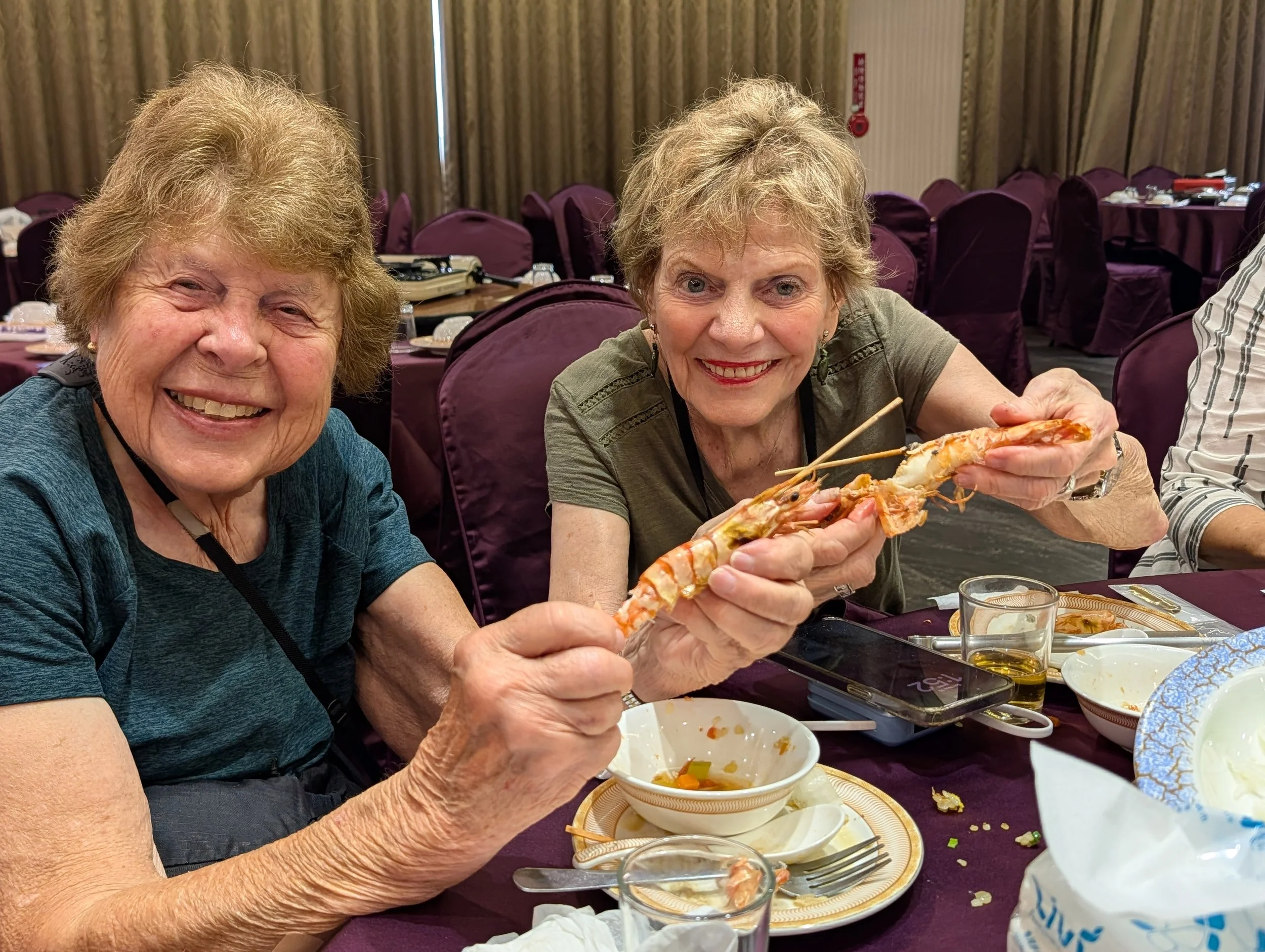
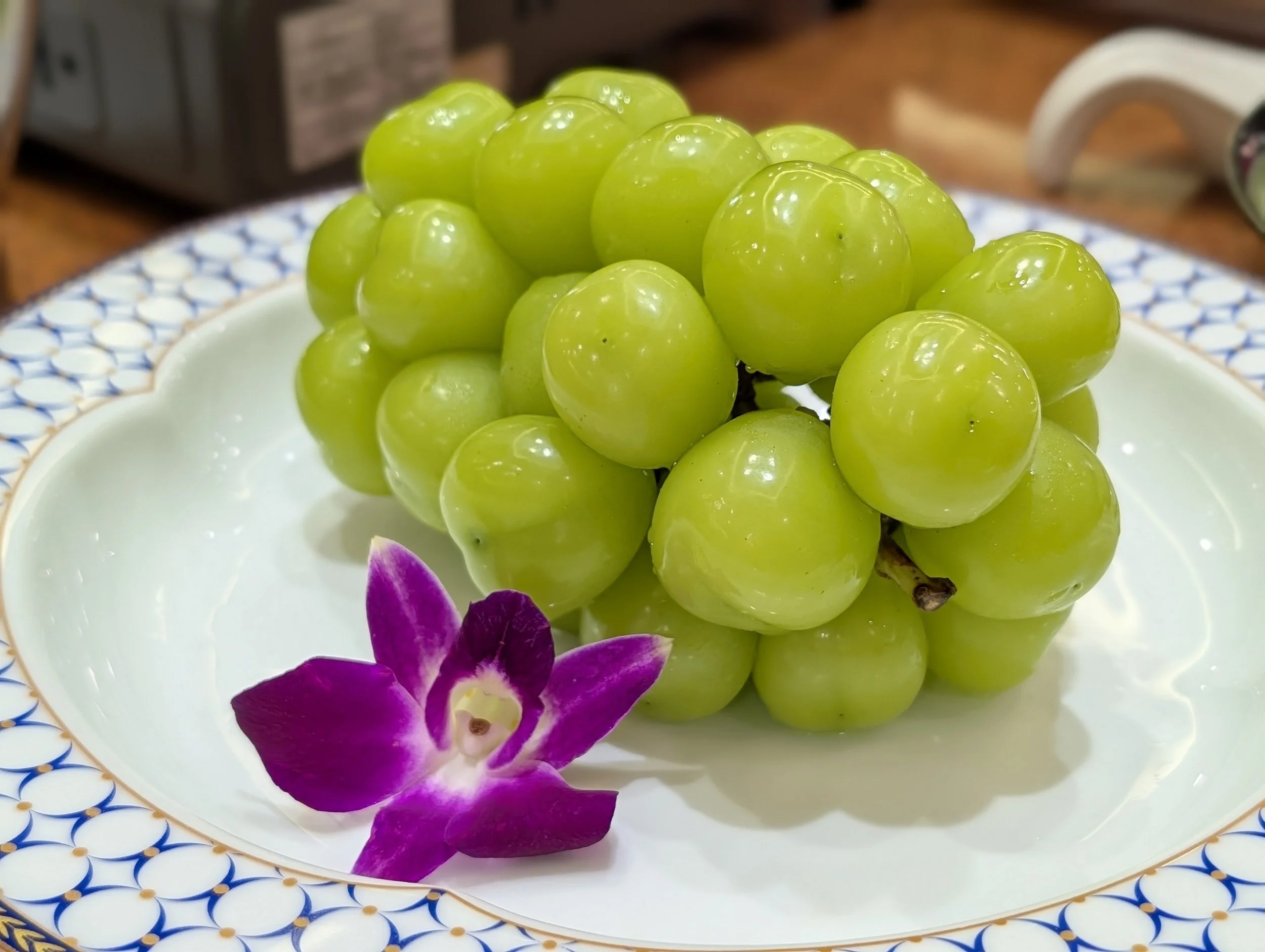
Then to lunch at a seafood restaurant where we were served copious amounts of food. Of note were the grilled prawns and the golf ball sized grapes!
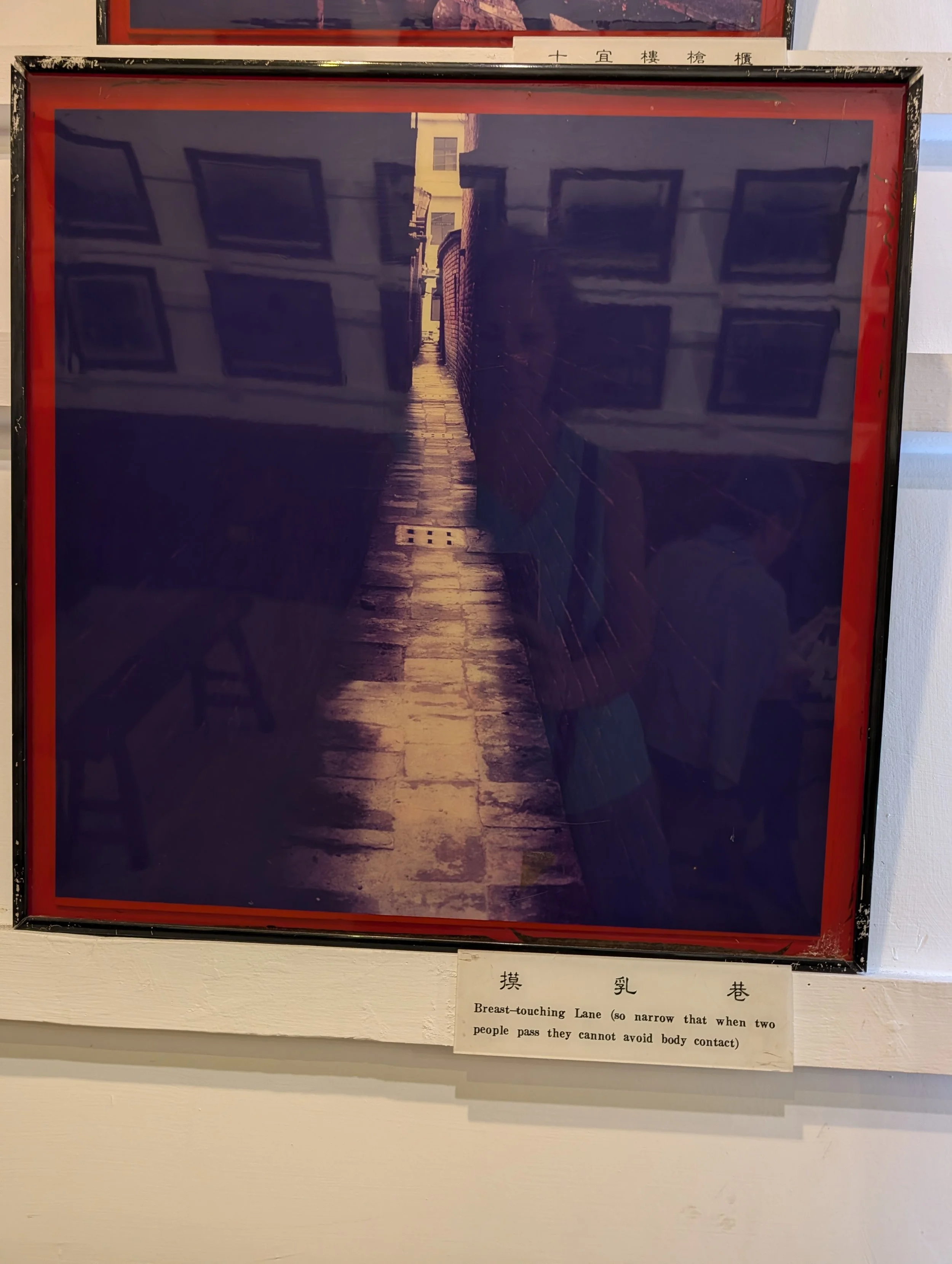
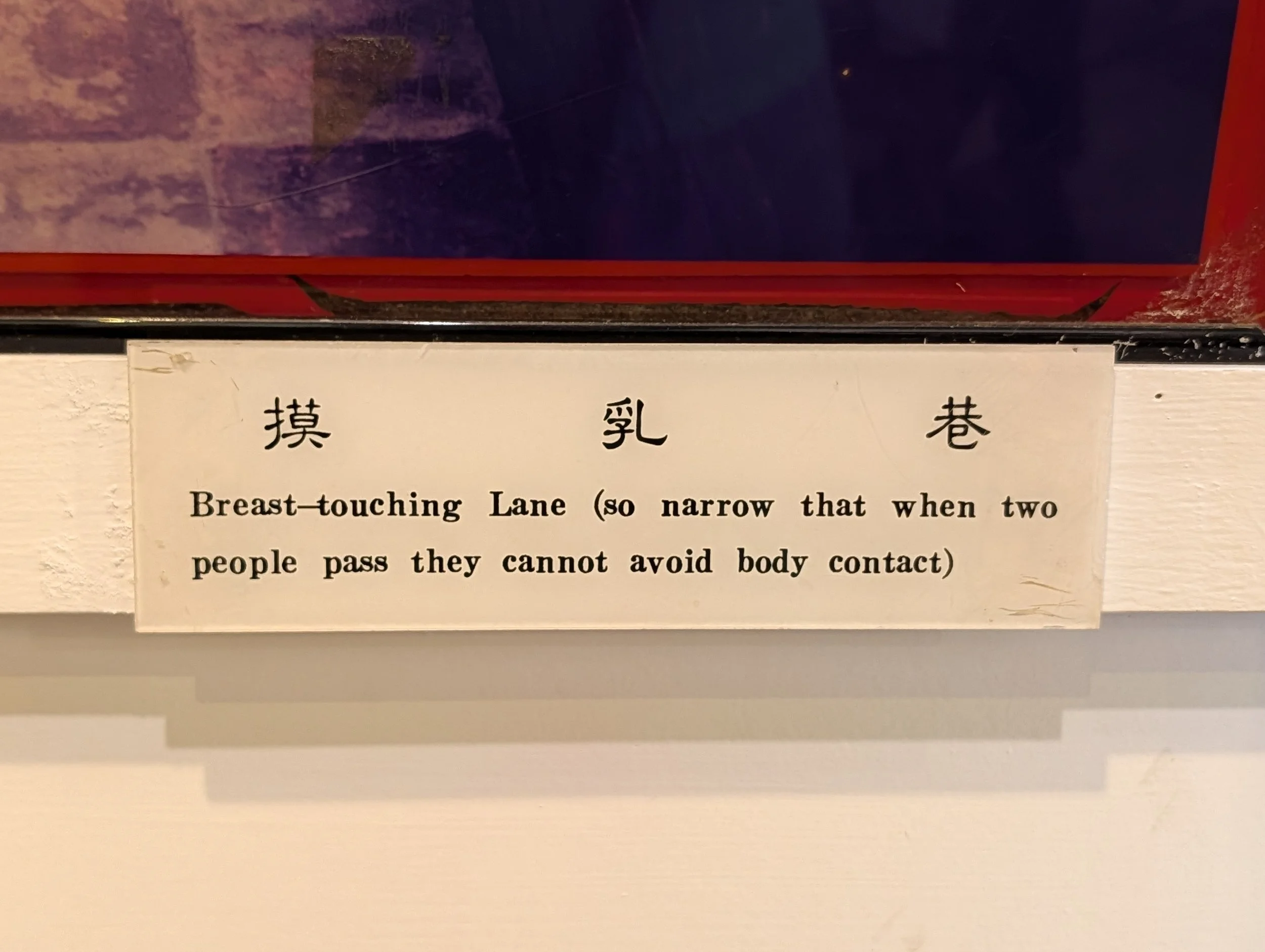
After lunch we went to the “breast touching alley,” so named because it is so narrow that when two people pass each other as they walk through it, they must face each other, and their bodies will invariably touch as they pass by! (That’s what he said!)
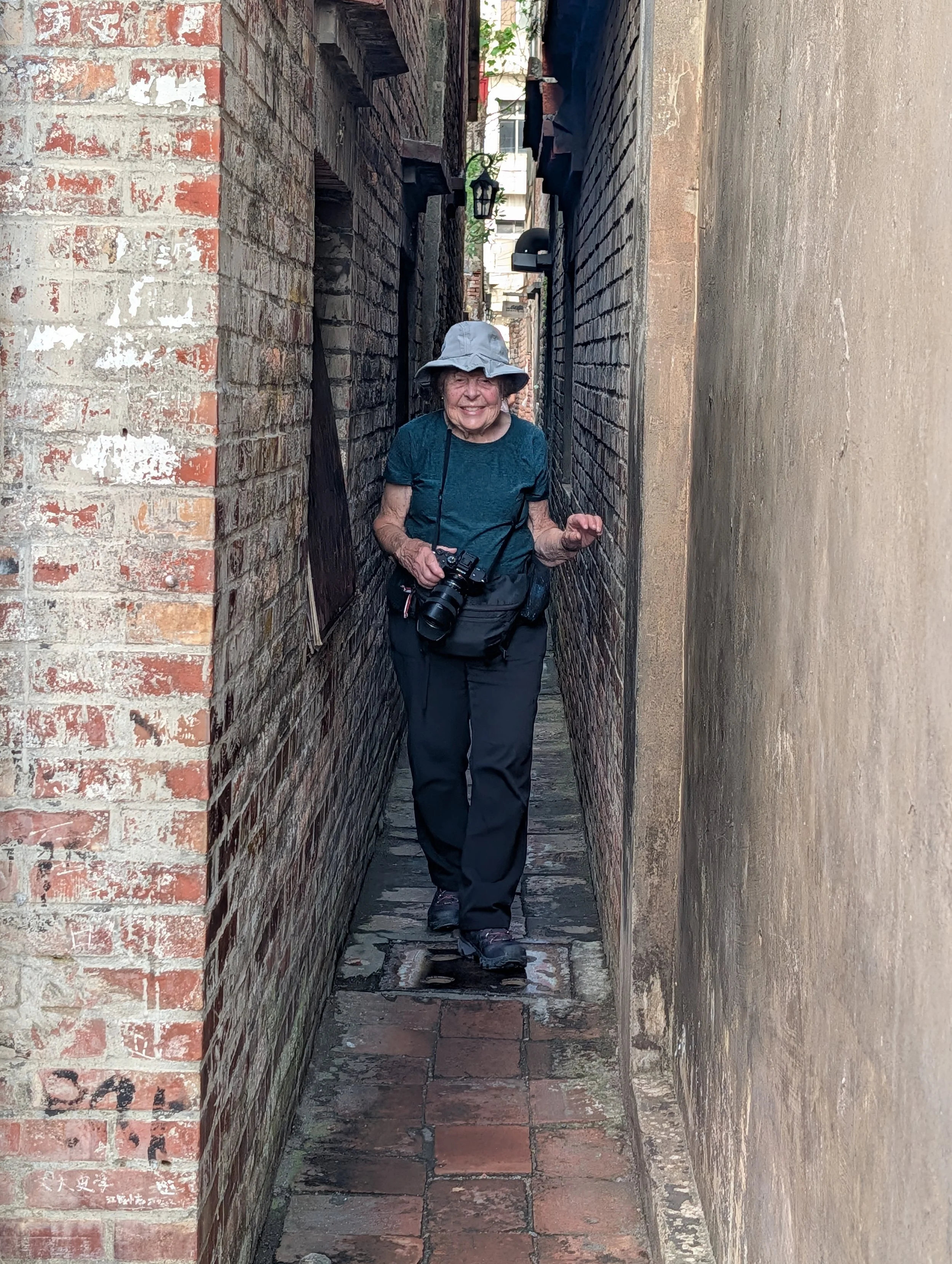
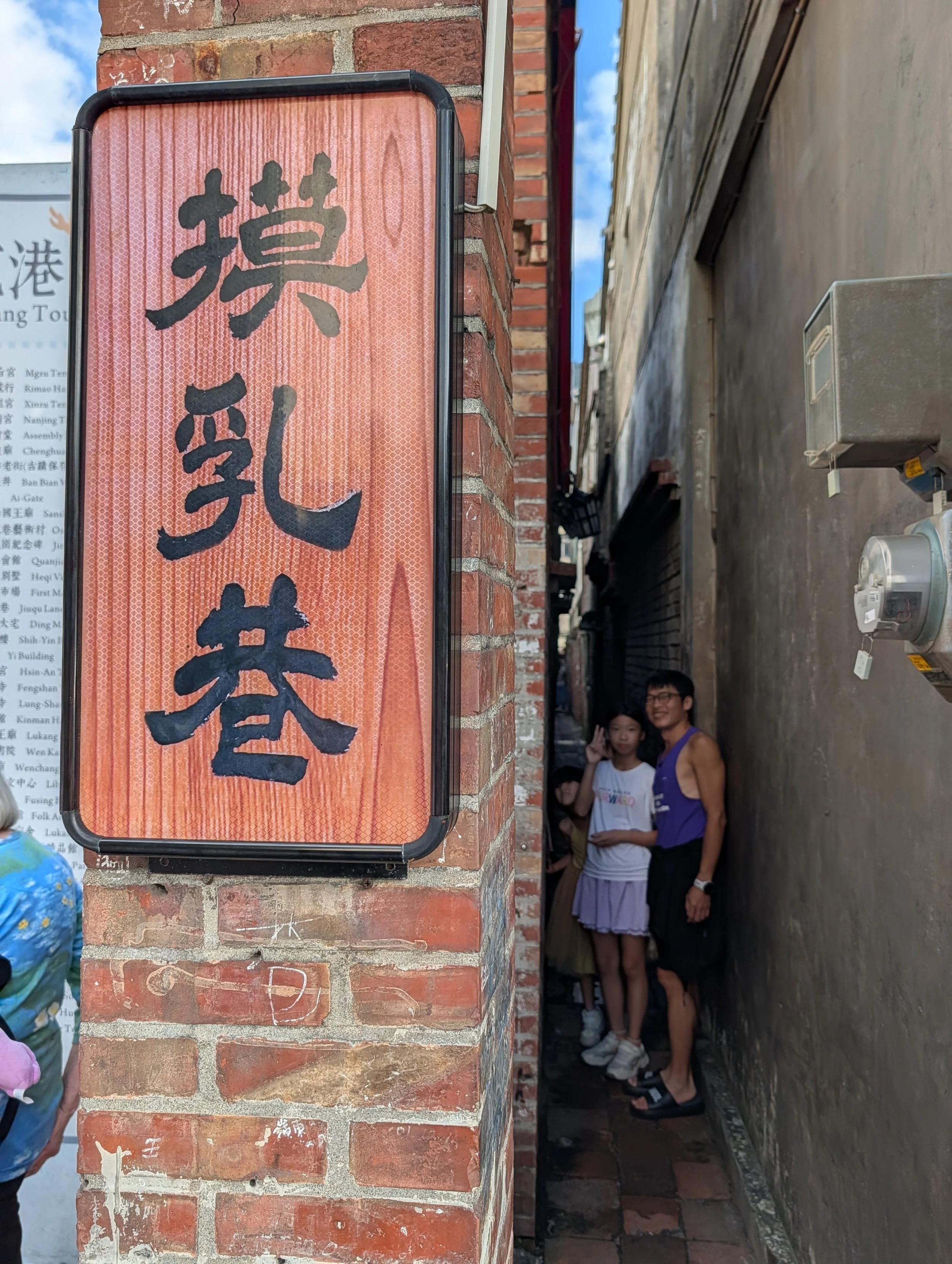
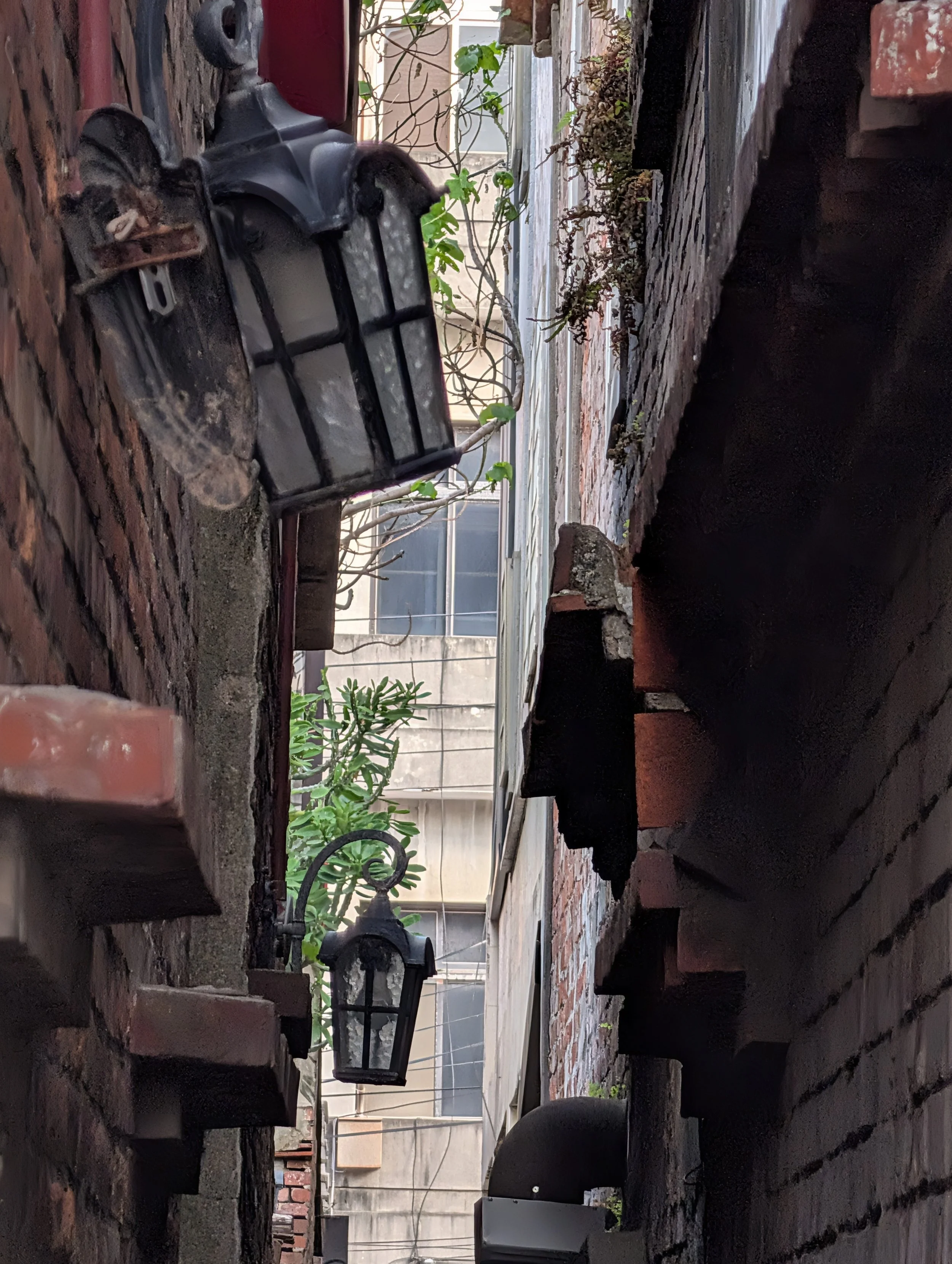
And here’s a banyan tree growing in the middle of the city! Banyan is a tropical fig tree that germinates on a host tree or building, and eventually sends down roots that envelop and sometimes smother the host tree.
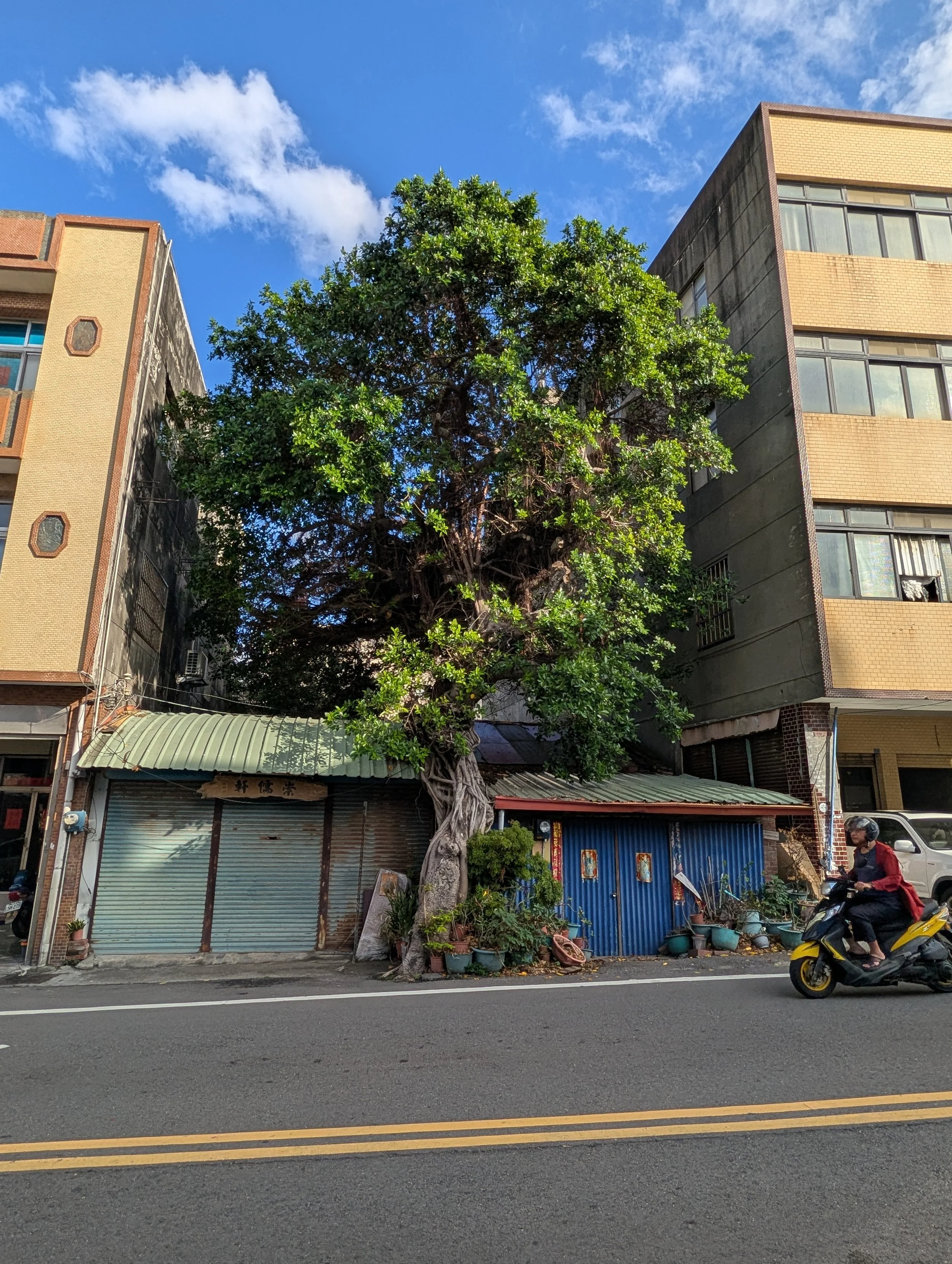
Banyan Tree
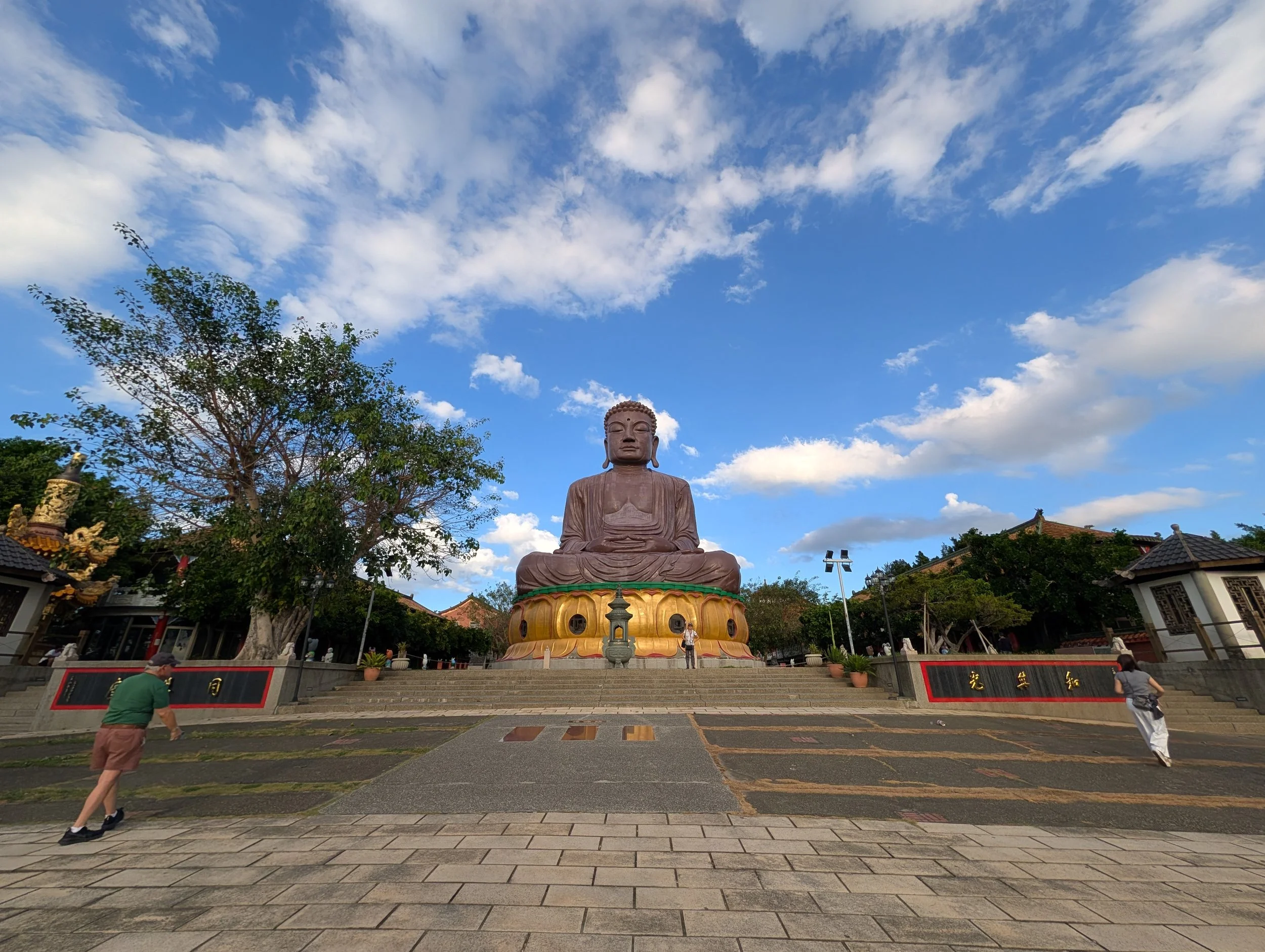
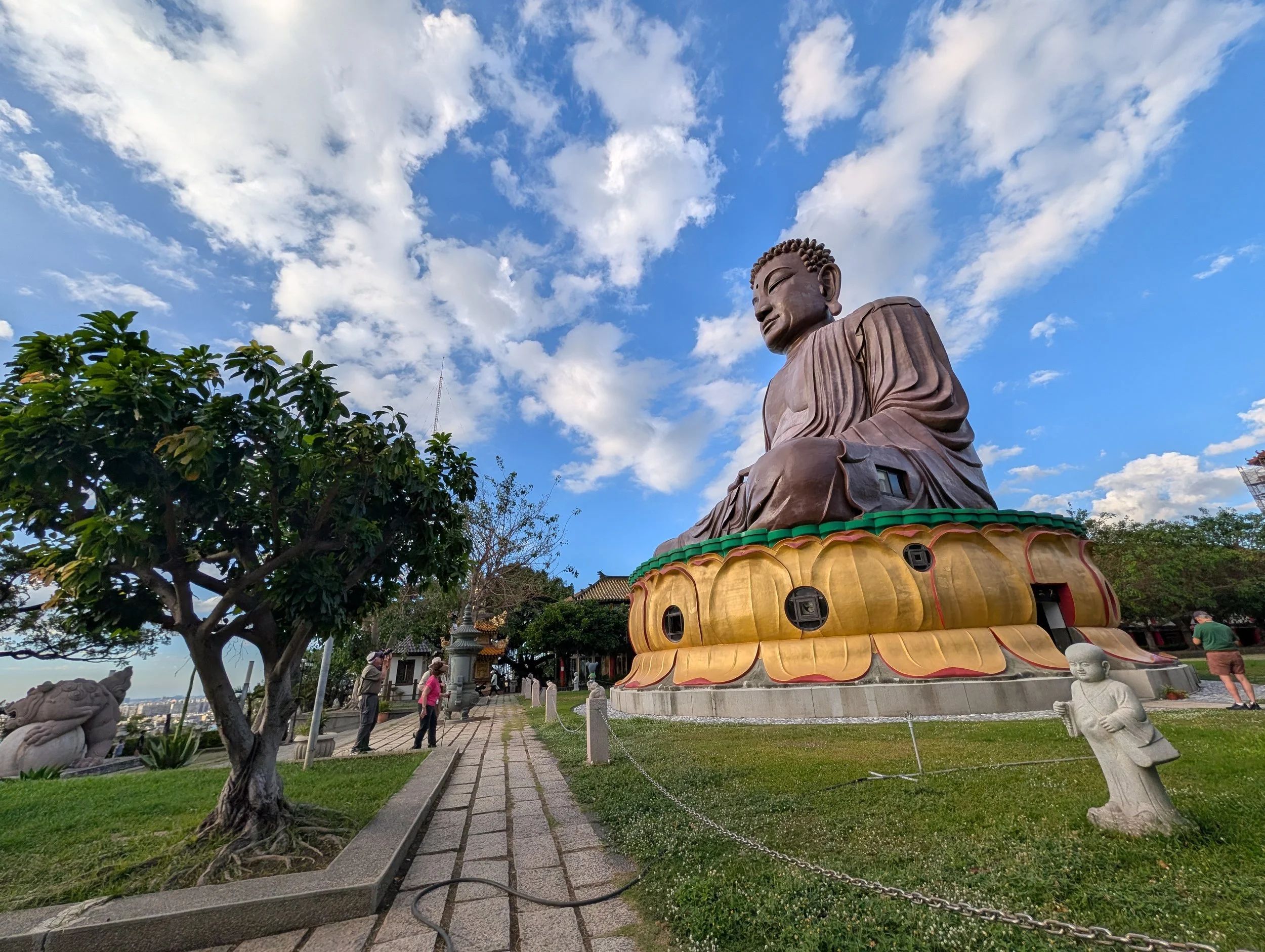
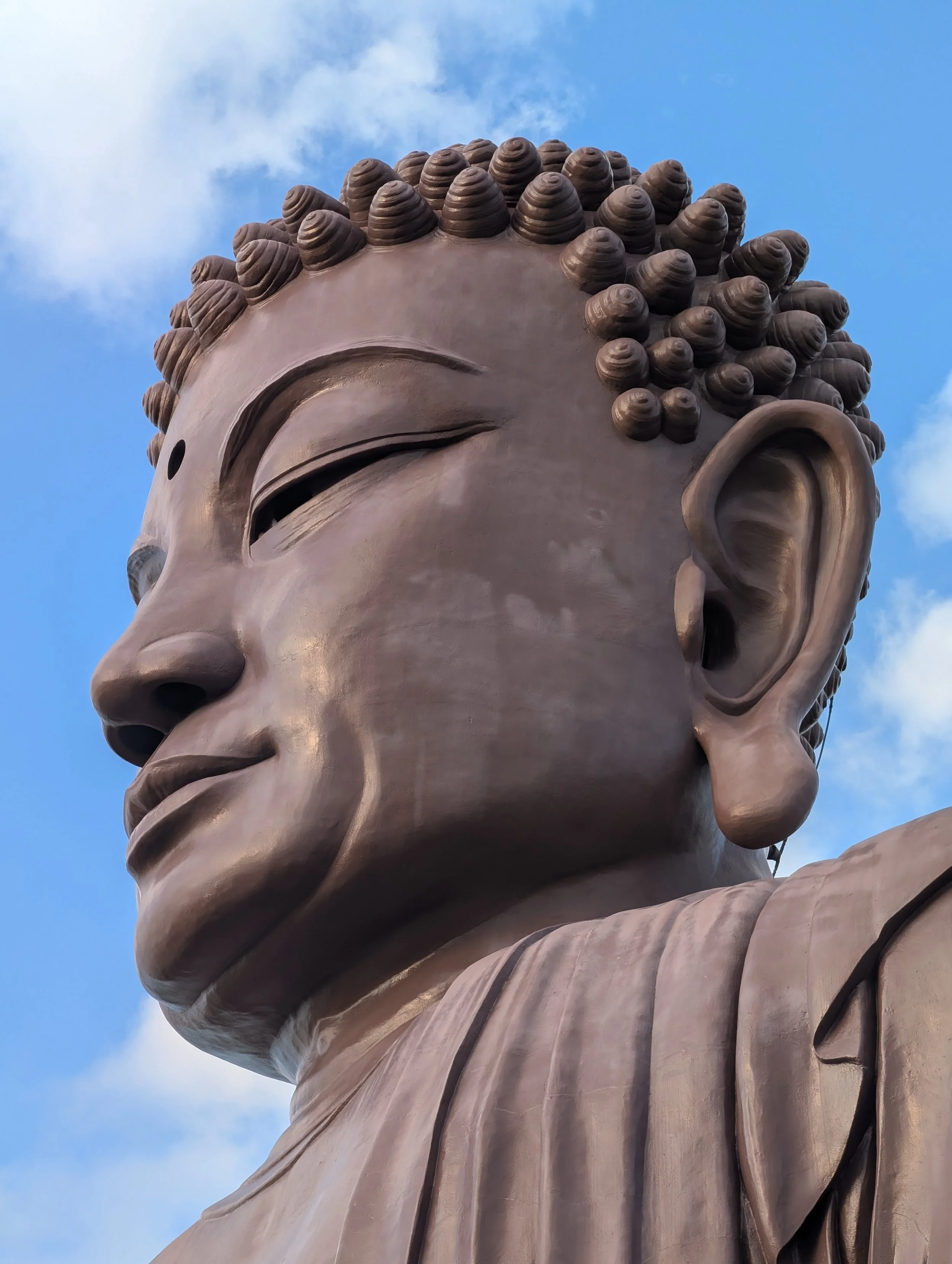
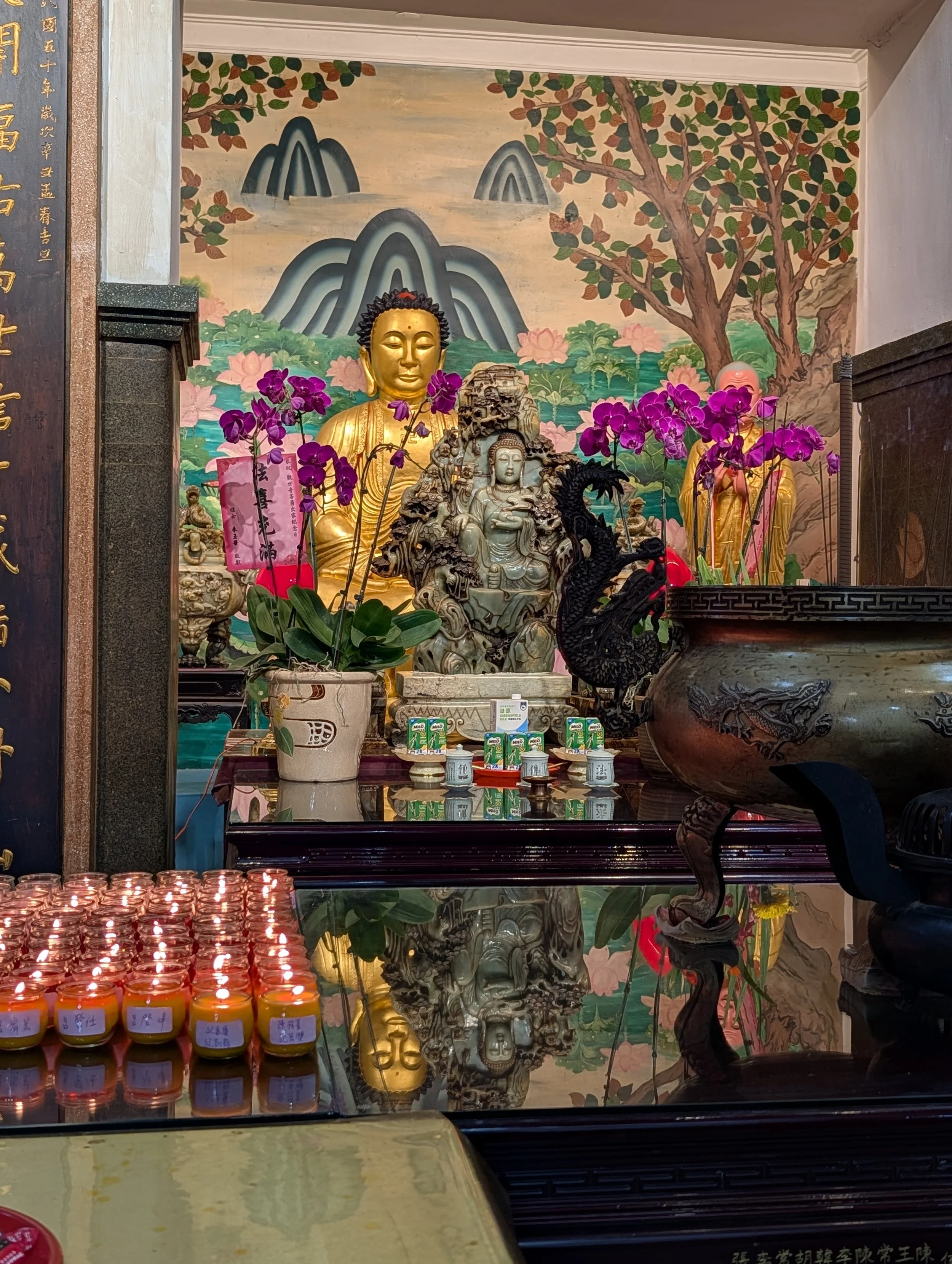
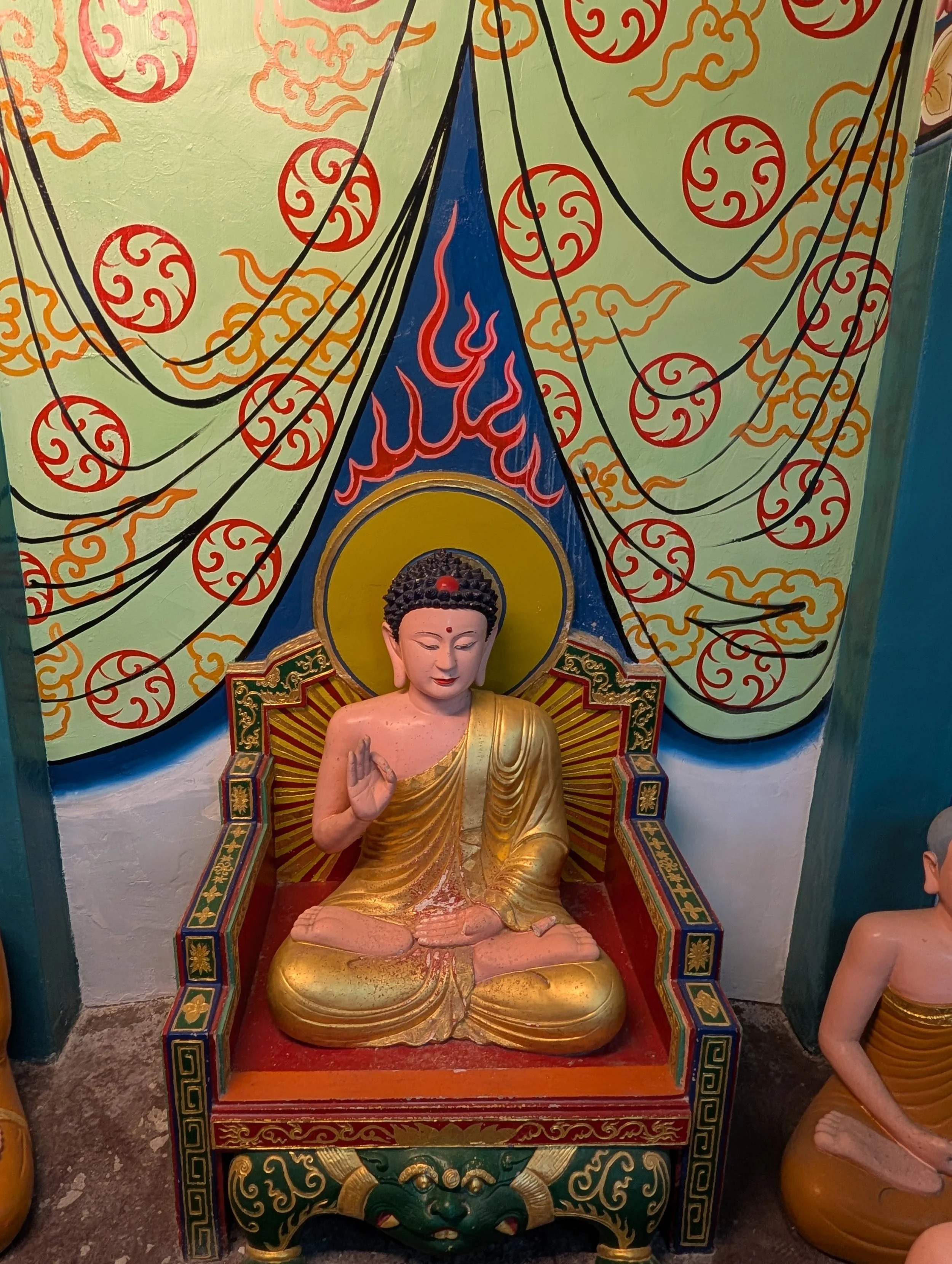
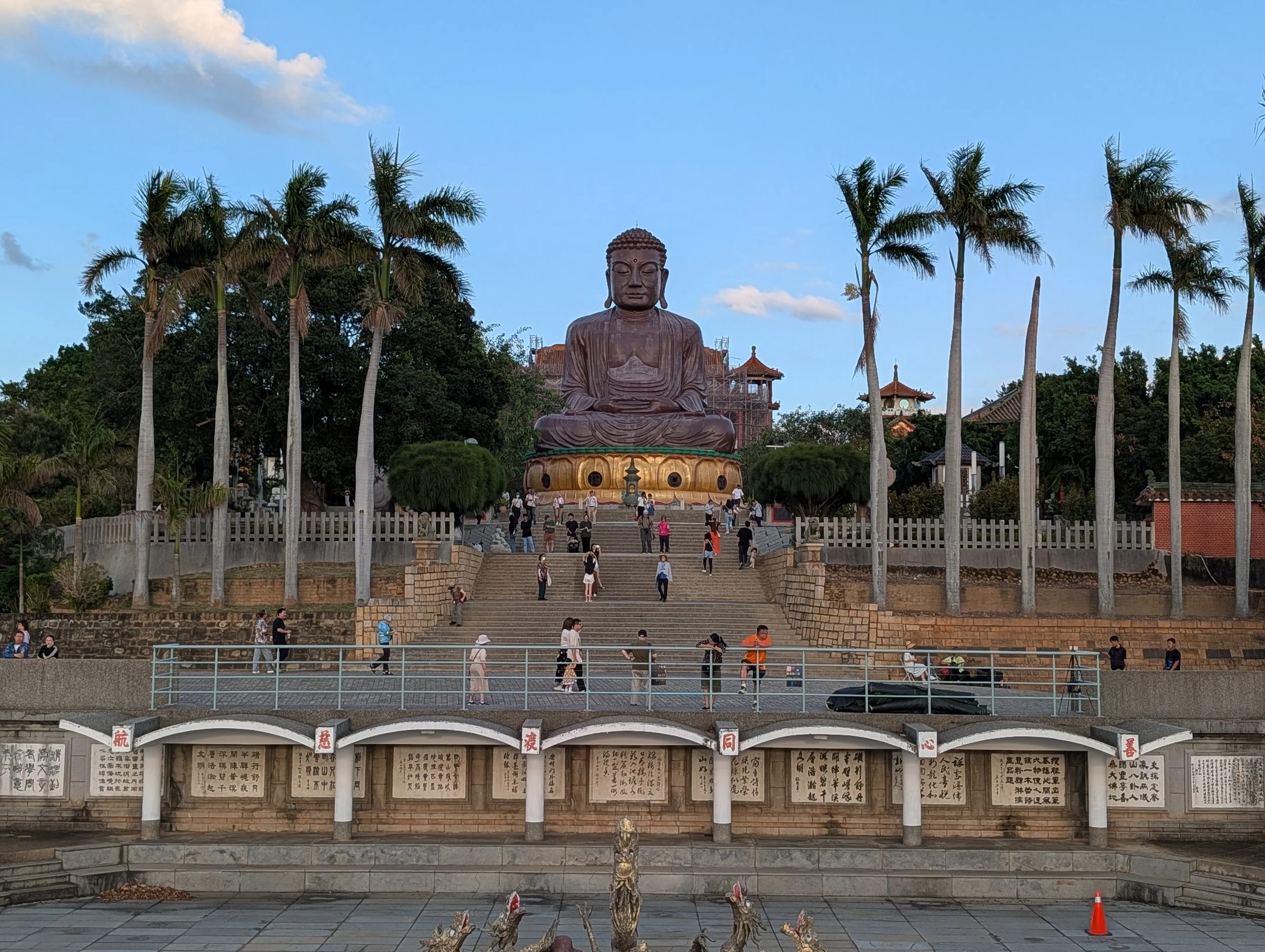
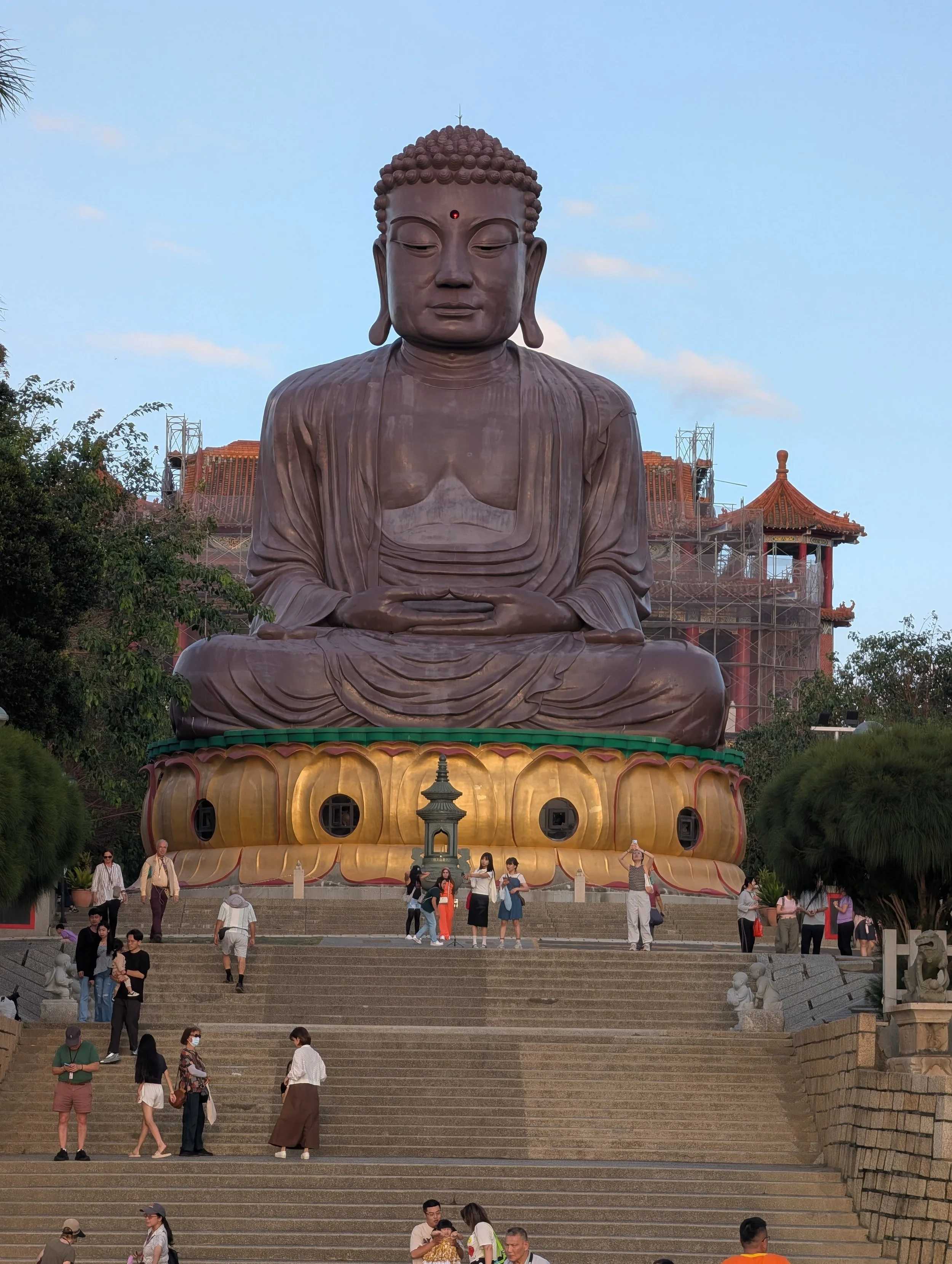
Our last stop of the day was at the Great Buddha on Baguashan, built between 1954 and 1961. It is 23 meters tall and was built simply as a place of public worship. Inside the structure is a shrine and place to worship as well as six stories you can go up. On each floor is a sculpture depicting a scene in the life of the buddha and his journey to enlightenment.
It was a full day - every day is a full day! We were back at the hotel at 5:00. Mom and Grace went back out to the Night Market with our guides. CS and I went to dinner down the street.
Tomorrow we leave Taichung and head further south on the island.